As an Amazon Associate, I earn from qualifying purchases.
Small space vertical gardening lets you grow herbs, vegetables, flowers, and other plants upward instead of spreading them across the ground. Use wall planters, hanging pots, shelves, trellises, and stacked containers to make the most of balconies, patios, small yards, and indoor spaces.
Many American homes have limited outdoor space. Apartment balconies, narrow patios, small backyards, and tiny side yards can make traditional gardening hard. But a lack of ground space does not mean you have to give up growing fresh plants. You can use walls, fences, railings, and other open areas to create a garden that fits your home.
Vertical gardening is a simple way to turn unused space into a growing area. Instead of placing every pot on the ground, you arrange plants at different heights. A small wall can hold herbs and leafy greens, while a trellis can support climbing beans, peas, and cucumbers. Even a sunny kitchen wall or window can hold a few useful plants.
The key is to choose the right setup for your space. Some plants need deep pots, strong support, and plenty of sunlight. Others grow well in shallow pockets or small containers. Before buying supplies, check the light, water access, wind, and weight limits of your chosen spot.
A good vertical garden does not need expensive equipment or a large structure. You can begin with a few sturdy shelves, a simple trellis, or hanging planters. Start small, learn how your plants respond, and add more growing space as your garden grows.
Small space vertical gardening is a way to grow plants upward rather than using only the ground. It uses vertical structures to hold pots, support climbing stems, or provide several planting levels. This approach works well when you have more wall or fence space than open ground.
A vertical garden can be simple or complex. A few pots on a wall shelf count as vertical gardening. So does a wooden trellis covered with beans or a stack of planters filled with herbs. Some systems use fabric pockets, while others use rigid frames or hydroponic growing units.
The main goal is to use space that would otherwise remain empty. You can place a vertical garden against a fence, beside a patio door, on a balcony, or inside a bright room. The best setup depends on the plants you want to grow and the conditions around your home.
Source: wildbirdgardeninc.com
Wall-mounted gardens
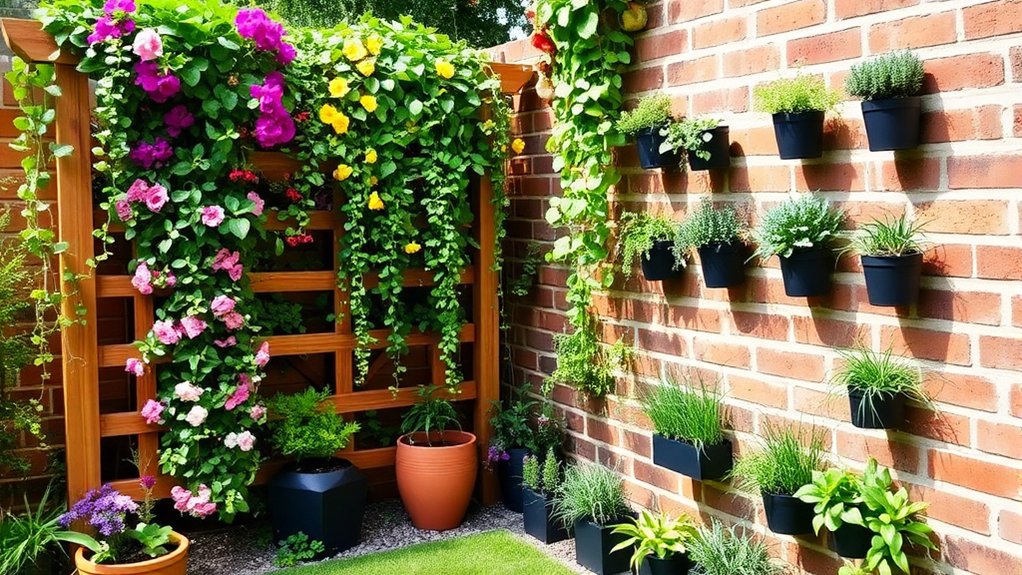
These use fixed shelves, frames, or individual pots attached to a suitable wall. They work well for herbs, flowers, and small leafy plants.
Trellis gardens
A trellis gives climbing plants a place to grow upward. It is useful for peas, beans, and suitable cucumber varieties.
Hanging gardens
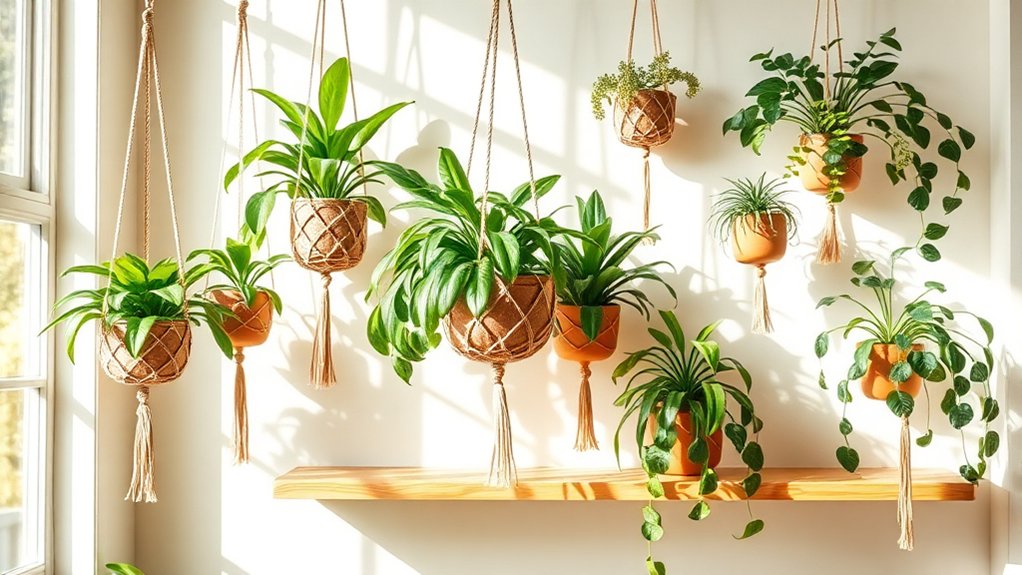
Hanging baskets and suspended pots use overhead space. They are useful for trailing flowers, strawberries, and compact herbs.
Stacked gardens
These systems place several planting containers above one another. They can hold herbs, lettuce, and other small plants.
Why Grow Plants Vertically?
The biggest benefit is better use of limited space. A narrow patio can hold several plants without filling every part of the floor. Growing upward can also keep some leaves and fruits away from the soil.
Vertical supports can improve access to plants. You may find it easier to pick herbs, inspect leaves, and remove damaged growth when containers are placed at a comfortable height. Some climbing plants also spread less across paths when trained onto a support.
However, vertical gardening does not remove the need for proper root space. A tomato plant may grow tall, but it still needs a suitable container below. Think of vertical structures as a way to organize growth, not a way to remove basic plant needs.
More growing room
Use empty walls and other unused areas to hold additional plants.
Better organization
Arrange plants by height, sunlight needs, and watering needs.
Easy harvesting
Keep frequently picked herbs and leafy greens within easy reach.
How to Plan a Vertical Garden in a Small Space
Start by measuring the space and checking its growing conditions. Do not choose a planter system just because it looks attractive. A sunny balcony, a shaded porch, and an indoor wall all have different needs.
Look at the direction of sunlight and notice how long direct light reaches the area. Check the space in the morning and afternoon. Nearby buildings, fences, roof edges, and trees may block sunlight at certain times.
Also consider how you will water and care for the plants. A garden placed far from a water source can become difficult to maintain. Keep frequently watered plants where you can reach them without moving furniture or using an unsafe ladder.
Source: storage.googleapis.com
Measure the available area
Record the width and height of the wall or fence. Leave enough room for doors, windows, walkways, and other daily activities.
Check sunlight
Watch the area throughout the day. Many fruiting vegetables need around six to eight hours of direct sunlight, while some leafy crops tolerate less.
Find a water source
Choose a location close to a hose, outdoor tap, or indoor sink. This makes regular watering easier.
Check wind exposure
Balconies and open patios can have strong winds. Plan for secure supports and plants that can handle the conditions.
Plan your access
Make sure you can reach every pot for watering, pruning, pest checks, and harvesting.
Choose the Right Location
A sunny wall or fence is often a useful place for an outdoor vegetable garden. South-facing walls in the United States can receive strong sunlight, although the actual light will depend on the region, season, and nearby buildings. West-facing areas may also become very hot in summer.
For a shaded patio, choose plants that tolerate lower light. Leafy greens, parsley, and some ornamental foliage plants may be more suitable than tomatoes or peppers. Do not expect a fruiting vegetable to produce well in a spot that receives too little sun.
For indoor gardens, use a bright window when possible. If natural light is not enough, a suitable grow light can help. Keep electrical equipment away from water and follow the manufacturer’s safety instructions.
Sunny areas
Good for compact tomatoes, peppers, strawberries, and many climbing vegetables.
Partly shaded areas
Better for lettuce, parsley, mint, and other plants that can tolerate some shade.
Indoor locations
Suitable for herbs and foliage plants when there is enough natural or artificial light.
Plan Around the Mature Plant Size
A young plant can look small in its container, but its mature size may be much larger. Check the expected height, spread, and root needs before placing it in a vertical system. Compact and patio varieties are often easier to manage in small gardens.
Leave room for leaves and stems to grow without covering nearby plants. A crowded wall can block airflow and sunlight. It can also make watering and pruning harder.
Use compact varieties
Look for dwarf, patio, bush, or container-friendly varieties when choosing vegetables.
Allow room for climbing stems
Make sure vines have enough space to spread across their support.
Best Vertical Gardening Systems for Small Spaces
The best vertical gardening system is one that fits your available space, plant choices, and budget. You do not need a large living wall to grow useful plants. A simple shelf or trellis may provide enough room for a small household garden.
Before choosing a system, think about how much weight it will carry when wet. A planter filled with moist growing mix is much heavier than an empty pot. Wind, plant growth, and water runoff can also affect the stability of the structure.
Source: storage.googleapis.com
Wall-mounted shelves
Use shelves to arrange small pots at different heights. Choose sturdy materials and suitable wall fixings.
Fabric pocket planters
These have several pockets for small plants. They work well for herbs and leafy greens but may dry quickly.
Stackable planters
Stacked containers create several planting levels in a small footprint. Make sure each level receives enough light and water.
Trellis systems
These support climbing plants and can be placed in a large container or suitable garden bed.
Hanging baskets
These use overhead space for trailing flowers, strawberries, and selected herbs.
Wall-Mounted Planters
Wall-mounted planters are useful when floor space is very limited. You can arrange several small containers in rows or use a ready-made frame. This makes it easy to create a neat herb garden near a kitchen door or on a sunny patio.
Check the wall before attaching anything. Use suitable fasteners for the wall material, and avoid weak surfaces or damaged sections. If you rent your home, ask permission before drilling holes or making permanent changes.
A removable shelf or freestanding rack may be a better option when permanent installation is not allowed. It also makes it easier to move the garden when sunlight changes.
Best plants
Basil, thyme, oregano, parsley, lettuce, and small ornamental plants.
Main advantage
Uses wall space while keeping the floor open.
Main limitation
Requires strong support and careful planning for drainage.
Vertical Trellises
A trellis is one of the simplest ways to grow vegetables upward. It gives climbing stems a structure to follow and helps keep spreading vines away from walkways. You can use a wooden frame, metal mesh, or another suitable garden support.
Install the trellis before planting or while the plant is still small. Adding a support later can damage established roots. Tie stems loosely when needed, and guide new growth through the structure.
For a small patio, place the trellis in a large pot with a climbing plant. Keep the pot stable and use a support that can handle the plant’s mature size and wind exposure.
Best plants
Climbing peas, pole beans, and suitable cucumber varieties.
Main advantage
Provides vertical support without requiring a full wall of planters.
Main limitation
The roots still need a large enough container or suitable ground space.
Stacked and Tower Planters
Stacked planters hold several planting areas above one another. Some systems use separate pots, while others have openings around a central tower. They can work well for herbs, lettuce, and compact flowers.
Check how water moves through the system. Upper plants may drain into lower sections, and some levels may dry faster than others. A design with poor drainage can leave roots sitting in excess water.
Place the tower on a level surface. Avoid putting a tall, narrow structure in an exposed location where strong winds could knock it over.
Best plants
Small herbs, salad greens, strawberries, and compact flowers.
Main advantage
Creates several planting spots in a small floor area.
Main limitation
Upper and lower sections may need different watering attention.
Hanging Baskets and Railing Planters
Hanging baskets can turn unused overhead space into a growing area. They are useful for trailing flowers, strawberries, and some compact herbs. Railing planters can also make a small balcony more productive without taking up much floor space.
Use supports designed for the planter and the railing. Do not assume that a hook or lightweight bracket can hold a heavy, wet container. Secure everything so that pots cannot fall during strong wind.
Keep drainage under control. Water should not spill onto neighboring balconies, sidewalks, or areas below your home. Use suitable trays or watering methods where needed.
Best plants
Strawberries, trailing flowers, thyme, and compact herbs.
Main advantage
Uses overhead and railing space.
Main limitation
Hanging containers can dry quickly and require secure installation.
Best Plants for Small Space Vertical Gardening
Choose plants based on their growth habits, root needs, and sunlight requirements. Climbing plants are natural choices for trellises, while herbs and leafy greens fit well in smaller pots. Compact vegetable varieties can also work when their containers provide enough room.
Do not choose plants only because they look good in a picture. A small pocket may be suitable for lettuce but too small for a mature tomato. Match the plant to the container before planting.
Source: storage.googleapis.com
Herbs
Basil, thyme, oregano, parsley, chives, and mint are useful choices for small containers.
Leafy greens
Lettuce, spinach, arugula, and other compact greens can grow in suitable shallow containers.
Climbing vegetables
Pole beans and peas can use trellises to grow upward.
Compact fruiting crops
Patio tomatoes, suitable cucumbers, peppers, and strawberries can grow in larger containers.
Flowers
Petunias, nasturtiums, and other suitable flowers can add color and attract pollinators.
Herbs for a Vertical Garden
Herbs are among the easiest plants to include in a small vertical garden. Many stay compact and provide fresh leaves for cooking. You can place them in individual pots on a shelf or grow them in a wall-mounted planter.
Basil likes warmth and good light. Thyme and oregano prefer well-drained growing mix, while parsley can tolerate some shade. Mint spreads quickly, so keep it in its own container rather than planting it with slower-growing herbs.
Place herbs you use often near a door or kitchen window. This makes harvesting simple and encourages regular pruning, which can help many herbs produce fresh growth.
Basil
Needs warmth, sunlight, and regular moisture without waterlogged roots.
Thyme
Prefers good drainage and a sunny growing location.
Parsley
Can grow in containers and may tolerate partial shade.
Mint
Grows well in containers but needs its own pot because it spreads.
Vegetables for Vertical Gardens
Some vegetables naturally grow upward, making them useful for small gardens. Pole beans and peas climb supports with little help once their stems find something to hold. Cucumbers can also grow vertically when you choose a suitable variety and provide strong support.
Tomatoes need a different approach. They are not all natural climbers, but cages, stakes, and other supports can keep their stems upright. Choose compact or patio varieties and give each plant enough root space.
Lettuce and spinach do not need climbing supports. Instead, use small pots or pockets arranged in vertical rows. These crops can make good use of spaces between larger containers.
Pole beans
Grow well on a sturdy trellis and produce edible pods along climbing stems.
Peas
Use a net or narrow trellis to support their climbing growth.
Cucumbers
Choose suitable varieties and provide a strong support system.
Tomatoes
Use compact varieties in generous containers with cages or stakes.
Lettuce
Fits smaller containers and can be harvested leaf by leaf.
Flowers and Decorative Plants
A vertical garden does not have to grow food. Flowers and foliage plants can turn a plain wall into a colorful feature. Mix plants with different leaf shapes, heights, and growth habits to create a natural look.
Trailing flowers work well near the edges of hanging baskets. Upright plants can fill the center, while small foliage plants add texture. Choose plants that suit the amount of light your space receives.
For indoor vertical gardens, select houseplants that tolerate the available light and humidity. Keep water-sensitive walls protected from leaks and runoff.
Petunias
Can add bright flowers to suitable hanging baskets and containers.
Nasturtiums
Can trail or climb and may produce edible flowers and leaves.
Pothos
A trailing houseplant that can add greenery to a bright indoor space.
Ferns
Useful for suitable shaded areas with enough moisture and humidity.
How to Build a Simple DIY Vertical Garden
You can build a basic vertical garden with a sturdy frame, suitable containers, growing mix, and a few healthy plants. Start with a small design that is easy to water and maintain. A simple project is often better than a large structure that becomes difficult to reach.
For beginners, a freestanding shelf or a trellis with a large pot is a practical starting point. Both options can be moved or adjusted more easily than a permanent living wall. They also allow you to learn how your plants respond to the location.
Source: wildbirdgardeninc.com
Materials
Use a stable shelf or frame, suitable pots, quality potting mix, drainage trays, plants, and watering equipment.
Optional supplies
Plant labels, soft plant ties, a small hand trowel, and a watering can can make care easier.
Step 1: Choose a Suitable Frame
Select a frame that can support the full weight of your containers when they are filled with wet growing mix. A freestanding metal rack, sturdy wooden shelf, or suitable trellis can work. Avoid weak materials that may bend or break.
If you plan to attach the frame to a wall, use fixings designed for that wall type. Do not attach heavy planters to loose siding, damaged masonry, or other weak surfaces. For a rental home, consider a removable structure.
Check stability
Make sure the frame stands level and does not wobble.
Check capacity
Consider the combined weight of containers, plants, growing mix, and water.
Step 2: Select Containers With Drainage
Choose pots that match the mature size of your plants. Small herbs may need less room than fruiting vegetables. Use containers with drainage holes so extra water can escape.
If you use recycled containers, clean them well and check that the material is suitable for growing food. Avoid containers that previously held harmful chemicals. Add drainage holes where appropriate and place trays underneath to collect excess water.
Small pots
Suitable for many compact herbs and small flowers.
Medium pots
Can hold leafy greens, strawberries, and selected compact plants.
Large pots
Better for tomatoes, peppers, and other plants with larger root systems.
Step 3: Add the Right Growing Mix
Use a quality container potting mix rather than heavy garden soil. Potting mix is made for containers and can provide a balance of drainage, air, and moisture retention. Heavy soil from the yard may become compacted inside pots.
Mix in compost when appropriate to add organic matter and nutrients. Follow the needs of your chosen plants rather than using too much fertilizer at the start.
Use fresh potting mix
Choose a mix suitable for the vegetables, herbs, or flowers you plan to grow.
Avoid compacted soil
Keep the growing medium loose enough for roots to receive air and water.
Step 4: Arrange and Plant
Place taller plants where they will not block light from smaller ones. Put climbing plants near the trellis and keep trailing plants near the edges of shelves or baskets. Arrange frequently harvested herbs at a comfortable height.
Leave enough space between containers for air movement and plant growth. Do not pack every opening with seedlings. Plants need room for mature leaves and stems.
Place climbing crops near supports
Guide their stems toward the trellis as they grow.
Keep smaller crops accessible
Place herbs and leafy greens where they are easy to reach.
Label your plants
Use simple labels to identify varieties and planting dates.
Step 5: Water and Check the Structure
Water each container until the growing mix is evenly moist and excess water drains away. Check the moisture level again before watering. Containers at the top may dry faster because they receive more sun and wind.
Inspect the frame, brackets, hooks, and ties after planting. Check again after heavy rain or strong wind. Fix loose parts before they become a larger problem.
Check moisture
Feel the growing mix instead of following a fixed watering schedule.
Watch drainage
Make sure water can leave every container without damaging nearby surfaces.
Inspect supports
Look for loose fasteners, leaning frames, and damaged plant ties.
How to Water and Maintain a Vertical Garden
Regular care keeps a vertical garden healthy. Containers have less soil than garden beds, so they may lose moisture faster. Plants in exposed locations can dry out quickly during hot or windy weather.
Do not assume every container needs water at the same time. A small pot near the top of a wall may dry faster than a larger pot in a shaded lower section. Check each planting area before watering.
Water the growing mix rather than spraying every leaf. Aim for even moisture and allow excess water to drain. Avoid leaving pots in standing water unless the planter is designed with a suitable reservoir.
Source: mx9.ifastnet.com
Check soil moisture
Feel the top layer of growing mix and check deeper when needed. Water when the plant and container require it.
Prune regularly
Remove dead leaves and trim stems that block nearby plants.
Feed container plants
Use a suitable fertilizer according to the crop, growing mix, and product instructions.
Check for pests
Look under leaves and around new growth for insects, spots, and other signs of damage.
Clean the system
Remove fallen leaves, clear drainage openings, and wash reusable containers when changing crops.
How Often Should You Water?
There is no single watering schedule for every vertical garden. The right timing depends on pot size, plant type, temperature, sunlight, wind, and growing mix. Small containers in hot, sunny locations may need water more often than large pots in partial shade.
Check the soil regularly during warm weather. If the mix feels dry below the surface and the plant needs water, water slowly until excess moisture comes through the drainage holes. For seedlings, use a gentle stream so the soil does not wash away.
Self-watering containers and drip irrigation can reduce daily work, but they still need checks. Make sure reservoirs contain water and irrigation lines are not blocked.
Hot weather
Check containers more often because moisture can disappear quickly.
Cool weather
Plants may use less water, so avoid watering too often.
Rainy weather
Check drainage and reduce watering when the growing mix is already moist.
Fertilizing Vertical Container Plants
Container plants depend on the nutrients available in their growing mix and any fertilizer you provide. Frequent watering can carry some nutrients out through drainage holes. Fruiting vegetables may need more regular feeding than many low-demand ornamental plants.
Choose a fertilizer suitable for the crop and follow its label. Too much fertilizer can harm roots and cause excessive leaf growth. Do not use extra fertilizer as a substitute for enough sunlight or proper watering.
Leafy greens
Use a suitable balanced fertilizer when the growing mix and crop need additional nutrients.
Fruiting vegetables
Follow crop-specific feeding guidance during flowering and fruit production.
Herbs
Avoid excessive feeding, which can encourage soft growth in some herbs.
Pest and Disease Checks
Vertical gardens can still attract aphids, spider mites, whiteflies, and other common garden pests. Check the undersides of leaves and inspect new growth at least regularly. Early checks make it easier to manage a small problem before it spreads.
Remove badly damaged leaves and keep plants spaced for good airflow. Avoid keeping foliage wet for long periods, especially when plants are crowded. If you need a pest treatment, choose one labeled for the plant and intended use, and follow all instructions.
Aphids
Look for clusters of small insects on soft stems and new leaves.
Spider mites
Check for fine webbing and tiny pale marks on leaves.
Leaf diseases
Remove affected plant material and improve spacing and airflow.
Small Space Vertical Gardening Ideas for Different Areas
You can adapt vertical gardening to many parts of a home. The right design for a balcony may not work inside a kitchen or along a narrow backyard fence. Think about how the space is used each day before choosing a layout.
Keep the garden practical. Leave doors and walkways clear, protect walls from moisture, and make sure every plant can be reached. A small garden that is easy to care for is often more useful than a large one that becomes difficult to maintain.
Source: id.pinterest.com
Apartment balconies
Use railing planters, a small trellis, or a stable plant rack.
Small patios
Place a narrow shelf against a suitable wall and grow compact plants.
Use bright windows, plant shelves, and suitable grow lights.
Narrow backyards
Train climbing plants along a fence or use wall-mounted containers.
Vertical Gardening on an Apartment Balcony
A balcony can support a useful garden without becoming crowded. Start with a narrow rack or a few railing planters. Add a trellis in one larger container if you want to grow peas, beans, or a suitable cucumber variety.
Check building rules before attaching anything to walls or railings. Some apartment communities limit hanging planters or changes to exterior surfaces. Also check the balcony’s weight capacity before adding several heavy containers.
Keep pots inside the balcony boundary and prevent water from dripping onto people or property below. Strong winds can affect tall plants and hanging containers, so secure the system carefully.
Space-saving choice
Use a narrow freestanding rack with small removable pots.
Edible garden choice
Grow herbs, lettuce, strawberries, and suitable compact vegetables.
Safety check
Confirm weight limits, attachment rules, and safe drainage.
Vertical Gardening in a Small Backyard
A small backyard often has unused fence space that can support a vertical garden. Attach a suitable trellis to a sound support or place a freestanding frame along the edge of the yard. This keeps the middle of the space open for walking and other activities.
Use climbing plants to create a green backdrop. Pole beans, peas, and some cucumbers can cover a trellis during the growing season. Compact flowers and herbs can fill pots near the base.
If the fence receives uneven sunlight, place plants according to their needs. Keep sun-loving crops in brighter areas and shade-tolerant plants where light is more limited.
Fence trellis
Supports climbing vegetables without taking up much ground space.
Corner shelf
Uses an unused corner for herbs and flowers.
Mixed planting
Combines vegetables, herbs, and flowers in one organized area.
Indoor Vertical Gardening
Indoor vertical gardens are useful for growing herbs and foliage plants when outdoor space is unavailable. A shelf near a bright window can hold several small pots. A suitable grow light can help when natural sunlight is limited.
Protect indoor floors and walls from water. Use trays under pots and avoid placing containers where drainage can damage furniture or electrical equipment. Good airflow also helps reduce excess moisture around leaves.
Choose indoor plants based on light and room conditions. Many herbs need more light than typical decorative houseplants, so check their needs before placing them in a dark corner.
Kitchen herb shelf
Keep suitable herbs near a bright window for easy access while cooking.
Living room plant wall
Use trailing houseplants and shelves to add greenery.
Grow-light shelf
Use suitable artificial lighting for edible plants that lack enough natural light.
Common Vertical Gardening Problems and How to Fix Them
Most vertical gardening problems come from poor light, small containers, uneven watering, or weak supports. These issues are easier to fix when you identify the cause early. Check the growing conditions before adding fertilizer or buying more equipment.
A plant that looks unhealthy may not need more water. Yellow leaves can result from several problems, including excess moisture, nutrient issues, or insufficient light. Look at the whole plant and the growing mix before deciding what to change.
Source: wildbirdgardeninc.com
Plants dry out quickly
Check container size, wind exposure, and watering habits. Larger containers or self-watering systems may help.
Plants grow slowly
Check sunlight, root space, temperature, and nutrient supply.
Leaves turn yellow
Check soil moisture and drainage before changing fertilizer.
Supports lean or move
Reduce the load and secure the frame using suitable hardware.
Plants block one another
Rearrange containers and prune crowded growth to improve light and airflow.
Problem: Containers Dry Out Too Fast
Small containers hold less moisture than large ones. Upper planters may also receive more sun and wind, which can speed up drying. This is common on exposed balconies and sunny walls.
Use containers with enough volume for the plants and choose a suitable potting mix that holds moisture while still draining well. Move sensitive plants away from harsh afternoon sun when needed. A drip system may help if you have several containers.
First check
Feel the growing mix below the surface to see whether it is dry.
Possible solution
Use larger pots, add suitable moisture-retaining organic matter, or adjust the location.
Problem: Plants Do Not Produce Flowers or Fruit
Poor flowering or fruit production may point to insufficient light, unsuitable temperatures, or plant stress. Fruiting vegetables usually need more direct sunlight than many herbs and leafy greens. A shaded wall may support foliage but fail to provide enough light for tomatoes or peppers.
Check the crop’s light requirements and compare them with the conditions in your garden. If the location is too shaded, move the plant or choose a crop that suits lower light. Also check whether the container is large enough to support mature growth.
Check sunlight
Observe how many hours of direct light reach the plant.
Check the variety
Use compact varieties suited to container growing.
Check plant health
Look for poor watering, pests, and nutrient problems.
Problem: Vertical Structures Become Unstable
A planter rack can become unstable when containers are filled with wet growing mix. Tall structures may also catch strong winds. Loose brackets or weak wall fixings can create a falling hazard.
Stop using an unstable structure until you can correct the problem. Remove some weight, place freestanding units on a level surface, and use suitable supports. For heavy wall-mounted systems, get qualified advice about the wall and its load capacity.
Reduce weight
Remove unnecessary containers and use suitable lightweight materials.
Improve stability
Secure the base and use appropriate fasteners.
Check regularly
Inspect supports after heavy rain, watering, or strong winds.
Safety Tips for Small Space Vertical Gardens
A vertical garden must be stable, accessible, and safe for the people who use the space. Wet containers can be heavy, and poorly secured pots may fall. Take time to check the structure before filling it with plants.
Balconies, rooftops, and exterior walls need extra care. Do not assume that a surface can support a large garden just because it can hold an empty planter. Soil, water, containers, mature plants, and irrigation equipment all add weight.
For balconies and rooftops, check building rules and the structure’s approved load capacity. Ask the property manager or a qualified structural professional when the capacity is unknown. Do not install heavy systems until the support is confirmed.
Source: storage.googleapis.com
Use suitable supports
Choose hooks, brackets, shelves, and fasteners designed for the load and installation surface.
Keep containers secure
Prevent pots from moving or falling during strong wind.
Control drainage
Prevent runoff from reaching electrical outlets, walkways, neighboring balconies, or building surfaces.
Keep access clear
Do not block doors, windows, stairs, or emergency routes.
Avoid unsafe climbing
Keep planters within safe reach and do not lean over railings to water or harvest.
Protect Walls and Floors From Moisture
Constant moisture can damage some wall finishes and wooden surfaces. Leave suitable airflow behind wall-mounted planters and use trays where appropriate. Check for leaks and stains rather than allowing water to collect unnoticed.
Choose a watering method that keeps runoff under control. If a container repeatedly leaks, repair or replace it. Never allow water to pool near electrical equipment.
Use drainage trays
Collect excess water where it can be safely emptied.
Allow airflow
Avoid trapping wet containers tightly against moisture-sensitive surfaces.
Choose Safe Materials
Use containers made for gardening or materials known to be suitable for growing plants. If you reuse old buckets or other household containers, make sure they are clean and have not held harmful substances.
For edible gardens, avoid painted, treated, or recycled materials with an unknown chemical history. Choose safe materials and suitable growing media for vegetables and herbs.
Use clean containers
Wash reused pots and check their previous use.
Avoid unknown chemicals
Do not grow food in containers that may contain harmful residues.
How Much Does a Small Vertical Garden Cost?
The cost depends on the size, materials, and type of growing system you choose. A few reused pots and a simple support can keep the starting cost low. Ready-made wall systems, irrigation equipment, and large modular planters may require a larger budget.
You do not need to purchase every part at once. Start with a few containers and one support system. Add more plants after you understand how much sunlight, water, and maintenance your garden needs.
Spend first on the parts that affect plant health and safety. Good containers, suitable potting mix, drainage, and a stable frame are more useful than decorative accessories.
Source: wildbirdgardeninc.com
Low-cost setup
Use suitable recycled containers, a simple trellis, and basic shelves. Check the safety and previous use of all reused materials.
Mid-range setup
Choose ready-made planters, a sturdy rack, and better-quality containers.
A stable structure should come before decorative features. It must hold the weight of the garden and remain secure in the conditions where it will be used. A weak frame can damage plants and create safety problems.
Next, invest in containers with suitable drainage and enough root space. A small pot may cost less, but replacing plants that outgrow it can add more work and expense.
Finally, choose plants that match your available light and climate. Starting with easy herbs and leafy greens can help you learn basic container care before moving on to more demanding vegetables.
First priority
A safe and stable growing structure.
Second priority
Suitable containers and quality potting mix.
Third priority
Healthy plants that fit your growing conditions.
Common Mistakes to Avoid in Vertical Gardening
A vertical garden can look attractive at first but become hard to manage when the basic needs of the plants are overlooked. Most problems begin with poor planning rather than a lack of gardening skill. A few simple checks can prevent many of them.
Choose the structure and plants together. Think about how much room the roots need, how heavy the containers will become, and whether every plant can receive enough light and water.
Source: storage.googleapis.com
Using containers that are too small
Small pots can restrict root growth and dry out quickly. Match container size to the mature plant.
Ignoring sunlight
Do not expect fruiting vegetables to produce well in deep shade.
Overcrowding plants
Leave room for mature leaves and good airflow.
Using weak supports
Choose a frame that can support wet containers and mature plants.
Watering every pot the same way
Different containers and locations can dry at different rates.
Making the garden too tall
Keep plants within safe reach for regular care and harvesting.
Forgetting drainage
Poor drainage can leave roots in wet soil and cause plant stress.
Why Bigger Is Not Always Better
A large vertical wall may hold many plants, but it also requires more water, maintenance, and structural support. A tall system can become difficult to inspect or harvest. Some plants may receive too little light when placed behind others.
A smaller system with healthy plants is often more useful. Begin with a few containers that you can reach easily. Expand only when you know the location and watering routine work well.
Start with a manageable size
Choose a small rack, trellis, or group of wall planters.
Track plant growth
Notice which plants need more room or more frequent care.
Expand with purpose
Add planting levels only when the available light and structure can support them.
Practical Research Notes and Questions to Consider
A useful vertical garden guide should explain more than which planters look attractive. Gardeners also need to understand root space, watering differences, structural weight, and the limits of growing upward. These details help prevent costly mistakes.
The research for this guide included material from Utah State University Extension, University of Vermont Extension, University of California Agriculture and Natural Resources, and the Royal Horticultural Society. These sources discuss vertical supports, container gardening, light needs, plant selection, and practical wall-growing methods.
The reviewed guidance consistently supports matching plants to available sunlight and root space. It also shows that vertical structures can take many forms, from simple trellises to shelves and modular planters. No single system is best for every home.
The following gap map separates questions directly supported by the reviewed material from practical needs inferred from the task. It does not claim to measure search volume or represent every gardening website.
Source: wildbirdgardeninc.com
Observed question: Which vegetables grow well vertically?
Reader stage: Plant selection. University Extension and RHS guidance cover climbing vegetables, herbs, and compact crops. Reader benefit: Choose crops that fit the support and container.
Observed question: How much sunlight does a small garden need?
Reader stage: Planning. University of Vermont Extension explains the importance of light and suitable compact varieties. Reader benefit: Avoid placing sun-loving vegetables in unsuitable shade.
Inferred next need: How much weight can a balcony garden hold?
Reader stage: Installation. General small-space gardening pages provide limited property-specific answers. Reader benefit: Check the building’s approved load capacity before installing heavy planters.
Inferred next need: How can I prevent water from dripping onto neighbors?
Reader stage: Maintenance. Container guidance covers drainage, but the exact balcony layout changes the answer. Reader benefit: Plan trays, safe watering, and controlled runoff.
Inferred next need: Which plants belong in shallow pockets rather than large pots?
Reader stage: Plant selection. Reviewed guidance discusses plant types but does not provide one universal container size. Reader benefit: Match root needs to container depth and volume.
Inferred next need: How should I arrange plants at different heights?
Reader stage: Garden design. Practical wall-growing guidance discusses plant height and access. Reader benefit: Reduce shading and make harvesting easier.
What the Reviewed Sources Establish
Utah State University Extension describes vertical gardening as using structures such as trellises, arches, and other supports. Its guidance also discusses shelves, hanging systems, stacked planters, and reused materials.
University of Vermont Extension explains how container size, compact plant varieties, sunlight, and climbing supports affect small-space gardens. Its guidance also highlights the need for more frequent watering in containers.
The University of California Agriculture and Natural Resources small-space gardening material identifies light, water, nutrients, healthy growing media, and wind protection as basic growing needs. It also describes balconies, hanging plants, and vertical planting walls as possible growing areas.
The Royal Horticultural Society’s vegetable-wall example offers practical lessons about container placement, drainage, wind exposure, and plant performance. Its example also shows why a tall garden must remain easy to reach and water.
Evidence limitation
These sources provide gardening guidance and examples, not a controlled comparison proving that one vertical system always produces more food than another.
Practical conclusion
Choose a system based on sunlight, plant size, container needs, maintenance access, and structural safety.
Frequently Asked Questions
Q
What is the easiest vertical garden for beginners?
A small plant shelf or a trellis with one large container is a good starting point. Both are simple to set up and easy to inspect. You can begin with herbs, lettuce, or climbing beans.
Choose a location with suitable sunlight and convenient water access. Add more containers after you understand the care needs of your first plants.
Q
Can I grow vegetables in a vertical garden?
Yes. You can grow many vegetables vertically with the right containers and supports. Pole beans, peas, suitable cucumbers, compact tomatoes, peppers, and lettuce are useful options.
Climbing vegetables need a trellis or another suitable support. Fruiting plants also need enough root space, sunlight, water, and nutrients. A small wall pocket may suit lettuce but may not provide enough room for a mature tomato.
Q
How much sunlight does a vertical garden need?
The amount of sunlight depends on the plants you choose. Many fruiting vegetables need around six to eight hours of direct sunlight each day. Leafy greens and some herbs can tolerate less, depending on the variety and local conditions.
Check the sunlight at the exact location before planting. Nearby buildings, trees, and walls can create shade even when the surrounding area looks bright.
Q
Are vertical gardens suitable for apartment balconies?
Yes. Vertical gardens can work well on apartment balconies because they use railings, walls, and overhead space. Small shelves, hanging baskets, and freestanding trellises are useful options.
Check building rules before installing anything. Confirm that the balcony can support the total weight of wet containers and prevent water from dripping onto areas below.
Q
What soil is best for a small vertical garden?
A quality container potting mix is generally a good choice. It provides a growing medium designed for pots and can support drainage and airflow around roots.
Avoid using heavy garden soil by itself in small containers. Add compost or suitable fertilizer when needed, based on the plants and the growing mix.
Q
How often should I water a vertical garden?
Watering frequency depends on container size, sunlight, temperature, wind, and plant type. Small pots in sunny or exposed areas may dry faster than larger pots in sheltered locations.
Check the growing mix before watering. Water when the plants need it, and allow excess moisture to drain. Do not follow one fixed schedule for every container.
Q
Can I make a vertical garden without drilling holes in a wall?
Yes. Freestanding shelves, ladder-style plant stands, movable racks, and floor-supported trellises can provide vertical growing space without permanent wall fixtures.
These options are useful for renters and people who want to move their gardens as sunlight changes. Make sure the structure has a stable base and cannot tip over.
Q
Can I grow a vertical garden indoors?
Yes. Indoor vertical gardens can hold herbs, leafy greens, and decorative foliage plants. A bright window or suitable grow light can provide the light plants need.
Use trays to protect floors and furniture from drainage water. Choose plants that match the available light and keep the area clean and well ventilated.
✦ Wrapping Up
Conclusion
Small space vertical gardening is a practical way to grow more plants without filling every part of your yard, patio, or balcony. By using shelves, wall planters, hanging baskets, and trellises, you can turn unused areas into useful growing spaces. You can grow herbs, leafy greens, flowers, and even some vegetables with the right setup.
The best results come from careful planning. Check sunlight, choose suitable containers, provide enough room for roots, and make sure your structure can handle the weight of wet growing mix. Keep watering simple and inspect your plants often for pests, poor growth, and drainage problems.
You do not need to build a large garden at once. A few pots and a sturdy support are enough to begin. As you learn which plants grow well in your space, you can add more levels and create a garden that is both useful and attractive.
💡 Key Takeaway
Start by choosing one sunny or suitably bright area, measuring the available space, and selecting a simple shelf or trellis. Plant three to five easy-care herbs or vegetables that match the light and root space available. Check moisture, drainage, and support stability regularly, then expand your vertical garden when the first plants are growing well.
I enjoy sharing simple gardening ideas, lawn care tips, and honest product reviews that help make outdoor work easier. From home gardening guides to helpful tools and lawn care advice, I write easy-to-follow content to help readers create a healthier and better-looking outdoor space without wasting time or money.