As an Amazon Associate, I earn from qualifying purchases.
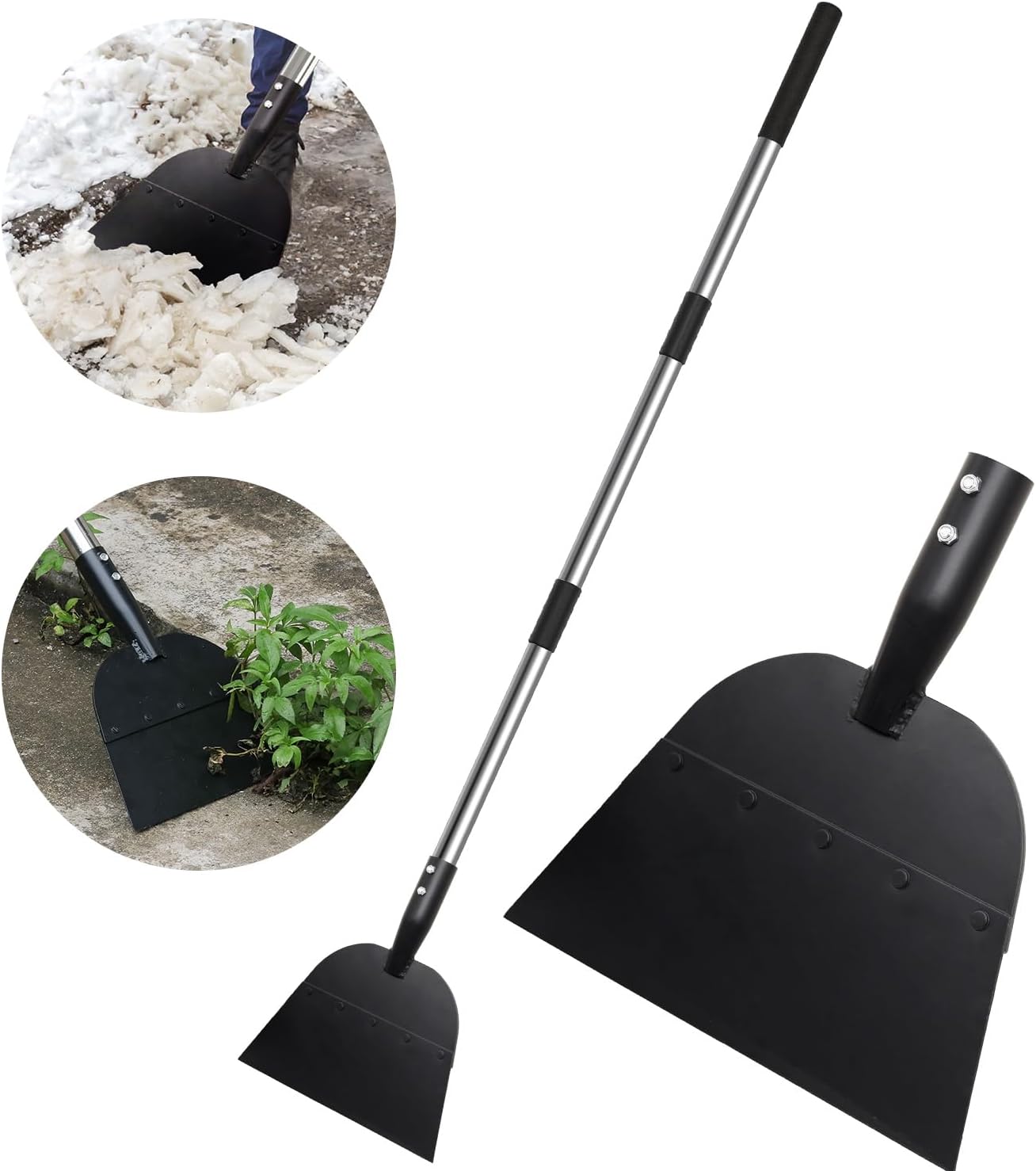
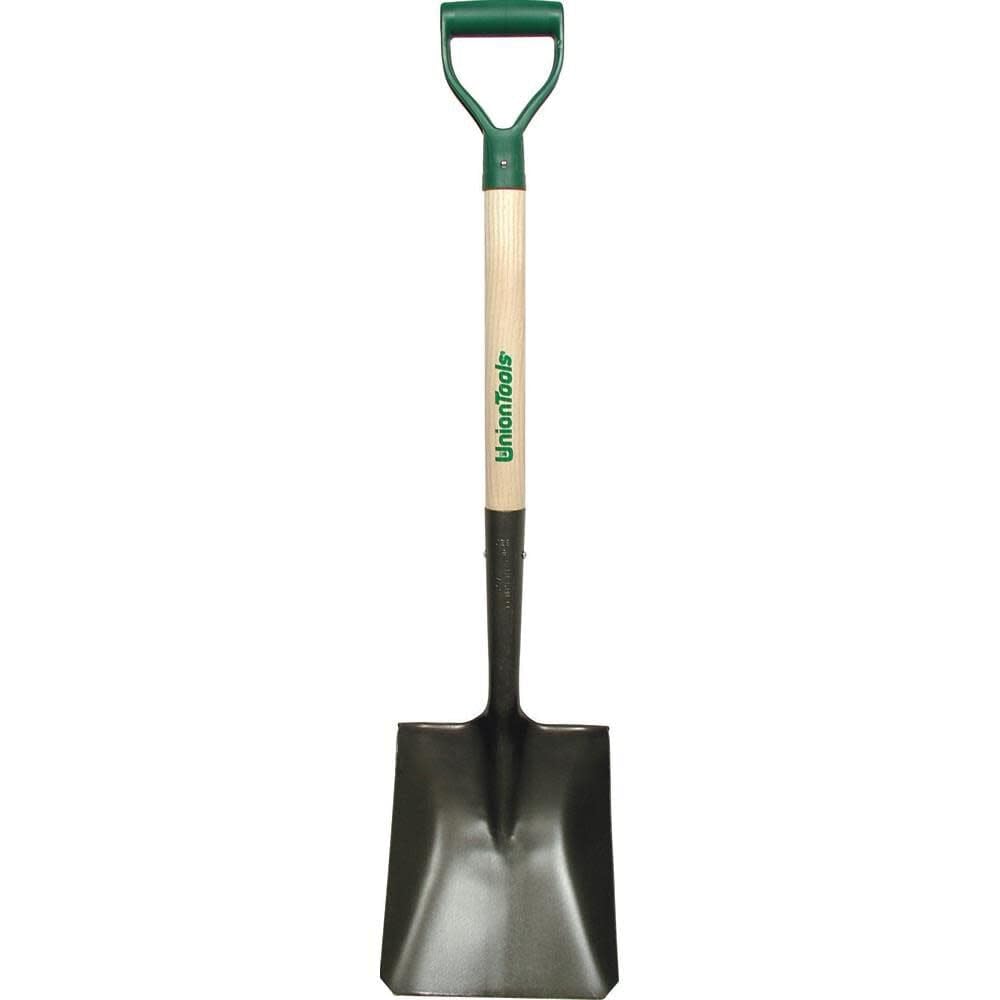
A square-point transfer shovel with a wide, flat steel blade is generally the best shovel for collecting loose debris from hard surfaces such as concrete driveways, asphalt paths, patios, and garage floors. Its straight front edge can scrape material from the ground and lift it into a wheelbarrow or trash container.
Keeping a driveway, patio, or sidewalk clean is a regular task for many American homeowners. Leaves, small stones, mulch, broken twigs, soil, and bits of construction waste can collect on these surfaces. A broom works well for light debris, but heavier material often needs a sturdy shovel.
The right shovel makes this job much easier. A round-point digging shovel can leave small piles behind because its curved tip does not sit flat against the ground. A square-point transfer shovel has a straight cutting edge that can slide beneath loose material. This makes it a practical choice for scraping and collecting debris without digging into the surface.
The best choice still depends on what you need to move. Dry leaves and wood chips need a different blade from wet gravel or broken masonry. Handle length, blade width, weight, and material also affect comfort and control. This guide explains how to choose the right tool for common cleanup jobs around American homes.
Why Is a Square-Point Transfer Shovel the Best Choice?
A square-point transfer shovel is usually the most useful tool for collecting loose debris from a hard surface. It has a broad blade with a straight front edge. This shape lets the blade sit close to a flat floor or driveway, making it easier to scrape material into a pile and lift it.
Unlike a round-point shovel, a square-point model is designed more for moving material than breaking into the ground. Its flat edge spreads contact across the surface. This is useful when collecting loose dirt, gravel, sand, small stones, and other debris from concrete or asphalt.
The flat blade also helps when you need to move material into a wheelbarrow, bucket, or waste container. You can slide it under a shallow pile rather than trying to dig into the ground. This saves effort during routine cleanup.
Source: m.media-amazon.com
Straight front edge
The flat edge can slide under loose debris and scrape material from a smooth surface.
Wide blade
A broad blade collects more material with each pass, reducing the number of trips across a driveway or patio.
Strong construction
A suitable steel blade can handle gravel, compacted dirt, and many common cleanup materials.
Easy material transfer
The blade shape works well for moving collected debris into a wheelbarrow or disposal container.
How the Flat Edge Helps on Concrete and Asphalt
A hard surface does not allow the shovel to sink into the ground. This is why the front edge matters so much. A straight blade can travel along the surface and catch loose particles instead of pushing them forward.
For example, imagine a small pile of dry soil on a concrete driveway. A round-point shovel may collect most of the pile but leave a thin line near its curved tip. A square-point shovel can get closer to the surface across a wider section of the blade.
Do not use a shovel as a substitute for a scraper when material is firmly stuck to the ground. Dried cement, paint, adhesive, and hardened mud may need a separate scraper or a cleaning method suited to that material.
When a Square-Point Shovel Is Not Enough
A square-point shovel is not ideal for every cleanup task. Large amounts of leaves, pine needles, or lightweight mulch may be easier to move with a deep scoop shovel or a wide plastic snow shovel.
Fine dust and tiny particles can also escape around the blade. For these materials, sweep them into a compact pile first. Then use a dustpan or a suitable flat scoop to collect the remaining material.
Different Types of Shovels for Collecting Debris
Several shovel designs can collect debris, but their blades serve different purposes. The best option depends on whether the material is fine, bulky, heavy, wet, or mixed with sharp pieces. Understanding these differences helps prevent wasted effort and unnecessary wear on the tool.
The square-point transfer shovel is the strongest general-purpose option for hard surfaces. A scoop shovel offers more capacity for light, bulky debris, while a flat garden spade can help with smaller, more controlled cleanup jobs.
Source: m.media-amazon.com
Square-point transfer shovel
Best for loose gravel, sand, soil, small stones, and general debris on concrete or asphalt. Its straight edge is useful for scraping.
Scoop shovel
Best for leaves, wood chips, mulch, snow, and other loose materials that need a deeper carrying area.
Round-point shovel
Best for digging into soil, breaking through compacted ground, and lifting material from soft surfaces. It is less suited to flat scraping.
Flat garden spade
Useful for small cleanup areas, cutting sod, and lifting thin layers of material, but its narrower blade may collect less debris per pass.
Square-Point Transfer Shovel
The square-point transfer shovel has a broad, relatively flat blade and a straight front edge. It is designed to move loose material from one place to another. This makes it a natural fit for cleaning up gravel, dirt, and small construction debris from a driveway or walkway.
Some models have slightly raised sides that help keep material on the blade. A steel version is useful for heavier debris, although it can feel tiring during long jobs. Check the blade thickness, handle connection, and grip before buying.
Scoop Shovel
A scoop shovel has a deeper blade with raised sides. It can carry a larger volume of loose material than many flat transfer shovels. This design is useful for moving dry leaves, mulch, wood chips, and similar debris.
Some scoop shovels use aluminum to reduce tool weight. Others use steel for more demanding loads. The deeper shape is useful for carrying material, but the curved front may not scrape a hard floor as closely as a flat square-point blade.
Round-Point Digging Shovel
A round-point shovel has a curved or pointed blade that helps it enter soil. It is useful for digging, lifting roots, and moving material from garden beds. It is not the first choice for sweeping loose debris off a concrete surface.
If your cleanup job includes both digging and collecting, keeping a round-point shovel and a square-point transfer shovel can save time. Each tool does a different job.
How to Choose the Right Blade Material
Blade material affects shovel weight, strength, wear, and ease of use. Steel, aluminum, and plastic are common choices. None is best for every type of debris, so match the material to the load and the surface.
For mixed yard waste and general driveway cleanup, a sturdy steel transfer shovel is a practical choice. If you mostly move light leaves or snow, a lighter aluminum or plastic scoop may be more comfortable.
Source: m.media-amazon.com
Steel
A strong option for gravel, stones, compacted dirt, and heavier debris. It is durable but can be heavier than other materials.
Aluminum
Often lighter than steel and useful for loose, bulky material. It may be less suitable for rough work that can bend or damage a thin blade.
Plastic
Useful for lightweight cleanup, snow, and delicate surfaces. It is not the best choice for sharp rubble or heavy stone.
Is a Steel Shovel Best for Heavy Debris?
Steel is generally the better choice when debris includes small rocks, gravel, broken brick, or other abrasive material. A suitable steel blade can withstand contact with rough debris and repeated scraping better than many lightweight plastic designs.
However, a heavy steel shovel adds weight to every movement. If you are cleaning a large area, choose a manageable blade size rather than buying the heaviest tool available. A strong shovel should still be comfortable to control.
When Should You Choose Aluminum or Plastic?
Aluminum can be useful when the debris is light but bulky. It is often chosen for snow, leaves, and loose material because the blade can be easier to lift. Check its construction before using it on heavy stone or sharp waste.
Plastic works well for light cleanup and may be a sensible choice on surfaces where you want to avoid metal contact. Its limits matter, though. Sharp glass, jagged masonry, and heavy rubble can crack or damage some plastic blades.
Important Features to Check Before Buying
The blade shape is the main feature to consider, but the handle, grip, blade width, and connection also affect performance. A shovel that is too heavy or too short can make a simple cleanup job uncomfortable.
Think about the type of debris you collect most often. A homeowner who clears a small patio may need a lighter tool than someone who regularly moves gravel, broken concrete, or renovation waste.
Source: m.media-amazon.com
Blade width
A wider blade covers more ground and can collect larger piles. A narrower blade offers better control in tight spaces.
Blade depth
A deeper blade carries bulky debris more easily, while a flatter blade is often better for scraping a hard surface.
Handle length
A longer handle can reduce the need to bend, while a shorter handle may offer better control in confined spaces.
Grip design
A comfortable D-grip can help with control when lifting or transferring material.
Blade and handle joint
Look for a firm connection with no movement, cracks, or visible damage.
Choose a Blade Width That Matches the Job
A wide shovel can collect more debris in one pass, but it also becomes harder to control when fully loaded. A smaller blade may be easier to use around steps, narrow paths, and corners.
For regular home cleanup, a medium-width square-point shovel is a useful balance. If you work with light leaves or mulch, a wider scoop may be more efficient. For dense gravel or wet soil, a smaller load can be easier to lift safely.
Pick a Comfortable Handle Length
Handle length affects your posture and reach. A long handle can help you scrape debris without bending as much. A short D-grip handle provides control when transferring material into a low bin or wheelbarrow.
A useful starting point is to stand upright with the shovel beside you and check whether the handle allows you to work without excessive bending or reaching. Your height, the cleanup area, and the type of movement all matter.
Inspect the Grip and Connection
A secure grip helps you guide the blade and control the load. Look for a handle that feels comfortable in your hands, even when wearing work gloves. Avoid handles with splinters, cracks, sharp edges, or loose fittings.
The connection between the blade and shaft should be firm. A loose joint can make the shovel unstable and may fail when you lift a heavy load.
Which Shovel Works Best for Different Types of Debris?
The material you collect should guide your shovel choice. Loose leaves are light and bulky, while wet soil and gravel are dense. Using the same shovel for every cleanup task can lead to extra work and poor control.
The following comparison gives a practical starting point for common cleanup jobs around homes, garages, gardens, and outdoor work areas.
Source: m.media-amazon.com
Best Shovel for Gravel and Small Stones
Choose a square-point steel transfer shovel for gravel and small stones on concrete or asphalt. The flat front edge helps collect material, while the steel blade can handle contact with abrasive particles.
Do not overload the blade. Gravel becomes heavy very quickly, especially when it is wet. Take smaller scoops and transfer them into a wheelbarrow or suitable container.
Best Shovel for Leaves and Wood Chips
A wide scoop shovel is often more useful for dry leaves and wood chips. Its deeper blade can hold bulky material without spilling it as easily. A lightweight plastic or aluminum design may reduce effort during a long cleanup.
For very light leaves, use a rake or push broom to make a compact pile first. Then collect the pile with the scoop shovel.
Best Shovel for Wet Soil and Mud
Wet soil sticks to tools and weighs more than dry soil. A sturdy square-point steel shovel can help collect it from a hard surface, but smaller loads are easier to control.
If the mud is thin or spread over a large area, a floor squeegee or scraper may work better before shoveling. This reduces the amount of material that needs to be lifted.
Best Shovel for Construction Debris
A strong square-point transfer shovel can collect loose sand, small stones, and pieces of masonry from a work area. A steel blade is usually more suitable than a thin plastic blade for this type of cleanup.
Large concrete pieces, sharp metal, nails, and heavy rubble should not be treated like ordinary loose debris. Use suitable gloves, eye protection, and appropriate lifting equipment. A shovel is not a safe substitute for a cart or mechanical aid when loads are too heavy.
Best Shovel for Fine Dust and Small Particles
A shovel is rarely the best first tool for fine dust. A broom and dustpan or an industrial vacuum suited to the material can collect fine particles more effectively.
Avoid dry sweeping or shoveling hazardous dust, such as suspected asbestos, lead-containing dust, or unknown chemical residue. Stop work and use qualified cleanup guidance when the material may be hazardous.
How to Collect Debris from a Hard Surface
The right technique helps you collect debris with less effort and reduces the chance of damaging the surface. Start by identifying the material, clearing hazards, and choosing a shovel that can handle the load.
For a typical driveway or patio cleanup, a broom, square-point shovel, wheelbarrow, and work gloves are useful. Add eye protection when debris may contain sharp fragments or dust.
Source: m.media-amazon.com
Step 1: Inspect the area
Look for glass, nails, sharp metal, wet patches, and other hazards before moving debris.
Step 2: Separate the material
Keep leaves, soil, gravel, and sharp waste apart when possible. This helps you select the right tool and disposal method.
Step 3: Sweep loose debris together
Use a push broom to form a manageable pile instead of trying to shovel scattered material.
Step 4: Slide the blade under the pile
Keep the flat edge close to the ground and move it forward gently to collect the material.
Step 5: Lift a manageable load
Keep the load close to your body and avoid filling the blade beyond what you can control.
Step 6: Transfer the debris
Place the material into a wheelbarrow, bucket, or suitable waste container.
Step 7: Check the surface
Sweep or scrape away the remaining loose particles and inspect the area for sharp objects.
Use a Broom Before the Shovel
A broom can do much of the work before you pick up the shovel. Sweep scattered leaves, sand, and small pieces into a compact pile. This makes it easier to collect the material in fewer passes.
Use a stiff outdoor push broom for gravel and coarse dirt. A softer broom may be better for fine dust on a smooth patio. Avoid sweeping material that may contain hazardous dust.
Keep the Shovel Close to Your Body
Bending forward and reaching too far can place extra strain on your back and shoulders. Stand close to the pile, keep your feet stable, and use your legs and body to help guide the movement.
When moving debris to one side, turn your feet and body rather than twisting your waist while holding a loaded shovel. If the material is heavy, reduce the amount on the blade or use a cart.
Know When to Stop
Stop if the shovel feels unstable, the load is difficult to lift, or you need to twist sharply to move it. A smaller load is often faster and easier than struggling with one large scoop.
If debris contains unknown chemicals, sharp waste, or potentially harmful dust, do not continue with ordinary household cleanup methods. Identify the material and follow the appropriate safety guidance.
Common Mistakes to Avoid When Choosing a Debris Shovel
A shovel can look strong in a product photo but still be unsuitable for your cleanup task. The most common buying mistakes involve choosing the wrong blade shape, ignoring tool weight, and expecting one shovel to handle every material.
A little attention before buying can prevent discomfort and reduce the chance of damaging the tool or the surface.
Source: m.media-amazon.com
Buying a round-point shovel for flat scraping
Its curved tip is made for digging and may leave a thin layer of debris behind on smooth concrete.
Choosing the widest blade available
A very wide blade can become difficult to control when filled with wet soil, gravel, or heavy debris.
Using thin plastic for sharp rubble
Sharp stones, metal fragments, and masonry can damage a blade that is designed for lightweight cleanup.
Ignoring handle comfort
A handle that is too short or awkward can force you to bend or reach too far.
Overloading the shovel
Large loads increase strain and make it harder to keep the material balanced.
Using a shovel on stuck material
Hardened cement, paint, and adhesive often need a suitable scraper or other removal method.
Do Not Confuse a Digging Shovel with a Transfer Shovel
These tools may look similar, but their shapes serve different purposes. A round-point shovel is made to enter soil, while a square-point transfer shovel is designed to move loose material.
If your main task is collecting debris from a driveway or garage floor, the transfer shovel is usually the more useful option. Choose a digging shovel only when the job also requires breaking into soil.
Do Not Ignore Surface Protection
Metal blades can scrape or mark some finished surfaces if used carelessly. If you are working on decorative pavers, coated concrete, or another surface that may scratch, test the tool in a hidden area first.
For delicate surfaces, consider a suitable plastic scoop or a broom and dustpan. The correct tool should remove debris without causing unnecessary surface damage.
How to Maintain a Shovel Used for Debris Collection
Basic care helps a shovel remain useful and makes it easier to handle during future cleanup jobs. Dirt, moisture, and abrasive material can wear down the blade and handle connection over time.
Clean the shovel after use, inspect it for damage, and store it in a dry place. These simple steps help prevent rust, loose fittings, and unexpected tool failure.
Source: d3k4u3gtk285db.cloudfront.net
Remove dirt after each job
Use a brush or cloth to remove mud, grit, and debris from the blade.
Dry the blade
Wipe away moisture before storage, especially on steel blades.
Check the handle
Look for cracks, splinters, bending, and loose connections.
Inspect the blade edge
Check for bends, deep damage, and sharp burrs that could affect safe use.
Store it securely
Keep the shovel in a dry storage area where the blade and handle will not create a tripping or injury hazard.
Prevent Rust on Steel Blades
Steel blades can develop rust when moisture remains on the surface. After cleaning, dry the blade fully and store it away from standing water. A light protective oil film may help protect an ordinary carbon-steel blade when appropriate for the manufacturer’s care instructions.
If rust becomes severe or the blade develops deep pits, cracks, or structural damage, replace the shovel rather than relying on a weakened tool.
Check for Loose or Damaged Parts
A loose blade connection can make the shovel difficult to control. Check the socket, fasteners, shaft, and grip before demanding work. Stop using a shovel with a cracked handle or a blade that moves unexpectedly.
Follow the manufacturer’s repair guidance when replacement parts are available. Do not rely on a temporary repair for a tool used to lift heavy or sharp debris.
Frequently Asked Questions
Q
What is the best shovel for cleaning a concrete driveway?
A square-point transfer shovel with a straight steel blade is a good general choice for collecting loose dirt, gravel, and small stones from a concrete driveway. Its flat edge can slide beneath debris more closely than a rounded digging blade.
For leaves and lightweight material, a wide scoop shovel may be easier to use. A push broom is often the better first tool for scattered debris.
Q
Is a flat shovel better than a round shovel for debris?
Yes, a flat square-point shovel is generally better for collecting loose debris from a hard surface. Its straight edge helps scrape material from the ground and lift it into a container.
A round-point shovel is better for digging into soil and breaking through compacted ground. The right choice depends on whether you need to scrape or dig.
Q
Can I use a snow shovel to collect yard debris?
Yes. A suitable snow shovel can collect light yard debris such as dry leaves, small twigs, and loose mulch. Its wide blade can move bulky material across a driveway or patio.
However, many snow shovels are not designed for heavy gravel, sharp masonry, or dense wet soil. Use a sturdy transfer shovel for those materials.
Q
Should I choose a steel or aluminum shovel for debris?
Choose steel when you regularly collect gravel, stones, and heavier debris. It is generally better suited to demanding scraping and transfer work, although it adds more weight.
Aluminum is useful for lighter materials and may be easier to handle during long cleanup jobs. Check the blade thickness and manufacturer’s intended use before moving heavy loads.
Q
What is the difference between a transfer shovel and a scoop shovel?
A transfer shovel usually has a flatter, straighter blade that is useful for scraping and moving loose material. A scoop shovel has a deeper blade with raised sides that can carry more bulky material.
Choose a transfer shovel for gravel, sand, and debris on hard surfaces. Choose a scoop shovel for leaves, mulch, wood chips, and similar loose materials.
Q
Can a shovel remove dried cement from concrete?
A regular transfer shovel is not the best tool for removing hardened cement. Its blade may fail to lift the material and can scratch or damage the surface.
Use a suitable concrete scraper or a removal method designed for the specific cement residue. Follow the product instructions and protect yourself from flying chips and dust.
✦ Wrapping Up
Conclusion
A square-point transfer shovel is generally the best shovel for collecting loose debris from hard surfaces. Its wide blade and straight front edge make it useful for scraping gravel, sand, dirt, and small pieces of yard or construction waste from concrete and asphalt.
The right blade material and size depend on the job. Steel is a practical choice for heavier debris, while aluminum and plastic can be useful for lighter materials. A deep scoop shovel may also be better when you need to move bulky leaves or mulch.
Before buying, consider the surface, debris type, blade width, handle length, and total tool weight. A shovel that matches your regular cleanup work will be easier to control and more useful over time.
💡 Key Takeaway
For most driveway, patio, sidewalk, and garage cleanup jobs, start with a medium-width square-point steel transfer shovel with a straight front edge and a comfortable handle. Pair it with a push broom for scattered debris and use a wheelbarrow for heavier loads.
I enjoy sharing simple gardening ideas, lawn care tips, and honest product reviews that help make outdoor work easier. From home gardening guides to helpful tools and lawn care advice, I write easy-to-follow content to help readers create a healthier and better-looking outdoor space without wasting time or money.