As an Amazon Associate, I earn from qualifying purchases.
The best small garden ideas with outdoor lighting use a few well-placed lights to brighten paths, highlight plants, and make seating areas feel warm and inviting. String lights, solar stakes, wall lights, and small LED spotlights can add charm without taking up valuable garden space.
A small backyard in the United States can serve many purposes. It may be a quiet spot beside a suburban home, a narrow side yard, or a compact patio behind an apartment. Once the sun goes down, the right outdoor lighting can make these spaces feel more open, useful, and welcoming.
You do not need a large budget or a complex lighting plan. Start with the areas you use most, such as a garden path, a small table, or a favorite flower bed. Then add soft light to one or two features that deserve attention.
The key is balance. Too many bright fixtures can make a small garden feel crowded and harsh. A mix of gentle light and natural shadow creates a calmer space while helping people see where they walk and sit.
This guide covers practical lighting layouts, fixture choices, power options, and safety tips for small American gardens. It also explains how to avoid glare, reduce wasted light, and choose a setup that suits your space and daily needs.
1. Add Warm String Lights Above a Small Seating Area
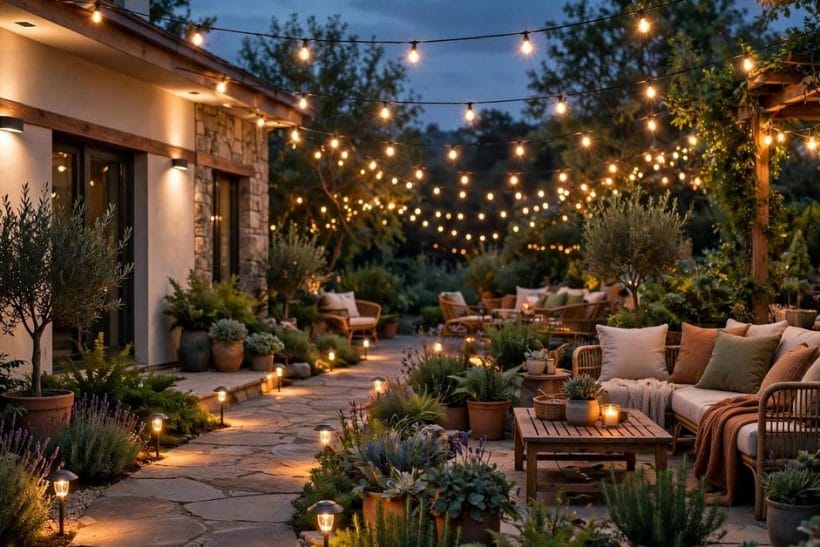
String lights are one of the easiest ways to brighten a small garden. They create a soft glow above a table, bench, or compact patio without using floor space. This makes them useful when every inch of the yard matters.
You can hang them between a house wall and a fence, across a pergola, or along a strong outdoor support. A simple layout often looks better than a web of wires. Keep the lights high enough to avoid contact with people as they move around.
Choose outdoor-rated LED string lights with a warm color. If you have a small garden, a short strand may be enough to define the seating area. Look for a product with a suitable outdoor rating and follow its mounting instructions.
Source: landscapegardeneredinburgh.com
Across a patio
Run one neat strand above a small table to create a cozy place for evening meals.
Along a fence
Attach lights to approved hooks or supports to add a gentle glow without using garden bed space.
Around a pergola
Follow the frame with a simple line of lights to make the structure stand out after sunset.
How to Hang String Lights in a Small Garden
First, decide where people will sit and walk. Mark the support points before you buy lights. Check that the mounting surface can hold the weight and tension of the strand.
Use outdoor-rated hooks and supports made for the surface. Do not stretch a light strand tightly or let it rest on sharp edges. Keep plugs and connections away from standing water, and use only the extension cords or power supplies allowed by the product maker.
Keep the layout simple
One straight run or a gentle V shape is often enough for a compact space.
Check the support
Use a suitable post, wall anchor, or pergola beam rather than a weak plant stem.
2. Line Garden Paths With Small Solar Lights
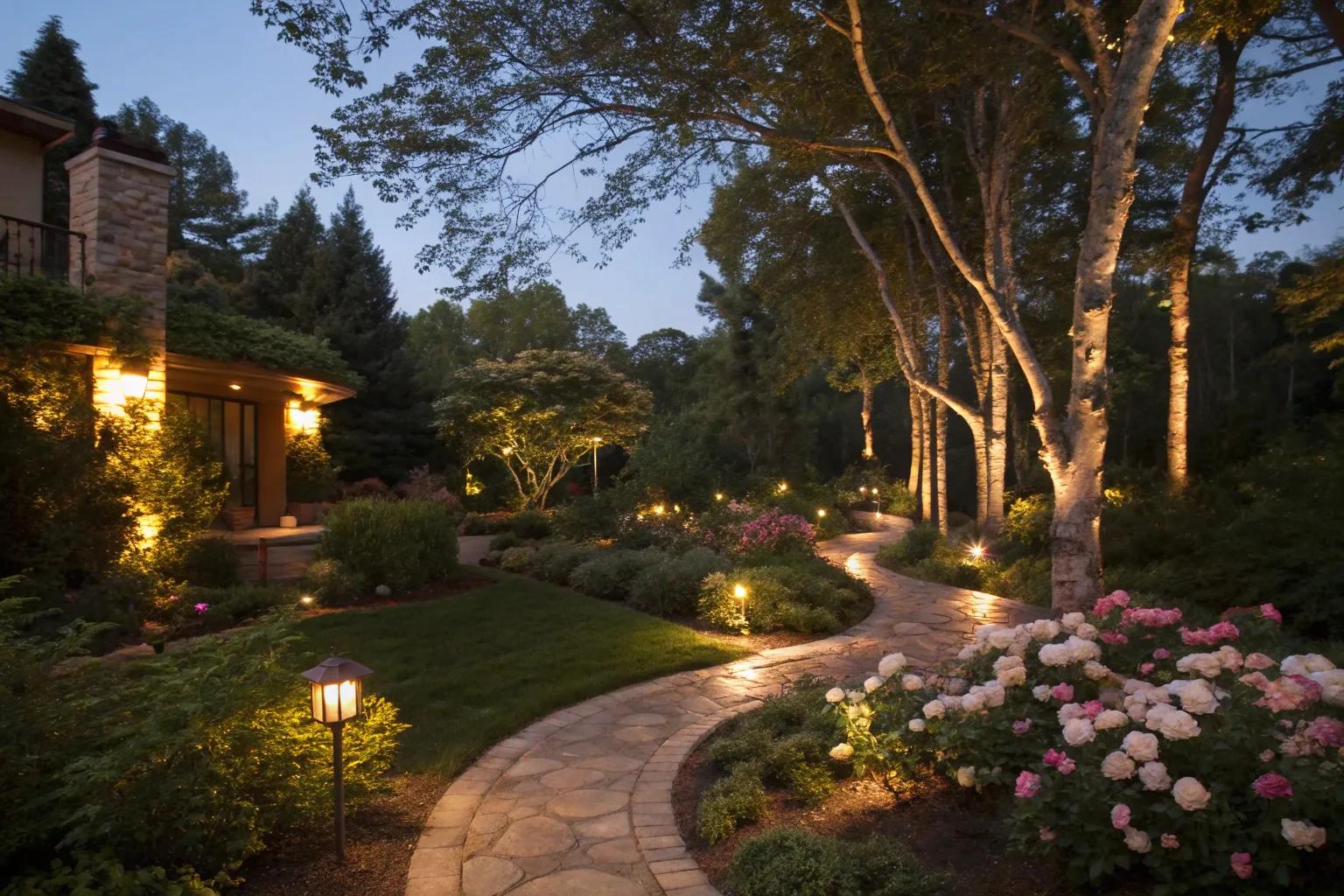
Small solar path lights can make a narrow garden walkway easier to see at night. They also create a clear visual line through the space. Place them along the edges of a path instead of spreading them across the whole garden.
Solar lights collect energy from daylight and use it after dark. This means you do not need to run a power cable to each light. Their performance depends on the amount of sun they receive, the battery, the panel condition, and the product design.
For a balanced look, use a few lights at key points such as path bends, steps, and changes in level. Avoid placing every light in a perfectly straight line if the path is narrow. A staggered layout can look more natural and reduce visual clutter.
Source: alcoholconcern.org.uk
Along stepping stones
Place small lights near the outer edges so the stones remain easy to see.
Beside a curved path
Use a few fixtures at bends to show the route without making the garden look like a runway.
Near steps
Add suitable step lighting where a change in height could cause someone to trip.
Where Solar Path Lights Work Best
Choose a spot that receives enough direct daylight for the solar panel to charge. A path under dense trees or beside a tall wall may not get enough sun. In those areas, consider a wired low-voltage system or a rechargeable light that can be moved for charging.
Before installing the lights, test their position after dark. Make sure the light helps people see the walking surface and does not shine into their eyes. Move any fixture that creates glare.
Sunny path edges
These spots are often suitable for solar lights because the panels can receive daylight.
Shaded corners
Use another power option if nearby trees or buildings block most of the sun.
3. Highlight Trees, Shrubs, and Favorite Plants With LED Spotlights
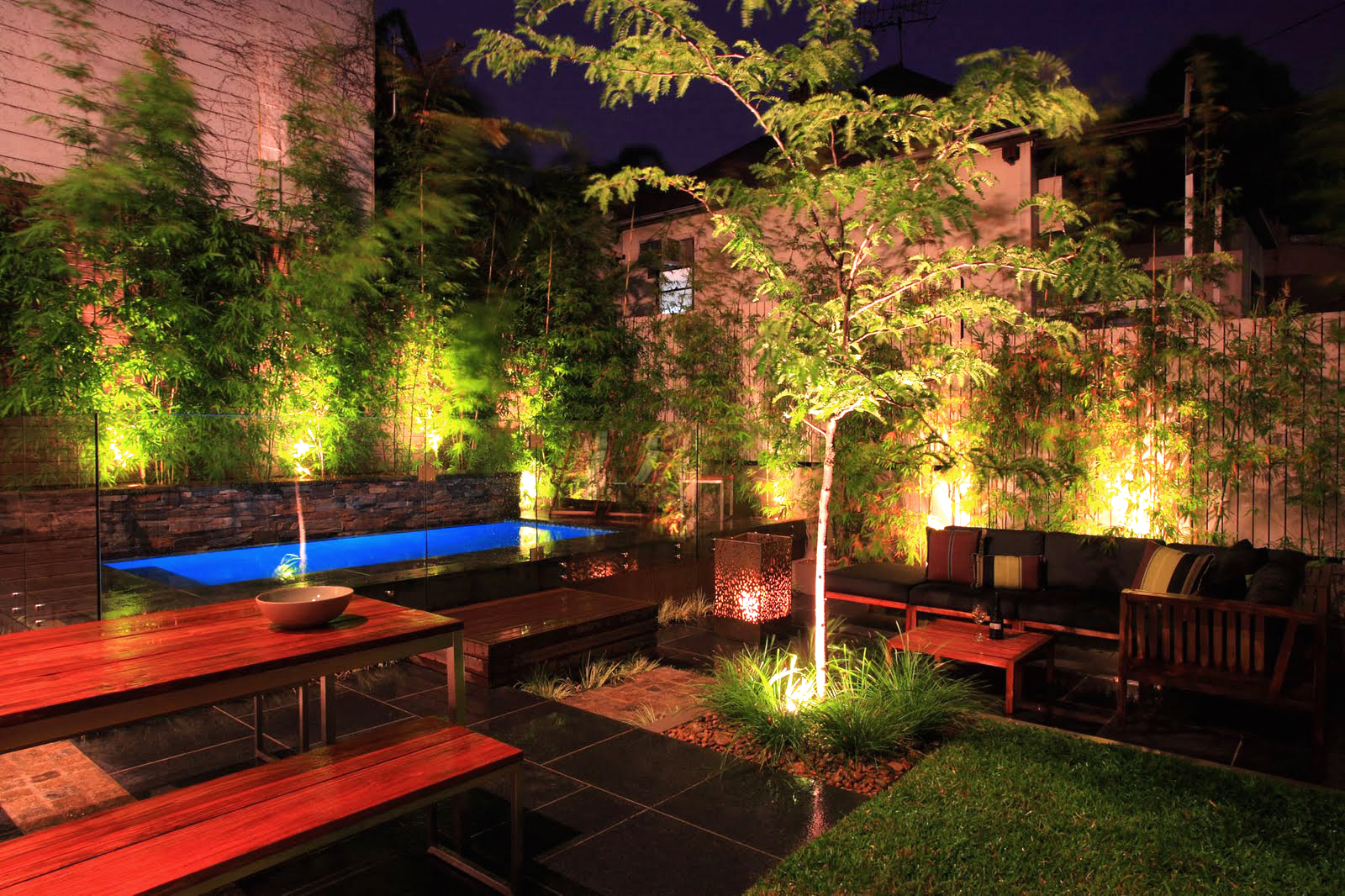
A small LED spotlight can turn one attractive plant into a focal point after dark. This works well with a Japanese maple, a small ornamental tree, a large fern, or a tall flowering shrub. You only need to light one or two plants to create depth.
Place the fixture near the base of the plant and aim the beam toward the trunk or foliage. A narrow beam can highlight a slim tree, while a wider beam can cover a broad shrub. The right beam depends on the size and shape of the plant.
Avoid aiming a bright light straight into a window or toward a neighbor’s yard. A shielded fixture can help keep the beam on the plant. You can also use a low output or dimmable light to keep the effect gentle.
Source: lightinggardenguides.blogspot.com
Small ornamental tree
Use a soft upward beam to show the trunk and lower branches.
Flowering shrub
Aim a wider beam across the leaves and blooms without lighting the whole bed.
Tall grass or fern
Place a low light nearby to reveal leaf shape and texture.
Choose the Right Spotlight Position
Set the spotlight a short distance from the plant and test the beam at night. Move it closer for a stronger effect or farther away for a wider wash. The plant should be the focus, not the bright bulb.
If the light creates hard shadows on a nearby wall, try changing the angle. A second low-output light from another direction may soften the effect, but many small gardens need only one fixture.
Hide the light source
Place the fixture behind a low plant or outside the main line of sight when possible.
Protect plant growth
Do not bend branches or crowd roots to fit a fixture into the bed.
4. Use Wall Lights to Brighten a Narrow Garden
Wall lights are useful when a small garden has little room for freestanding fixtures. A light on the house, garage, or garden wall can brighten a seating area and help people see nearby surfaces. It also keeps the floor and planting beds clear.
Choose a fixture that directs light down or across the wall rather than sending a strong beam into the sky. A shielded wall light can create a soft pool of light on a patio or along a narrow side yard. The wall itself can help spread light through the space.
For a compact garden, one well-placed wall light may do more than several small decorative fixtures. If the area is long, a second light may help remove dark spots. Keep the brightness suited to the task and avoid glare at eye level.
Source: storage.googleapis.com
Beside the back door
Add light where people enter the garden or step onto the patio.
Along a side passage
Use a downward-facing fixture to make a narrow route easier to follow.
Behind a bench
A softly lit wall can create a calm background for a small seating nook.
Pick an Outdoor-Rated Wall Fixture
Outdoor wall lights must be designed for the conditions where they will be installed. Check the product’s wet-location or damp-location rating, depending on its exposure. A covered porch and an open wall that receives rain may need different ratings.
For any new mains-powered fixture or wiring change, use a qualified electrician who can check the local electrical rules. Do not assume that a fixture is suitable for outdoor use just because it has a sealed-looking cover.
Covered areas
Choose a fixture rated for the level of moisture and exposure at the installation point.
Open garden walls
Select a fixture specifically approved for the rain and weather conditions it will face.
5. Create a Cozy Corner With Lanterns and Portable Lights
Portable lanterns are a simple way to add light to a tiny patio or garden nook. They can sit on a table, beside a bench, or near a group of outdoor pots. Since they do not need permanent mounting, you can move them when you change the layout.
Battery-powered and rechargeable LED lanterns are useful where there is no outdoor outlet. They also work well for renters who want to improve a small garden without drilling holes or changing wiring. Choose a model designed for outdoor use if it will stay outside.
For a soft setting, use one larger lantern as the main accent and a smaller light on a table or shelf. Avoid filling every surface with glowing objects. Leave enough dark space to keep the garden restful.
Source: alcoholconcern.org.uk
On a small bistro table
Place one compact lantern in the center to create a warm spot for an evening drink or meal.
Beside an outdoor bench
Set a portable light on a stable surface where it will not block the walking route.
Among garden pots
Use one low-glare lantern to give a container display a gentle evening glow.
Battery, Rechargeable, or Candle Lanterns?
Battery-powered LED lanterns are easy to use and do not need a nearby socket. Rechargeable models can reduce the need for disposable batteries, but they need a charging routine. Check battery life and weather protection before leaving a light outdoors.
Real candles can create a pleasant glow, but they bring an open-flame risk. Keep flames away from dry leaves, curtains, furniture, and other materials that can burn. Never leave a candle unattended, and use enclosed holders where suitable.
Rechargeable LED
A practical option for regular use when you can charge the light indoors.
Battery LED
Useful for occasional use and places without a power outlet.
Candle lantern
Best reserved for attended use in a stable, suitable holder away from anything that can catch fire.
6. Make a Small Garden Feel Bigger With Fence and Boundary Lighting
Soft lighting along a fence or garden boundary can make a compact yard feel deeper. It draws the eye toward the far edge and gives the space a clear outline after sunset. This works especially well in narrow backyards and enclosed courtyards.
You can use small shielded lights on fence posts, low-output wall washers, or carefully aimed fixtures near a boundary. A wall washer spreads light across a surface instead of creating a bright spot. This can make a plain fence feel like part of the garden design.
Keep the light directed onto your own boundary. Bright fixtures that shine over a fence may disturb neighbors and add unwanted glare. A few dim, well-aimed lights can create a better result than a continuous bright strip.
Source: alcoholconcern.org.uk
Low fence lights
Use small fixtures to outline a boundary without taking up planting space.
Soft wall washing
Aim a shielded light at a brick wall, timber fence, or textured surface.
Corner accents
Highlight one garden corner to add depth and guide the eye across the yard.
Use Light and Shadow to Add Depth
A small garden does not need to be bright from one end to the other. Keep the seating area visible, add a gentle glow to the boundary, and leave some planting areas in shadow. This creates layers that make the space feel less flat.
Reflective surfaces can also change how bright the garden looks. Pale walls, light paving, and metal surfaces may reflect more light than dark timber or dense foliage. Test the setup at night before adding more fixtures.
Light the far edge
A soft glow on a distant wall can make the garden seem more open.
Keep some areas dark
Natural shadow gives the eye a place to rest and limits excess light.
7. Add Subtle Lighting Around Raised Beds and Containers
Raised beds and container gardens can become attractive features at night with a small amount of light. A low fixture near the bed can reveal the shape of the plants and the edge of the path. This is useful when the garden has herbs, flowers, or compact vegetables near a patio.
Try placing a small shielded LED light beside a raised bed and aiming it across the foliage. You can also use a low-output light beneath a sturdy bench or along the outer edge of a planter. Keep fixtures clear of soil, irrigation lines, and areas where people work with garden tools.
Avoid placing bright lights directly over every plant. Many plants respond to light and dark cycles, and artificial light at night can affect wildlife as well. Keep decorative lighting limited and switch it off when the garden is not in use.
Source: sunjoyshop.com
Raised flower beds
Highlight the front edge of the bed so its shape remains visible after dark.
Herb containers
Use a gentle nearby light to show the container group without shining directly into every pot.
Vertical planters
Aim a low-output light across the wall or frame to reveal the planting layers.
Protect Plants and Garden Wildlife
Artificial light can change how some insects and other wildlife behave at night. The U.S. Department of Energy describes concerns linked to unnecessary, excessive, misdirected, and mistimed outdoor lighting. A useful garden plan should therefore light only the areas that need it.
Use a timer or switch to turn decorative lights off when you go indoors. Choose warm-colored lights where practical, and avoid aiming fixtures into trees or natural habitat areas for the whole night. The goal is to enjoy the garden without making the entire yard bright.
Limit operating time
Use a timer to turn off accent lighting after the garden is no longer in use.
Avoid needless brightness
Choose the lowest light level that serves the task.
How to Choose the Right Outdoor Lighting for a Small Garden
The best lighting depends on the garden layout, sunlight, power access, and the task each fixture needs to perform. A solar stake may suit a sunny path, while a rechargeable lantern may work better on a shaded patio. A low-voltage LED system can offer more control when you want permanent path or accent lighting.
Before buying anything, walk through the garden after sunset. Notice where you need to see the ground, where you sit, and which plants or features you want to highlight. This simple check helps prevent unnecessary purchases and keeps the plan focused.
Source: konzeptgarden.com
For a sunny garden
Solar path lights can work well where panels receive enough daylight.
For a shaded garden
Consider rechargeable lanterns or a suitable wired lighting system.
For a rented home
Portable battery lights and removable outdoor-rated fixtures can reduce permanent changes.
For regular evening use
A controlled low-voltage LED system may offer a more dependable fixed layout.
Solar, Battery, Plug-In, and Low-Voltage Lighting Compared
Each power type has a different balance of convenience, brightness, installation effort, and ongoing care. Solar products avoid a direct power connection at the fixture, but they need suitable daylight and battery maintenance. Plug-in and low-voltage systems depend on safe power access and correct outdoor installation.
The comparison below is a general guide, not a promise of performance for every product. Check the exact product instructions, operating time, weather rating, and replacement parts before buying.
Solar
Easy to place and does not need a cable to each fixture, but output and run time depend on charging conditions.
Battery or rechargeable
Flexible for small patios and rental spaces, but needs battery replacement or regular charging.
Plug-in
Useful for string lights and fixed decorative features where a suitable outdoor outlet is available.
Low-voltage LED
Useful for planned landscape layouts, but requires a compatible power unit and careful installation.
Choose a Warm Light Color
Color temperature describes whether a light looks warm or cool. It is measured in kelvin (K). Lower values usually look warmer and more yellow, while higher values tend to look cooler and whiter.
For a calm garden, warm white light is often a good starting point. The National Park Service identifies 2700 K as a warm option in its outdoor lighting guidance and notes that lower temperatures may suit sensitive settings. The right choice still depends on the task, the fixture, and the surrounding environment.
Warm white
Creates a softer look for seating areas, fences, and decorative garden features.
Neutral white
May suit practical areas where clear color detail is more important than a warm mood.
Cool white
Can appear harsh in a small garden and may create more visual glare.
Plan a Simple Lighting Layout Before You Install Anything
A basic plan helps you avoid too many fixtures and messy cables. Draw a quick outline of the garden, then mark the door, seating area, path, steps, plants, and power points. Decide which locations need useful light and which only need a decorative accent.
Start with the route people use most. Add light near steps and changes in level, then brighten the seating area. Finish with one or two plant or boundary accents if the space still needs depth.
Test portable lights in their planned positions before fixing anything in place. Look at the garden from the house and from the seating area. If a fixture shines into your eyes, move it or change its angle.
Source: togaze.com
Step 1: Mark key areas
Identify paths, steps, doors, seating, and garden features that need light.
Step 2: Choose the power source
Match solar, battery, plug-in, or low-voltage lighting to the site conditions.
Step 3: Test at night
Check brightness, glare, shadows, and visibility before permanent installation.
Step 4: Add controls
Use timers, dimmers, or motion sensors where suitable to limit operating time.
A Sample Layout for a Tiny Backyard
Imagine a small rectangular backyard with a back door, a narrow path, a two-seat patio, and a raised flower bed. The first light could be a suitable wall fixture near the door. Two or three low path lights could mark the route, while one short strand of string lights could define the seating area.
A small spotlight could then highlight one ornamental plant near the far fence. This layout uses different types of light for different tasks, but it does not require a fixture in every corner. The exact number and position should depend on the garden’s size, surfaces, and visibility needs.
Entrance
One suitable wall light near the door.
Path
A small number of low-glare lights at useful points.
Seating
One short strand of outdoor-rated string lights.
Garden feature
One shielded spotlight aimed at a plant or textured wall.
Outdoor Garden Lighting Safety and Maintenance
Outdoor lighting must be suitable for rain, moisture, and the conditions at its installation point. Check the manufacturer’s instructions and the fixture’s location rating before placing it outdoors. A product intended only for indoor use should never be used as a permanent garden light.
Electrical safety matters even with decorative lights. The U.S. Consumer Product Safety Commission advises that outdoor outlets should have GFCI protection and suitable weatherproof covers. For new wiring, mains-powered fixtures, or uncertain connections, use a qualified electrician and follow applicable local requirements.
Keep cords away from walking routes, mower paths, sharp edges, and standing water. Do not bury a cable unless the product and installation method are designed for that purpose. Inspect fixtures from time to time for cracks, loose fittings, damaged insulation, corrosion, or water entry.
Check outdoor ratings
Use products approved for the level of rain and moisture at the installation location.
Use GFCI protection
Make sure outdoor outlets have suitable ground-fault protection.
Keep connections dry
Use approved weatherproof covers and connectors as directed by the manufacturer.
Inspect cords and fixtures
Replace damaged products instead of covering or taping over unsafe defects.
Call a qualified electrician
Get professional help for new mains wiring, outdoor circuits, or any installation you are unsure how to complete safely.
Keep Garden Lights Working Well
Solar lights need occasional cleaning because dirt can block the panel and reduce charging. Wipe the panel with a soft damp cloth and check the battery according to the product instructions. If the light becomes dim, first check for shade, dirt, and battery wear.
For wired fixtures, turn off the power before carrying out any permitted cleaning or basic maintenance. Follow the product manual and do not open sealed electrical parts unless the manufacturer says that user servicing is allowed. Replace damaged seals or fixtures with approved parts.
Clean solar panels
Remove dust, leaves, and other debris that can block daylight.
Trim nearby growth
Keep plants from covering panels or blocking useful path lighting.
Check after storms
Look for shifted fixtures, damaged supports, and signs of water entry.
Common Outdoor Lighting Mistakes to Avoid
A small garden can lose its charm when every area has a bright light. The goal is not to remove all shadows but to make key spaces comfortable and easy to use. A few thoughtful choices usually create a cleaner result.
The most useful way to improve a poor layout is to switch it on at night and look at it from several angles. Check the path, the seating area, the house windows, and the view from neighboring spaces. Then adjust the lights before adding more.
Using too many fixtures
Too many lights can make a small yard look cluttered. Remove lights that do not serve a clear purpose.
Choosing harsh brightness
A very bright beam can create glare and strong shadows. Try a lower output or a shielded fixture.
Ignoring sunlight
Solar lights may fail to stay on if placed in deep shade. Move the panel to a sunnier spot or choose another power source.
Leaving cables across paths
Loose cables can cause trips and may be damaged by garden tools. Use an approved installation method that keeps routes clear.
Lighting every plant
Constant light across all beds can disturb the natural night setting. Highlight only a few features.
Forgetting the neighbors
Aim lights away from nearby windows and property lines to reduce unwanted glare.
What to Do When Garden Lighting Does Not Work
If a solar light does not turn on, check whether its switch is on, the panel is clean, and the light has received enough daylight. Move it away from shade and allow the battery to charge as directed. If it still fails, check whether the battery is replaceable and whether the product is damaged.
If a plug-in light stops working, disconnect it safely and inspect the cord and plug for visible damage. Do not use a product with exposed wires, cracked insulation, or signs of water entry. For a tripped GFCI or a recurring electrical fault, stop using the circuit and ask a qualified electrician to investigate.
Solar light stays dim
Clean the panel, check the sunlight, and inspect the battery if the manual allows it.
Light creates glare
Lower the brightness, change the angle, or add a suitable shield.
Wired light trips protection
Stop using the circuit and get professional help rather than repeatedly resetting it.
How Much Outdoor Lighting Does a Small Garden Need?
There is no fixed number of lights that suits every small garden. A compact courtyard may need only a wall light and a portable lantern, while a long narrow yard may need separate light for the entrance, path, and seating area. The correct number depends on the layout and the purpose of each fixture.
Think in terms of tasks rather than fixture counts. People should be able to find the door, see changes in level, and use the seating area comfortably. Decorative lights should add interest without competing with those needs.
A useful first plan is to choose one main light for the most-used area, then add only the smaller fixtures needed to solve a real visibility or design problem. This keeps costs, maintenance, and light spill under control.
Very small courtyard
Start with one wall light or portable lantern and add a single accent if needed.
Narrow side yard
Focus on the walking route and any steps or uneven surfaces.
Small backyard patio
Light the seating area first, then add a path or plant accent.
Small garden with raised beds
Keep the walking edges visible and use gentle light on one planting feature.
Frequently Asked Questions
Q
What is the best lighting for a small garden?
The best lighting depends on how you use the garden. Warm LED string lights suit a small seating area, solar path lights can mark a sunny walkway, and a shielded spotlight can highlight a favorite plant. A mix of two or three lighting types is often enough for a compact space.
Q
How can I light a small garden without electricity?
Use solar path lights, rechargeable lanterns, or battery-powered LED lights. Solar fixtures need suitable daylight to charge, while rechargeable lights need regular charging indoors. Choose outdoor-rated products if they will remain outside.
Q
Are solar lights good for small gardens?
Solar lights can work well in small gardens when their panels receive enough daylight. They are easy to place and do not need a cable to each fixture. However, shade, cloudy conditions, battery wear, and seasonal daylight changes can affect their output and run time.
Q
What color light looks best in a garden?
Warm white light is a popular choice for a calm garden setting. A color temperature around 2700 K can create a soft appearance for patios, paths, and planting features. Use the lowest practical brightness and direct the beam only where it is needed.
Q
How do I make a small garden look bigger with lighting?
Light a far wall, fence, or one attractive plant to draw the eye beyond the seating area. Use a few layers of light instead of brightening every corner. Leaving some areas in shadow can add depth and help the garden feel less crowded.
Q
Can outdoor string lights stay outside all year?
Only leave string lights outside if the manufacturer rates them for the weather and exposure they will face. Check the instructions for rain, wind, temperature, mounting, and storage. Inspect the strand and connections regularly, and take it down if it becomes damaged.
Q
How can I keep outdoor lights from disturbing neighbors?
Choose shielded fixtures, aim beams down, and keep brightness low. Avoid directing spotlights toward windows or across property lines. Timers and motion controls can also reduce the amount of time lights remain on.
✦ Wrapping Up
Conclusion
Small garden ideas withoutdoor lighting work best when each light has a clear purpose. String lights can define a seating area, solar stakes can mark a sunny path, and a small spotlight can bring attention to a favorite plant. Wall lights and portable lanterns are also useful when floor space is limited.
Start with the parts of the garden you use most. Choose fixtures that suit the weather and power access, keep the light warm and controlled, and test the layout after dark. You can create a cozy outdoor space without filling it with bright lights or expensive equipment.
A thoughtful lighting plan should also respect the night. Direct light where it is needed, use timers when practical, and leave some areas dark. This simple approach can make your garden more useful while reducing glare and unnecessary light.
💡 Key Takeaway
Tonight, walk through your garden after sunset and identify one path, one seating spot, and one feature that would benefit from light. Start with those areas, test a few outdoor-rated fixtures, and add more only when they serve a clear purpose.
I enjoy sharing simple gardening ideas, lawn care tips, and honest product reviews that help make outdoor work easier. From home gardening guides to helpful tools and lawn care advice, I write easy-to-follow content to help readers create a healthier and better-looking outdoor space without wasting time or money.