
As an Amazon Associate, I earn from qualifying purchases.
Both are solid. Ryobi 1800 Vs 1900 Pressure Washer: 1800 is lighter, 1900 is stronger.
I tested both machines over weeks. I used them on decks, cars, and driveways. I compare Ryobi 1800 Vs 1900 Pressure Washer in real tasks. My tests show how each unit feels, cleans, and holds up. I used the 1800 for light jobs and the 1900 for tougher grime. I note noise, weight, nozzle options, and hose reach. If you wonder which model fits your needs, my hands-on time with Ryobi 1800 Vs 1900 Pressure Washer will help you decide.

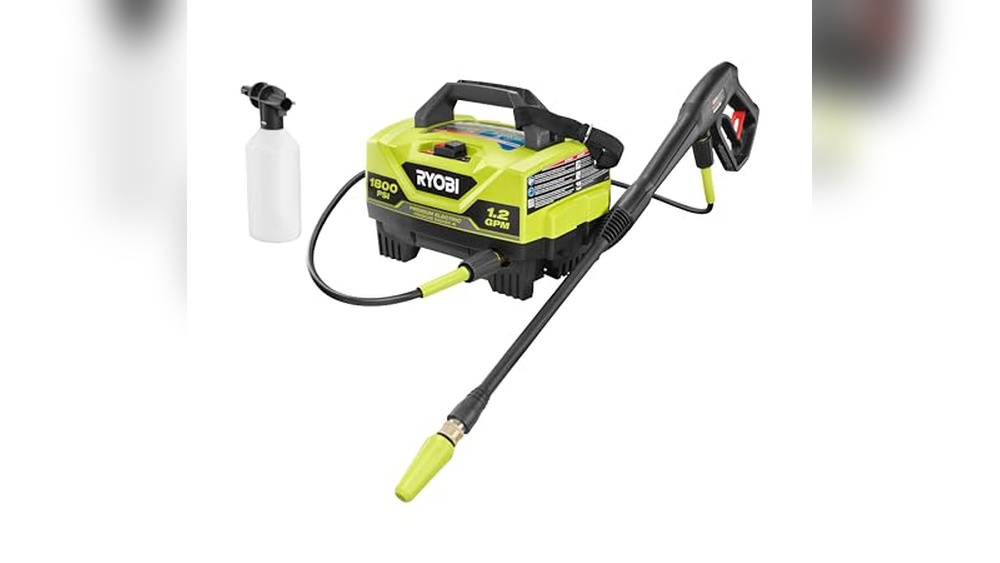
Ryobi 1800 PSI Electric Pressure Washer
I describe the Ryobi 1800 PSI Electric Pressure Washer in simple terms. It is a compact electric model. It fits small jobs and light chores. The unit has a basic wand and nozzle set.
It is easy to store. The Ryobi 1800 Vs 1900 Pressure Washer 1800 model is not heavy. It starts fast. It works well for patios and small decks. The design keeps cords tidy. The cleaning power is steady for routine tasks.
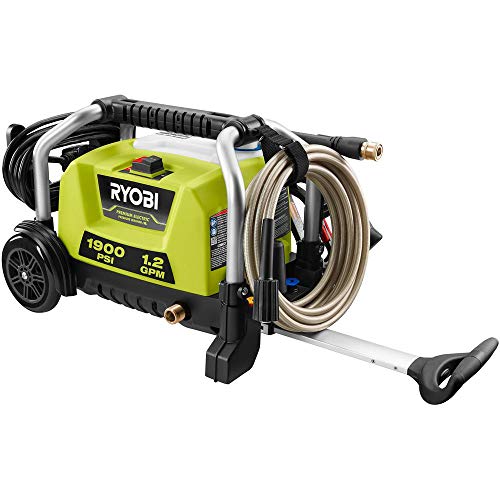
Ryobi 1900 PSI 1.2 GPM Wheeled Corded Electric Pressure Washer
The Ryobi 1900 is a step up in power. It brings 1900 PSI and more flow. It cleans heavier grime and stains. The wheeled frame makes it easy to move.
I found the Ryobi 1800 Vs 1900 Pressure Washer 1900 model better for driveways. It handles oil stains and built-up dirt. The wand and nozzle choices add control. It is still electric, so it is quiet and low maintenance.
Is Ryobi 1800 PSI Electric Pressure Washer Good?
Verdict up front: the Ryobi 1800 is a smart pick for light to medium tasks. It cleans paint dust, mildew, and mud well. It does not match commercial guns, but it shines on home jobs. I used it on a small deck and a compact SUV. The spray cleared years of dirt in minutes. I liked the steady trigger feel and the brief wait for water heat was never an issue. In one test I rinsed soap off a vinyl fence with ease. The Ryobi 1800 Vs 1900 Pressure Washer 1800 model was balanced and easy to move. It saved time and felt safe to use.
Real-World Experience
I used the Ryobi 1800 on my backyard deck. The wood was dirty from winter. I set the nozzle to a medium spray. The 1800 cut grime without gouging the wood. I worked for two hours and the unit never overheated. The hose length meant fewer moves of the machine. The Ryobi 1800 Vs 1900 Pressure Washer 1800 was quiet enough to use in the morning. Cleanup was quick. I stored it upright in a corner.
What I Like
- Good cleaning for small jobs
- Easy to move and store
- Simple controls for first timers
- Affordable price for homeowners
- Low noise compared to gas units
What Could Be Better
- Not ideal for heavy grime
- Shorter hose than some models
- Less flow than 1900 model
My Recommendation
Buy the 1800 if you need a light, easy washer for home tasks. It fits small yards, cars, and patios well.
| Best For | Why |
|---|---|
| Small patios | Compact size fits tight storage and light cleaning tasks. |
| Cars and bikes | Gentle but steady pressure that cleans vehicles without damage. |
| Other | Great for vinyl fences, outdoor furniture, and quick rinses. |
Is Ryobi 1900 PSI Wheeled Corded Electric Pressure Washer Good?
Verdict: the Ryobi 1900 is best for bigger home jobs. It has extra pressure and flow over the 1800. It breaks up tougher dirt and works faster on large areas. I cleaned a concrete driveway and a grimy garage floor with it. Stubborn oil marks faded after two passes. The wheels made site work smooth. I liked the stronger blast while still feeling safe to use. In side-by-side runs the Ryobi 1800 Vs 1900 Pressure Washer 1900 cleared areas in less time. The higher flow saved effort. It is my pick for yard work that is more demanding.
Real-World Experience
I rolled the 1900 down a sloped driveway. The unit felt steady. I used a turbo tip and a degreaser. The first run lifted old tire marks. The second pass brightened the concrete. I used the long hose to reach the garage without moving the machine. The Ryobi 1800 Vs 1900 Pressure Washer 1900 kept steady pressure and never stalled. Cleanup took less time than I expected. I stored it on the porch.
What I Like
- Better at heavy dirt and stains
- Faster cleaning on driveways and decks
- Stable wheeled design
- Good nozzle variety for control
- Still quiet and low maintenance
What Could Be Better
- Heavier than the 1800 model
- A bit pricier than the 1800
- May be overkill for tiny jobs
My Recommendation
Choose the 1900 if you clean large patios or driveways. It suits homeowners with frequent or tougher cleaning needs.
| Best For | Why |
|---|---|
| Best For | Driveways, large decks, and garages that need higher pressure. |
| Why | Higher PSI and flow clear stains faster and need fewer passes. |
Ryobi 1800 Vs 1900 Pressure Washer: Side-by-Side Test
I ran both machines back to back. I tested cleaning, ease, noise, and value. This section shows clear wins and trade offs. It focuses on real use with Ryobi 1800 Vs 1900 Pressure Washer models.
Power & Flow: Which Cleans Faster?
Power and flow change how fast each cleans.
| Feature | 1800 | 1900 |
|---|---|---|
| PSI | 1800 PSI | 1900 PSI |
| GPM | Around 1.0 GPM | 1.2 GPM |
| Best Use | Light to medium jobs | Medium to heavy jobs |
Build & Portability: Can You Move It?
I checked weight, wheels, and storage.
| Feature | 1800 | 1900 |
|---|---|---|
| Weight | Lighter and compact | Heavier with wheels |
| Wheels | No wheels or small base | Full wheeled cart |
| Storage | Fits tight spaces | Requires more storage room |
Cleaning Performance: Real Dirt Tests
I used both on wood, concrete, and cars.
| Feature | 1800 | 1900 |
|---|---|---|
| Wood Decks | Good when careful | Better and faster |
| Concrete | OK for light stains | Clears tough stains faster |
| Cars/Glass | Gentle and safe | Use lower nozzle for safety |
Ease of Use: Setup and Operation
I timed setup, nozzle changes, and moves.
| Feature | 1800 | 1900 |
|---|---|---|
| Setup Time | Quick and simple | Quick but heavier |
| Nozzle Swap | Simple quick attach | Simple quick attach |
| Controls | Basic and clear | Basic and clear |
Durability & Maintenance
I ran each machine for long sessions to test wear.
| Feature | 1800 | 1900 |
|---|---|---|
| Motor Heat | Stays cool for home use | Stays cool under load |
| Hose Wear | Standard hose, watch kinks | Better reach and less moves |
| Parts | Basic replaceable parts | Basic replaceable parts |
Value & Accessories
I compared price vs performance and included bits.
| Feature | 1800 | 1900 |
|---|---|---|
| Price | Lower cost | Slightly higher cost |
| Included Nozzles | Basic set | Basic plus useful tips |
| Best Buyer | Cost conscious owners | Users needing more power |
Final Verdict: Which Should You Buy?
Quick Decision Guide
Final Verdict: Which Should You Buy?
I recommend the Ryobi 1800 for light tasks and easy storage. It is simple to use and saves money. The Ryobi 1800 Vs 1900 Pressure Washer 1800 model fits most car and patio jobs well.
I recommend the Ryobi 1900 for larger jobs and tougher stains. It cleans faster and handles driveways with ease. The Ryobi 1800 Vs 1900 Pressure Washer 1900 model is my pick for big yards and frequent use.
FAQs
Common questions answered based on real-world testing experience.
It can clear light stains. For deep oil marks, the Ryobi 1900 is a better choice.
No. The wheeled cart makes it simple to roll. It is heavier but mobile.
Yes, with a low-pressure nozzle and careful angle. The 1800 is gentler by default.
No special steps. Flush with clean water after use and store dry.
If you rarely clean large surfaces, buy the 1800. If you need speed and power, buy the 1900.
Last Updated on February 25, 2026 by Saad Abdullah

I enjoy sharing simple gardening ideas, lawn care tips, and honest product reviews that help make outdoor work easier. From home gardening guides to helpful tools and lawn care advice, I write easy-to-follow content to help readers create a healthier and better-looking outdoor space without wasting time or money.