
As an Amazon Associate, I earn from qualifying purchases.
Is your Fiskars reel mower not cutting the grass like it used to? You’re not alone, and it can be really frustrating when your trusted mower stops working properly.
But don’t worry—this problem often has simple fixes that you can do yourself. You’ll discover why your Fiskars reel mower might be struggling and how to get it back to slicing through your lawn smoothly. Keep reading, and you’ll have your mower working perfectly again in no time.
Common Causes Of Dull Blades
Dull blades cause your Fiskars reel mower to cut poorly. Understanding common causes helps fix the problem quickly. Keeping blades sharp saves time and effort while mowing.
Blade Wear And Tear
Blade edges wear down with use. Grass, dirt, and small stones slowly dull the blades. Over time, cutting becomes uneven and less effective. Regular blade sharpening keeps your mower working well.
Debris Buildup
Grass clippings and dirt can stick to the blades. This buildup slows the blade movement and reduces cutting power. Cleaning the blades after each use prevents clogging and dullness.
Improper Storage
Leaving the mower outside can cause rust on the blades. Moisture and dirt damage the metal edges. Store your mower in a dry, clean place to protect the blades and keep them sharp longer.
Tools Needed For Sharpening
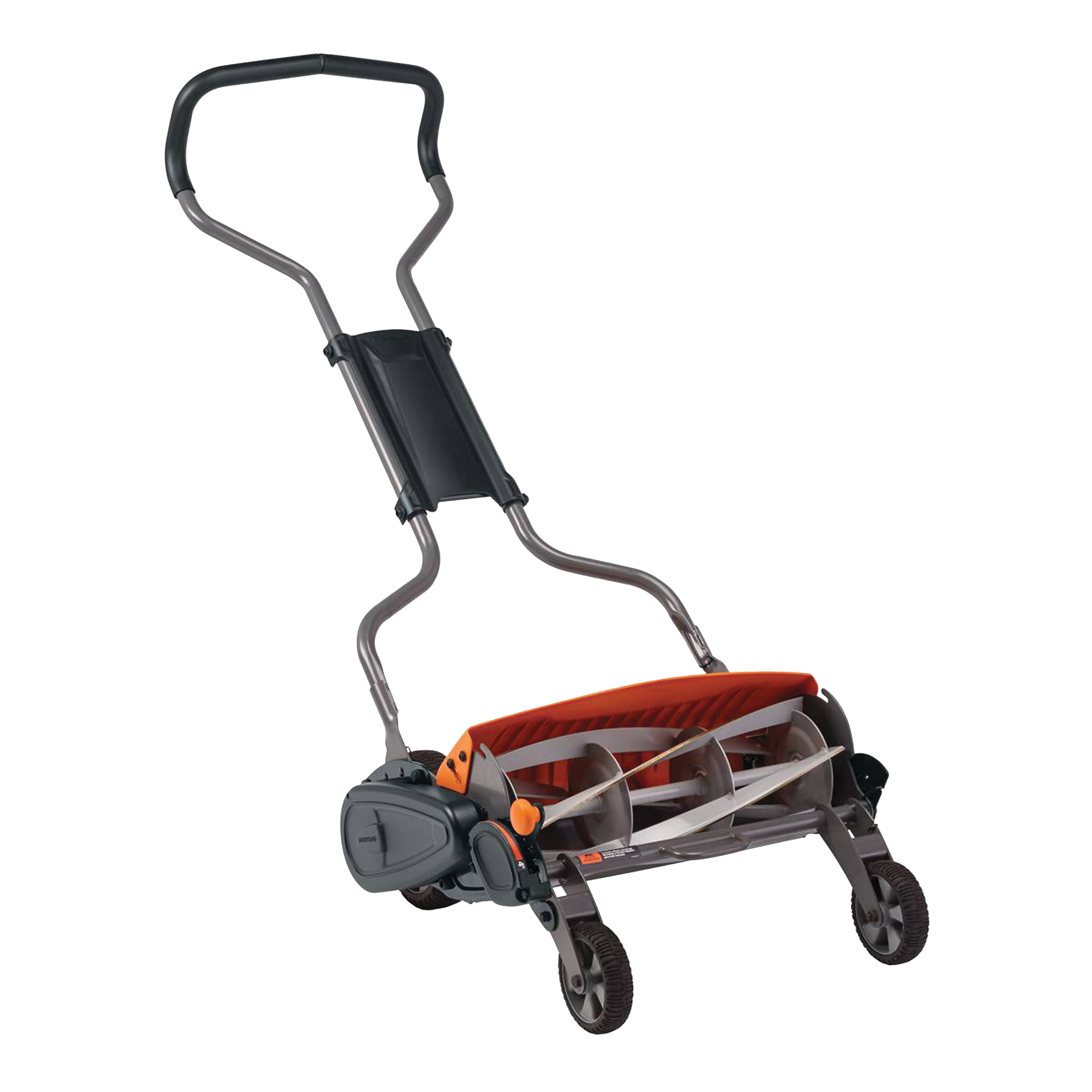
Keeping your Fiskars reel mower sharp is key to cutting grass cleanly. Sharp blades make mowing easier and help your lawn stay healthy. You need some basic tools to sharpen the blades properly. These tools help you remove rust, tighten screws, and grind the blades smooth. Here are the main tools you need for sharpening your reel mower.
Sharpening Stones
Sharpening stones are the main tool for grinding the mower blades. They come in different grit sizes for rough or fine sharpening. Use a medium grit stone to remove nicks and a fine grit stone to smooth the edge. Keep the stone wet during sharpening to avoid overheating the metal.
Screwdrivers And Wrenches
Screwdrivers and wrenches help you take apart the mower safely. You need them to loosen and tighten screws or bolts on the blade assembly. Using the right size tool prevents damage to the screws and helps keep the mower stable while you work.
Cleaning Supplies
Cleaning supplies prepare the blades for sharpening. Use a brush or cloth to remove dirt, grass, and rust. Mild soap and water work well for cleaning. Dry the blades fully to stop rust from forming after you sharpen them.
Step-by-step Sharpening Guide
Keeping your Fiskars reel mower blades sharp improves cutting performance. Dull blades tear grass instead of cutting it cleanly. This guide shows simple steps to sharpen the blades. Follow each step carefully for the best results. No special tools needed, just basic items found at home.
Disassembling The Mower
Start by removing the mower from the handle. Lay it flat on a sturdy surface. Use a wrench to loosen the blade screws. Carefully take off the blades. Keep screws safe for reassembly. Avoid touching sharp edges to prevent cuts.
Cleaning The Blades
Use a brush to remove dirt and grass clippings. Wipe blades with a damp cloth. For sticky residue, apply mild soap and water. Dry the blades completely before sharpening. Clean blades help sharpening tools work better.
Sharpening Technique
Use a flat file or sharpening stone. Hold the blade firmly and follow the angle of the cutting edge. Stroke the file along the blade, moving in one direction. Repeat several times until the edge feels sharp. Sharpen both sides evenly for balance.
Reassembling The Mower
Place the blades back onto the mower. Align holes and insert screws. Tighten screws securely with a wrench. Check that blades spin freely without wobbling. Your mower is ready to cut clean and smooth again.
Adjusting The Reel Mower
Adjusting the Fiskars reel mower is key to getting a clean cut. Over time, blades may shift or wear down. This can cause the mower to drag or not cut grass well. Simple adjustments often fix these issues and improve cutting performance.
Checking Blade Alignment
Start by checking the blade alignment. The blades should spin smoothly without rubbing. Look closely at the reel and bed knife. They need to line up evenly along their entire length. Use a flashlight if needed. Misaligned blades cause poor cutting and more effort.
Adjusting Blade Clearance
Blade clearance means the gap between the reel blades and bed knife. This gap must be very small for sharp cutting. Use a screwdriver to turn the adjustment screws on the mower. Turn slowly and check the blade contact. The blades should just touch without binding. Too wide or too tight gaps reduce cutting quality.
Testing Cutting Performance
After adjustments, test the mower on a patch of grass. Push it slowly to see how well it cuts. The mower should slice cleanly without pulling or tearing grass. If cutting is uneven, revisit alignment and clearance. Repeat the process until you get a smooth, even cut every time.
Maintenance Tips To Keep Blades Sharp
Keeping the Fiskars reel mower blades sharp is key to a clean cut. Sharp blades cut grass cleanly without tearing. This helps your lawn stay healthy and green. Regular maintenance saves you money and time. Simple steps can keep your mower working well for years.
Regular Cleaning
After each use, clean the blades carefully. Remove dirt, grass clippings, and sap. Use a brush or cloth to wipe them down. Dry the blades completely to stop rust. Clean blades stay sharper longer and cut better.
Proper Storage Practices
Store the mower in a dry place. Avoid damp areas that cause rust on blades. Hang it up or place it on a shelf. Keep it away from direct sunlight. Proper storage protects the blades and mower parts.
Routine Inspections
Check the blades often for nicks or dull spots. Look for loose screws or worn parts. Tighten or fix any issues right away. Sharp blades and a well-kept mower cut smoothly every time.
When To Replace Blades
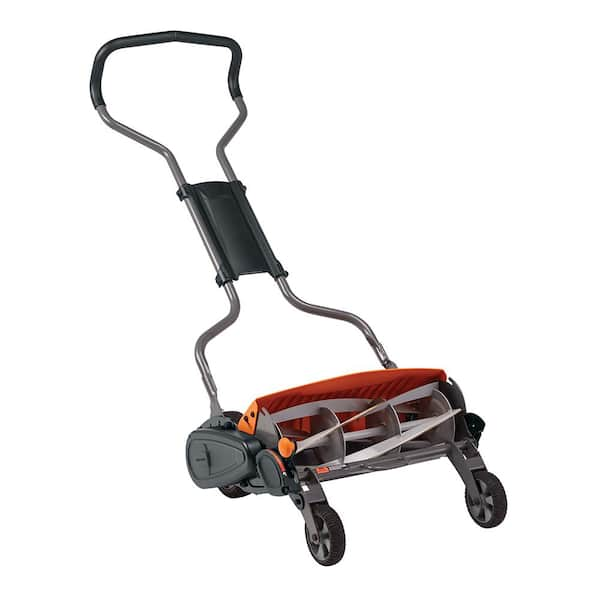
Knowing when to replace the blades on your Fiskars reel mower is key to keeping your lawn healthy. Sharp blades cut grass cleanly, helping it grow better. Dull or damaged blades tear grass, making your lawn look uneven and unhealthy. Regular checks can help you spot the right time to change blades.
Replacing blades at the right moment saves effort and keeps your mower working well. Below are signs to watch for and tips on choosing and installing new blades.
Signs Of Irreparable Damage
Blades with deep rust or cracks cannot be fixed. Bent or broken blades cause uneven cuts. If sharpening does not restore the blade edge, replacement is needed. Look for missing teeth or chips on the blades.
Blades that drag or stick during mowing also need replacement. These signs show the blade’s performance is too poor to fix.
Choosing Replacement Blades
Select blades made for your Fiskars reel mower model. Using the right size ensures proper fit and cutting. Look for high-quality steel blades for long life. Avoid cheap blades that wear out quickly.
Check product reviews and manufacturer recommendations. Matching blades to your mower type improves cutting efficiency and ease of use.
Installing New Blades
Turn off the mower and remove the old blades carefully. Use tools recommended by Fiskars to avoid damage. Align the new blades exactly as the old ones were set. Tighten bolts firmly but do not over-tighten.
Test the mower on a small patch of grass to check the cut. Adjust blade tension if needed for smooth operation. Regularly clean and maintain blades for longer use.

Frequently Asked Questions
Why Is My Fiskars Reel Mower Not Cutting Grass Well?
Dull blades or clogged grass can reduce cutting performance. Check and clean the blades regularly.
How Do I Sharpen Fiskars Reel Mower Blades?
Use a sharpening kit or fine file. Move blades carefully along the cutting edges.
Can Blade Alignment Affect Fiskars Reel Mower Cutting?
Yes, misaligned blades stop proper cutting. Adjust the blade gap for better results.
What Maintenance Keeps Fiskars Reel Mower Cutting Smoothly?
Clean after use, oil moving parts, and sharpen blades often for best cutting.
Conclusion
Fixing a Fiskars reel mower that won’t cut can be simple. Check the blades for dirt or dullness. Tighten any loose screws or bolts. Adjust the blade height to fit your grass. Regular care keeps your mower working well. Small steps can bring back smooth cutting.
Your lawn will look neat and tidy again. Keep these tips handy for easy maintenance. Enjoy a clean, healthy lawn all season long.