As an Amazon Associate, I earn from qualifying purchases.
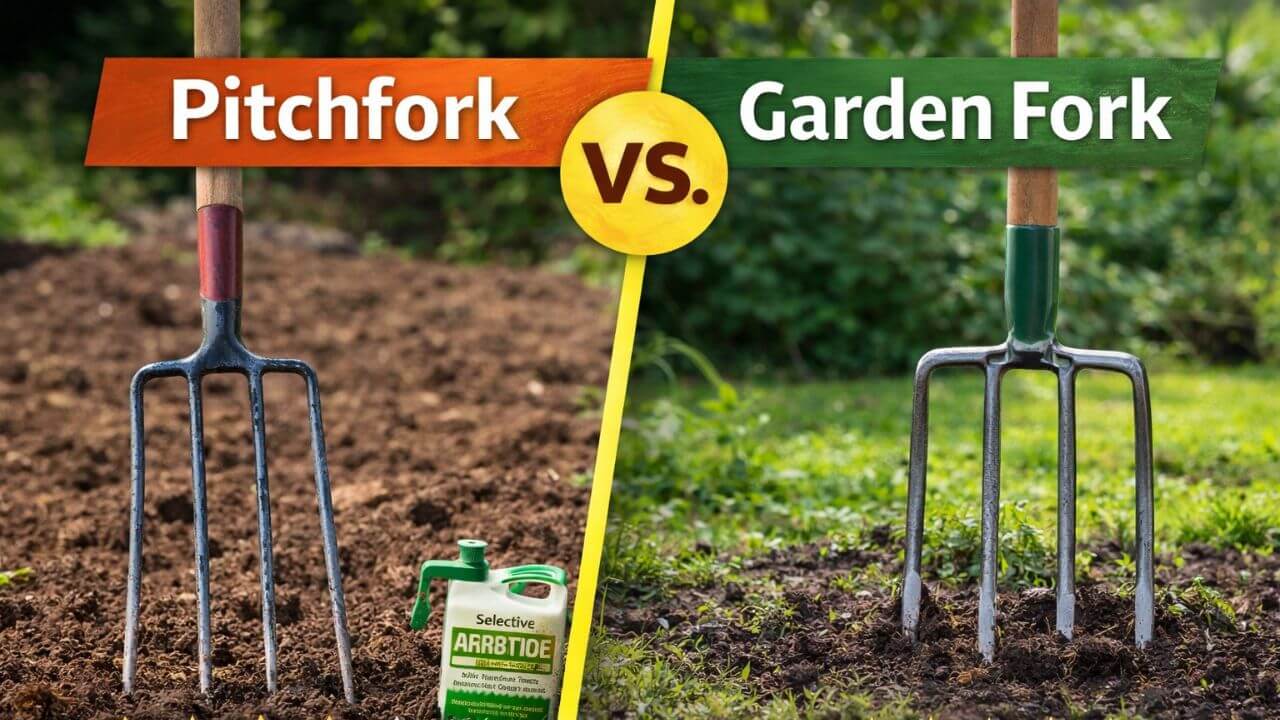
A pitchfork moves loose material; a garden fork digs, breaks compacted soil, and lifts roots.
I have spent years gardening and working on small farms, and I use both tools every season. This article compares Pitchfork Vs Garden Fork in clear, practical terms so you can choose the right tool and avoid common mistakes. I’ll explain what each tool does, how they differ, when to pick one over the other, and real tips from hands-on experience.
What is a pitchfork?
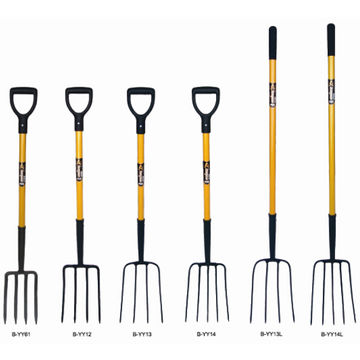
A pitchfork is a long-handled tool with thin, widely spaced tines. It is designed to lift and move light, loose materials such as hay, straw, compost, or mulch. Tines are usually slender and slightly curved to hold loose loads without compacting them. In the Pitchfork Vs Garden Fork debate, the pitchfork excels at handling airy materials and moving them quickly.
What is a garden fork?
A garden fork is a short- or medium-handled tool with thick, closely spaced tines and a strong head. It is built to dig, loosen, and lift heavier soil, clay, or root-bound plants. Tines are straight and stout to resist bending when forcing into compact ground. When comparing Pitchfork Vs Garden Fork, the garden fork is the go-to for breaking soil and turning beds.

Key differences between pitchfork and garden fork
Materials and build
- Pitchfork: light head, thinner tines, often steel or spring steel for flex.
- Garden fork: heavy-duty steel head with thick, square or round tines.
Tine shape and spacing
- Pitchfork: wide spacing, curved tines to cradle loose matter.
- Garden fork: narrow spacing, straight tines for prying and lifting soil.
Primary uses
- Pitchfork: moving hay, straw, mulch, compost that is loose and fluffy.
- Garden fork: digging, aerating, turning sod, removing stones, lifting root clumps.
Ergonomics and handles
- Pitchfork: longer handles for reach and leverage when tossing material.
- Garden fork: shorter handles or D-grips for control when digging.
Durability and maintenance
- Pitchfork: less stress on tines, lighter maintenance.
- Garden fork: higher stress, needs stronger metal and occasional straightening.
These core differences explain why the Pitchfork Vs Garden Fork choice matters for specific jobs in the yard or farm.

When to use each: practical scenarios
Use a pitchfork when:
- Moving loose compost or straw from a pile to a bed.
- Turning cured compost where you need to fluff material.
- Feeding livestock with hay or straw.
Use a garden fork when:
- Breaking compacted soil before planting.
- Removing deep roots, stones, or planting larger perennials.
- Turning heavy, slightly wet compost or garden beds.
Examples from my work
- I use a pitchfork to aerate finished compost before bagging. It moves material fast and keeps it loose.
- I pull a garden fork to break a clay patch before adding amendments. A shovel would be slower and more tiring.
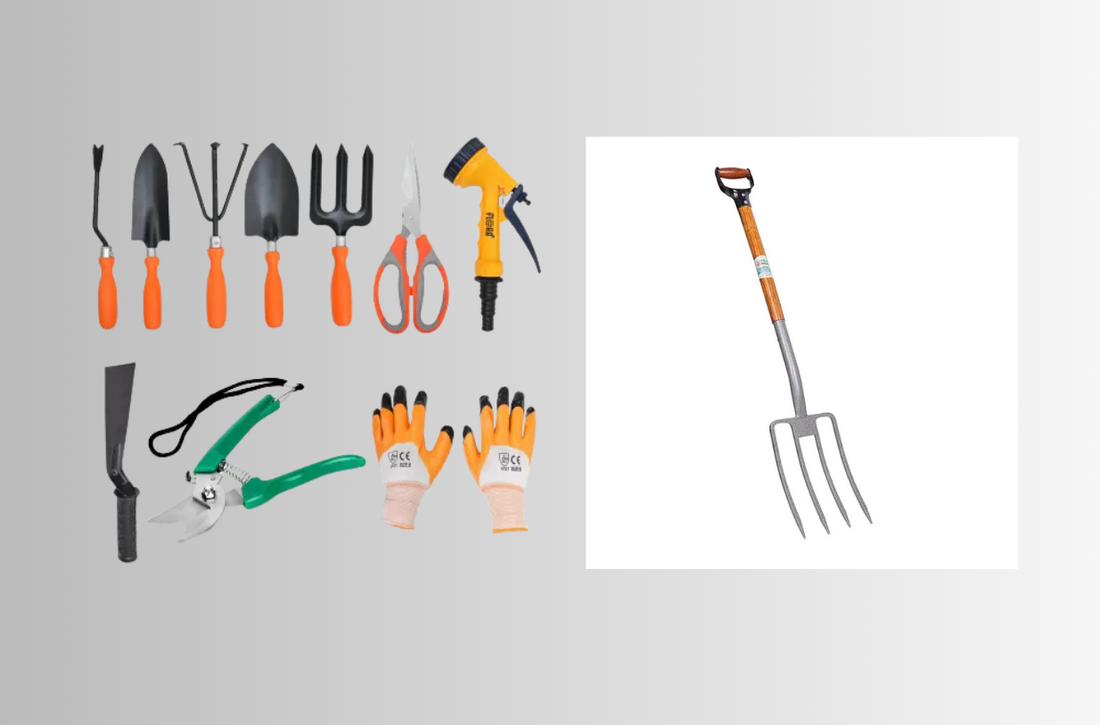
Choosing the right fork: buyer’s guide
Match the tool to the task
- If you mostly move loose, lightweight material, pick a pitchfork.
- If you dig, aerate, or work heavy soil, choose a garden fork.
Consider handle length and grip
- Taller users benefit from longer handles on a pitchfork.
- Garden fork users often prefer a D-handle for control.
Material and build quality
– Look for forged heads and heat-treated steel on garden forks.
- For pitchforks, tempered spring steel tines resist bending.
Weight and balance
- Heavier heads give strength but tire you faster.
- Balanced tools reduce strain and improve control.
Budget and longevity
- Spend more on a quality garden fork; it handles abuse.
- A well-made pitchfork can be mid-priced and last many seasons.
Try before buying if possible. Handle feel tells you a lot about comfort and fit.

Care and maintenance for both tools
Cleaning
- Remove soil and debris after each use.
- Rinse and dry metal parts to reduce rust.
Rust prevention
- Lightly oil metal heads in the off-season.
- Store tools indoors or under cover.
Sharpening and straightening
- Garden fork tines can be sharpened for tougher soil if needed.
- Bend or replace damaged tines; do not keep a bent fork in heavy use.
Handle care
- Sand and oil wooden handles yearly to prevent splinters and rot.
- Replace cracked handles promptly for safety.
Proper maintenance extends life and keeps the right tool ready when comparing Pitchfork Vs Garden Fork performance in different jobs.
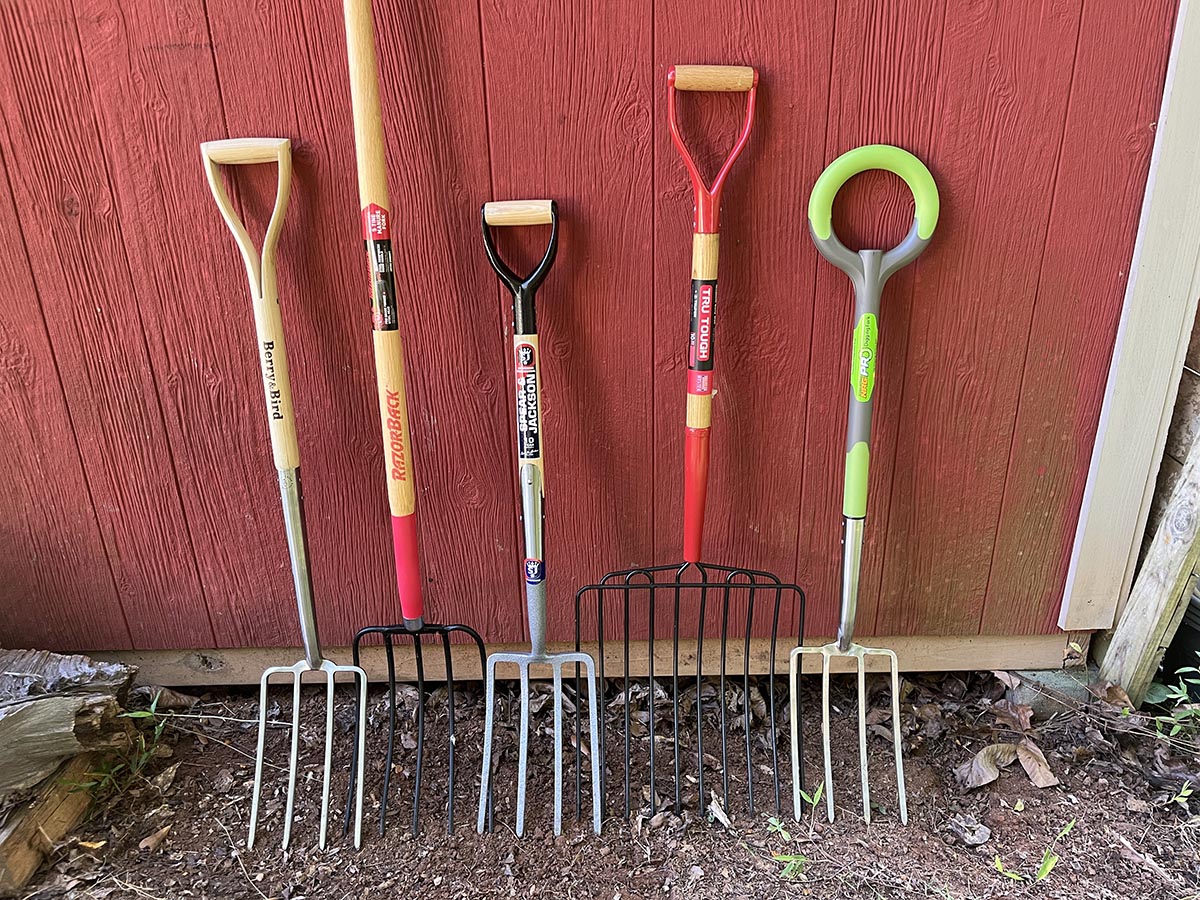
Personal experience and real-world tips
I once tried using a pitchfork to break compacted clay. The tines bent and the job took three times longer. After switching to a garden fork, the soil broke up quickly and my back thanked me. Lessons learned:
- Use the right tool for the job to save time and avoid damage.
- Match tine strength to soil type; heavy clay needs a stout garden fork.
- If you store tools outdoors, expect faster rust and shorter life.
My favorite combo for small plots
- A medium-length garden fork for bed prep.
- A lightweight pitchfork for compost and mulch tasks.
These choices came from years of trial and error. I recommend starting with one good garden fork and one pitchfork for most home gardeners.

Common mistakes and safety tips
Common mistakes
- Using a pitchfork to dig compacted soil leads to bent tines.
- Using a garden fork to move fluffy compost wastes effort and time.
- Buying the cheapest tool may cost more in replacements.
Safety tips
- Wear gloves and sturdy shoes while using any fork.
- Keep bystanders at a safe distance when tossing material.
- Replace or repair damaged tools; a broken tine can cause injury.
Being mindful of these mistakes improves efficiency and safety when choosing between Pitchfork Vs Garden Fork.
Frequently Asked Questions of Pitchfork Vs Garden Fork
What is the main difference between a pitchfork and a garden fork?
The main difference is function: pitchforks move loose materials, while garden forks dig and lift soil. Their tine shape, spacing, and strength reflect those roles.
Can I use a garden fork for compost?
Yes, a garden fork can turn compost, especially heavier or wetter piles, but it may compact light, fluffy material more than a pitchfork does. Use a pitchfork for very airy compost.
Which fork is better for clay soil?
A garden fork is better for clay soil because its thick, straight tines resist bending and pry through compacted ground. Pitchfork tines are too thin for that job.
How do I prevent tines from bending?
Buy a forged or heat-treated head and avoid using a pitchfork on hard ground. For garden forks, use steady pressure and keep tines sharp and rust-free.
Is handle length important?
Yes. Longer handles give reach and leverage for pitchforks, while shorter handles and D-grips on garden forks give control when digging. Choose based on your height and the intended task.
Conclusion
Knowing the difference between Pitchfork Vs Garden Fork saves time, protects tools, and makes yard work easier. Choose a pitchfork for light, loose materials and a garden fork for digging and tough soil. Start with one quality garden fork and one pitchfork for a versatile setup. Try the tools, care for them, and learn from small tasks to build confidence.
Takeaway: pick the right fork for the job, maintain it, and work smarter—not harder. Share your experiences below, subscribe for more practical garden tool tips, or ask a question in the comments.
Last Updated on March 13, 2026 by Saad Abdullah
