As an Amazon Associate, I earn from qualifying purchases.
Native, pesticide-free, nectar-rich blooms across seasons keep bees, butterflies, and birds thriving.
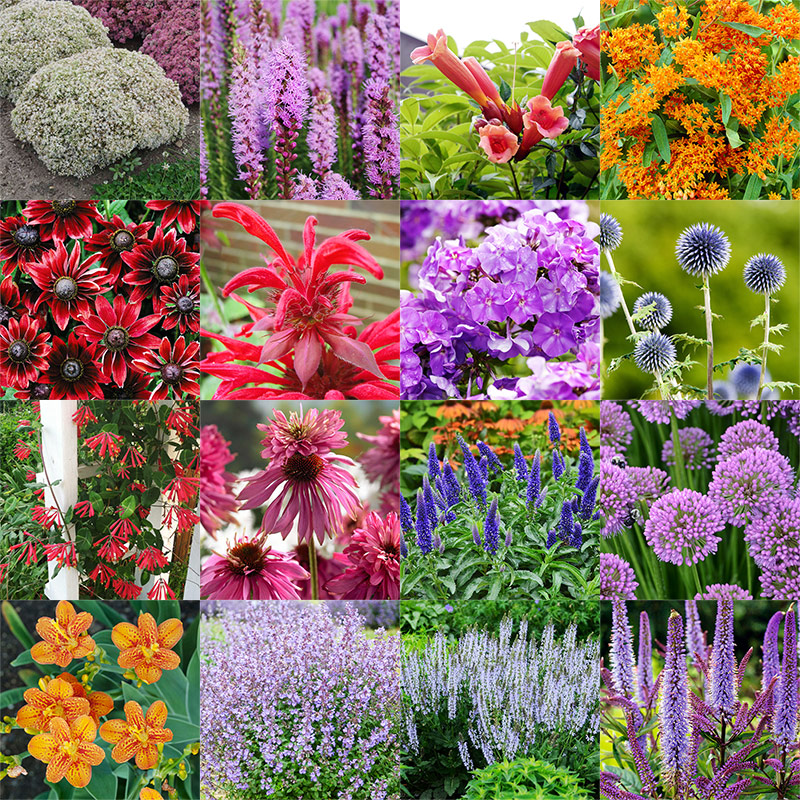
If you want a lively, buzzing garden, you need flowers that feed many species, all year long. In this guide, I share the Best Flowers For Pollinators, why they work, and how to place them. You will get field-tested picks, science-backed tips, and simple steps to make your yard a safe haven. By the end, you will know the Best Flowers For Pollinators for every space and season.
Why Pollinators Matter And How Flowers Help
Pollinators move pollen so plants can set seed and fruit. That feeds wildlife and us. Diverse blooms keep this cycle strong. Many bee and butterfly species are in decline. Your yard can be a rescue station.
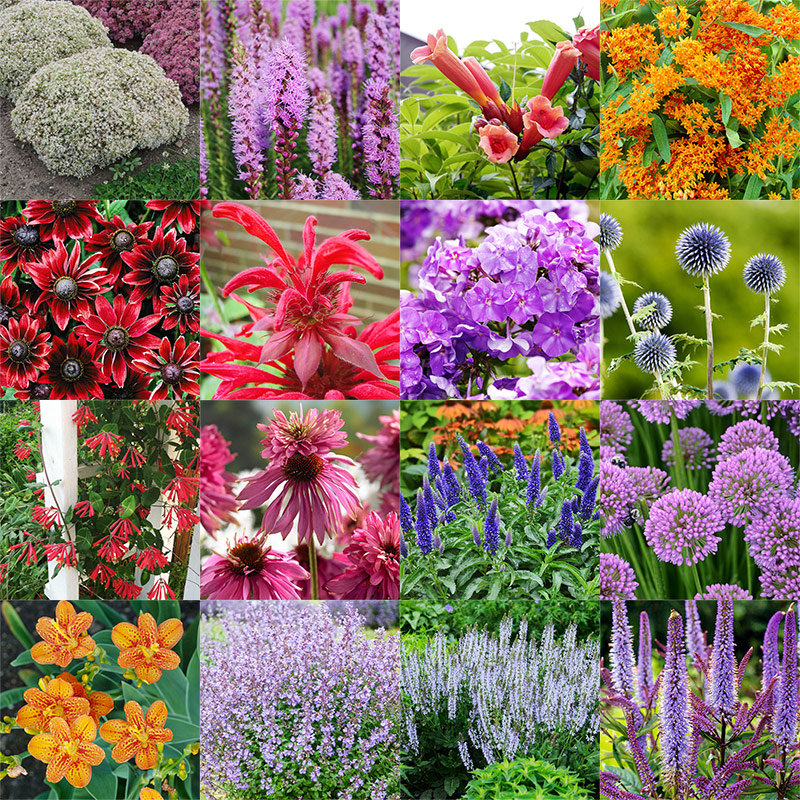
When you pick the Best Flowers For Pollinators, you give nectar and pollen with few barriers. Flowers also provide shelter, stems for nesting, and leaves for caterpillars. Research shows that mixed plantings with many native flowers support more species and more visits.

What Makes A Flower Great For Pollinators
The right flower offers easy nectar and protein-rich pollen. Color, shape, bloom time, and scent all matter. Clusters help insects refuel fast. Flat faces give a landing pad. Tubes fit long tongues. White and pale blooms glow at dusk for moths.
Look for single blooms, not heavy doubles. Doubles often hide nectar. Plant for a long season, from early spring to late fall. The traits below often define the Best Flowers For Pollinators:
- Native to your region to match local insects
- Single, open blooms with visible centers
- Staggered bloom times across the year
- Many shapes and heights in each bed
- Pesticide-free plants and soil
The Best Flowers For Pollinators By Type
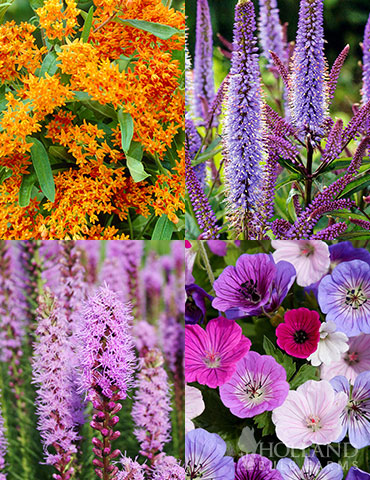
Here are the Best Flowers For Pollinators by group. Match flower shapes to the mouths and habits of your visitors.
Bees
Bees love nectar-rich, pollen-heavy blooms. They prefer blues, purples, whites, and yellows.
- Lavender, catmint, and oregano
- Coneflower, black-eyed Susan, and blanketflower
- Beebalm, anise hyssop, and mountain mint
- Borage, sunflowers, and cosmos with single blooms
- Asters and goldenrod for late season
- Willows, maples, and serviceberry for early season
Butterflies
Adult butterflies need nectar, and many caterpillars need host leaves.
- Butterfly weed and swamp milkweed
- Joe-pye weed, ironweed, and blazing star
- Zinnia, verbena bonariensis, and phlox
- Dill, fennel, and parsley as host plants for swallowtails
- Native asters and coneflowers for fall fuel
Hummingbirds
They seek tubular flowers rich in nectar. Red is a strong cue, but not the only one.
- Scarlet sage and other salvias
- Cardinal flower and beebalm
- Native coral honeysuckle
- Columbine and penstemon
- Red hot poker and trumpet honeysuckle
- Trumpet creeper, used with care where it spreads
Moths And Bats
Night visitors need pale, fragrant, open-at-dusk blooms.
- Evening primrose and moonflower
- Night-scented tobacco and stock
- Four o’clock and yucca
- White phlox and soapwort
Flies And Beetles
These unsung helpers love small, open clusters.
- Yarrow and golden alexanders
- Sweet alyssum and dill
- Spirea and ninebark
- Elderflower and hawthorn
- Stonecrop sedum for late nectar

A Simple Bloom Plan From Spring To Fall
A year-round plan of the Best Flowers For Pollinators keeps food flowing. Aim for three to five species per season in each bed. Overlap bloom times to avoid gaps.
- Early spring
- Crocus, willow, serviceberry, and lungwort
- Wild geranium and violet
- Late spring
- Catmint, chives, alliums, and penstemon
- Phacelia and clovers
- Summer
- Beebalm, coneflower, blanketflower, and milkweeds
- Salvias, basil blooms, and sunflowers
- Fall
- Asters, goldenrod, stonecrop sedum, and blue mistflower
- Anise hyssop and helianthus
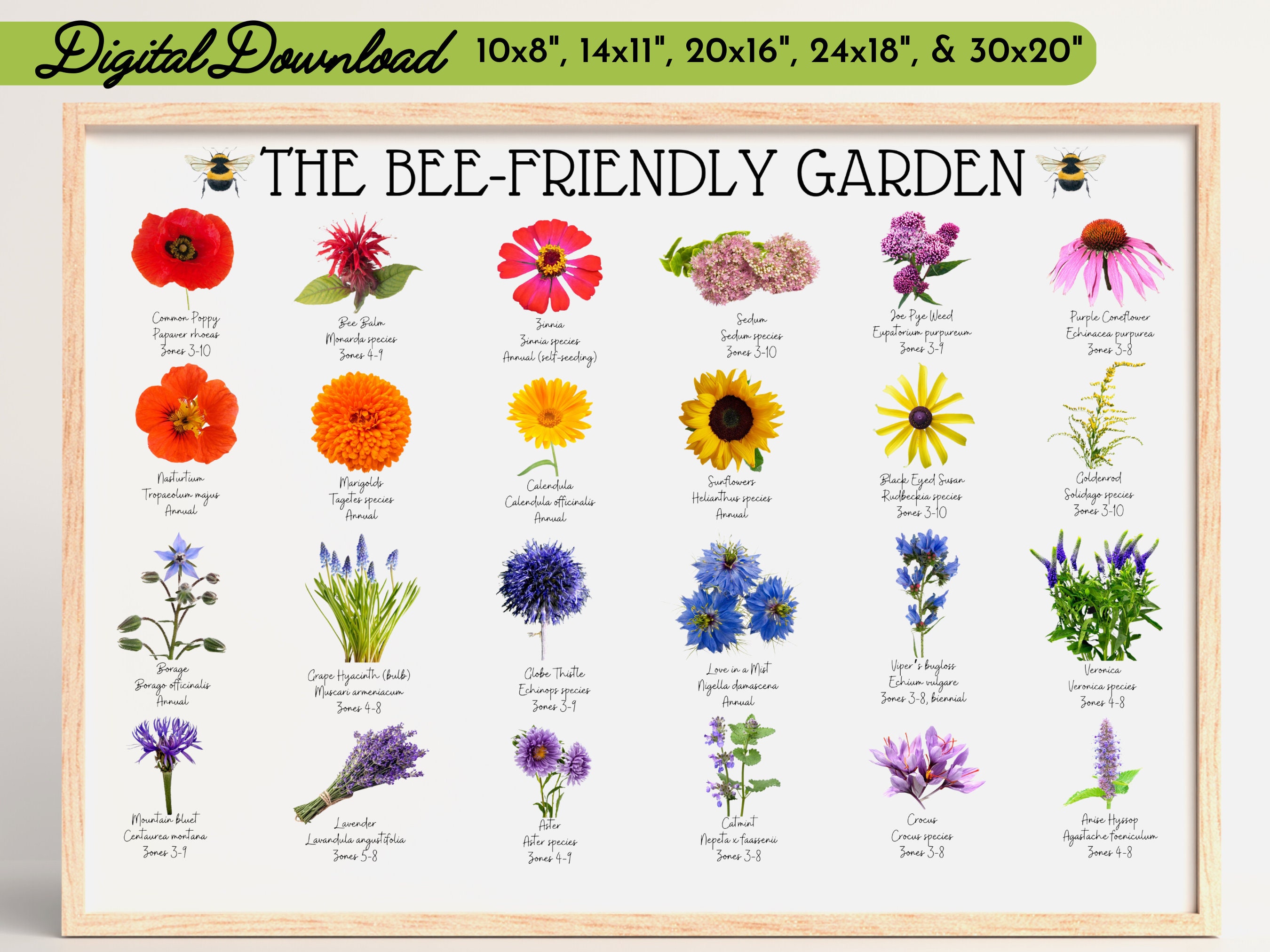
Native Or Non-Native: Picking With Purpose
Natives often match local pollinators best. They offer the right nectar, pollen, and bloom timing. They also host many caterpillars. Non-natives can help too, if they are not invasive and have open nectar.
Blend both to build a steady buffet. Use regional natives as your base. Add easy non-natives like lavender, zinnia, and cosmos for long bloom. That mix still delivers the Best Flowers For Pollinators and a rich food web.

Design Tips To Maximize Visits
Good layout matters as much as the plant list. Think like a bee that needs quick fuel.
- Plant in clumps of three or more so insects can feed with less flight time
- Layer heights for shelter and sun traps
- Keep bare patches for ground-nesting bees
- Add a shallow water dish with stones
- Leave stems and leaves over winter for nesting
- Avoid neonics and broad-spectrum sprays
- Limit night lights that disrupt moths
- Deadhead for more flowers, but leave some seed for birds
Smart design helps the Best Flowers For Pollinators shine in any yard.
Containers And Small-Space Ideas
You can host a whole food court on a balcony. Use large pots with rich, peat-free mix. Water often.
Great pot choices include:
- Dwarf sunflowers, single zinnias, and cosmos
- Salvias, beebalm, and dwarf agastache
- Lavender and thyme
- Basil, mint in pots only, and chives
- Nasturtium and sweet alyssum
Even one box can hold the Best Flowers For Pollinators when space is tight.
Shade, Wet, And Dry Sites: Match Plant To Place
Right plant, right spot keeps care simple and visits high.
- Shade and part shade
- Columbine, wild geranium, foamflower, and blue lobelia
- Zigzag goldenrod, mountain mint, and woodland phlox
- Wet or rain garden
- Swamp milkweed, joe-pye weed, cardinal flower, and blue flag iris
- Pickerelweed and sedges for edges
- Dry and sandy beds
- Blanketflower, lavender, yarrow, and Russian sage
- Penstemon, agastache, and sedum
Match your site and you still get the Best Flowers For Pollinators with less work.
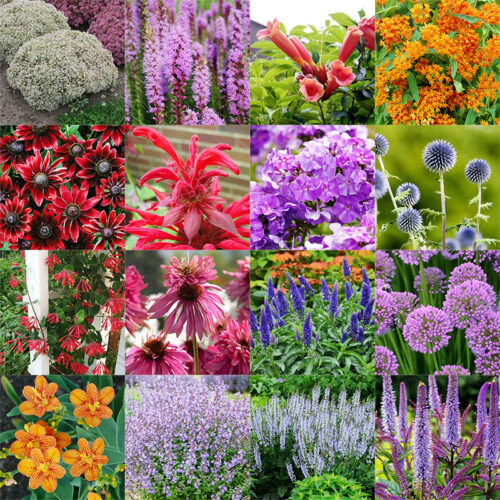
Common Mistakes To Avoid
A few small shifts can double your visitors.
- Picking double flowers that hide nectar
- Buying plants treated with systemic pesticides
- Planting one of each instead of drifts
- Forgetting fall bloomers like asters and goldenrod
- Mowing away early dandelions and violets
- Over-mulching so ground bees cannot nest
- Letting invasives crowd out natives
Avoid these traps and the Best Flowers For Pollinators will do their best work.
My Field Notes: What Worked Best For Me
In my own beds, mountain mint was a nonstop crowd. It hummed from dawn to dusk. I counted more than 15 bee species in one week. Borage also won big. It reseeded and fed bees in cool weather when little else bloomed.
Asters and goldenrod carried my garden through fall. Honey bees, bumble bees, and late butterflies packed in each day. Catmint and lavender handled heat and drought with ease. My early mistake was buying showy doubles. They looked great and fed almost no one. I swapped them for single coneflowers and saw instant results. For me, the Best Flowers For Pollinators were the ones that stayed simple, bloomed long, and fit my site.
Quick Reference List: Top 25 Best Flowers For Pollinators
Use this list to build fast. Mix at least one from each season.
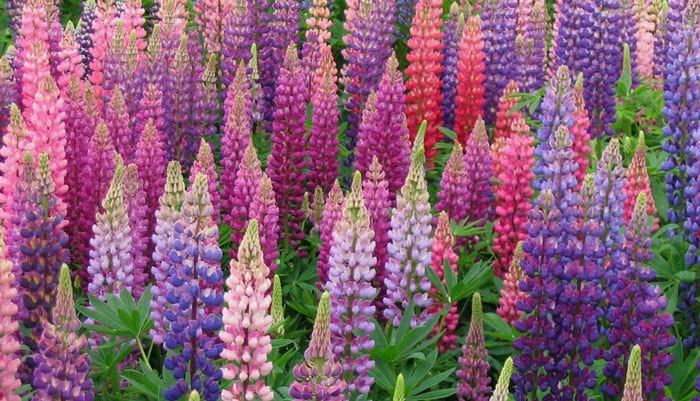
- Beebalm Monarda
- Mountain mint Pycnanthemum
- Coneflower Echinacea
- Black-eyed Susan Rudbeckia
- Asters Symphyotrichum
- Goldenrod Solidago
- Joe-pye weed Eutrochium
- Butterfly weed Asclepias tuberosa
- Swamp milkweed Asclepias incarnata
- Lavender Lavandula
- Catmint Nepeta
- Anise hyssop Agastache
- Borage Borago officinalis
- Sunflower Helianthus
- Stonecrop sedum Hylotelephium
- Blue mistflower Conoclinium coelestinum
- Penstemon Penstemon
- Scarlet sage Salvia
- Cardinal flower Lobelia cardinalis
- Coral honeysuckle Lonicera sempervirens
- Columbine Aquilegia
- Yarrow Achillea
- Verbena bonariensis
- Phacelia Phacelia tanacetifolia
- Sweet alyssum Lobularia maritima
Build with these and you cover seasons, shapes, and needs. This is an easy way to include the Best Flowers For Pollinators in any plan.
Frequently Asked Questions of Best Flowers For Pollinators
What are the Best Flowers For Pollinators in pots?
Choose single-flower zinnias, dwarf sunflowers, salvias, and lavender. Add basil and thyme for bloom and kitchen use.
Do I need native plants to help pollinators?
Natives are best for local bees and butterflies. They match bloom times and host needs. Mix in non-natives with open nectar for longer bloom.
Are double flowers bad for bees and butterflies?
Many doubles hide or remove nectar and pollen. Single blooms are easier to feed from and support more species.
Will hummingbirds only visit red flowers?
No. They like red, but also visit orange, purple, and blue. Tube shape and rich nectar matter more than color.
How do I avoid stings while helping bees?
Give space, skip nest areas, and avoid strong scents when working. Plant away from doors and use calm moves.
Should I stop using all pesticides?
Avoid insecticides, especially systemics. Improve soil, use hand removal, and invite predators for natural balance.
How much water do pollinators need?
A shallow dish with stones or marbles works well. Keep it clean and topped up in heat.
Conclusion
You now have the plant lists, design moves, and seasonal plan to build a thriving pollinator haven. Start small with a few drifts, or go bold with a full bed. Pick simple, open blooms, stagger the seasons, and keep it spray-free. The Best Flowers For Pollinators will do the rest.
Plant three new flowers this week, watch who shows up, and note what works. Share your results, subscribe for more guides, and drop your questions in the comments so we can grow a healthier world together.

I enjoy sharing simple gardening ideas, lawn care tips, and honest product reviews that help make outdoor work easier. From home gardening guides to helpful tools and lawn care advice, I write easy-to-follow content to help readers create a healthier and better-looking outdoor space without wasting time or money.