
As an Amazon Associate, I earn from qualifying purchases.
The best climbing plants for fences are clematis, climbing roses, jasmine, ivy, and honeysuckle.
If you want a fence that looks alive, smells great, and needs less painting, you are in the right place. I have tested, trained, and tamed many vines over the years. Below, I share how to pick, plant, and care for the Best Climbing Plants For Fences so your yard turns into a lush, private, and low-fuss retreat.
How to choose the Best Climbing Plants For Fences
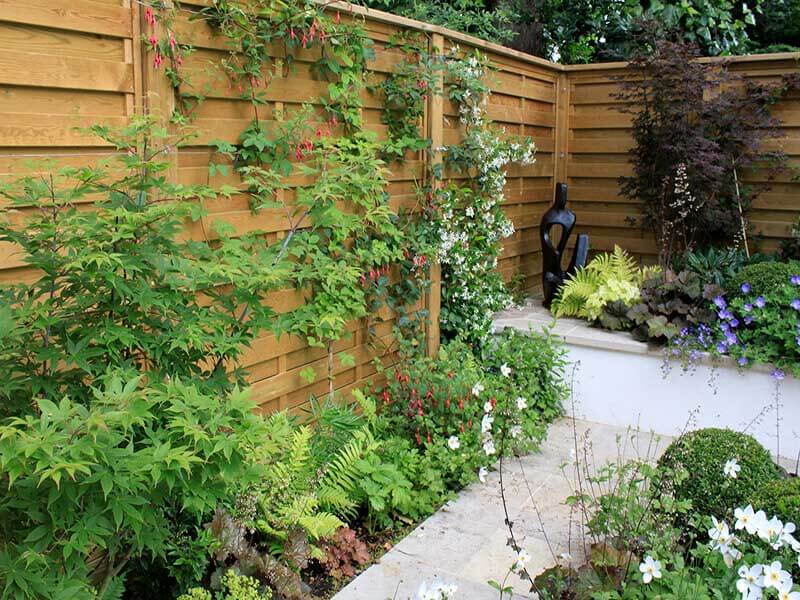
Picking the right vine starts with your sun, soil, and climate. Full sun plants bloom more. Shade lovers grow best with morning light and cool roots. Match the plant to your fence and your time for care.
Think about how the plant climbs. Some need ties. Some cling on their own. Wood fences and vinyl need gentle climbers. Brick or metal can handle self-clingers better.
Plan your goal. Do you want fast cover, evergreen leaves, heavy bloom, or scent at night? The Best Climbing Plants For Fences meet one clear goal, not all at once. Make a short list. Then choose for your zone, pace, and style.
Here is a simple rule I use with clients. Pick one main vine and one helper vine. Stagger bloom times. This gives color across seasons without a wild tangle.
:max_bytes(150000):strip_icc()/climbing-plants-fences-pergolas-boston-ivy-getty-0823-8ec05bb800c9440d803c5338d67df7f5.jpg)
Top picks: Best Climbing Plants For Fences by situation
Use this quick guide to match needs to plants. These Best Climbing Plants For Fences cover the most asked cases.
- Fast cover in warm zones: Bougainvillea, star jasmine, honeysuckle
- Fast cover in cool zones: Clematis viticella, rambler roses, Virginia creeper
- Evergreen for privacy: Star jasmine, English ivy, Clematis armandii
- Best for shade or north fences: Climbing hydrangea, evergreen clematis, honeysuckle
- Fragrant bloom: Star jasmine, sweet peas, jasmine, honeysuckle, climbing roses
- Low-water picks: Bougainvillea, jasmine, passionflower (once established)
- For wildlife: Honeysuckle, Virginia creeper, passionflower, climbing roses (hips)
- Pet-safe choices: Star jasmine and jasmine are safer than wisteria or morning glory
- Non-invasive options: American wisteria, native honeysuckle (Lonicera sempervirens), passionflower incarnata
- Rental-friendly, quick annuals: Sweet peas, black-eyed Susan vine, morning glory (use non-invasive types)

Source: gardenersworld.com

Detailed plant profiles: Best Climbing Plants For Fences to grow now
These field-tested picks balance speed, bloom, and ease. I note zones, light, and key pros and cons to help you choose the Best Climbing Plants For Fences with confidence.
Clematis (C. viticella, C. montana, C. armandii)
- Zones: 4–9 (varies). Light: Sun to part shade.
- Climbing method: Leaf petiole twining. Needs wires or trellis.
- Why grow it: Huge color range and long bloom. Great on narrow fences.
- Tips: Keep roots cool with mulch. Learn the pruning group for your type.
Climbing roses and ramblers
- Zones: 5–9. Light: Full sun.
- Climbing method: Long canes tied to fence.
- Why grow it: Romance, scent, strong screens. Good for arches by gates.
- Tips: Train canes sideways to boost blooms on side shoots.
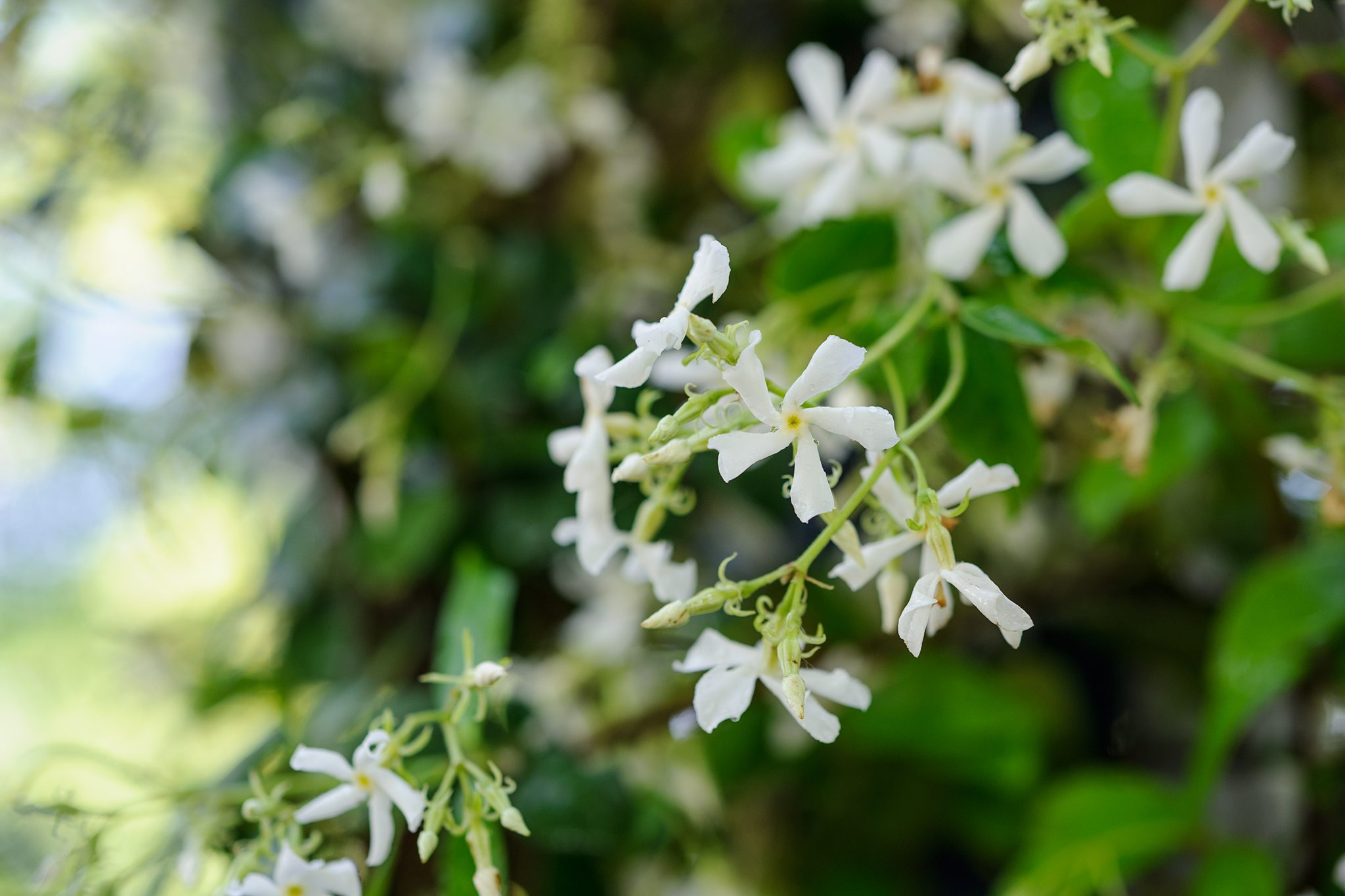
Star jasmine (Trachelospermum jasminoides)
- Zones: 8–11. Light: Sun to part shade.
- Climbing method: Twining. Evergreen leaves, strong perfume.
- Why grow it: Clean look, year-round cover, low fuss once set.
- Tips: Needs support and ties. Protect from deep frost.
Honeysuckle (Lonicera periclymenum, L. japonica varieties, L. sempervirens)
- Zones: 4–9 (varies). Light: Sun to part shade.
- Climbing method: Twining stems.
- Why grow it: Scent, pollinators, steady growth.
- Tips: Pick non-invasive or native types. Prune after bloom to shape.
Passionflower (Passiflora caerulea, P. incarnata)
- Zones: 6–10 (varies). Light: Sun.
- Climbing method: Tendrils.
- Why grow it: Exotic flowers. Fruit on some types. Fast cover.
- Tips: Give strong wires. Cut back dead wood in spring.
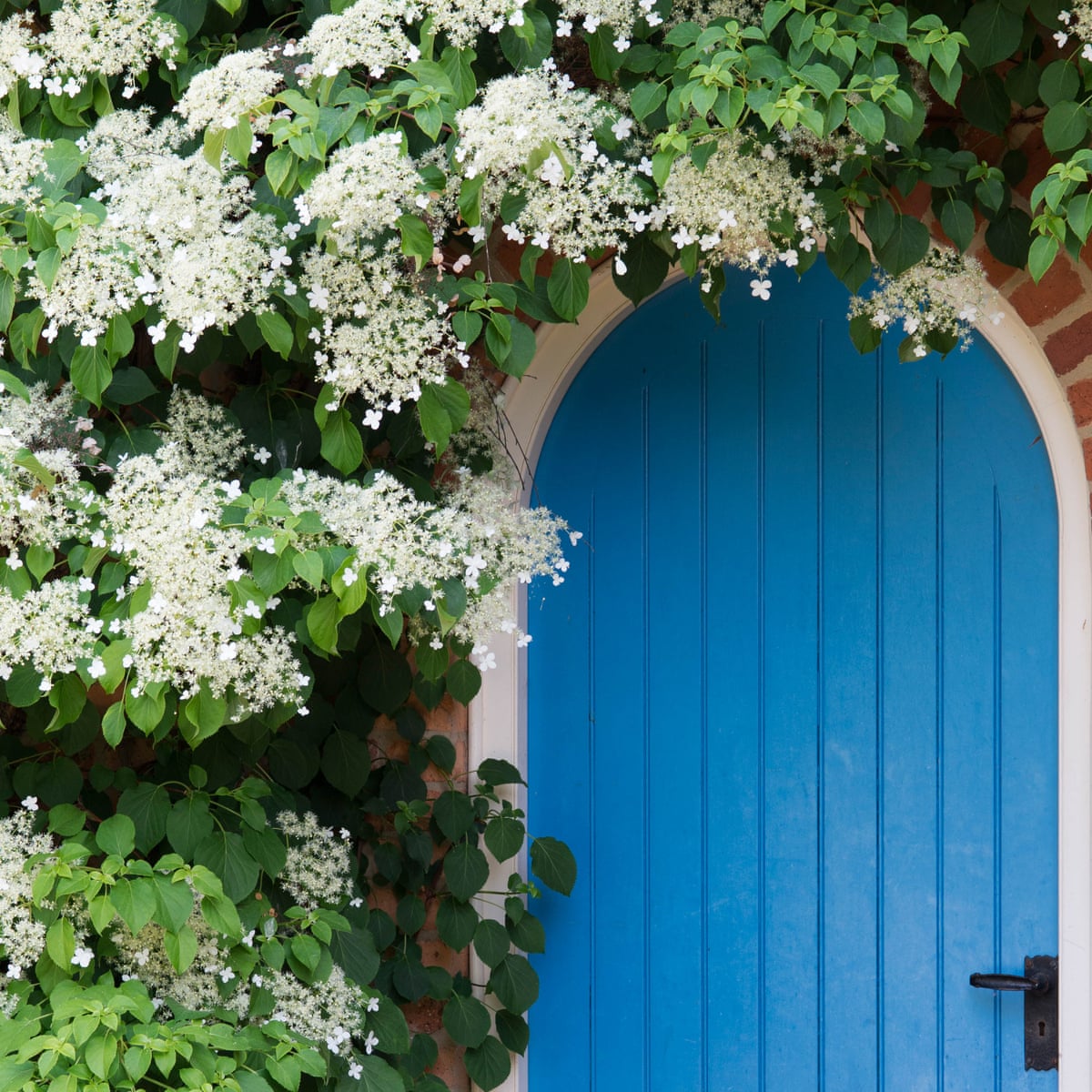
Climbing hydrangea (Hydrangea anomala subsp. petiolaris)
- Zones: 4–8. Light: Shade to part shade.
- Climbing method: Aerial roots. Heavy when mature.
- Why grow it: White lace flowers in shade. Classy bark and winter form.
- Tips: Slow to start, then steady. Needs sturdy support.
Virginia creeper (Parthenocissus quinquefolia) and Boston ivy (P. tricuspidata)
- Zones: 3–9. Light: Sun to shade.
- Climbing method: Adhesive pads.
- Why grow it: Fast screen, bold fall color.
- Tips: Pads can mark paint and wood. Best on masonry or metal.
American wisteria (Wisteria frutescens) and Japanese wisteria (W. floribunda)
- Zones: 5–9. Light: Sun.
- Climbing method: Twining. Very strong.
- Why grow it: Spring cascades of bloom.
- Tips: Use American wisteria to avoid invasiveness. Needs heavy posts and strict pruning.
Jasmine (Jasminum officinale)
- Zones: 7–10. Light: Sun to part shade.
- Climbing method: Twining.
- Why grow it: Sweet scent, summer bloom.
- Tips: Tie in new shoots. Trim after bloom to keep tidy.
Bougainvillea
- Zones: 9–11. Light: Full sun.
- Climbing method: Scrambler with thorns.
- Why grow it: Neon color bracts, drought tough once set.
- Tips: Needs heat and sharp drainage. Prune with care.
Sweet peas (Lathyrus odoratus) and black-eyed Susan vine (Thunbergia alata)
- Zones: Annuals. Light: Sun.
- Climbing method: Tendrils.
- Why grow it: Quick color. Great for rentals or new builds.
- Tips: Add netting. Re-sow each spring for a fresh look.
Quick answers about the Best Climbing Plants For Fences
- What grows fastest on a fence? Virginia creeper, clematis viticella, and honeysuckle grow fast in mild zones.
- What is best for shade fences? Climbing hydrangea and evergreen clematis love shade and cool roots.
- What smells the best? Star jasmine, jasmine, and honeysuckle bring strong, sweet scent in warm nights.
Source: marthastewart.com
:max_bytes(150000):strip_icc()/climbing-plants-fences-pergolas-mandevilla-getty-0823-922f0ef6d6c94f4991e32cba4e6a2ce1.jpg)
Planting and training Best Climbing Plants For Fences
Strong starts lead to easy care. Here is the simple plan I teach new gardeners for the Best Climbing Plants For Fences.
- Prepare the site. Loosen soil 12 inches deep. Mix in compost. Add slow-release, balanced feed.
- Set the plant. Place 8–12 inches from the fence so air can move. Angle stems toward the support.
- Add support. Fix wires with eye screws every 12–18 inches. Use a trellis panel for quick installs.
- Tie in stems. Use soft ties or garden tape. Weave or fan out shoots to fill gaps.
- Water well. Keep soil even, not soggy. Mulch 2–3 inches deep to cool roots.
- First-year rule. Pinch tips to branch. Guide new growth every week in spring.
Pro tip from the field: I pre-map wires at 1, 3, and 5 feet high. This grid trains vines flat, speeds cover, and keeps fences neat. It works with most Best Climbing Plants For Fences.
:strip_icc()/red-mandevilla-vine-858f26ed-11caa644771a4714a6deafad3022cbe1.jpg)
Care calendar and pruning for Best Climbing Plants For Fences
Good timing makes growth simple. Use this light, proven plan.
- Spring: Feed with a balanced, slow-release blend. Check ties and add new wires. Cut dead wood.
- Early summer: Deadhead roses and spent clematis flowers. Light trim for shape.
- Late summer: Water deep but less often. Watch for mites and aphids. Treat early if needed.
- Fall: Stop feeding. Clean leaves at the base. Check for loose pads or heavy weight on fence.
- Winter: Prune by group. Protect tender vines with burlap in cold snaps.
Clematis pruning made easy:
- Group 1 (spring bloom): Trim lightly after bloom only.
- Group 2 (repeat bloomers): Trim in late winter to a strong set of buds. Light tidy after first bloom.
- Group 3 (late bloom): Cut hard in late winter to 12–18 inches.
Keep the Best Climbing Plants For Fences off gutters and shingles. Clip or re-tie shoots that wander. This avoids damage and keeps the line clean.
:max_bytes(150000):strip_icc()/climbing-plants-fences-pergolas-clematis-getty-0823-a33a6777d39647568af7937444717b90.jpg)
Design ideas with Best Climbing Plants For Fences
You can design with vines like paint on a canvas. Match color, leaf size, and bloom time for a layered look.
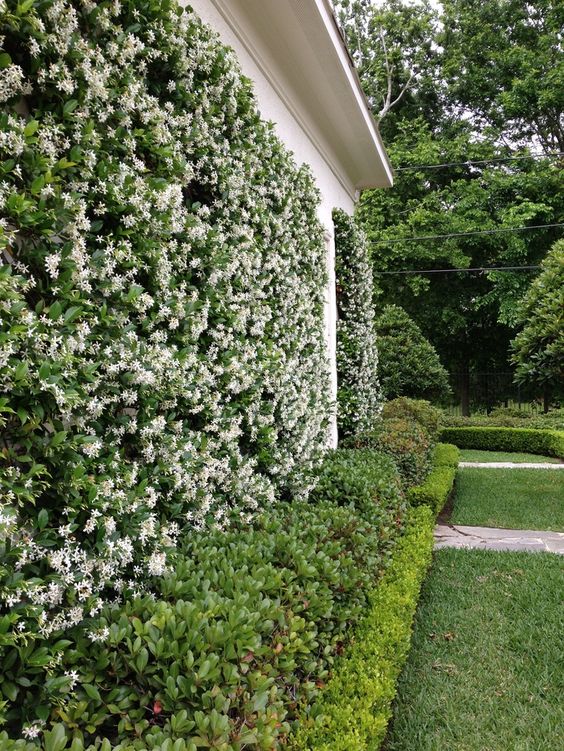
- Four-season screen: Star jasmine for evergreen base, plus clematis viticella for summer color.
- Cottage charm: Climbing rose on a pale fence, with sweet peas at the base for spring scent.
- Small yards: Passionflower on a narrow trellis. Underplant with herbs to cool roots.
- Shade relief: Climbing hydrangea with hostas and ferns. Calm, bright, and low care.
- Heat lovers: Bougainvillea with silver foliage below. Reflects light and keeps roots cooler.
In my zone 7 yard, I pair a blush climbing rose with a purple clematis. I train both on the same fence bay. The rose gives bones and scent. The clematis threads color through the canes without weight issues. This is one of the most reliable Best Climbing Plants For Fences combos I use for clients.
Common problems and safe fixes for Best Climbing Plants For Fences
Every vine has quirks. Here is what I see most and how to fix it.
- Sparse growth: Add compost, check sun hours, and water deep once a week. Train laterals to branch.
- Few blooms: Too much nitrogen. Switch to a bloom booster in spring. Increase sun if you can.
- Pests: Aphids on roses and honeysuckle. Spray with water, then use insecticidal soap if needed.
- Diseases: Powdery mildew in shade and heat. Improve air flow and water soil, not leaves.
- Fence damage: Self-clingers can mark paint and wood. Use a freestanding trellis 4–6 inches in front of the fence.
- Invasive risk: Check local lists. Pick American wisteria and native honeysuckles where imports spread.
- Pet safety: Wisteria pods and morning glory seeds are toxic. Keep away from pets and kids.
Be honest about time and tools. If you want low work, pick star jasmine, clematis viticella, or native honeysuckle. These Best Climbing Plants For Fences give high impact with simple care.
Frequently Asked Questions of Best Climbing Plants For Fences
What is the easiest vine for beginners?
Star jasmine and clematis viticella are very forgiving. They grow fast, look neat, and need only light pruning.
Will vines damage my fence?
Some can. Self-clingers may stain or lift paint. Use a trellis or wires spaced off the fence to protect the surface.
How close should I plant to the fence?
Plant 8–12 inches from the base. This allows airflow and gives roots room to spread.
Can I mix two vines on one fence panel?
Yes, if they have similar vigor. Pair a woody base like a rose with a light clematis for color without extra weight.
How long to cover a fence?
Fast growers can cover 6–8 feet in one to two seasons. Slower types like climbing hydrangea take three to five years.
Which vines are best for privacy year-round?
Pick evergreen types like star jasmine and English ivy. In colder zones, use dense summer vines and add winter screens.
Conclusion
Pick a goal, match the plant to your site, and train early. That simple plan turns the Best Climbing Plants For Fences into a living wall that lasts. Start with one main vine and a helper for steady bloom and clean lines.
Walk your fence this week. Note sun, shade, and gaps. Choose one plant from this guide, set your wires, and plant with care. You will see progress in one season and a full screen in two. If this helped, subscribe for more garden guides or drop a question in the comments.

I enjoy sharing simple gardening ideas, lawn care tips, and honest product reviews that help make outdoor work easier. From home gardening guides to helpful tools and lawn care advice, I write easy-to-follow content to help readers create a healthier and better-looking outdoor space without wasting time or money.