As an Amazon Associate, I earn from qualifying purchases.
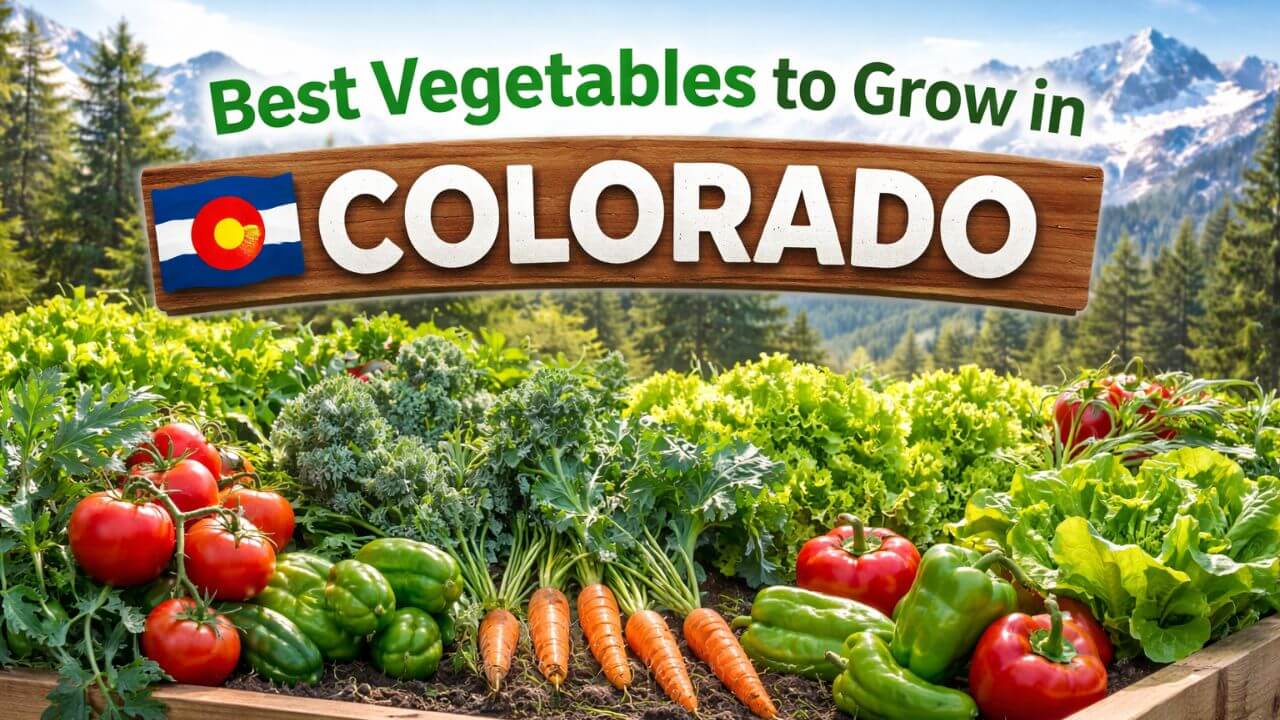
Cool-hardy greens, root crops, peas, and short-season tomatoes thrive in Colorado.
Colorado’s gardens live between sun, wind, and sudden frost. I’ve grown food across the Front Range and high country, and I know what survives, what fails, and why. In this guide, I break down the Best Vegetables To Grow In Colorado, the timing that works, and the tricks that keep plants safe from hail and cold. If you want a harvest that actually fills your kitchen, stick with me—this is a clear, field-tested roadmap.

Understanding Colorado’s Growing Conditions
Colorado gardening means thin air, strong sun, big day–night swings, and quick weather shifts. Most areas sit in USDA zones 3–7. Many spots face alkaline soils and low humidity. Wind and hail can strike in minutes. These realities shape the Best Vegetables To Grow In Colorado.
Focus on crops that like cool springs and fall. Choose short-season varieties for summer. Plan for protection from frost, hail, and wind. This is how you pick and grow the Best Vegetables To Grow In Colorado with less stress.
Key factors to plan around:
- Altitude and UV: Intense sun speeds growth but also stress. Shade cloth can help.
- Spring and fall frosts: Expect late frosts into May and early ones by late September.
- Soil pH: Many native soils lean alkaline. Iron chlorosis can hit beans and spinach.
- Water: Dry air and wind mean fast moisture loss. Drip lines and mulch are your friends.
What zones are best for vegetables in Colorado?
Most vegetables do well in zones 4–6. Cold-hardy greens and roots handle higher elevations. Short-season tomatoes, beans, and squash fit zones 5–6.
How much sun do vegetables need in Colorado?
Aim for 6–8 hours of sun. In high UV areas, use 20–30% shade cloth during heat to reduce stress.
Can I plant before last frost with protection?
Yes. Row cover or a low tunnel lets you seed peas, spinach, and radishes 4–6 weeks before the last frost.
The Best Vegetables To Grow In Colorado: Top Picks by Season
When people ask for the Best Vegetables To Grow In Colorado, I point to crops that love cool nights and short summers. Here are winners by season, with notes from my beds and local trials.
Spring (cool-season, frost tolerant)
- Spinach: Sprints in cool soil. Bloomsdale and Space do great.
- Lettuce: Butterhead, Romaine, and leaf types like Nevada resist bolting.
- Kale: Siberian and Lacinato handle cold and wind.
- Peas: Sugar snap, shelling, and snow peas. Sugar Ann and Little Marvel are reliable.
- Radishes: Cherry Belle, French Breakfast. Fast and forgiving.
- Carrots: Danvers 126 if your soil is heavier; Napoli for sweet roots.
- Beets: Detroit Dark Red and Chioggia. Tops and roots both edible.
- Onions and scallions: Sets or transplants speed the harvest.
- Potatoes: Red Norland and Yukon Gold set early.
Summer (warm-season, short days-to-maturity)
- Tomatoes: Early Girl, Stupice, Glacier, and Celebrity finish fast.
- Peppers: Ace, Gypsy, and Hungarian Wax set fruit in cool nights.
- Bush beans: Provider and Contender germinate in cooler soils.
- Zucchini and summer squash: Black Beauty and Dunja resist powdery mildew.
- Cucumbers: Marketmore 76 and Lemon cucumber thrive with mulch.
- Sweet corn (select early): Early Sunglow performs better at altitude and cool nights.
Fall and shoulder seasons
- Arugula and mustard greens: Fast regrowth in cool air.
- Swiss chard: Heat and frost tolerant. Rainbow colors hold well.
- Cabbage and broccoli: Compact, early types like Gonzales and De Cicco.
- Garlic: Plant in fall for a summer harvest. Hardneck types love the cold.
If you stay with these, you cover the Best Vegetables To Grow In Colorado from April through October.

Variety Recommendations That Perform at Altitude
Variety choice can be the difference between ripe fruit and green frustration. For the Best Vegetables To Grow In Colorado, lean on short-season and cold-hardy lines.
Proven picks to try:
- Leafy greens: Spinach (Bloomsdale, Space), Lettuce (Nevada, Buttercrunch), Kale (Siberian, Red Russian).
- Roots: Carrot (Napoli, Danvers 126), Beet (Detroit Dark Red, Cylindra), Radish (Cherry Belle).
- Peas: Snow (Oregon Sugar Pod II), Snap (Sugar Ann), Shelling (Little Marvel).
- Potatoes: Red Norland, Yukon Gold; in barrels for warmer soil.
- Tomatoes: Stupice, Glacier, Early Girl, Celebrity, Mountain Merit.
- Peppers: Ace, Gypsy, Shishito, Hungarian Wax.
- Squash and cukes: Zucchini (Dunja), Patty Pan, Delicata for winter squash; Marketmore 76 for cukes.
- Beans: Provider, Blue Lake bush; Kentucky Wonder pole if you have trellis and heat.
I trial new varieties each year and keep notes. The ones above beat hail one year and frost the next. That is why they stay on my list of the Best Vegetables To Grow In Colorado.
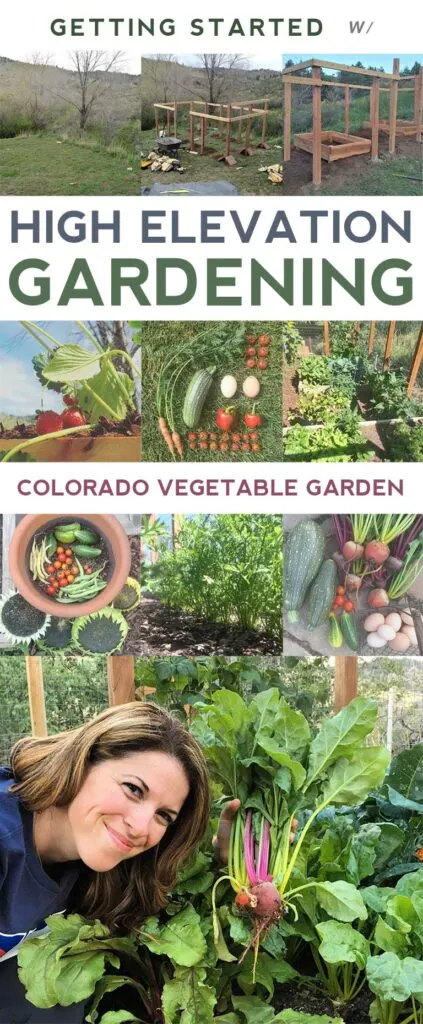
Planting Calendar for Front Range, Mountains, and Western Slope
Dates shift by microclimate, but this guide works well. Use your average last frost and count backward.
Front Range (zones 5–6; Denver, Boulder, Fort Collins)
- Sow 6–8 weeks before last frost indoors: tomatoes, peppers, cabbage, broccoli.
- Direct seed 4–6 weeks before last frost: peas, spinach, lettuce, radish, carrots, beets.
- Transplant warm crops after last frost: usually mid-May to early June.
- Fall crops: seed late July to early August for a September–October harvest.
Mountains (zones 3–5; higher elevation towns)
- Season is short. Use transplants and row covers.
- Focus on greens, peas, roots, and early potatoes.
- Warm crops only in protected spots, with black mulch and low tunnels.
Western Slope (zones 5–7; Grand Junction, Montrose)
- Earlier last frost and longer season.
- Great for melons, corn, and peppers if you choose early types.
- Watch for curly top virus in tomatoes; use row cover early.
A simple tip for anyone picking the Best Vegetables To Grow In Colorado: time is everything. Start early with covers. End late with covers. That doubles your harvest window.

Soil, Water, and Fertility for Colorado Gardens
Colorado soils vary from heavy clay to sandy, often with a high pH. Many spots need organic matter each season. The Best Vegetables To Grow In Colorado thrive when you feed the soil first.
What works best:
- Add 1–2 inches of compost each spring. Mix into the top 6–8 inches.
- Test your soil every 2–3 years. Adjust pH and nutrients based on results.
- Use drip irrigation for steady moisture. Mulch with straw or shredded leaves.
- For leafy crops, add a little extra nitrogen. For roots, avoid too much nitrogen or you get big tops and small roots.
- If leaves yellow in alkaline soil, try chelated iron and maintain even moisture.
Research shows steady moisture cuts splitting in tomatoes and carrots. It also lowers bitter notes in lettuce and bolting in greens. That is key to the Best Vegetables To Grow In Colorado tasting great.

Beating Frost, Wind, Hail, and Sun: Season Extension and Protection
I never garden here without covers in arm’s reach. Protection gear can save a season in one storm. It is central to growing the Best Vegetables To Grow In Colorado.
Tools that work:
- Row cover: Use 0.5–1.0 oz fabric for frost and insect control.
- Low tunnels: PVC hoops with row cover or plastic boost heat by 3–8°F.
- Hail cloth: 30–50% shade net stops hail and slows sun scorch.
- Cold frames and Wall-O-Water: Great for tomatoes and peppers in May.
- Windbreaks: Fencing or dense plantings cut wind stress.
Action steps before a cold snap:
- Water deeply the day before. Moist soil holds heat.
- Cover by late afternoon. Add jugs of warm water for thermal mass.
- Vent covers in the morning to avoid heat build-up.

Pests and Diseases in Colorado Veggie Gardens
The dry air slows some diseases, but pests do find us. Knowing your foes keeps harvests safe and supports the Best Vegetables To Grow In Colorado.
Common pests and fixes:
- Aphids and flea beetles: Use floating row cover early. Knock aphids off with water.
- Cabbage worms: BT spray in the evening when larvae are small.
- Squash bugs: Hand-pick eggs on leaf undersides. Remove plant debris.
- Grasshoppers: Young nymphs are easiest to manage. Use exclusion netting.
- Spider mites: Rise in hot, dry spells. Boost humidity and use gentle sprays.
Diseases to watch:
- Early blight in tomatoes: Mulch, prune lower leaves, and rotate beds.
- Powdery mildew on squash: Choose resistant varieties and improve airflow.
- Curly top virus (Western Slope risk): Use row cover early and remove sick plants.
Integrated Pest Management and clean fall cleanup matter. Extension trials support this. It keeps chemicals low and results high in the Best Vegetables To Grow In Colorado.

Raised Beds and Containers for Short Seasons
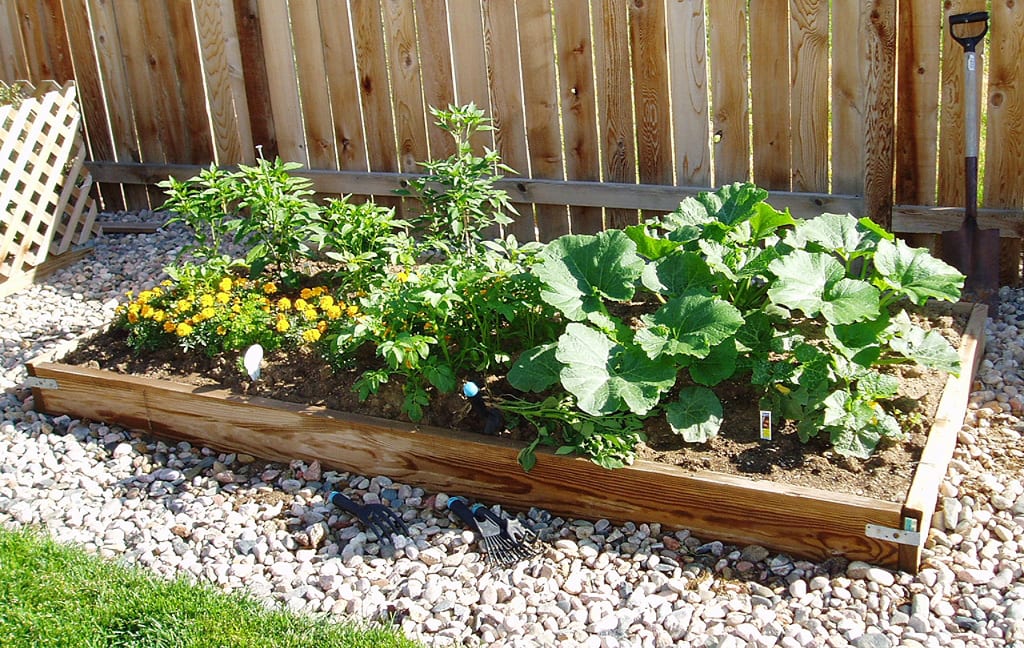
Raised beds warm up fast and drain well. Containers let you control soil and move plants before frost. Both boost success with the Best Vegetables To Grow In Colorado.
Tips that raise yields:
- Depth: 10–12 inches for roots; 14–18 inches for tomatoes.
- Soil mix: Compost-rich blend with some perlite for drainage.
- Black mulch: Warms soil for peppers and melons.
- Container sizes: 5 gallons for peppers and bush tomatoes; 10–15 gallons for indeterminate tomatoes; 2–3 gallons for herbs.
- Watering: Self-watering containers help during hot, windy days.
I grow my earliest tomatoes in a dark 15-gallon pot by a south wall. That microclimate beats the cold spring and always gives me the first ripe fruit.

Personal Lessons From Colorado Plots
I learned the hard way that not all “heirlooms” fit our season. My big beefsteaks stayed green for years. Stupice and Early Girl now lead my tomato list for the Best Vegetables To Grow In Colorado.
A few wins and fixes:
- Hail happens: Row cover saved my peas and lettuce in June. Keep it clipped and ready.
- Carrots forked: I raked out rocks and watered evenly. Napoli turned sweet and straight.
- Peppers stalled: Raised beds, black mulch, and windbreaks got me full baskets.
- Spinach bolted: I switched to successive sowing and morning shade. Problem solved.
These small changes made my garden steady, even in wild weather.
Harvesting and Storage Tips for Peak Flavor
Right timing turns good crops into great meals. This is the final step for the Best Vegetables To Grow In Colorado.
Quick rules that work:
- Harvest in the cool morning for crisp greens and peas.
- Pick zucchini small and often. Tender fruit tastes best.
- Cure onions and garlic in a dry, airy place for 2–3 weeks.
- Store carrots and beets in the fridge in a bag, or in damp sand in a cool space.
- Blanch and freeze greens and peas to lock in flavor.
With steady picking, many plants keep producing. That stretches the season and fills your kitchen.
Frequently Asked Questions of Best Vegetables To Grow In Colorado
What month should I start planting vegetables in Colorado?
Start cool-season crops outdoors 4–6 weeks before your last frost, often March–April on the Front Range. Start warm-season crops indoors 6–8 weeks before last frost.
Can tomatoes grow well in Colorado’s short season?
Yes, with early varieties like Stupice or Early Girl and some protection. Use black mulch, a south-facing spot, and row cover on cool nights.
Which soil is best for Colorado vegetable gardens?
Loamy soil rich in compost with good drainage works best. Aim for a slightly acidic to neutral pH if possible, but many crops still thrive in mild alkalinity with care.
How do I protect vegetables from hail and late frost?
Keep row cover and hail cloth ready and install before storms. Water deeply before freezes and vent covers on sunny mornings.
Are raised beds better than in-ground in Colorado?
Often yes, because they warm faster and drain better. They also let you control soil pH and texture more easily.
What are the easiest vegetables for beginners here?
Lettuce, kale, radishes, peas, and bush beans are very forgiving. Carrots and beets do well once soil is loosened and watered evenly.
How often should I water in the summer?
Usually 1–1.5 inches per week, split into 2–3 sessions. Use drip irrigation and mulch to reduce evaporation.
Conclusion
Colorado gardens reward the grower who plans for cold nights, hot sun, and sudden storms. Choose short-season stars, protect them well, and you’ll master the Best Vegetables To Grow In Colorado. Start with peas, greens, roots, and a few early tomatoes, then scale up with confidence. Ready to grow more with less guesswork? Try one tip from this guide today, then share your results or questions in the comments so we can learn together.

I enjoy sharing simple gardening ideas, lawn care tips, and honest product reviews that help make outdoor work easier. From home gardening guides to helpful tools and lawn care advice, I write easy-to-follow content to help readers create a healthier and better-looking outdoor space without wasting time or money.