
As an Amazon Associate, I earn from qualifying purchases.
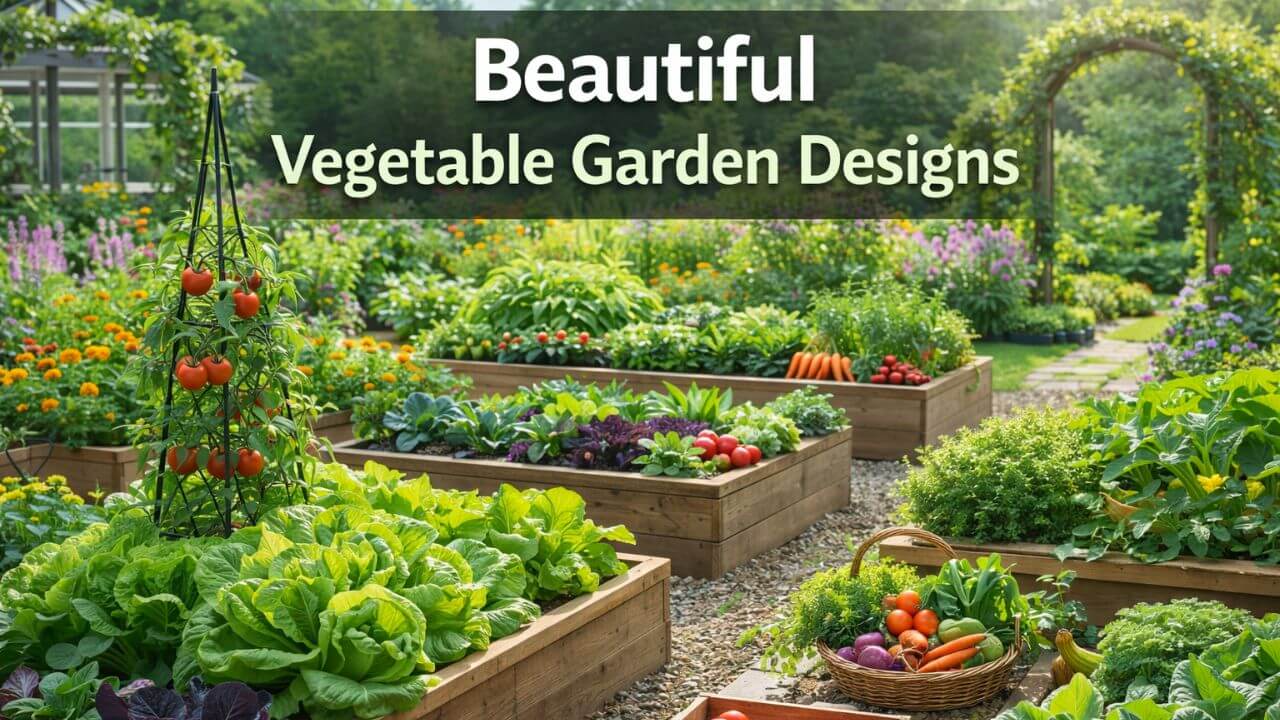
Beautiful vegetable garden designs balance beauty, yield, and easy care in any space.
A garden can feed your eyes and your table at the same time. In this guide, I share how beautiful vegetable garden designs come together. I mix proven methods with hard-won lessons from years in the soil. You will see clear steps, fresh ideas, and plans you can use today.
:strip_icc()/bhg-flower-vegetable-garden_7hisOaBM4AB9-RP4j76n6R-f5746e1a7be04193b4c681c09244bac2.jpg)
What makes a vegetable garden design beautiful
Beauty starts with purpose. You want beds that look neat, grow well, and are easy to tend. Form follows function. Your layout should guide the eye and your feet.
Key design cues that always work:
- Clear shapes help the space feel calm and clean.
- Strong lines from paths and edges add order.
- Repeated plants and colors tie beds together.
- Height and layers add depth and drama.
- A focal point gives the garden a clear center.
Practical rules from the field:
- Match the bed size to your reach. Four feet wide fits most arms.
- Keep paths wide. Thirty inches makes a wheelbarrow pass.
- Aim for six to eight hours of sun for most crops.
- Place water near the entry. You will water more with less work.
- Use mulch. It cuts weeds and saves water.
I use these rules to shape beautiful vegetable garden designs for small yards and large plots. They make the space look good and work even better.
Popular styles for beautiful vegetable garden designs
French potager
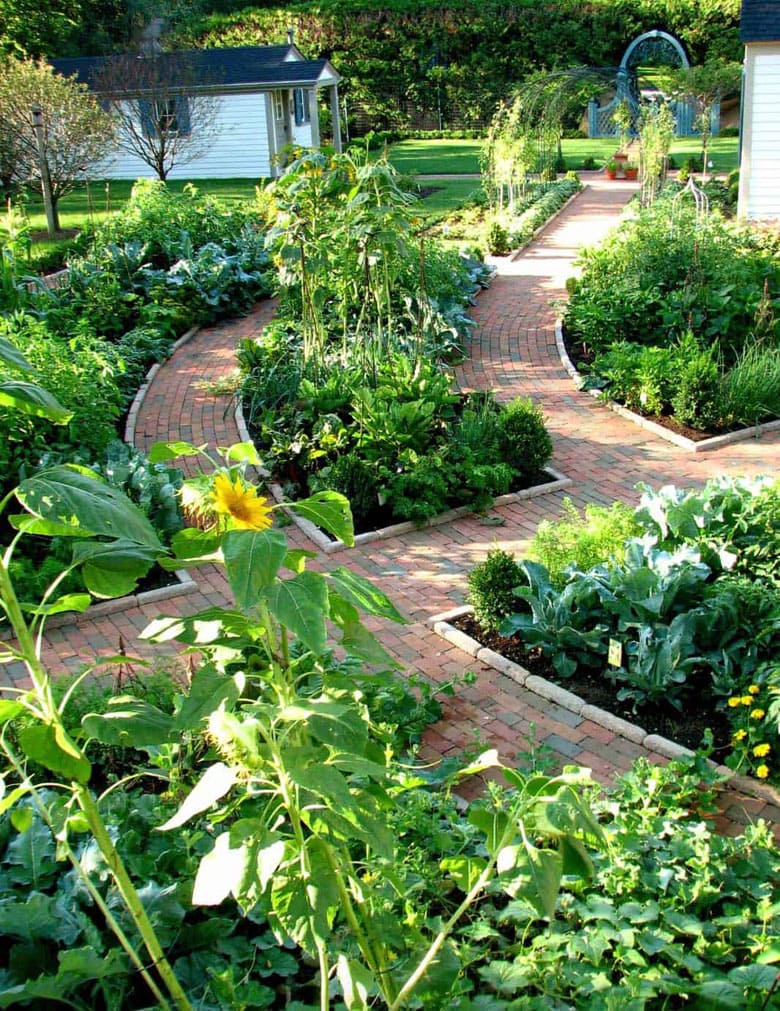
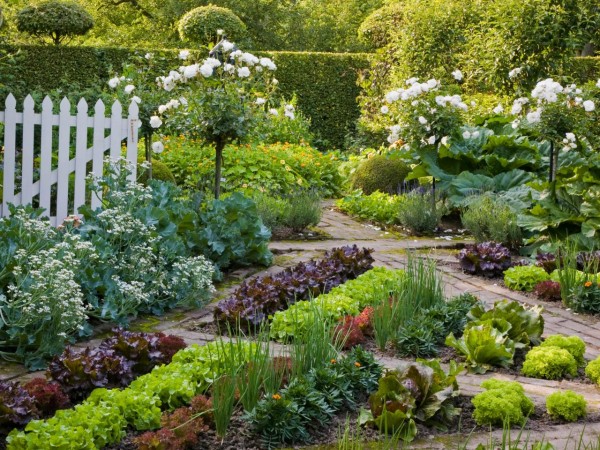
A potager blends herbs, veg, and flowers in tidy blocks. Think boxwood borders, brick paths, and colorful crops. It looks formal but feels alive.
Raised-bed grid
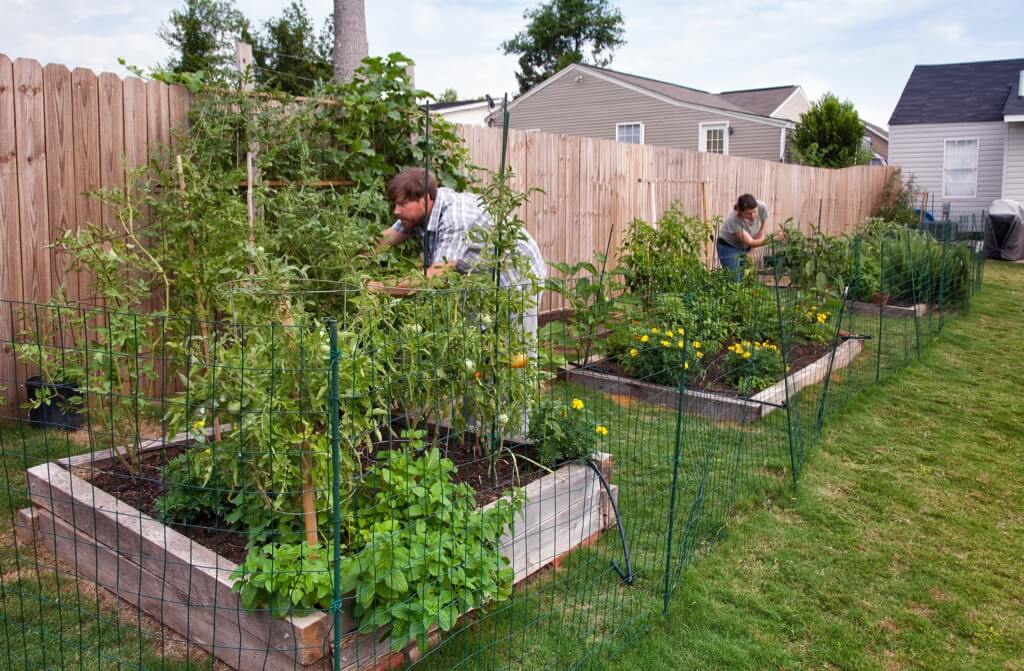
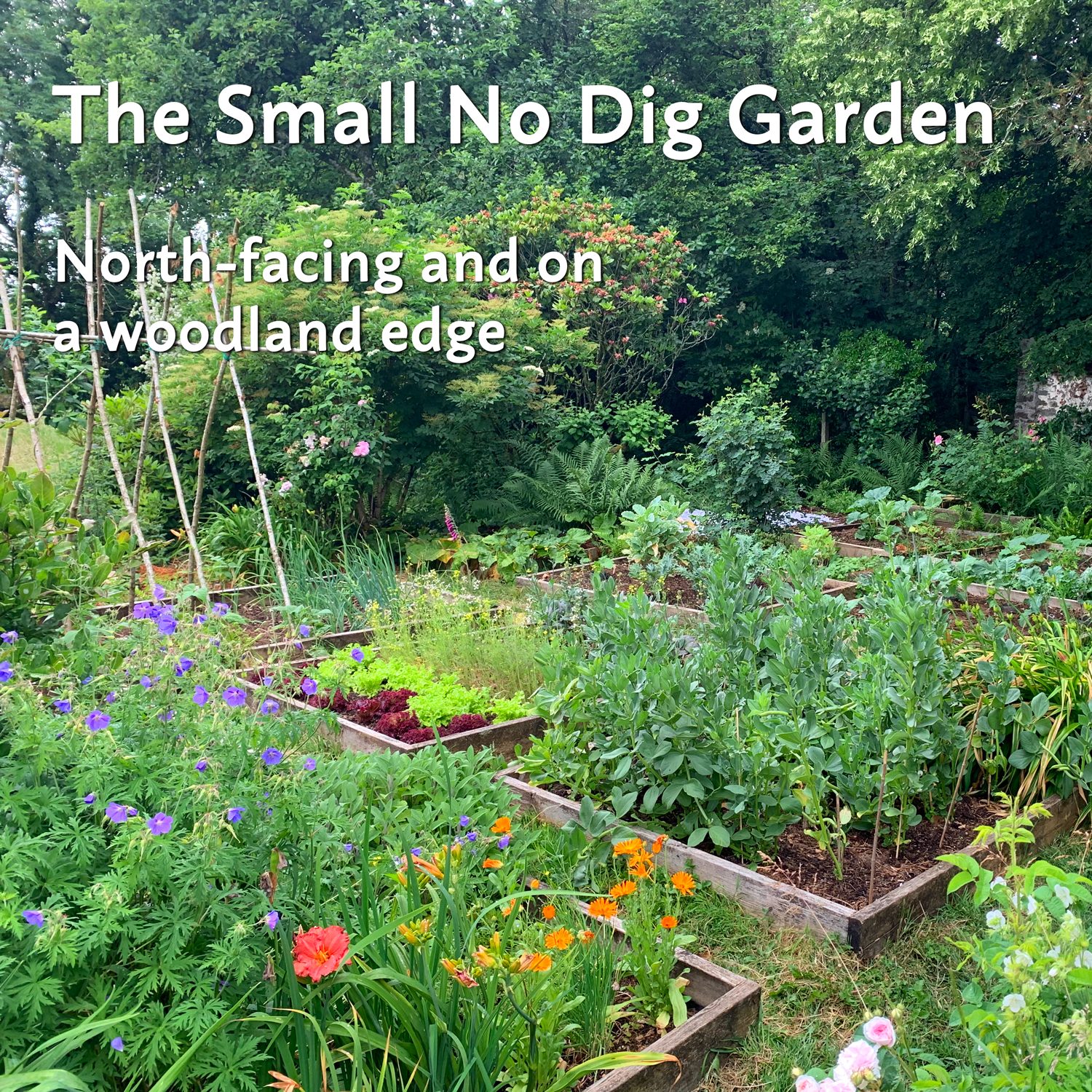
Straight beds. Clean lines. Simple crop blocks. This style is fast to build and easy to plan. It suits modern homes and busy lives.
Cottage edible border
Loose and lush. Kale with cosmos. Beans with sweet peas. You get charm and many pollinators. This suits small front yards.
Modern minimal
Fewer plants. Bolder shapes. Charcoal beds, steel edges, and airy spacing. Every item has a job. Every view is clear.
Mediterranean courtyard
Warm stone, terracotta pots, olives, and thyme. Heat-loving veg shine here. Drip lines hide under gravel.
Permaculture keyhole
Beds curve into a keyhole shape. You reach all soil from one spot. Compost sits in the center. Waste becomes food for the bed.
Each style can become one of your beautiful vegetable garden designs. Pick one base look. Then mix small parts from others to suit your site.
:strip_icc()/bhg-backyard-landscaped-garden_CKv8c7RzaK1967Vb-jzq5i-94dee4e1abc249ac98ed26bf23e659fb.jpg)
Layouts and bed shapes that work
Good layouts save time and back pain. They also make crops pop.
Strong options:
- Rectangles keep it simple. Great for square foot gardening.
- L-shaped runs fit corners and create pocket rooms.
- Curved beds soften fences and add flow.
- Keyhole beds boost reach and soil life.
- Modular 4×8 beds fit standard lumber and drip kits.
Smart spacing tips:
- Leave a main path that is at least 36 inches wide.
- Stagger beds to frame views and hide compost zones.
- Place tall crops on the north side to avoid shade on others.
- Drop in a seat. You will linger and spot issues early.
These moves turn any plan into beautiful vegetable garden designs that are easy to live with.
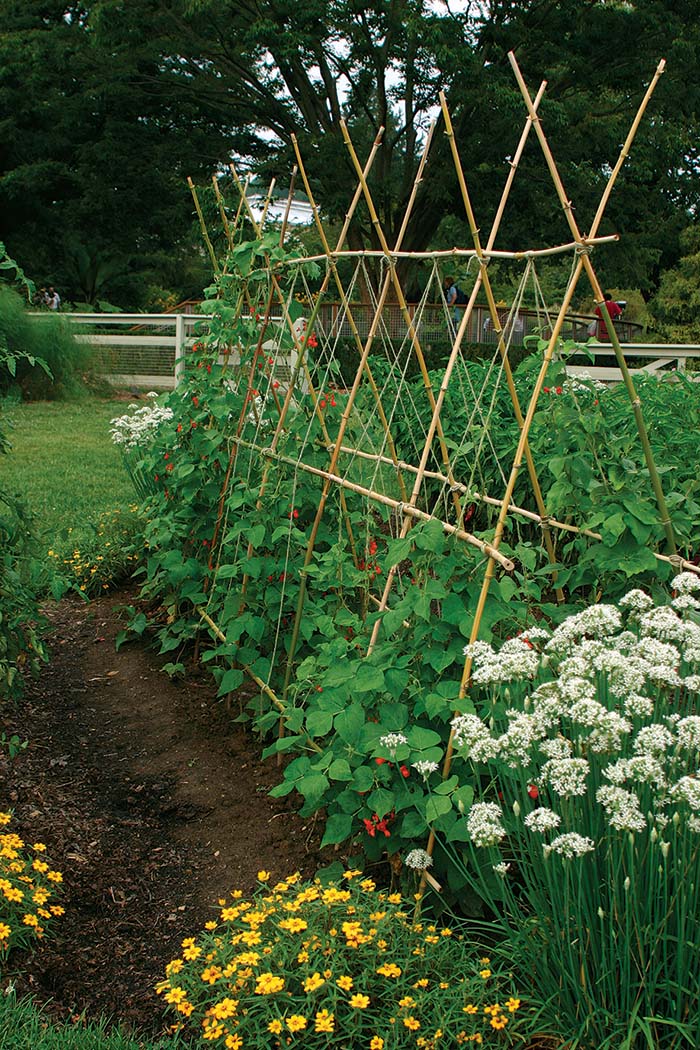
Vertical features and trellises
Height makes space feel rich. It also lifts vines into the sun and air.
Trellis ideas that last:
- A-frame trellises fold for winter. They suit cucumbers and beans.
- Cattle panels bend into arches. Add peas in spring, gourds in fall.
- Obelisks anchor corners. Grow cherry tomatoes or Malabar spinach.
- Espalier a fruit tree along a fence. It looks artful and saves space.
Build with cedar, metal, or bamboo. Secure posts deep in the soil. Tie vines with soft ties. Vertical accents are a core part of many beautiful vegetable garden designs.
Paths, edges, and focal points
Paths lead the eye. Edges hold the scene. Focal points stop you in your tracks.
Good path materials:
- Gravel drains fast and is cheap.
- Brick feels warm and classic.
- Wood chips are soft underfoot and feed soil as they break down.
Edges that shape beds:
- Steel is thin and crisp.
- Brick soldiers add charm.
- Living borders with thyme or chives smell great.
Add one bold focal point:
- A bird bath brings life and light.
- A painted bench adds color and rest.
- A tall pot or urn anchors a view.
These simple moves turn plain beds into beautiful vegetable garden designs with style and order.
Color, texture, and seasonal interest
Veg gives more color than most think. Play with leaves, stems, and blooms.
Easy wins:
- Mix purple basil, rainbow chard, and blue kale for bold contrast.
- Plant marigolds, calendula, and nasturtiums for flowers that help pollinators.
- Use silver leaves like sage to calm bright tones.
- Let dill and fennel bloom. They draw helpful insects.
Keep the show going:
- Spring: peas, lettuces, radishes, and tulips at edges.
- Summer: tomatoes, peppers, zinnias, and basil.
- Fall: kale, cabbages, mums, and pansies.
Color planning is a fast path to beautiful vegetable garden designs that never look dull.
Small-space and balcony beautiful vegetable garden designs
You can grow a feast on a tiny deck. The trick is smart pots and height.
What to use:
- Fabric grow bags keep roots cool and drain well.
- Self-watering planters hold water for busy weeks.
- Rail boxes fit greens and herbs right at hand.
Space savers:
- Use a vertical ladder shelf with trays for lettuce and microgreens.
- Hang planters for strawberries and trailing thyme.
- Train tomatoes on a single string tied to an overhead beam.
From my own 6×8 balcony test garden:
- Two 10-gallon bags grew a full season of peppers.
- An arch of two cattle panels made from short cuts held cucumbers.
- Drip lines on a timer saved the day during a heat wave.
These small moves create beautiful vegetable garden designs even where space is tight.

Soil, water, and low-maintenance systems
Healthy soil is the root of beauty. Good water habits keep it steady.
Build soil the simple way:
- Fill raised beds with one third compost, one third coconut coir or peat, and one third aeration like perlite.
- Top-dress with one inch of compost each season.
- Add mulch. Wood chips on paths. Straw or leaves on beds.
Water with care:
- Drip lines save water and keep leaves dry.
- Use a timer for steady, slow soaks.
- Collect rain in a barrel to feed beds on dry days.
Evidence is clear. Compost boosts yields and improves soil life. Drip irrigation cuts water loss and disease risk. These steps make beautiful vegetable garden designs easier to keep lush and clean.
Planting plans, succession, and rotation
Plan like a chef and a farmer. You want fresh harvests all year.
Simple plan steps:
- Map sun and shade. Note wind and frost pockets.
- Group crops by height, water needs, and family.
- Rotate families each year to lower pests and disease.
A friendly 3-year rotation:
- Year 1: legumes fix nitrogen.
- Year 2: leafy crops use that boost.
- Year 3: fruiting crops enjoy the rich soil.
Succession basics:
- Sow quick greens every two weeks.
- After peas, plant beans. After garlic, plant late greens.
- Keep a tray of starts ready to fill gaps.
This rhythm keeps beds full and turns plans into beautiful vegetable garden designs that deliver steady color and food.
Real-world case studies and personal lessons
Suburban potager, 20×30 feet:
- Four 4×8 cedar beds with brick paths.
- A center obelisk with scarlet runner beans.
- Herbs and flowers as living edges. Drip on a timer.
- Results: clean looks, few weeds, easy harvests, and happy neighbors.
Condo balcony, 6×8 feet:
- Three self-watering tubs and a slim arch trellis.
- Dwarf tomatoes, peppers, basil, and cucumbers.
- Reflective foil behind plants to bounce light.
- Results: 30 pounds of harvest, low disease, and a lush screen.
Lessons I keep:
- Put water first. Beauty follows.
- Overbuild trellises. Wind happens.
- Plant flowers in every bed. The garden hums.
These simple, tested steps shape beautiful vegetable garden designs that are real and repeatable.
Common mistakes and how to avoid them
Mistakes I see often:
- Beds too wide. You step on soil and hurt roots.
- No clear paths. You avoid the garden and miss issues.
- Mixed water needs in one bed. Some plants drown while others thirst.
- No mulch. Weeds win and soil bakes.
- One big planting. Then a long gap with no harvest.
Fixes that work:
- Keep beds at four feet max.
- Set a path plan before building beds.
- Group crops by thirst and size.
- Mulch after every planting.
- Stagger sowing for steady yield.
These fixes keep beautiful vegetable garden designs healthy and stress free.
Quick PAA-style questions
Q: How many raised beds do I need?
A: Start with two 4×8 beds. Grow salad, a few fruits, and herbs with ease.
Q: Do flowers help a food garden?
A: Yes. Flowers draw bees and wasps that help pollination and control pests.
Q: Can I grow food in shade?
A: Leafy greens and herbs can grow in part shade. Fruit crops need more sun.
Frequently Asked Questions of Beautiful vegetable garden designs
How do I start if I have a plain lawn?
Start small with one or two raised beds and a clear path. Pick a style you love and add one focal point for instant charm.
What are the best plants for a showy yet edible border?
Mix chard, kale, and purple basil with marigolds and calendula. Add thyme at the edge for scent and a soft line.
How can I keep the garden looking tidy in midsummer?
Stake early, prune often, and refresh mulch after big rains. Remove spent plants and slide in new starts right away.
Which trellis style is best for beginners?
A simple A-frame is sturdy, cheap, and folds flat. It works for peas, beans, and cucumbers.
How do I design for less weeding?
Use deep mulch on paths and beds, and plant tight to shade soil. Drip irrigation also reduces weed growth between plants.
Conclusion
Beauty grows where design meets care. Start with simple shapes, clear paths, and one strong focal point. Add height, color, and flowers that support your crops. Build soil, water well, and plan quick successions.
Pick one idea today and try it this weekend. Make one bed, set one trellis, or lay one path. Your own beautiful vegetable garden designs will take shape fast. Want more guides like this? Subscribe, share your progress, or ask a question in the comments.

I enjoy sharing simple gardening ideas, lawn care tips, and honest product reviews that help make outdoor work easier. From home gardening guides to helpful tools and lawn care advice, I write easy-to-follow content to help readers create a healthier and better-looking outdoor space without wasting time or money.