
As an Amazon Associate, I earn from qualifying purchases.
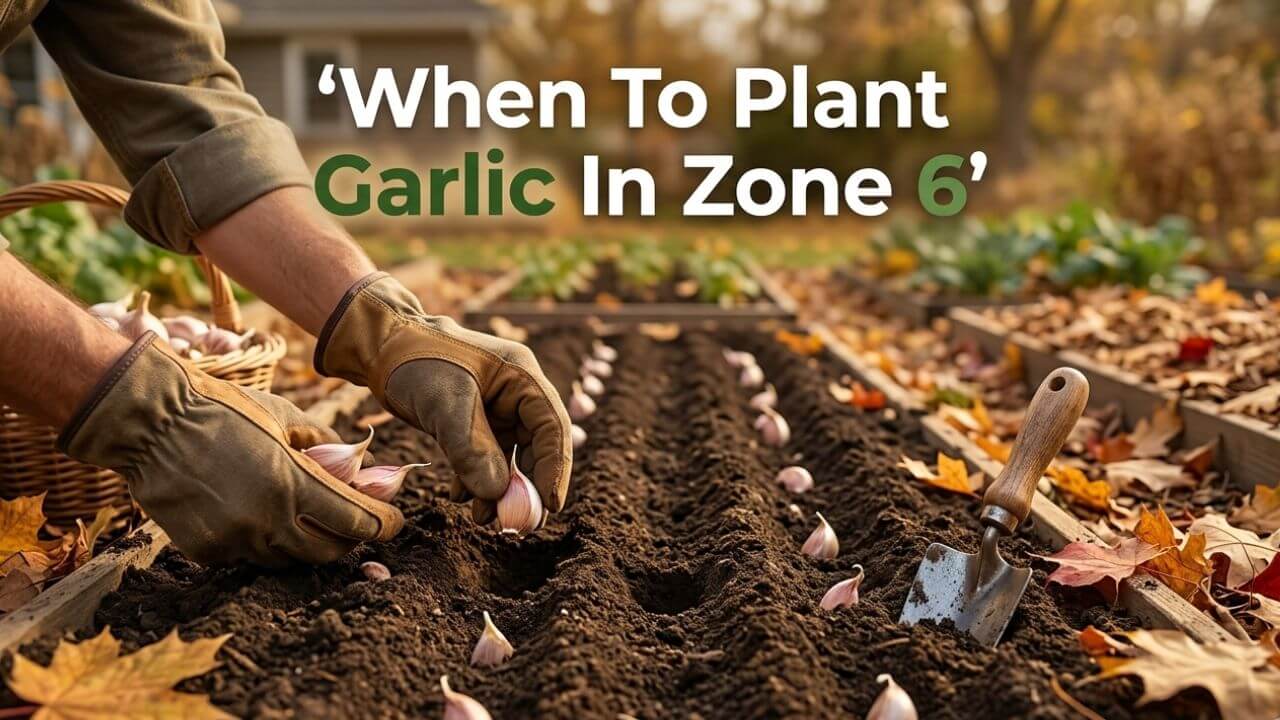
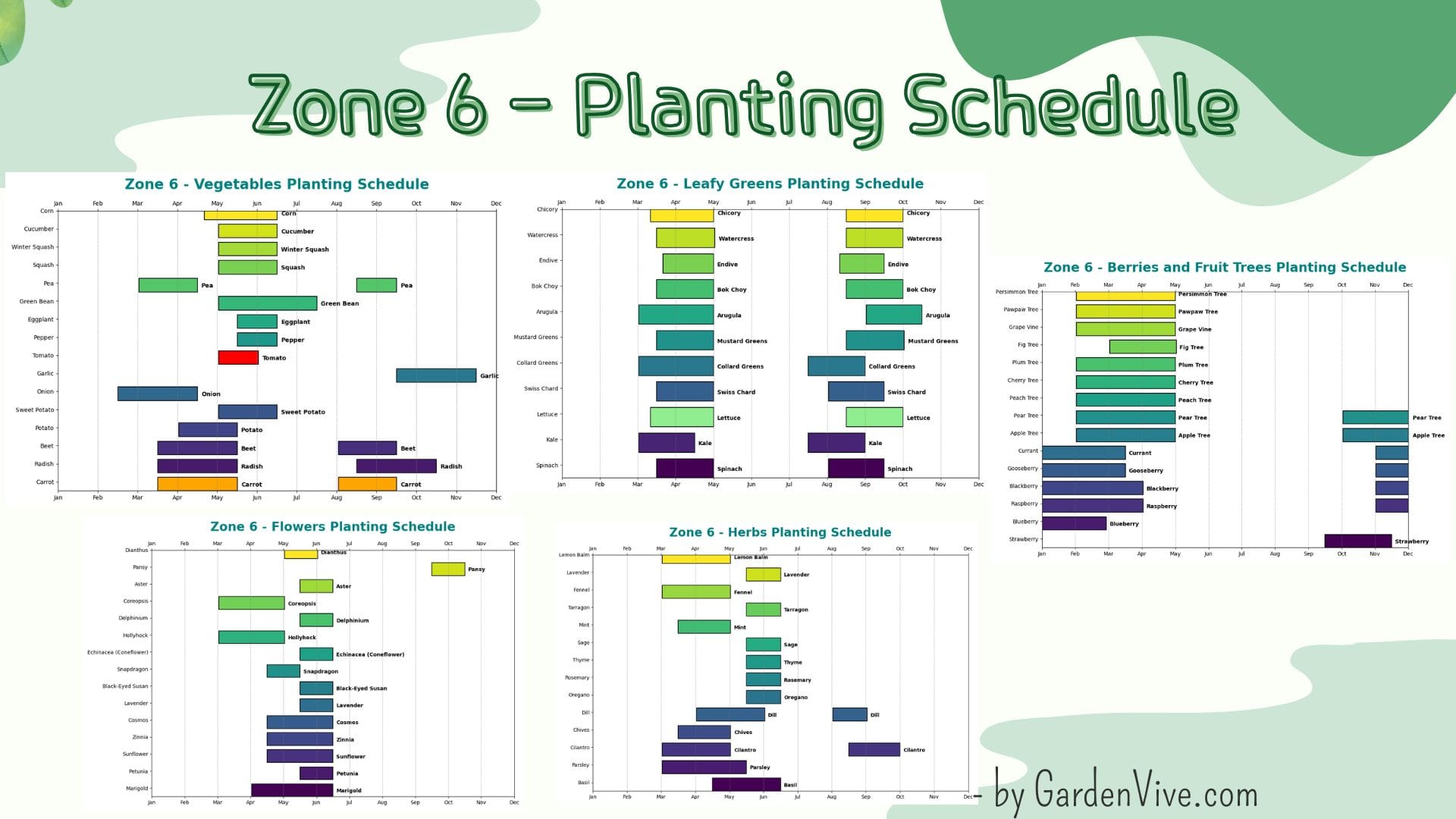
Plant garlic in Zone 6 from mid-October to early November for best results.
Curious about when to plant garlic in zone 6 and how to get big, tasty bulbs? You’re in the right place. I’ve grown garlic for years in Zone 6b, tested fall and spring timing, tracked soil temps, and learned from wins and mistakes. This guide explains when to plant garlic in zone 6, why timing matters, and how to prepare, plant, and care for it like a pro.
Understanding USDA Zone 6 and the Garlic Growth Cycle
Zone 6 has average winter lows between -10°F and 0°F. Garlic loves a cool start and a cold rest. It needs a chill period, called vernalization, to form full bulbs. The sweet spot is 6 to 12 weeks of soil temps near 32°F to 50°F.
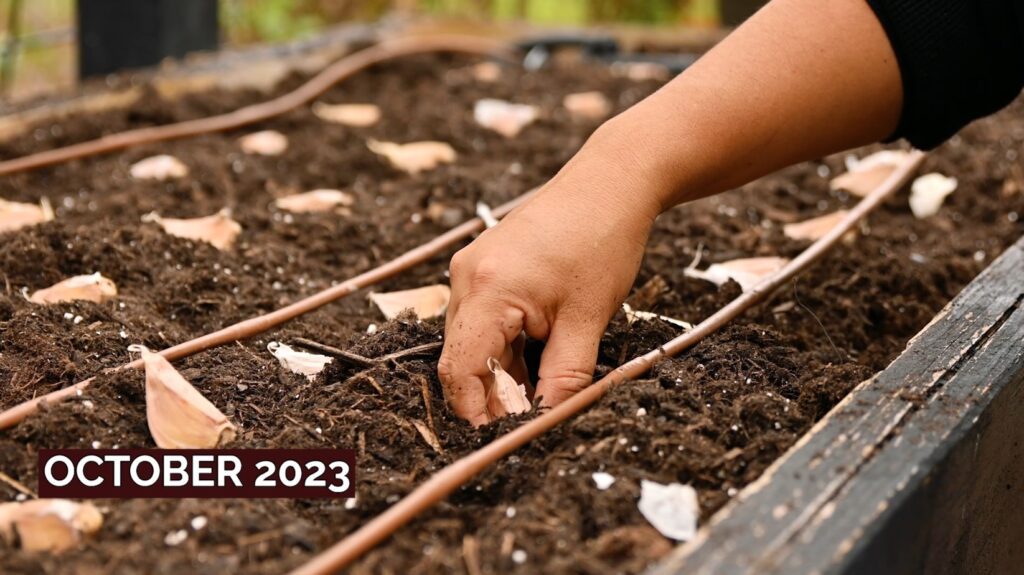
That is why the best time is fall. Aim to plant 4 to 6 weeks before the ground freezes hard. In most Zone 6 areas, that lands in mid-October through early November. You want roots to grow before deep cold, but you do not want tall green shoots before winter.
You can plant in spring. Do it as soon as the soil can be worked, often in March. Spring planting works for green garlic and scapes. Bulbs can be smaller, since they miss long chilling.
If you came here to learn when to plant garlic in zone 6, remember this timing rule. Plant in fall when soil cools and frost is near, not long after first frost.

Best Planting Window by Region in Zone 6
Zone 6 covers a lot of ground. Think parts of Pennsylvania, New Jersey, New York, Ohio, Missouri, Kentucky, Kansas, Virginia, and Tennessee. Local weather matters more than the map. Use dates as a guide, then check your frost.
- Zone 6a (colder spots): Target October 10 to October 31.
- Zone 6b (milder spots): Target October 20 to November 10.
- Urban heat islands: You may plant a week later.
- Coastal or sheltered sites: You may push to mid-November if soil is still workable.
I plant in late October in my Zone 6b beds. That has given me strong roots before winter and no tall tops. If a warm fall runs long, I push to early November. If a cold snap hits early, I plant sooner and add more mulch.
If you wonder when to plant garlic in zone 6 by date, this is the range most growers use. Watch soil temps near 50°F and falling. That is your green light.
:strip_icc()/GettyImages-2164328528-3acf293318bc45bab0cdbbe1d9a7cae8.jpg)
Soil Prep and Bed Setup for Zone 6 Garlic
Timing matters, but soil wins the harvest. Garlic needs loose, rich, well-drained ground.
- Choose full sun. You want 6 to 8 hours a day.
- Aim for pH between 6.5 and 7.0.
- Add 2 to 3 inches of compost and mix it in.
- Use raised beds if your soil stays wet. Garlic hates soggy feet.
- Blend in a slow-release organic fertilizer at planting. A balanced 4-4-4 or 5-5-5 works.
- Avoid fresh manure. It can burn and add disease risk.
Plant cloves 4 to 6 inches apart. Space rows 8 to 12 inches. Set each clove point up. Cover so the top of the clove sits about 2 inches below the surface. In colder 6a areas, go to 3 inches deep.
Mulch right after planting. Use clean straw, shredded leaves, or pine needles. Lay 3 to 6 inches to guard roots, save moisture, and block weeds.
Knowing when to plant garlic in zone 6 is step one. Good soil and mulch make that timing pay off.

Choosing Garlic Varieties for Zone 6
Garlic comes in two main types. Both can thrive in Zone 6 with the right care.
-
Hardneck garlic
- Great for cold winters.
- Bold flavor. Forms a stiff central stalk.
- Sends up scapes you can eat.
- Often larger cloves and richer taste.
- Stores 4 to 6 months.
- Try Music, German Extra Hardy, Chesnok Red, and Spanish Roja.
-
Softneck garlic
- Better for braids and long storage.
- Mild to medium flavor.
- No scapes in most cases.
- Stores 6 to 9 months.
- Try Inchelium Red and Nootka Rose.
Elephant garlic is not true garlic. It is closer to a leek. It gives huge bulbs but a mild taste. It can grow in Zone 6 but needs rich soil and steady care.
If you ask when to plant garlic in zone 6 by type, the window is the same. Plant both types in mid-October to early November for best bulbs.

Step-by-Step Planting Checklist
Use this short list on planting day.
- Pick healthy seed garlic. Do not use treated grocery bulbs.
- Break heads into cloves right before planting. Do not peel the clove skins.
- Set cloves pointy end up, 4 to 6 inches apart.
- Plant 2 to 3 inches deep based on your microclimate.
- Water to settle soil. Do not flood.
- Mulch 3 to 6 inches at once.
- Label your rows and note the date.
This is the method I follow each fall. It is simple and repeatable. It has worked well for me across many Zone 6 seasons.
If you still need a cue for when to plant garlic in zone 6, plan a weekend after your first light frost and before a hard freeze.
Weather-Based Timing Cues and Microclimates
Dates are nice. Weather is king. Here are cues I trust.
- Soil at 50°F and cooling: plant.
- First light frost has passed: plant within 1 to 2 weeks.
- Night lows near freezing and days cool: plant.
- Before ground freezes hard for winter: plant.
Microclimates can shift your plan.
- South-facing beds warm faster. Plant a bit later.
- Windy hilltops cool faster. Plant a bit sooner.
- Urban patios stay warmer. Plant later and mulch well.
If you are late, you can still plant. Get the cloves in before the soil locks up. Add extra mulch and be patient. If you must wait until spring, plant as soon as soil is workable. Expect smaller bulbs but fine flavor.
These cues help fine-tune when to plant garlic in zone 6, no matter your town.

Fall vs Spring Planting in Zone 6: Pros and Cons
Both can work. Choose by your goals.
-
Fall planting
- Pros: Larger bulbs, strong roots, reliable scapes, better yields.
- Cons: Needs mulch and good drainage in winter.
-
Spring planting
- Pros: A fix if you missed fall. Great for green garlic.
- Cons: Smaller bulbs, shorter storage, may skip scapes.
Most home growers who ask when to plant garlic in zone 6 will do best with fall timing. It gives you the chill hours and stout roots that build big heads.
Care Calendar from Planting to Harvest (Zone 6)
Use this month-by-month plan for Zone 6 beds.
-
October to November
- Plant and mulch. Water once after planting.
- Keep mulch in place to hold soil temp.
-
December to February
- Plants rest. Do not water unless there is a deep winter drought.
- Check mulch after storms.
-
March
- Shoots appear. Pull mulch back a bit to let shoots rise.
- Side-dress with nitrogen, like alfalfa meal or fish emulsion.
-
April to May
- Keep weeds down. Water 1 inch per week if no rain.
- Hardneck scapes will form. Snap them off when they curl once.
-
June
- Reduce water as tops yellow.
- Stop watering 7 to 10 days before harvest.
-
Late June to mid-July
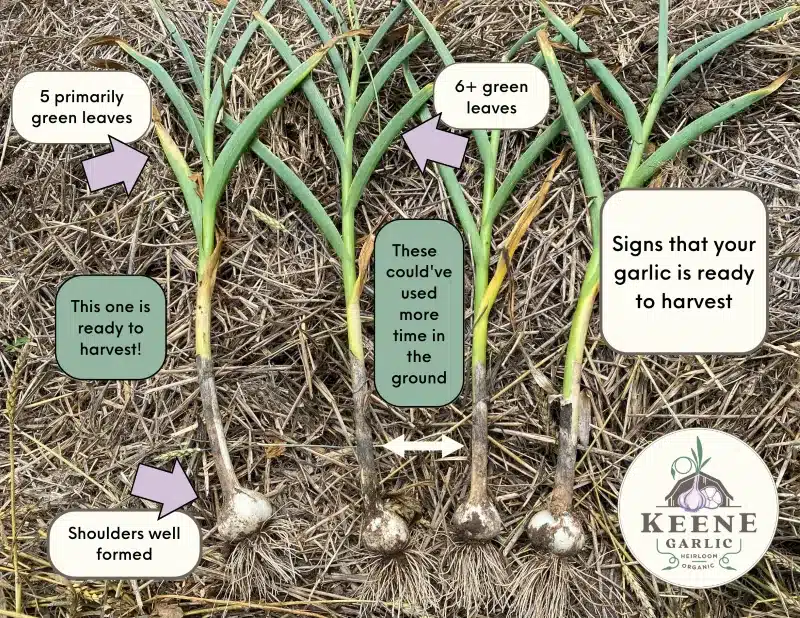
- Harvest when 3 to 4 green leaves remain. That means the wrappers are still tight.
- Lift with a fork. Do not yank.
-
July
- Cure bulbs 2 to 3 weeks in a dry, airy, shaded space.
- Trim roots and tops. Sort and store.
This timeline matches the classic advice on when to plant garlic in zone 6 and what follows each season.

Common Mistakes to Avoid in Zone 6 Garlic
-
Planting too early
- Tall fall growth can suffer winter burn and disease.
-
Planting too late
- Roots stay weak and bulbs can be small.
-
Shallow planting
- Frost can heave cloves. Plant 2 to 3 inches deep.
-
Skipping mulch
- More weeds, freeze-thaw stress, and dry soil.
-
Poor drainage
- Wet soil invites rot. Use raised beds if needed.
-
Wrong variety
- Choose hardy types for cold winters.
-
Grocery store garlic
- It may be treated to stop sprouting and can bring disease.
-
Harvesting too late
- Bulbs split and do not store well.
Avoid these and your plan for when to plant garlic in zone 6 will reward you with full, tight bulbs.
Pests and Diseases in Zone 6 and How Timing Helps
-
Onion maggot
- Adults lay eggs in spring. Strong fall roots and clean beds help plants resist damage.
- Use row cover in spring if maggots are a known issue.
-
Garlic rust
- Shows as orange spots on leaves in wet spring weather.
- Give plants space and airflow. Avoid overhead watering in cool, damp spells.
-
Fusarium and basal plate rot
- Linked to warm, wet soil and stress.
- Rotate alliums for 3 to 4 years. Plant in well-drained soil.
-
White rot
- Serious and can last in soil for years.
- Buy clean seed garlic. If found, do not plant alliums in that bed.
Good timing lowers stress. Healthy, well-timed fall planting is the best defense. It is another reason the advice on when to plant garlic in zone 6 points to mid-fall.
Yield Expectations and Storage Tips
What can you expect from a small bed?
-
Seed needs
- One pound of seed garlic plants about 20 to 25 feet of row at 6-inch spacing.
- Hardneck heads have fewer, larger cloves. You need more weight to plant the same space.
-
Yield
- A common range is 4 to 7 pounds harvested per pound of seed planted.
- Yields vary by variety, soil, and weather.
-
Curing
- Cure 2 to 3 weeks in a dry, shaded, airy spot at warm room temps.
- Do not wash bulbs. Brush off dry soil.
-
Storage
- Keep in a cool, dark place with airflow.
- Softneck stores 6 to 9 months. Hardneck stores 4 to 6 months.
- Avoid the fridge unless you plan to plant. Mid-range temps can trigger sprouting.
Good curing and storage lock in the gains you made when you nailed when to plant garlic in zone 6.
Frequently Asked Questions of when to plant garlic in zone 6
What month do you plant garlic in Zone 6?
Plant in October to early November. Aim for 4 to 6 weeks before the ground freezes.
Can I plant garlic in Zone 6 in spring?
Yes. Plant as soon as soil can be worked in March. Expect smaller bulbs but fine eating.
How deep should I plant garlic in Zone 6?
Cover cloves so the top sits 2 inches below the surface. Go to 3 inches in colder 6a areas.
What is the best garlic type for Zone 6?
Hardneck types like Music and German Extra Hardy do great. Softnecks also grow well and store longer.
How do I know it is not too late to plant?
If the soil is still workable and not frozen solid, you can plant. Add extra mulch for protection.
Conclusion
Plant in mid-October to early November, mulch well, and let winter do the rest. That is the core lesson on when to plant garlic in zone 6. Pick hardy varieties, prep rich soil, and follow a simple care plan.
You can do this in one weekend and enjoy homegrown garlic for months. Start your bed this fall, keep notes, and refine your timing next year. Want more tips like this? Subscribe for monthly garden checklists, or drop a comment with your Zone 6 location and I will help you fine-tune your dates.

I enjoy sharing simple gardening ideas, lawn care tips, and honest product reviews that help make outdoor work easier. From home gardening guides to helpful tools and lawn care advice, I write easy-to-follow content to help readers create a healthier and better-looking outdoor space without wasting time or money.