
As an Amazon Associate, I earn from qualifying purchases.
Yes, you can use a tiller to remove weeds, but it works best in specific cases.
If you want fast weed control over a big area, a tiller can help. I’ve prepped many yards and beds with tillers. I’ll show when it shines, when it backfires, and how to do it right. This guide answers Can You Use A Tiller To Remove Weeds with clear steps, tested tips, and smart, long-term plans.
What a tiller actually does to weeds and soil
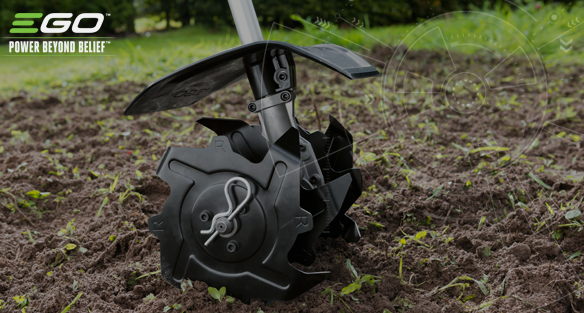
A tiller cuts, lifts, and mixes soil. It breaks stems and exposes roots to air and sun. That stress can kill many young weeds.
But it can also bring buried seeds to the top. Those seeds can sprout fast. Some weed roots can also split and spread. That is why results differ by weed type and timing.
Can You Use A Tiller To Remove Weeds with less risk? Yes, if you target small, soft weeds and dry days. Aim for a shallow pass and remove roots after. This small change can flip a bad job into a clean bed.

Can You Use A Tiller To Remove Weeds: pros and cons
Here is the clear view you need before you start.
Pros
- Fast over large spaces. You can cover a bed or yard in one pass.
- Exposes roots. Sun and wind dry them out.
- Good for annual weeds before they seed. It drops the seed load now and later.
- Helps with stale seedbeds. You can flush and kill new sprouts.
Cons
- Can spread perennials. Roots like quackgrass and bindweed can regrow from pieces.
- Pulls up buried seeds. That can trigger a big flush of new weeds.
- Can harm soil. Wet tilling can cause compaction and break soil structure.
- Can cause erosion. Loose, bare soil can wash or blow away.
Can You Use A Tiller To Remove Weeds with fewer downsides? Yes. Keep it shallow, work dry soil, and remove the debris. Add mulch after to block new sprouts.

Annual vs perennial weeds: know your target
Annual weeds
Annuals sprout, grow, and set seed in one season. Think crabgrass, lambsquarters, pigweed, and chickweed. A shallow till at the white-thread stage is ideal. It cuts them before roots anchor. They dry up in hours on a sunny day.
Can You Use A Tiller To Remove Weeds like these? Yes, and it works very well if done early.
Perennial weeds
Perennials store energy in roots or runners. Think bermuda grass, quackgrass, bindweed, nutsedge, and Canada thistle. Tilling can slice roots into many pieces. Each piece can regrow. One pass can turn one plant into fifty.
Use a plan instead. Smother with a tarp for weeks. Solarize in hot months. Hand-dig crowns. Or repeat shallow passes and remove every piece you see. It takes time but it works.

Step-by-step: use a tiller to remove weeds the right way
Can You Use A Tiller To Remove Weeds and not make things worse? Follow this simple path.
- Identify weeds. Note if they are annual or perennial.
- Mow or string-trim low. This reduces bulk and helps the tiller bite.
- Check soil moisture. It should be crumbly, not sticky. Wait if it smears.
- Set shallow depth. Start at 2 to 3 inches for the first pass.
- Go slow and straight. Do not churn deep on pass one.
- Rake up roots and crowns at once. Do not leave them to re-root.
- Make a cross pass if needed. Keep it shallow.
- Water lightly. Wait 7 days for a flush of new sprouts.
- Flame, hoe, or very lightly till those new sprouts.
- Mulch 2 to 3 inches, or plant and then mulch the row space.
This blends speed with control. It also supports a stale seedbed. That is key for fewer weeds next month.

Timing, soil moisture, and depth
Good timing wins the day. Aim for a dry, bright forecast. Sun and wind will desiccate roots fast. Midday passes speed dry-down.
Soil should be moist like a wrung-out sponge. If it is wet, wait. Wet tilling seals pores and causes clods. If it is bone dry and hard, water lightly the day before.
Depth matters too. Shallow cuts slice small weeds and leave seed deep. Deep cuts flip the soil and wake seeds. Can You Use A Tiller To Remove Weeds with shallow passes? Yes, and you will face fewer new weeds later.

Soil health and the weed seed bank
Tilling adds air and speeds decay for a short time. Then structure can slump. Organic matter can drop over time if you till a lot. That can invite more weeds that love bare, weak soil.
The seed bank holds years of potential weeds. Every deep flip brings new seeds up. The fix is simple. Keep cuts shallow. Use a stale seedbed. Mulch or cover-crop after. Can You Use A Tiller To Remove Weeds and still build soil? Yes, if you till less, mulch more, and keep roots in the ground when you can.

Tiller types and attachments for weed removal
Not all tillers act the same.
- Mini cultivators. Light, quick, great for soft soil and small weeds.
- Front-tine tillers. Agile in small beds. Best for shallow work.
- Rear-tine tillers. Stable and strong for sod or deep prep. Use care to avoid over-tilling.
- Vertical-tine or counter-rotating units. Good bite in tough soil with less smear.
- Add-ons. Row makers, furrowers, and depth skids help control depth and drift.
Choose the lightest tool that does the job. Can You Use A Tiller To Remove Weeds with a mini cultivator? Yes, for young weeds in loose soil. For tough sod, step up to a rear-tine, then scale back.

Alternatives and combos to reduce weeds long term
You do not have to till every time. Blend methods for fewer weeds over years.
- Mulch. Wood chips, straw, leaves, or compost block light and hold water.
- Tarping or occultation. Cover soil 3 to 6 weeks. Weeds sprout and die in the dark.
- Solarization. Clear plastic in peak heat cooks seeds near the surface.
- Hoeing. Stir the top inch every week while small weeds are tender.
- Flame weeding. Pass a torch to wilt tiny weeds before planting.
- Dense cover crops. Buckwheat or rye can smother and feed soil.
Can You Use A Tiller To Remove Weeds and then mulch? Yes. That one-two punch works in many yards.

Field notes: what has worked for me
My worst miss was tilling quackgrass in spring. I chopped it fine. Two weeks later, it was twice as bad. I learned to tarp first, then hand-lift the white rhizomes.
My best win was a stale seedbed. I tilled shallow, waited one week, then flamed the flush. I planted, then mulched right away. Weed pressure stayed low all season.
Can You Use A Tiller To Remove Weeds and get clean rows? Yes, if you pair shallow tilling with fast follow-ups. Be patient, and remove roots the same day.
Quick PAA-style answers
Will tilling spread weeds?
It can, mainly with perennials like bermuda grass and bindweed. Shallow passes and root removal reduce this risk.
How deep should I till to remove weeds?
Stay at 2 to 3 inches for annuals. Go deeper only for sod breakup, then shift to shallow passes.
Should I till before laying mulch?
Yes, if the soil is lumpy or root-bound. Till shallow, remove roots, level, then add 2 to 3 inches of mulch.
Frequently Asked Questions of Can You Use A Tiller To Remove Weeds
Will a tiller kill crabgrass?
If you till before it seeds, shallow passes can work. Follow with mulch to block new sprouts from the seed bank.
Can a tiller remove dandelions?
Not in one pass. Dandelions have deep taproots that break and regrow. Hand-pull or use a fork to lift the crown after a shallow till.
Is it better to till or hand-weed?
Hand-weed for small beds or perennials. Tilling is faster for large areas with mostly annual weeds, but still remove roots.
Can I till wet soil to pull weeds easier?
Avoid it. Wet tilling compacts soil and smears pores. Wait until soil crumbles in your hand.
How often should I till for weed control?
As little as you can. Use one setup till, then rely on mulch, hoes, or a stale seedbed. This keeps soil healthy and weeds down.
Conclusion
You can use a tiller to remove weeds, but success hinges on the details. Work shallow, target young annuals, remove roots at once, and follow with mulch or a stale seedbed. For tough perennials, prep with tarps, hand-lift crowns, and be patient.
Take one area this week and try the shallow-till plus mulch plan. Track what works and refine your timing. Want more practical guides like this? Subscribe, share your results, or ask a question in the comments.

I enjoy sharing simple gardening ideas, lawn care tips, and honest product reviews that help make outdoor work easier. From home gardening guides to helpful tools and lawn care advice, I write easy-to-follow content to help readers create a healthier and better-looking outdoor space without wasting time or money.