
As an Amazon Associate, I earn from qualifying purchases.
Block light, keep water cool, sanitize gear, and refresh nutrient solution.
If green slime is stealing your yield and clogging lines, you are not alone. I’ve spent years solving how to get rid of algae in hydroponics for hobbyists and farms. This guide blends real-world fixes with proven best practices. Read on for simple steps, pro tips, and a system-by-system plan that actually works.
What causes algae in hydroponics?
Algae is a fast-growing plant-like organism. It loves light, nutrients, warm water, and still zones. In a hydroponic system, that mix is common, so outbreaks happen fast.
Key drivers you can control:
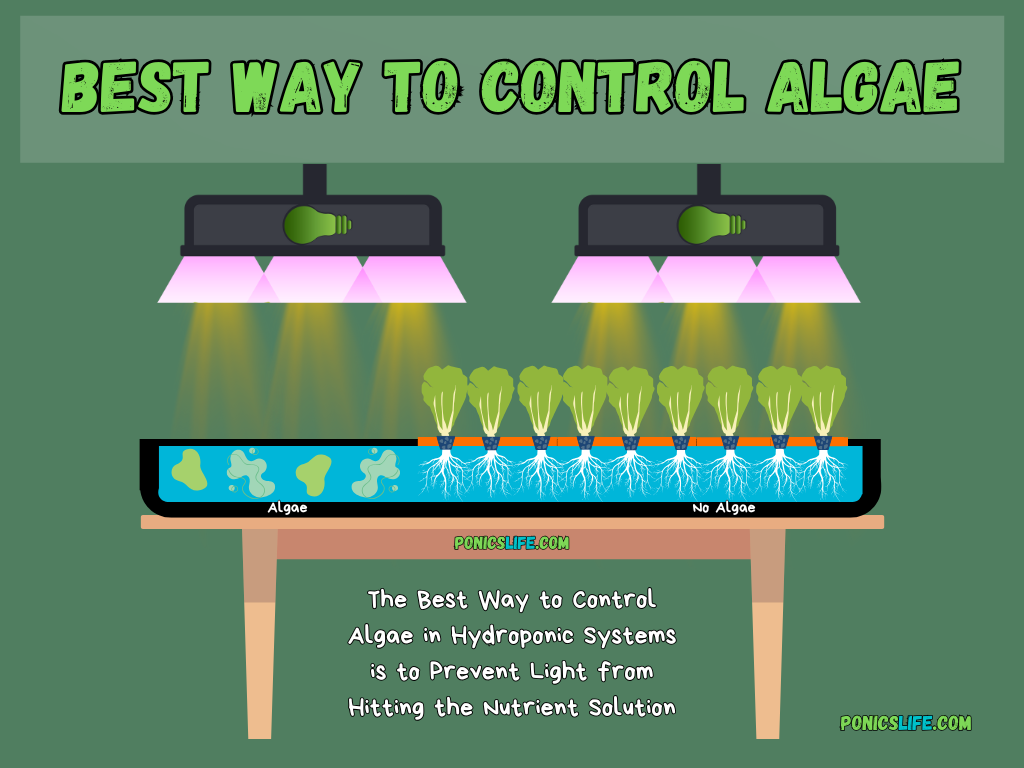
- Light leaks. Clear lids, net pots without covers, and transparent tubing let light hit water.
- Nutrient-rich water. Algae feeds on nitrates, phosphates, and iron in your solution.
- Warm reservoirs. Above 72°F, algae and pathogens thrive.
- Stagnant spots. Dead zones and biofilm give algae a foothold.
- High pH drift. Many algae species prefer a higher pH than your plants.
Common signs:
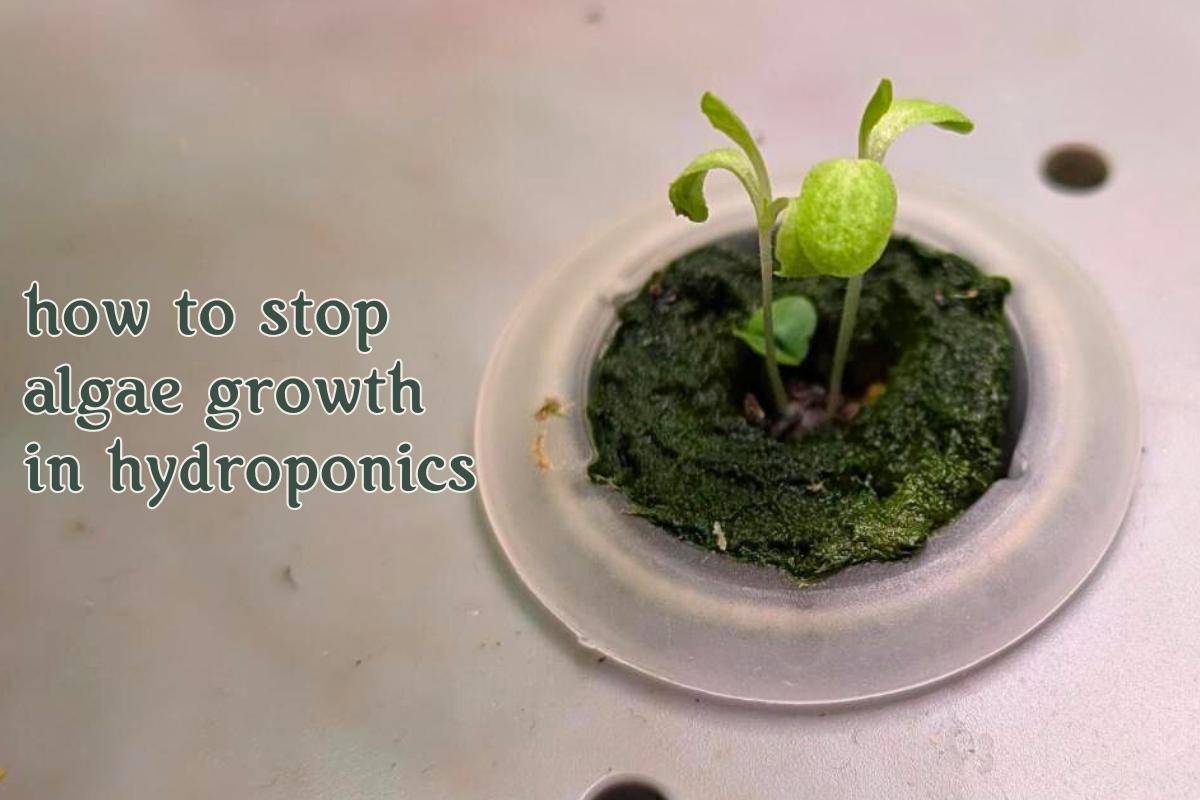
- Green film on lids, lines, or media.
- Cloudy or foamy water with a musty smell.
- pH rises fast each day.
- Emitters clog and flow drops.
- Roots look slimy or tinted green.
Research and grower data agree on this pattern: block light, lower heat, increase flow, and sanitize. That is the backbone of how to get rid of algae in hydroponics and keep it gone.
Quick answers to common questions
Is a little algae bad?
A thin film is not an emergency, but it is a warning. It raises pH, steals oxygen, and can lead to root stress.
Can hydrogen peroxide kill algae in hydroponics?
Yes, in the right dose. It oxidizes algae but can also stress roots, so use it with care and good aeration.
Will algae harm my roots?
Indirectly, yes. It competes for oxygen, clogs pores, and invites pathogens like Pythium.
How to get rid of algae in hydroponics right now
Here is a practical, step-by-step fix. This is the exact process I use on client systems and my own racks.
- Kill the light
- Turn off or lift grow lights above the work zone.
- Cover the reservoir with an opaque lid, foil, or black-and-white poly (black side down).
- Cap net pots with collars or covers to block light hitting the water.
- Move plants and protect roots
- Gently lift rafts or net pots.
- Rinse roots in room-temperature, clean water to remove slime.
- Keep roots shaded and moist while you clean the system.
- Drain and scrub all wet surfaces
- Empty the reservoir. Discard the nutrient solution.
- Scrub walls, lids, and trays with a soft brush to detach biofilm.
- Sanitize surfaces:
- For 3% hydrogen peroxide: apply directly on surfaces or use 10–20 ml per liter in a wash bin. Let it sit 5–10 minutes, then rinse well.
- For unscented bleach (5–6% sodium hypochlorite): use 2–3 ml per liter of water. Wet surfaces for 10 minutes. Rinse until no odor remains.
- Wear gloves and eye protection. Never mix chemicals.
- Deep-clean media and lines
- Clay pebbles: soak in 1:10 bleach to water for 10 minutes, then rinse until no smell. Dry before reuse.
- Rockwool and coco: if slimed, replace rather than clean.
- Tubing and emitters: flush with peroxide solution, then with fresh water.
- Rebuild the system clean
- Refill with fresh water. Set temperature to 65–70°F (18–21°C).
- Add mineral salts. Avoid organic nutrients in recirculating DWC or NFT.
- Set EC per crop. Set pH to 5.8–6.0 for most leafy greens and herbs.
- Shock-dose for algae control (optional)
- For an active outbreak, dose 3% hydrogen peroxide at 2 ml per liter into the reservoir once. Add extra aeration.
- Wait 12–24 hours, then top up with plain water and re-check pH/EC.
- Do not repeat daily. Overuse can harm roots and beneficial microbes.
- Boost oxygen and flow
- Add an air stone per 2–4 gallons for DWC. Aim for dissolved oxygen above 6 mg/L.
- Remove dead zones. Ensure strong return flow and gentle surface movement.
- Reintroduce plants and stabilize
- Place plants back when the system is clear and odor-free.
- Shade roots. Install net pot covers and light-proof all gaps.
- Monitor pH twice daily for two days. Adjust slowly.
This routine is how to get rid of algae in hydroponics without hurting your crop. It also resets your system so you start clean.
Prevent algae from coming back
Algae prevention is simple: keep light out, water cool, and gear clean. Do that, and most problems end.
Light-proofing checklist:
- Opaque reservoir and lid. Paint or wrap clear surfaces if needed.
- Net pot covers or neoprene collars to block direct light.
- Black tubing or sleeves. Tape any clear sight windows.
- Cover raft holes not in use.
Water quality and movement:
- Keep water at 65–70°F. Use a chiller, frozen bottles, or shade the reservoir.
- Change solution weekly, or sooner if it smells off.
- Maintain pH stability at 5.8–6.0 for most crops. Avoid swings above 6.5.
- Increase aeration. Add air stones and ensure even circulation.
Sanitation routine:
- Rinse tools before each use. Keep buckets and measuring cups clean.
- Wipe down splash zones weekly with diluted peroxide.
- Flush lines monthly, or sooner if flow drops.
Nutrient strategy:
- Use mineral salt nutrients in recirculating systems.
- Avoid fish emulsion, molasses, and compost teas; they feed algae and biofilm.
- Dose beneficial bacteria if you run warm rooms. Bacillus-based products can outcompete slime.
Extra layers of control:
- Install an inline UV sterilizer on recirculating loops.
- Use fine filters to trap debris.
- If you try barley straw extract, start small. Results vary, and it may tint water.
These steps are the backbone of how to get rid of algae in hydroponics for good. Lock down light, flow, and cleanliness, and algae has nowhere to live.
System-specific tips
DWC (Deep Water Culture)
- Use thick, opaque lids and collars. Add more air stones than you think you need.
- Keep a spare reservoir. Swap-and-clean is faster than scrubbing in place.
NFT (Nutrient Film Technique)
- Cover channels and block end caps from light.
- Maintain a steady, thin film. Clean inside channels between crops.
Ebb and flow
- Flood shorter and more often to avoid warm, stagnant water.
- Sterilize trays and media each cycle.
Aeroponics
- Sterilize misters often. A UV unit before the spray manifold helps.
- Insulate the reservoir to hold lower temps.
Kratky
- Light-proof the container. Keep an air gap, and avoid organics.
- Do small, more frequent changes if you spot green tint.
Drip recirculating
- Use opaque lines and drippers. Add a filter and backflush schedule.
- Keep return lines shaded and moving.
These tweaks make how to get rid of algae in hydroponics easier because each system has different weak points.
Troubleshooting: persistent algae and related problems
If algae returns within 48 hours, run this checklist:
- Find hidden light leaks. Check seams, tube joints, and unused net pot holes.
- Check water temp at midday. Many rooms spike above 72°F.
- Test pH morning and night. Big daily rises suggest active photosynthesis.
- Inspect lines for biofilm. If they feel slick, do a deep flush.
Not sure if it is algae or root rot?
- Algae is green and coats surfaces. Root rot makes roots brown, mushy, and foul-smelling.
- If roots are brown and system is warm, cool water fast and add oxygen. Consider a single peroxide dose while you improve airflow and temperature.
Still stuck on how to get rid of algae in hydroponics?
- Replace organic media and switch to fully mineral nutrients.
- Add a UV sterilizer and tighten your sanitation routine.
- Shorten light cycles or reduce stray light hitting reservoirs.

My field notes: what actually worked for me
My first DWC lettuce run looked great for two weeks. Then the water turned pea-green. pH climbed every day, and roots felt slimy. I learned the hard way how to get rid of algae in hydroponics.
What fixed it:
- I wrapped the reservoir in black-and-white poly and added neoprene collars.
- I drained, scrubbed, and sanitized with 3% peroxide, then rinsed until clean.
- I dropped water temp to 66°F, doubled my air stones, and swapped clear tubes for black.
Mistakes I will not repeat:
- I used clear tubing and left a “view window” on the lid. Both fed the bloom.
- I tried a fish-based nutrient in DWC. It grew more algae than lettuce.
Playbook I follow now:
- Weekly reservoir change and quick wipe-down.
- pH stable at 5.8–6.0, EC per crop, temps under 70°F.
- UV on recirculating loops for warm months.
This simple routine is how to get rid of algae in hydroponics without stress. It keeps my greens crisp and my roots bright white.

Frequently Asked Questions of how to get rid of algae in hydroponics
How often should I change my nutrient solution?
Change weekly in most home systems. If temps run high or water looks cloudy, change sooner.
What pH is best to discourage algae?
Keep pH between 5.8 and 6.0 for most crops. Algae prefers higher pH, so stable and slightly acidic helps.
Does a UV sterilizer help with algae?
Yes, in recirculating systems. It kills free-floating spores but cannot clean surfaces, so you still need to scrub.
Can I use vinegar or baking soda to control algae?
No. They swing pH and do not sanitize surfaces well. Use peroxide, bleach (for surfaces), or UV with proper rinsing.
Are beneficial bacteria safe with peroxide?
Not at the same time. Peroxide will oxidize them. Dose bacteria after peroxide breaks down, usually 24 hours later.
Will algae hurt yields?
Yes. It steals oxygen, clogs lines, and can stress roots, which lowers growth and quality.
Is how to get rid of algae in hydroponics different for leafy greens vs. fruiting crops?
The core steps are the same. Fruiting crops are more sensitive to root stress, so keep water cooler and oxygen high.
Conclusion
Algae thrives on light, warmth, and still water. Cut those three, clean smart, and your system resets fast. Use opaque gear, cool your reservoir, scrub on a schedule, and keep oxygen high. That is the practical core of how to get rid of algae in hydroponics across any setup.
Ready to take action? Pick one fix today: block a light leak, add an air stone, or do a clean swap. For more tips on hydroponic hygiene and system design, subscribe and share your questions in the comments.

I enjoy sharing simple gardening ideas, lawn care tips, and honest product reviews that help make outdoor work easier. From home gardening guides to helpful tools and lawn care advice, I write easy-to-follow content to help readers create a healthier and better-looking outdoor space without wasting time or money.