
As an Amazon Associate, I earn from qualifying purchases.
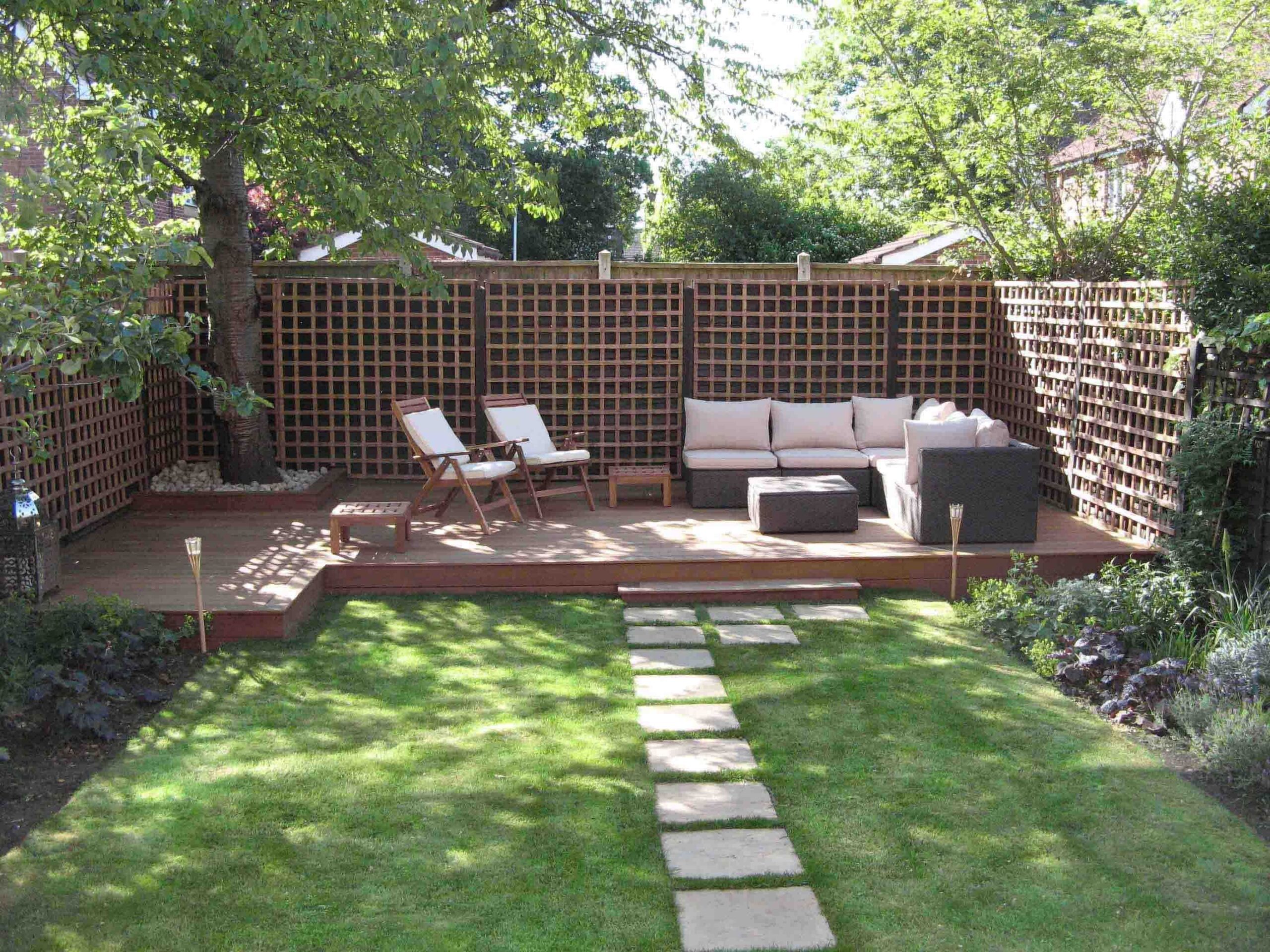
A Simple Rectangle Garden Design makes your yard look tidy, easy, and balanced.
If you crave order and calm outside, this guide is for you. I have designed, planted, and tuned many small yards and patios, and a Simple Rectangle Garden Design keeps winning. I will show you clear steps, smart layouts, and real plant lists so you can build a space you love.
Source: finegardening.com
Why Choose a Simple Rectangle Garden Design
A Simple Rectangle Garden Design gives you clean lines and a calm feel. It fits small yards and large lots. It works for food, flowers, or both. It is easy to plan, phase, and keep neat.
You also get strong structure all year. Beds sit square. Paths are clear. A focal point at one end adds drama. Your eye knows where to look.
Key benefits:
- Simple plan: Straight lines make measuring and building fast and clear.
- Easy care: Edges are simple to mow. Beds are easy to reach.
- Flexible style: Modern, cottage, or classic looks all fit.
- Better use of space: More plants fit with smart spacing and right path width.
A Simple Rectangle Garden Design also works with common yard shapes. Most plots are square or close to it. That is why rectangles feel right.

Source: bowerandbranch.com
Planning Your Simple Rectangle Garden Design
Start with a quick site check. Note sun, wind, slope, and views. Map the space with a tape and a sketch.
Simple steps:
- Measure the full area. Mark house doors, hose bibs, and trees.
- Track sun. Note hours of full sun and shade in summer.
- Do a soil test. Your local lab or extension can guide you.
- Mark paths first. You need clear ways in and out.
- Choose a focal point. A bench, urn, tree, or trellis draws the eye.
- Set a budget and a timeline. Plan in stages if needed.
I often start with a 10 by 20 foot zone. It is big enough to feel like a room. It is small enough to finish in a weekend. A Simple Rectangle Garden Design scales up from there.
Source: co.uk
Layout Patterns and Spacing That Work
Rectangles love grids. Grids make beds and paths easy to read and use. Pick one main axis from the door or patio. Align beds and a center path with that line.
Popular patterns for a Simple Rectangle Garden Design:
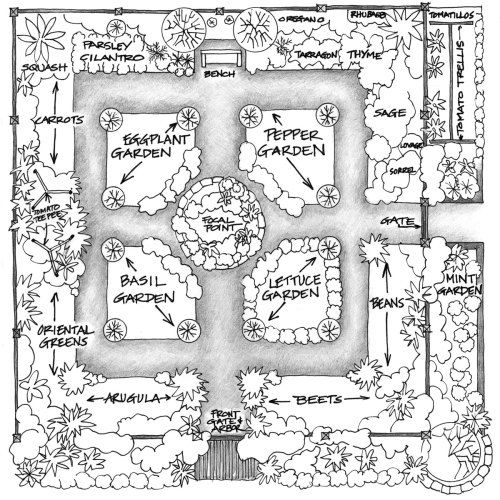
- Center path with cross path: Makes four neat beds for crops or flowers.
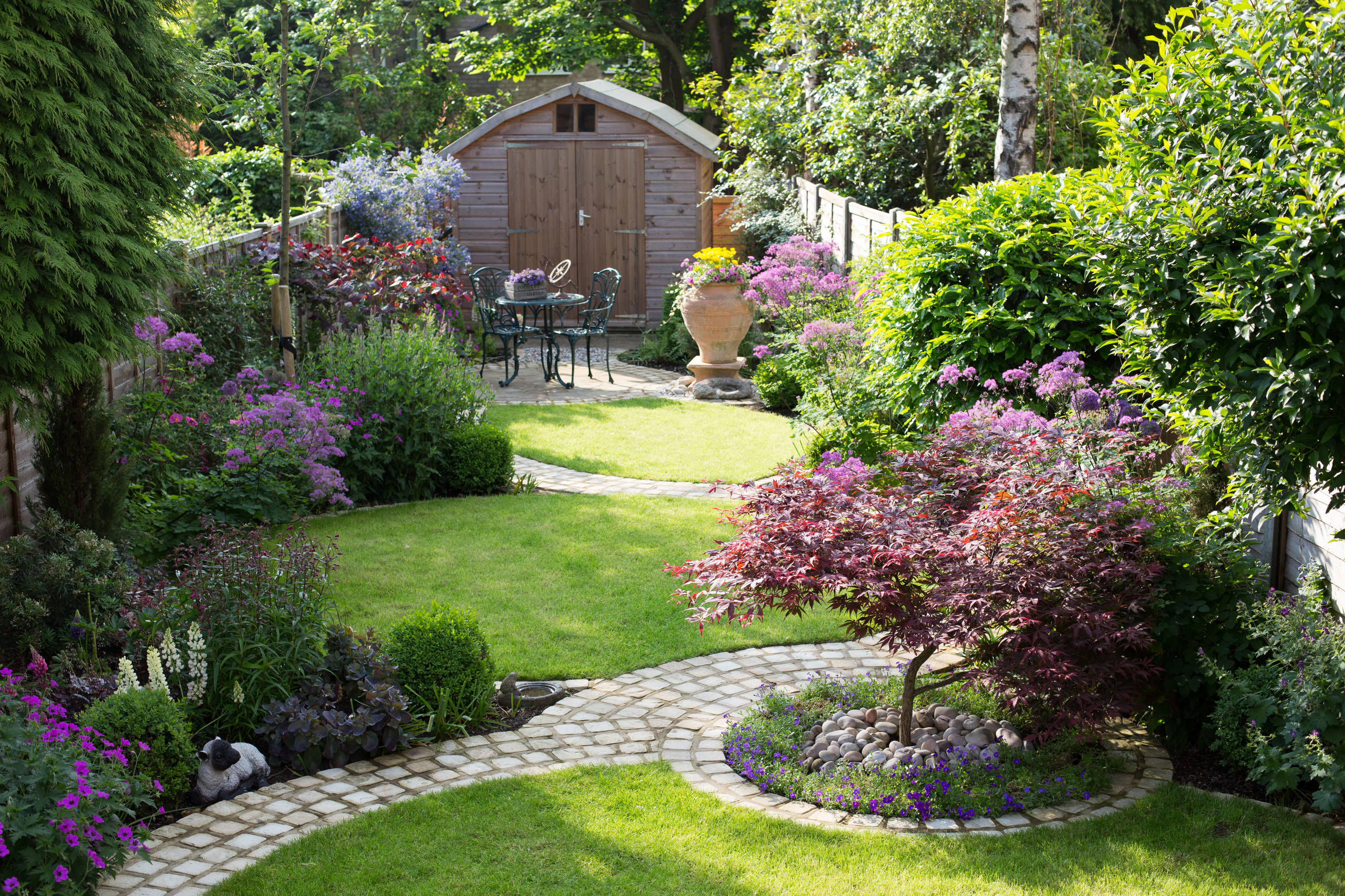
- Parallel beds with a long path: Great for narrow yards and side gardens.
- Perimeter bed with open lawn or gravel: Clean and low care.
Useful sizes:
- Bed width: 3 to 4 feet so you can reach from one side.
- Path width: 30 to 36 inches for comfort. Use 36 inches for carts or strollers.
- Focal depth: Leave 4 to 6 feet at the end for a bench or pot.
Plant spacing tips:
- Small herbs: 8 to 12 inches apart.
- Leafy greens: 10 to 12 inches apart.
- Tomatoes: 18 to 24 inches apart with strong stakes.
- Shrubs: Half to full mature width from the next plant.
These sizes keep the Simple Rectangle Garden Design neat and safe to move through.

Source: bowerandbranch.com
25 Simple Rectangle Garden Design Ideas
A Simple Rectangle Garden Design offers endless possibilities, whether you have a compact backyard or a spacious landscape. The key is to keep the layout balanced, choose plants that fit your climate, and repeat colors or materials for a clean, cohesive look. Here are 25 practical ideas to inspire your next garden project.
1. Modern Minimalist Rectangle Garden
Create a sleek design with large concrete pavers, evergreen shrubs, and ornamental grasses. Stick to two or three plant varieties for a clean appearance.
2. Raised Vegetable Garden Layout
Build several raised beds with straight pathways between them. This Simple Rectangle Garden Design keeps vegetables organized and easy to maintain.
3. Cottage-Style Rectangle Garden
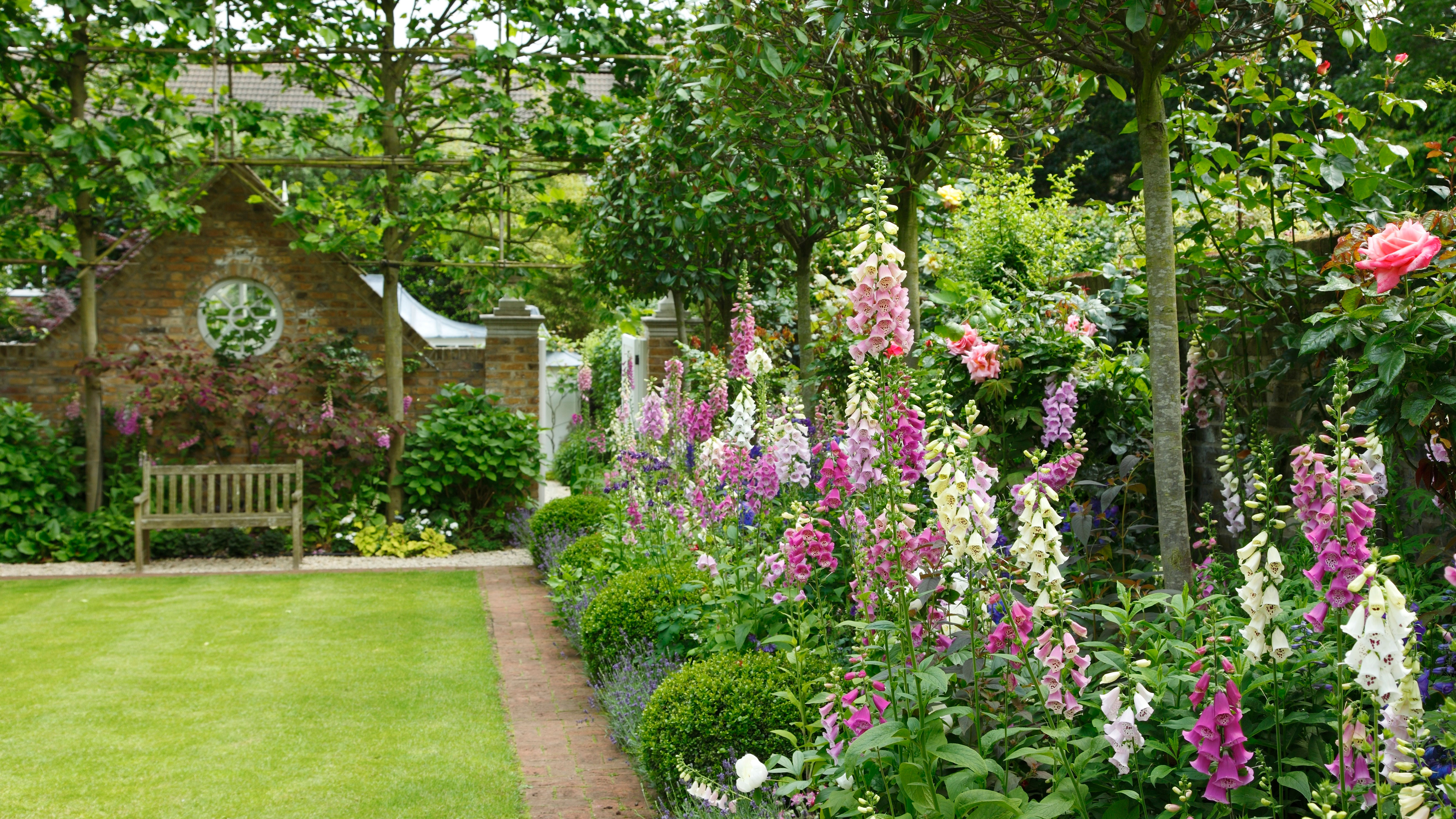
Fill the beds with roses, lavender, foxgloves, and salvia. Soft blooms bring color while keeping the overall layout structured.
4. Center Path Garden Design
Add a straight path through the middle of the garden to divide the space into equal planting sections. This creates balance and improves access.
5. Rectangle Garden with a Pergola
Place a wooden pergola at the far end as the focal point. Surround it with climbing roses or clematis for extra charm.
6. Gravel Path Rectangle Garden
Use gravel walkways with steel edging for a low-maintenance design that drains well after rain.
7. Small Backyard Rectangle Garden
Combine a narrow lawn with colorful planting beds along both sides to make a compact yard feel larger.
8. Formal Boxwood Garden
Use trimmed boxwood hedges, symmetrical planting beds, and stone paths for a timeless formal appearance.
9. Herb Garden Rectangle Design
Plant basil, thyme, rosemary, parsley, and chives in neat rows close to the kitchen for convenient harvesting.
10. Flower Border Garden
Line the edges with hydrangeas, coneflowers, and black-eyed Susans while keeping the center open for a tidy look.
11. Low-Maintenance Landscape
Choose drought-tolerant perennials, mulch heavily, and install drip irrigation to reduce weekly maintenance.
12. Rectangle Garden with Water Feature
A small fountain or pond creates a peaceful focal point without overwhelming the clean layout.
13. Contemporary Backyard Design
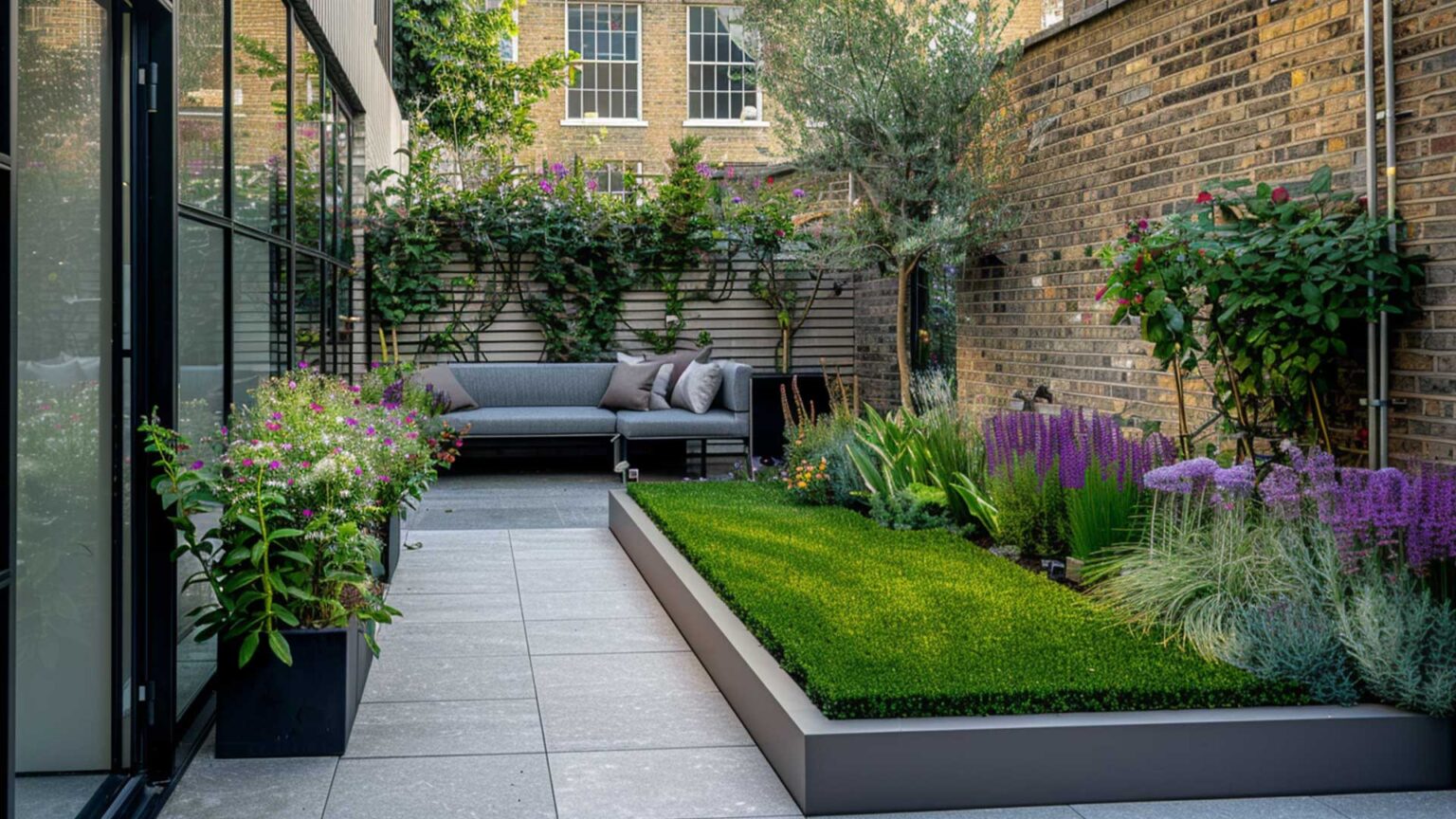
Pair black metal edging with porcelain pavers and simple green planting for a modern outdoor space.
14. Patio Garden Layout
Extend planting beds around a rectangular patio to blend hardscape and greenery naturally.
15. Pollinator-Friendly Garden
Mix lavender, salvia, bee balm, echinacea, and native flowers to attract butterflies and bees.
16. Evergreen Garden Design
Use dwarf conifers, boxwoods, and evergreen shrubs to maintain color throughout every season.
17. Budget-Friendly Rectangle Garden
Start with mulch paths, affordable perennials, and young shrubs. You can always add more plants over time.
18. Rectangle Garden with Seating
Place a simple bench or two chairs at the end of the main path to create a relaxing destination.
19. Decorative Edging Design
Use brick, corten steel, or natural stone edging to define planting beds and keep the design neat.
20. Narrow Side Yard Garden
Transform unused side yards with straight stepping stones, slim planting beds, and vertical climbers.
21. Mixed Perennial Garden
Combine plants with different bloom times so your Simple Rectangle Garden Design stays colorful from spring through fall.
22. Rectangle Garden Around a Lawn
Frame a rectangular lawn with layered shrubs and flowering borders to create a polished landscape.
23. Outdoor Dining Garden
Add a dining table in one section and surround it with fragrant flowers and container plants for a welcoming outdoor room.
24. Luxury Rectangle Garden
Include premium materials like porcelain paving, architectural plants, landscape lighting, and a modern pergola for a high-end finish.
25. Family-Friendly Garden Design
Leave open lawn space for children or pets while keeping planting beds around the perimeter for a safe and organized layout.
No matter your budget or yard size, a Simple Rectangle Garden Design can be customized to match your style. Start with a practical layout, choose plants that thrive in your climate, and add features over time. Even a few thoughtful improvements can transform an ordinary rectangular yard into a beautiful and functional outdoor space.
Soil, Drainage, and Edging
Good soil makes your garden sing. Aim for a loose mix with rich organic matter. If soil is clay, add compost and coarse material. If it is sandy, add compost to hold water.
Drainage rules for a Simple Rectangle Garden Design:
- Keep a gentle slope away from the house. Think 1 to 2 percent.
- In wet spots, use a shallow swale or a line of gravel with pipe.
- Raise beds 6 to 12 inches if water stands after rain.
Edge the beds to lock in shape. It also stops grass creep. Good edges:
- Steel or aluminum: Thin, clean, long lasting.
- Brick or pavers: Classic look. Easy to reset.
- Deep spade edge: Low cost. Refresh each season.
Healthy soil plus firm edges keep your Simple Rectangle Garden Design crisp and easy to care for.
Source: homesandgardens.com
Planting Plans: Food, Flowers, Sun, and Shade
Match plants to light and water. Six or more hours of sun means full sun. Less than four hours is shade. Pick plants that thrive in your zone.
For an edible Simple Rectangle Garden Design:
- Front bed: Herbs like basil, thyme, and chives for fast access.
- Middle beds: Greens, peppers, and bush beans for steady harvest.
- Back bed: Tall crops like tomatoes on stakes or trellis.
- Edges: Strawberries or low marigolds to fill gaps and draw pollinators.
For an ornamental Simple Rectangle Garden Design:
- Structure: Boxwood, dwarf hollies, or lavender for tidy lines.
- Color: Salvia, coneflower, and yarrow for long bloom and bees.
- Texture: Grasses like little bluestem for sway and light.
- Four seasons: Add bulbs for spring and sedum for fall.
Mix both if you like. Chives near roses help with pests. Marigolds add bold color near tomatoes. This blend looks lush and earns its keep.
Source: remodelmm.com
Hardscape, Paths, and Seating
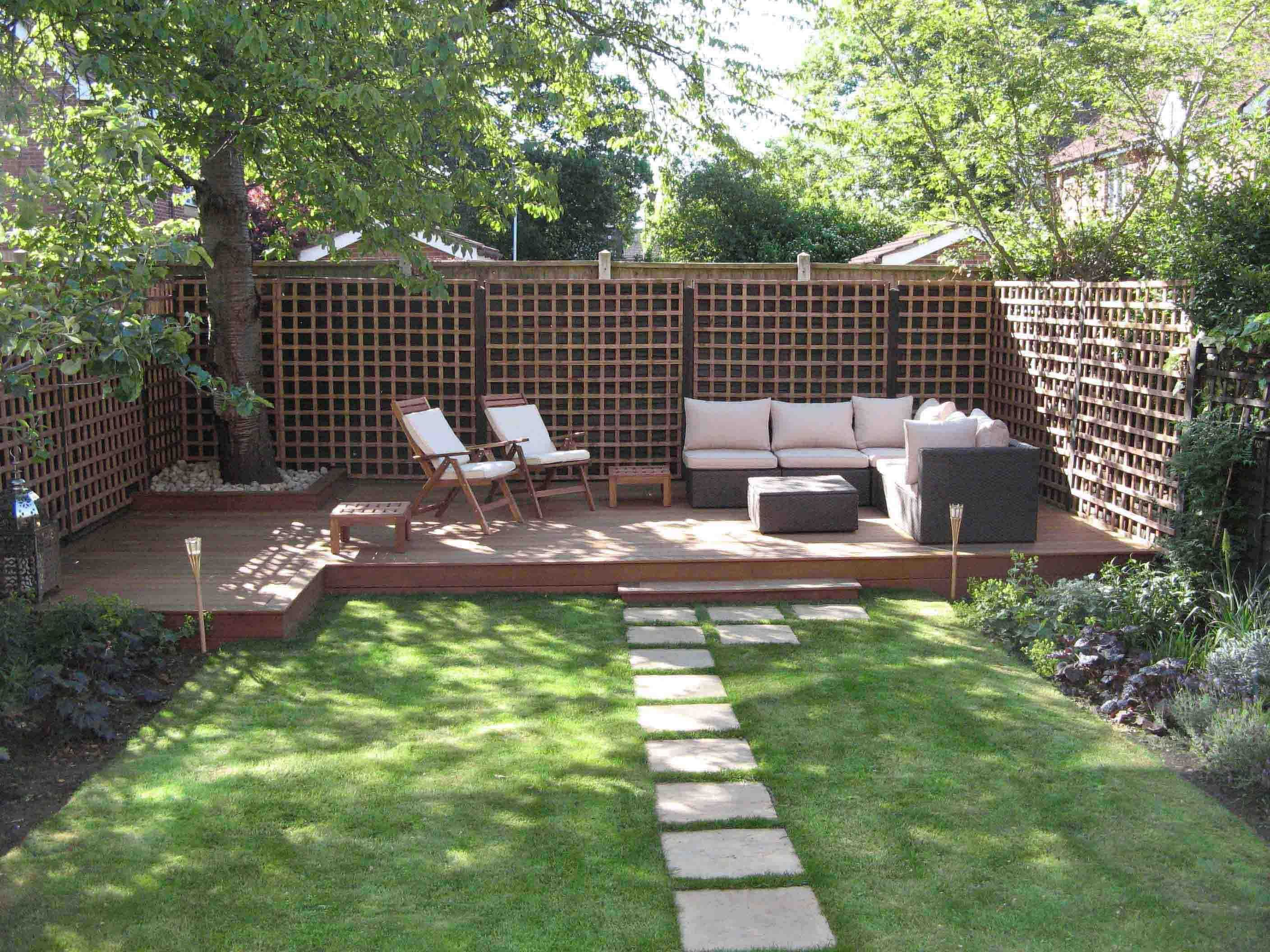
Hardscape sets the tone. In a Simple Rectangle Garden Design, straight runs and right angles sell the look. Keep materials simple and repeat them.
Good path choices:
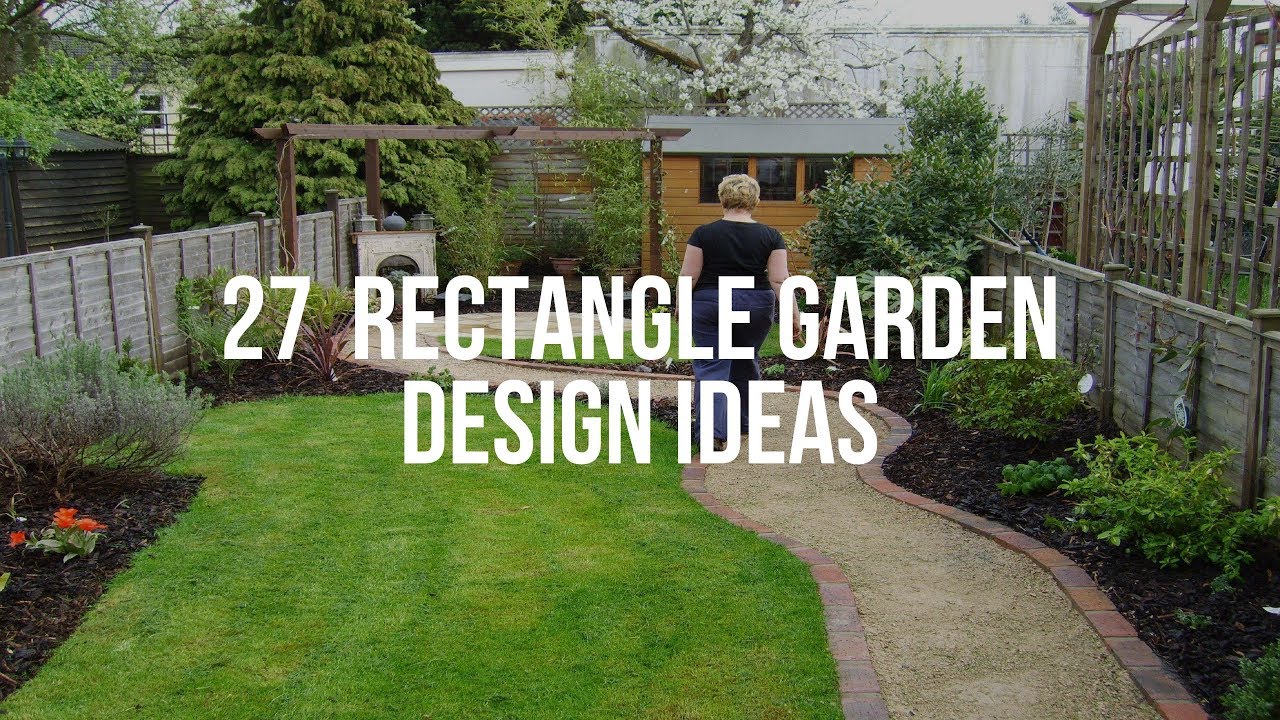
- Crushed gravel with steel edge: Low cost and drains well.
- Pavers on sand: Clean and stable. Great for barrows and chairs.
- Mulch paths: Soft and cool. Top up each year.
- A bench at the far end to draw the eye.
- A pair of chairs on a small pad off the main path.
- A low wall that acts as seat and edge.
Keep color and texture calm. One or two materials are enough. This helps your plants stand out and keeps the Simple Rectangle Garden Design serene.
Source: youtube.com
Watering, Lighting, and Maintenance
Plants need steady water. Most beds do well with about one inch per week in warm months. A rain gauge helps. Drip lines or soaker hoses save water and keep leaves dry.
Low-voltage lights make nights safe and warm. Place path lights low and even. Add a small spot on the focal point. Avoid glare.
Simple care routine for a Simple Rectangle Garden Design:
- Spring: Edge beds, add compost, set supports.
- Summer: Weed weekly, deadhead, check drip lines.
- Fall: Cut back perennials, add mulch, plant bulbs.
- Winter: Brush snow off shrubs if heavy, plan new tweaks.
These habits keep the Simple Rectangle Garden Design tidy all year with little stress.
:strip_icc()/easy-childrens-vegetable-garden-542747a4-b5b89cd04afd42e1a7d40ecfa3c44a77.jpg)
Source: bhg.com
Budget, Tools, and Timeline
You can build a Simple Rectangle Garden Design in stages. Start with paths and edges. Add soil and a few key plants. Fill the rest over time.
Typical costs for a small 10 by 20 foot space:
- Edging and base materials: Moderate for steel or pavers. Lower for mulch.
- Soil and compost: Plan for several cubic yards if raising beds.
- Plants: Buy small sizes to save. They catch up fast.
- Irrigation and lights: Keep simple at first. Expand later.
Core tools:
- Tape measure, stakes, and string.
- Spade, rake, and wheelbarrow.
- Hand pruners and a hose with a gentle wand.
A two-weekend plan works well. Weekend one: layout, edges, and paths. Weekend two: soil, plants, and water lines. Your Simple Rectangle Garden Design is ready to enjoy.
Source: pavingdirect.com
Mistakes to Avoid and Pro Tips
I have seen the same slips many times. Avoid them and your Simple Rectangle Garden Design will shine.
Common mistakes:
- Paths too narrow: Make them at least 30 inches wide.
- Overplanting: Leave room for growth and air flow.
- No focal point: Add one to guide the eye and anchor the space.
- Skipping edges: Grass will creep and lines will blur.
Pro tips:
- Repeat plants for calm. Odd numbers look natural.
- Use a simple color scheme. Cool tones soothe; warm tones pop.
- Add a water point near the beds. You will water more and better.
- Mulch two to three inches deep. It saves water and cuts weeds.
Small tweaks add up. Your Simple Rectangle Garden Design will feel polished and smart.
Case Study: A 10×20 Simple Rectangle Garden Design Makeover
A client had a bare 10 by 20 foot patch by the back door. It was hot, flat, and dull. We chose a Simple Rectangle Garden Design to add clear lines and calm.
What we did:
- Set a 36 inch gravel path down the center with steel edges.
- Built four 3 by 8 foot beds with rich soil and drip lines.
- Placed a cedar bench at the far end as a focal point.
- Planted herbs in front, greens and peppers in the middle, and tomatoes in back.
- Lined edges with lavender and marigolds for scent and color.
Results after three months:
- Harvest every week.
- Clean lines from the kitchen door.
- Easy care in short bursts.
Cost stayed modest by using small plants and DIY gravel paths. This Simple Rectangle Garden Design is still neat and joyful years later.
Frequently Asked Questions of Simple Rectangle Garden Design
How big should a Simple Rectangle Garden Design be?
Start with what you can manage. A 10 by 20 foot area is a good first step and feels like a true garden room.
Do I need raised beds for a Simple Rectangle Garden Design?
Not always. Use raised beds if soil drains poorly or you want faster warm-up and neat edges.
What is the best path width in a Simple Rectangle Garden Design?
Aim for 30 to 36 inches. This fits two feet side by side and a wheelbarrow when needed.
What plants work best in full sun rectangles?
Try herbs, tomatoes, peppers, zinnias, and salvia. They love heat and give color or harvest for months.
Can I make a Simple Rectangle Garden Design work in shade?
Yes. Choose hosta, ferns, heuchera, and hydrangea. Pick light-colored leaves to brighten dark corners.
How do I keep my Simple Rectangle Garden Design low maintenance?
Use drip lines, deep mulch, and sturdy perennials. Pick fewer plant types and repeat them.
Where should I place a focal point in a Simple Rectangle Garden Design?
Place it at the end of the main axis. A bench, pot, or small tree works well and draws the eye.
What edging is best for a clean look?
Steel or aluminum gives a thin, crisp line. Brick suits classic styles and is easy to reset.
How much sun do vegetables need in a Simple Rectangle Garden Design?
Most need six or more hours a day. Leafy greens can handle a bit less in hot climates.
Can I mix edibles and flowers in one rectangle?
Yes, and it looks great. Flowers bring pollinators, and herbs help deter some pests.
Conclusion
A Simple Rectangle Garden Design gives you order, ease, and style. It turns a blank yard into a calm room with clear lines and lush life. You get a plan that is simple to build, simple to grow, and simple to love.
Pick one area. Mark paths and edges. Add good soil, drip lines, and a few strong plants. Your Simple Rectangle Garden Design will take shape fast. Ready to start? Share your plan or questions in the comments, and subscribe for plant lists, layouts, and step-by-step guides.
Last Updated on August 6, 2026 by Saad Abdullah

I enjoy sharing simple gardening ideas, lawn care tips, and honest product reviews that help make outdoor work easier. From home gardening guides to helpful tools and lawn care advice, I write easy-to-follow content to help readers create a healthier and better-looking outdoor space without wasting time or money.