
As an Amazon Associate, I earn from qualifying purchases.
Grow fresh veggies on balconies with smart containers, vertical supports, and sunlight.
If you want real, fast wins from your small space, you are in the right place. I have tested balcony vegetable garden ideas for years, on windy city decks and shaded patios. This guide distills what works, what fails, and how to get big harvests in tiny spots. Keep reading for simple plans, proven crops, and budget tricks you can use this weekend.

What Makes a Balcony Ideal for Vegetables?
Balconies are microgardens in the sky. They can be bright, windy, hot, or cool. To choose the best balcony vegetable garden ideas, start with light, wind, and weight.
Light matters most. Most vegetables like six to eight hours of sun per day. South and west balconies give more sun and heat. East works well for greens and herbs. North can still grow salad and mint with the right plan.
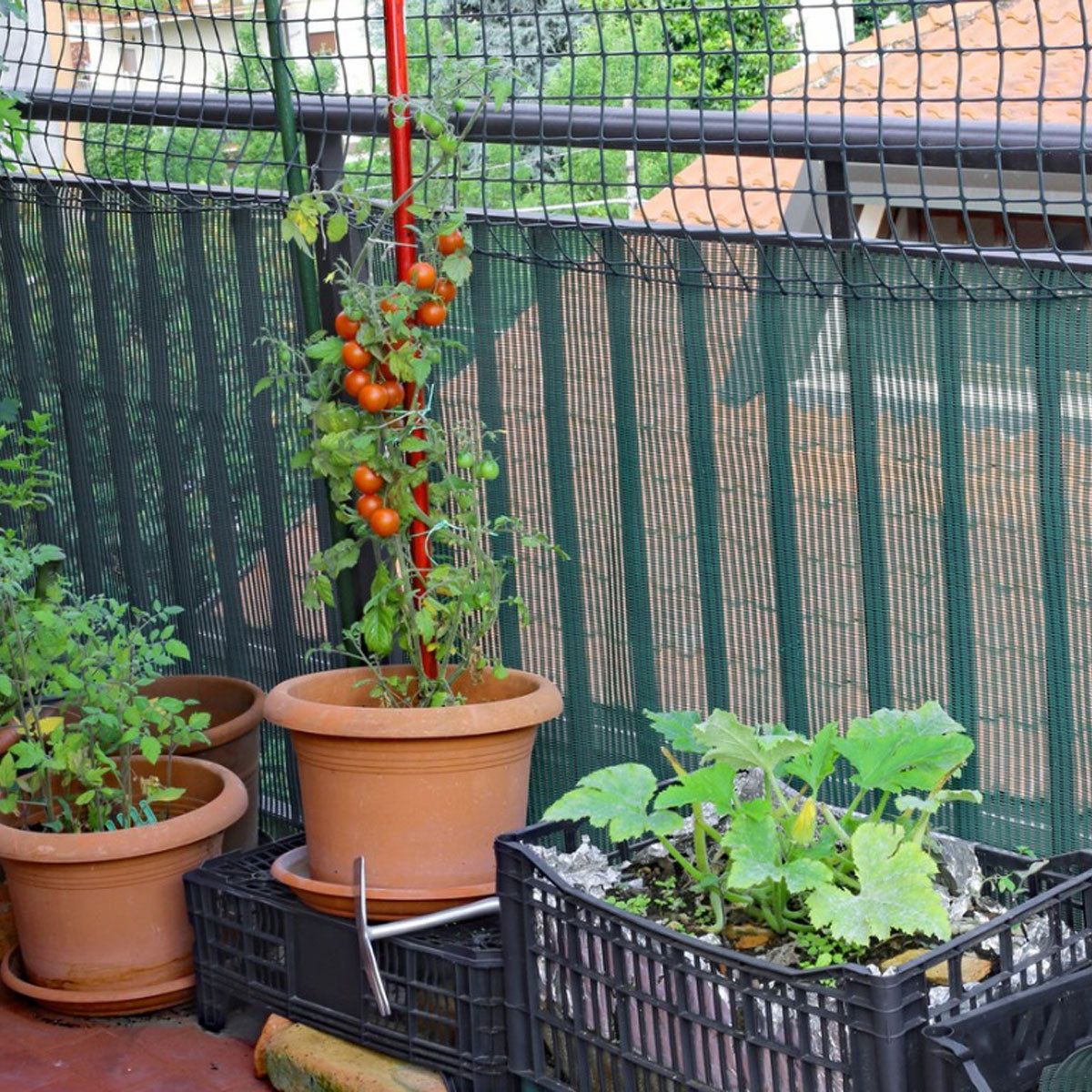
Wind can dry plants fast and snap stems. Use rail screens or tall planters as windbreaks. A mesh or bamboo screen cuts gusts but still lets air move.
Weight is a real factor. Wet soil is heavy. Large ceramic pots can add a lot of load. Check building rules. Ask a pro if needed. Spread weight with plant trays and benches so it does not all sit in one spot.
Measure your space. Sketch a simple map. Note doors, shade lines, and outlets. This will guide your layout and make it safe and easy to tend.
Smart Layouts for Small Spaces
Great balcony vegetable garden ideas start with flow. You need a path, a place to work, and sun for crops.
Try these space savers:
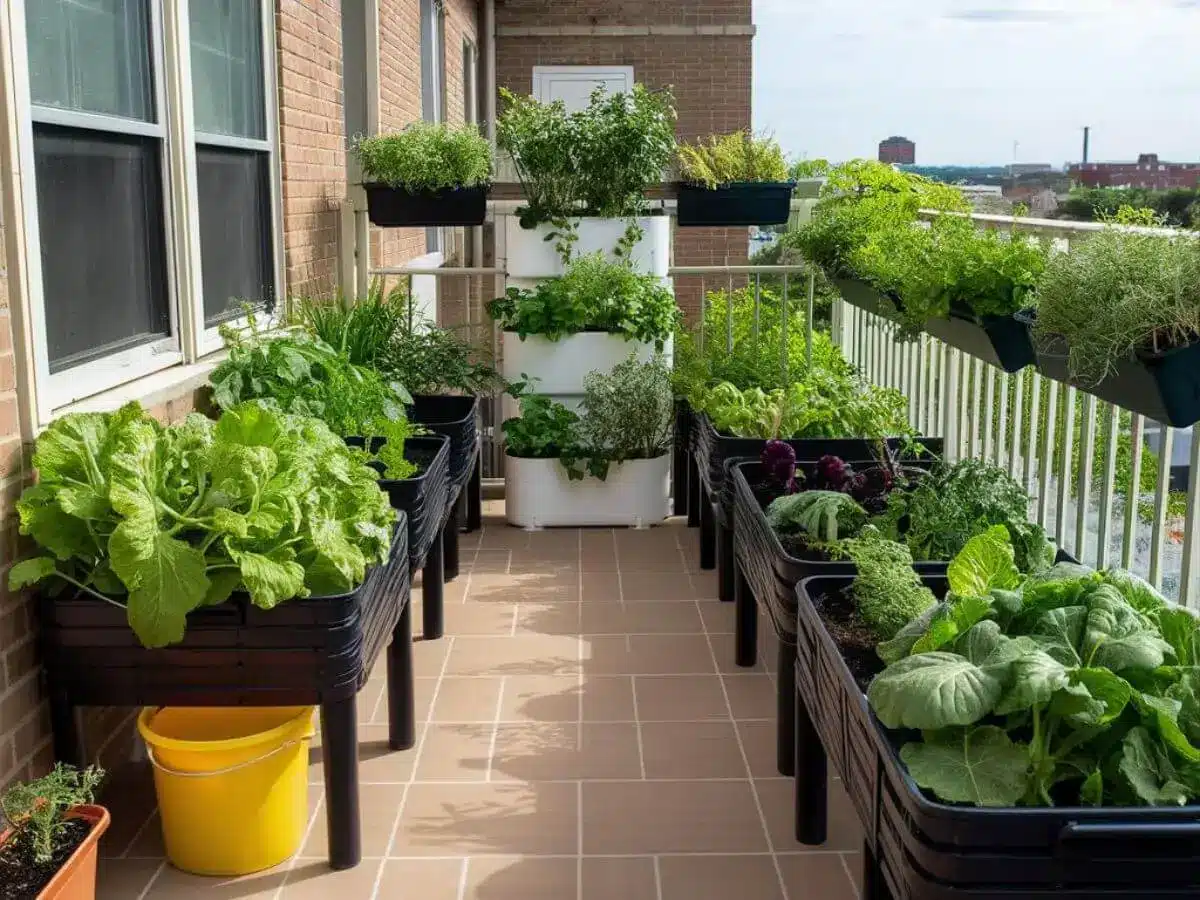
- Use vertical shelves along the wall for herbs and greens.
- Hang planters on rails for strawberries and flowers that attract bees.
- Add a narrow bench with storage under it for tools and soil.
- Mount a slim trellis behind a pot for tomatoes or cucumbers.
Plan for work tasks. Leave one clear spot to water and prune. Keep watering cans near the door. Place heavy pots on stands with wheels so you can move them a bit with the seasons.
Think in layers. Put short crops in front. Place vining crops up high. Give tall crops like tomatoes a sturdy support at the back. This layered look is pretty and makes harvests easy.
Containers, Soil, and Drainage That Work
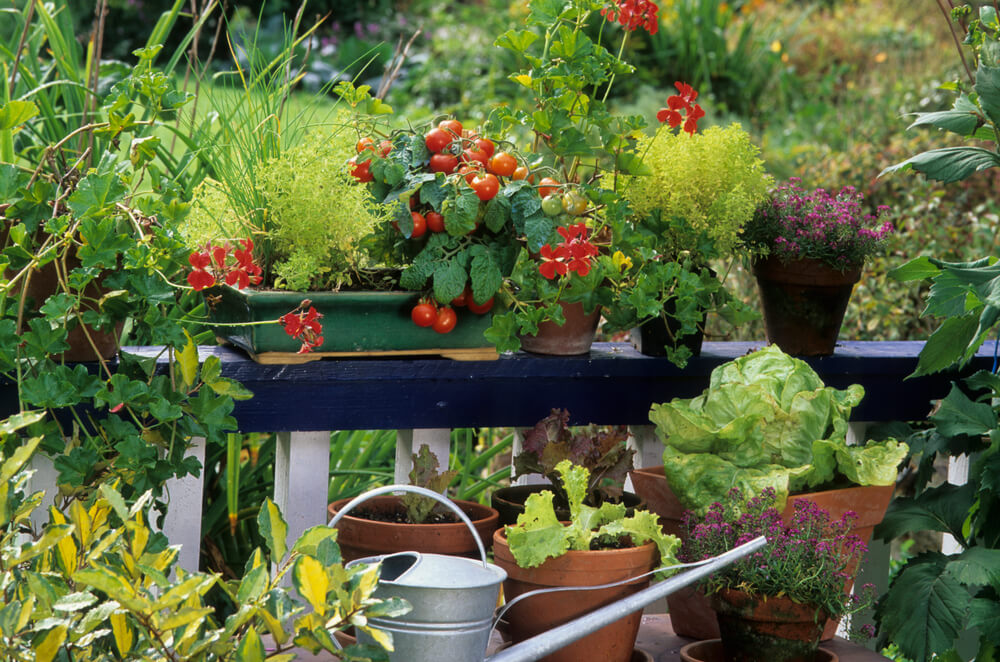
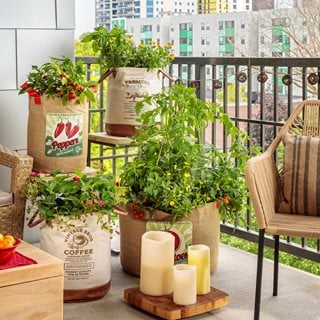
Pick the right container and your plants will thrive. Use five-gallon pots for tomatoes, peppers, and eggplant. Use fabric grow bags for great root air flow and low weight. Use window boxes or 8 to 10 inch pots for lettuce and herbs. Self-watering planters help on hot days and trips.
Drainage is key. Every pot needs holes. Add a thin layer of mesh to stop soil loss. Set pots on risers so water can flow out and air can move.
Use a high quality potting mix. Do not use garden soil. A simple mix works well. Try two parts potting mix, one part compost, and one part perlite or coco coir. This gives nutrients, holds moisture, and drains well. Aim for a neutral pH.
Feed on a schedule. Mix in slow-release fertilizer at planting. Then add a light liquid feed every one to two weeks. Tomatoes and peppers like a bit more potassium at flowering time. Greens like steady nitrogen in small doses.
Sunlight and Microclimate Tips
Balcony vegetable garden ideas shine when you harness microclimates. Bright walls can reflect light and boost growth. Dark floors can heat pots. Use light colored trays to avoid root stress in peak sun.
Track sun for one week. Note how many hours hit each spot. Rotate pots every few days for even growth. Move heat lovers to the warmest area. Tuck lettuce in partial shade behind taller plants.
Handle heat waves. Mulch the soil with straw or coco chips. Add shade cloth during the hottest hours. Water in the morning to cut stress. On very windy days, cluster pots to keep humidity up.
Cool nights can slow fruit set. Place peppers and tomatoes near a wall that stores heat. Simple steps like this keep your balcony crops happy.
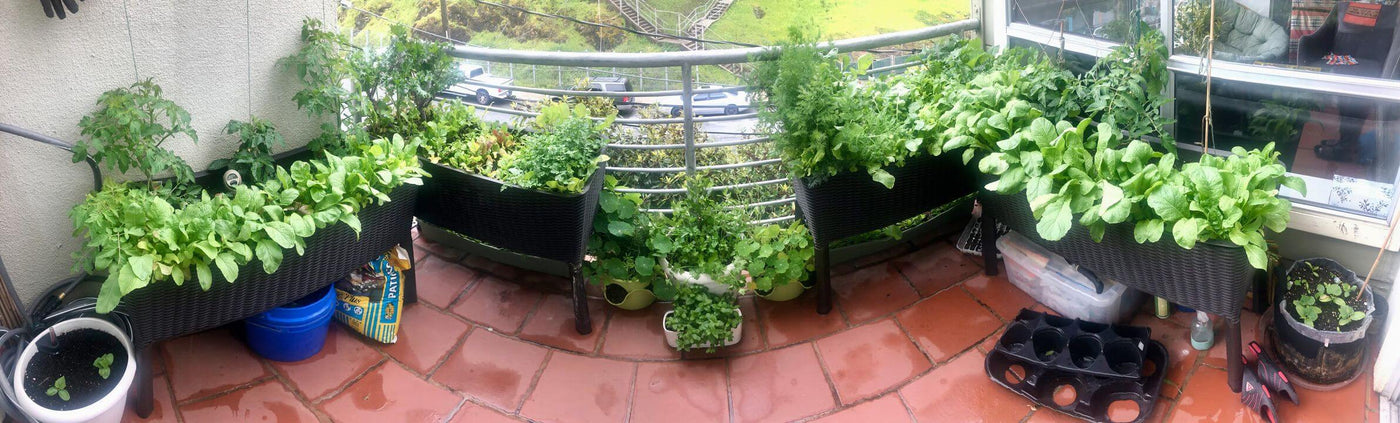
Top Crops for Balcony Success
You have many choices, but some crops are standouts. These balcony vegetable garden ideas focus on reliable, tasty, and compact plants.
Best for full sun:
- Cherry tomatoes in a five-gallon pot with a cage. Try dwarf or patio types.
- Bush beans in a 10 to 12 inch pot with a short trellis.
- Peppers in a five-gallon pot. Jalapeño, shishito, or mini bell types do great.
- Cucumbers in a fabric bag with a strong trellis. Pick bush or mini varieties.
Best for partial shade:
- Lettuce, arugula, and spinach in window boxes. Grow in waves every two weeks.
- Herbs like basil, parsley, chives, mint, and cilantro.
- Swiss chard and kale in 10 to 12 inch pots.
Fast wins for beginners:
- Radishes in shallow boxes. Harvest in less than one month.
- Green onions in narrow pots. Cut and come again.
- Salad mixes in trays for baby greens.
Choose compact or dwarf varieties when you can. They yield well in small spaces and need less support.
Watering, Feeding, and Maintenance
Container plants dry out faster than beds. Check soil with your finger each day. Water when the top inch is dry. Water until you see flow from the bottom. Self-watering planters make this easier.
Feed in small, steady amounts. Plants in pots cannot mine deep soil. A light weekly feed keeps leaves green and fruit coming. Use organic liquids or a balanced synthetic at half strength. Watch for leaf color and adjust.
Prune for airflow. Take off low tomato leaves. Pinch basil often to keep it bushy. Tie vines as they grow to avoid breaks. Hand pollinate tomatoes and peppers on still days. Tap flowers or use an old electric toothbrush on the stem for a few seconds.
Scout for pests twice a week. Check the leaf undersides. Catching problems early is the best plant insurance.

Vertical Gardening and Trellising Ideas
Vertical systems turn walls into food. They also look great. Simple balcony vegetable garden ideas can lift yields without crowding.
Try these supports:
- Nylon netting on a frame for cucumbers and peas.
- A folding ladder shelf for herbs and strawberries.
- A rope and eye hook setup for indeterminate tomatoes.
- Tension rods with wire grids for beans on covered balconies.
Keep anchors strong. Use planters as counterweights. Tie with soft plant tape so stems do not cut. Train vines weekly. A few minutes now saves hours later.

Companion Planting and Biodiversity
Diverse pots are more stable and pretty. Mix herbs and flowers with veggies. This draws pollinators and good insects. It can also cut pest pressure.
Smart pairs:
- Basil with tomatoes. The scent may deter pests. It also tastes great together.
- Marigolds at the rail. They attract beneficial insects and add color.
- Nasturtiums with cucumbers. They trail and can trap aphids.
- Chives with lettuce. Light scent, small footprint, big flavor.
Avoid mint in shared pots. It spreads fast. Give it a pot of its own.

Year-Round Balcony Growing
You can grow most months with simple tools. These balcony vegetable garden ideas help you extend seasons without fuss.
For cool months, use frost cloth on cold nights. Add clear lids or cloches on small boxes. Grow spinach, kale, mache, and green onions. For warm months, use shade cloth to protect tender greens.
Start seeds indoors near a bright window. Use a small LED grow light if needed. Move seedlings out after a short hardening period. In mild areas, overwinter herbs like rosemary and thyme in a sheltered spot.
Stagger plantings. Sow lettuce every two weeks. Replace tired plants fast. This keeps your balcony harvests steady.
Organic Pest and Disease Control on Balconies
Pests find balconies too. The good news is that control is easier in small spaces.
Common pests include aphids, spider mites, and whiteflies. Diseases include powdery mildew on cucumbers and blight on tomatoes. Keep leaves dry in the evening. Water the soil, not the foliage.
Use the least harsh method first:
- Spray aphids with water and then insecticidal soap.
- Use neem oil for mites and mildews as a preventive.
- Place yellow sticky cards for whiteflies near affected plants.
- Remove sick leaves fast and trash them. Do not compost.
Clean tools. Quarantine new plants for one week. Good airflow and spacing are your best defenses.
Budget-Friendly DIY Balcony Vegetable Garden Ideas
You can build a lush space on a small budget. Many balcony vegetable garden ideas use items you may already have.
Try these hacks:
- Upcycle food-safe buckets as five-gallon pots. Drill holes and add a riser.
- Use a shoe organizer for herbs. Line with plastic and add drainage holes.
- Make drip bottles for slow watering during trips.
- Stack wooden crates for a tiered herb garden.
- Trade seeds with friends. Start with a few trusted varieties.
Spend where it matters. Good potting mix and sturdy supports pay off. Save on decor and extras.
Real-Life Balcony Garden Case Study
A few summers ago, I grew food on a small, south-facing balcony. It was ten feet long and six feet wide. The wind howled most afternoons. I wanted tomatoes, greens, and herbs, with a path to sit and read.
I used eight fabric grow bags, one self-watering planter, and a rail box. I set a mesh screen as a windbreak. I built a simple wooden trellis. I grouped peppers and tomatoes near the wall for warmth.
Results surprised me. Two cherry tomato plants gave bowls of fruit every week. Lettuce trays kept us in salads for months. Basil was enough for many batches of pesto. My mistakes were simple. I cramped a cucumber near the door. It blocked the path and snapped once. I also fed the tomatoes late in early summer. They stalled. Once I fixed that, growth took off.
This small test shaped my best balcony vegetable garden ideas. The lesson is simple. Start with structure, pick compact crops, and feed on time.
Frequently Asked Questions
How much space do I need for a balcony vegetable garden?
You can start with as little as three to four square feet. One or two large pots and a rail box can produce salad and herbs.
What are the best beginner crops for balconies?
Start with cherry tomatoes, lettuce, basil, and green onions. They are forgiving, fast, and tasty.
How often should I water container veggies?
Check daily in warm weather. Water when the top inch of soil is dry, usually every one to two days in summer.
Can I grow vegetables on a shaded balcony?
Yes, choose shade-tolerant crops like lettuce, spinach, kale, and mint. Use reflective surfaces to boost light.
What size pot for tomatoes and peppers?
Use at least five gallons per plant. Bigger is better for steady moisture and stronger roots.
How do I deal with pests in a small space?
Inspect leaves twice a week and act early. Use water sprays, insecticidal soap, and neem oil as needed.
Will my balcony hold the weight of many pots?
Check building rules and weight limits. Spread pots and use lighter fabric grow bags and potting mix to reduce load.
Conclusion
You can turn a small balcony into a steady source of fresh food. With smart layout, the right pots, and simple care, even a few square feet can shine. Focus on proven balcony vegetable garden ideas. Choose compact crops, use vertical space, and water on time.
Start small this weekend. Pick two crops you love and one herb. Set them in good soil, give them sun, and see how fast they grow. Want more tips like this? Subscribe for weekly ideas, ask a question, or share your own balcony wins in the comments.

I enjoy sharing simple gardening ideas, lawn care tips, and honest product reviews that help make outdoor work easier. From home gardening guides to helpful tools and lawn care advice, I write easy-to-follow content to help readers create a healthier and better-looking outdoor space without wasting time or money.