
As an Amazon Associate, I earn from qualifying purchases.
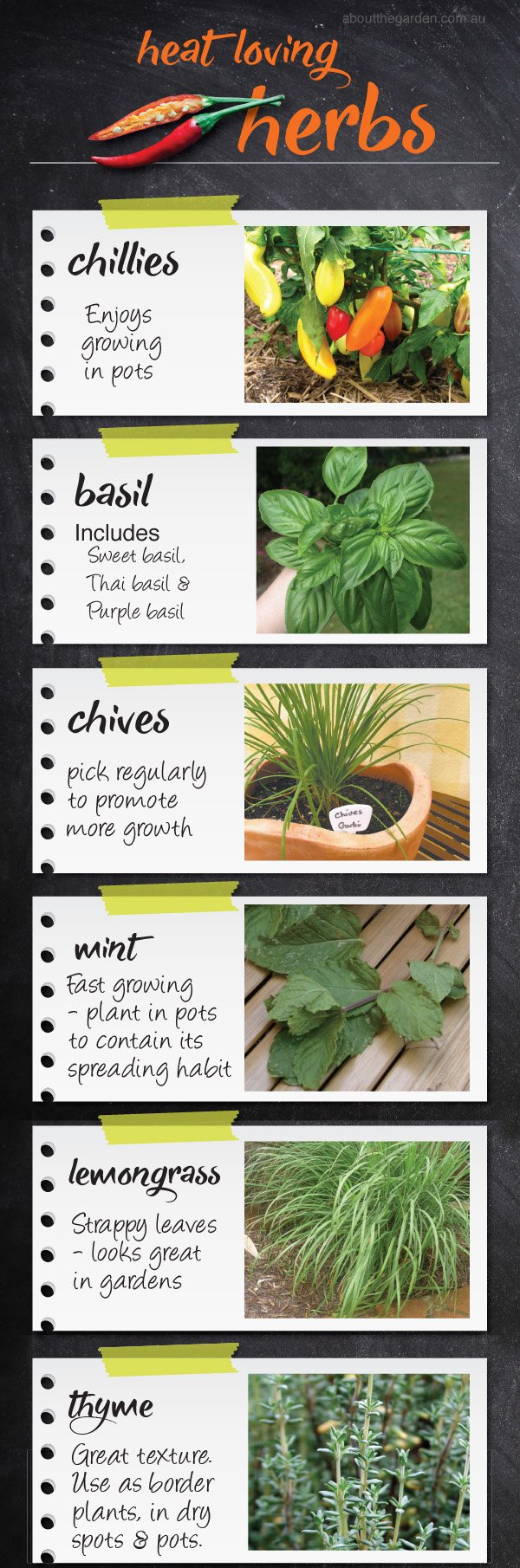
Top herbs to plant in spring are parsley, cilantro, chives, dill, mint.
Spring is the sweet spot for herb lovers. I have grown herbs for years in cold and warm zones, and I know what thrives when the soil wakes up. This guide breaks down herbs to plant in spring, with clear steps, smart tips, and real lessons from trial and error. If you want fresh flavor, fast wins, and low care, keep reading.

Why spring is ideal for herb gardening
Spring brings longer days, mild temps, and steady rain. This helps roots set fast. Cool nights slow pests. Warm days boost growth. It is the best time to build a strong, healthy herb bed.
When you plan herbs to plant in spring, check your last frost date and soil temperature. Many herbs sprout best when the soil is 50–70°F. Most need 6–8 hours of sun and loose soil that drains well. A raised bed or large pot helps in wet springs.
I set a simple rule from experience. Plant cool-season herbs early, and warm-season herbs after frost. That small shift cuts losses and speeds harvest.

Best herbs to plant in spring
Picking the right herbs to plant in spring is about timing. Start hardy herbs first. Add heat lovers when nights stay warm. Here are the winners I trust.
Cool-season stars (plant early, even before last frost in many zones)
- Parsley grows slow at first but loves cool air. Flat-leaf types pack strong flavor.
- Cilantro likes short, cool days. Harvest often to delay bolting.
- Chives bounce back after winter. Snip leaves and use the blooms too.
- Dill self-seeds and grows fast. Plant in rounds for a steady crop.
- Chervil tastes like a soft mix of parsley and anise. Shade helps it last longer.
- Mint handles cold. Keep it in a pot so it does not spread.
Warm-season favorites (plant after the last frost)
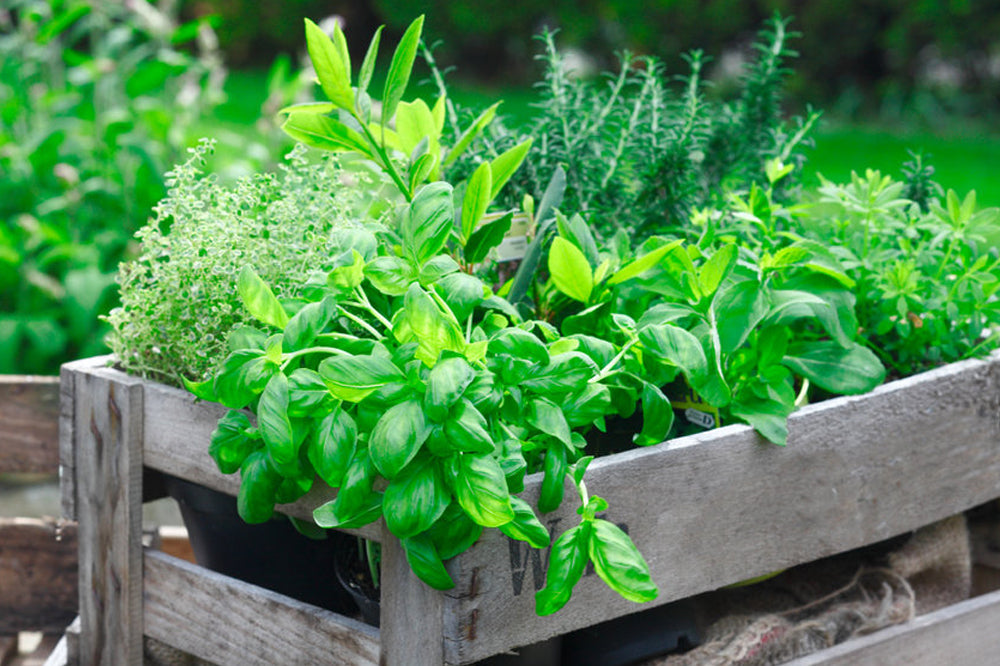
- Basil needs warm soil and air. Pinch tips to keep it bushy.
- Rosemary loves heat and sun. In cold zones, grow it in a pot and move inside for winter.
- Oregano spreads and gets woody. Trim often for soft, tasty growth.
- Thyme thrives in dry, lean soil. Great in rock gardens and pots.
- Sage grows well in spring but loves heat. Avoid wet feet.
Quick PAA-style answers
- Can I plant basil in spring? Yes, plant after your last frost when nights stay above 50°F.
- Which herbs grow fastest in spring? Dill, cilantro, and chives sprout and harvest fast in cool weather.
- Do herbs need full sun in spring? Most need 6–8 hours of sun; mint and chervil accept part shade.
Pro tip from my beds: Mix root depths. Pair shallow basil with deep-rooted sage to use water well. For small patios, a 12-inch pot fits three compact herbs to plant in spring with room to breathe.
How to start: seeds vs transplants
Seeds cost less and offer many types. Use them for dill, cilantro, chervil, and chives. These do best when direct-sown in cool soil.
Transplants save time. Use them for basil, rosemary, thyme, oregano, parsley, and sage. Buy sturdy, short plants with no flowers. Avoid root-bound starts.
I start basil indoors under a simple LED four weeks before my last frost. I direct-sow dill and cilantro outside the same week I plant peas. This split plan gives early harvests and steady growth.
Soil, sun, spacing, and water
Healthy soil is your base. Aim for a pH near 6.0–7.0 and good drainage. Blend in compost before you plant. Avoid heavy, wet clay.
- Sun: Most herbs need full sun. Mint, chervil, and parsley handle light shade.
- Spacing: Give air room. Basil 10–12 inches, thyme 8–10 inches, dill 12 inches, parsley 8 inches.
- Water: Keep soil moist, not soaked. Water at the base in the morning. Mulch helps hold water and stops splash.
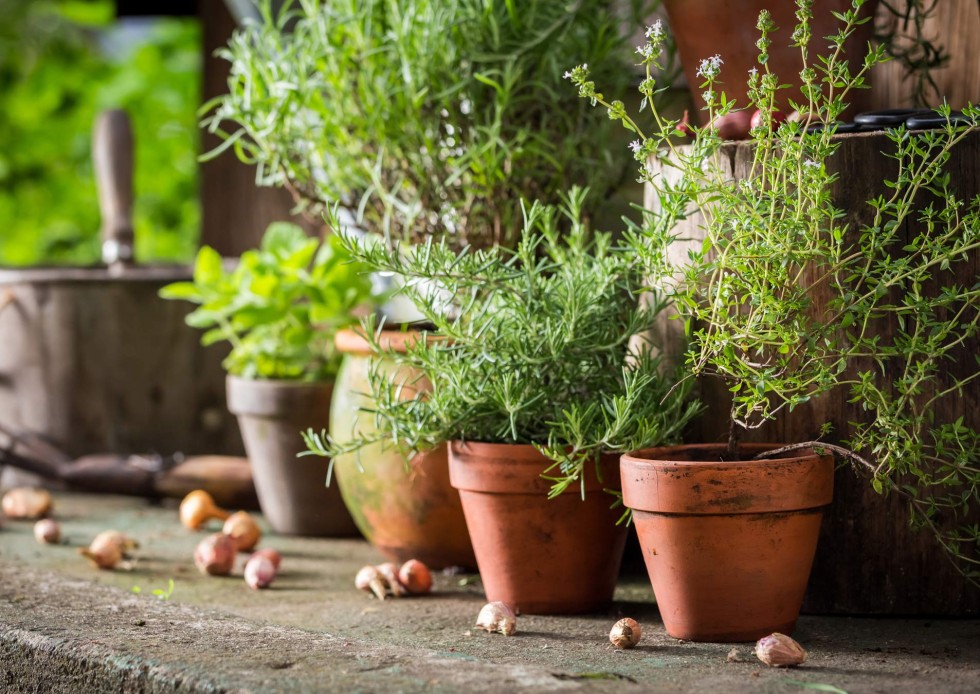
- Containers: Use pots with large drain holes. A mix of peat-free compost and perlite keeps roots happy.
Based on trials in my small yard, unglazed clay pots cut root rot in wet springs. A simple finger test for soil moisture beats any gadget for most home growers.

A simple spring care calendar
Week 1–2 after planting: Check soil moisture every two days. Shade new plants on hot days.
Week 3–4: Side-dress with compost. Begin light harvests from chives, dill, and cilantro.
Week 5–6: Start basil pinching. Stake tall dill to stop wind snaps.
Week 7–8: Top-dress pots with compost if leaves pale. Thin crowded seedlings.
Ongoing: Remove flowers on basil and cilantro if you want more leaves. Let some dill and chives bloom to feed bees.

Common mistakes to avoid
- Planting too early: Warm herbs sulk in cold soil. Wait for frost-free nights.
- Overwatering: Wet roots lead to rot. Let the top inch dry before watering again.
- Crowding: Tight spacing invites mildew. Give leaves room and prune often.
- Skipping harvests: Regular cuts keep plants tender and delay flowers.
- Wrong pot mix: Heavy soil in pots stays wet. Use a light, open mix.
I once lost a flat of basil to a cold snap. Now I keep a backup set of seeds for a quick replant. Build that buffer into your plan for herbs to plant in spring.

Companion planting and pollinators
Companion mixes can boost growth and deter pests. Strong scents from herbs confuse pests and draw good insects.
- Plant dill near lettuce to attract lacewings and lady beetles.
- Place basil by tomatoes to invite bees and add shade to the soil.
- Grow thyme at bed edges to cover soil and block weeds.
- Let chives and dill bloom to feed pollinators in late spring.
These pairings make herbs to plant in spring do double duty. You get flavor and a livelier, safer garden.
Harvesting and using your spring herbs
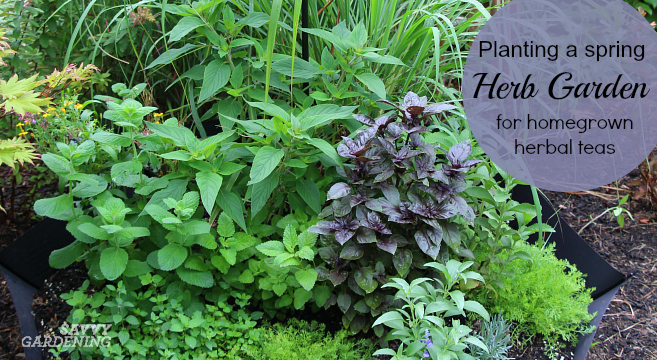
Start small and often. Morning harvests hold more oil and taste bright. Use clean shears to cut above a leaf node.
- Parsley: Cut outer stems first. Leave the crown.
- Cilantro: Snip 2–3 inches at a time, or pull whole plants when they bolt.
- Chives: Shear to 2 inches. They regrow fast.
- Basil: Pinch tips to a pair of leaves. This keeps it bushy.
- Thyme and oregano: Trim soft new growth. Woody stems are for stock.
Store herbs dry in a jar with a little water, or wrap in a damp towel in the fridge. Freeze extra in olive oil cubes to lock in spring flavor.

Pests and diseases in spring
Cool, damp weather can invite trouble. Watch early and act fast.
- Aphids cluster on soft tips. Spray off with water or use insecticidal soap.
- Slugs chew big holes. Hand-pick at dusk and use traps.
- Powdery mildew hits crowded plants. Improve airflow and water at the base.
- Root rot follows overwatering. Fix drainage and reduce water.
From my beds, airflow is the best shield. A small fan in a greenhouse, or wider spacing outdoors, cuts mildew more than most sprays.
Frequently Asked Questions of Herbs to plant in spring
What are the easiest herbs to plant in spring for beginners?
Start with chives, parsley, mint, and dill. They grow fast, forgive mistakes, and give steady harvests.
When should I plant basil in spring?
Plant basil after your last frost when nights stay above 50°F. Warm soil helps roots expand fast.
Can I grow herbs to plant in spring indoors?
Yes, use a sunny window or a small grow light. Choose compact types like basil, chives, and thyme.
How often should I water spring herbs?
Water when the top inch of soil is dry. Pots need more frequent checks than garden beds.
Do I need fertilizer for herbs to plant in spring?
Use compost at planting and a light feed mid-season. Too much nitrogen makes lush leaves with weak flavor.
Which herbs to plant in spring work best in shade?
Parsley, chervil, and mint accept part shade. They still need bright light for a few hours.
How do I keep cilantro from bolting in spring?
Plant in cool weather, harvest often, and give light shade as days warm. Succession sow every 2–3 weeks.
Conclusion
Spring is your cue to plant fast, fresh flavor. Choose cool lovers first, then add heat lovers after frost. Use good soil, give sun and space, and harvest often. Small steps, done on time, bring big, tasty wins.
Start your list of herbs to plant in spring today and block an hour this weekend to set your bed or pots. Share your favorite combos in the comments, and subscribe for more hands-on garden guides.

I enjoy sharing simple gardening ideas, lawn care tips, and honest product reviews that help make outdoor work easier. From home gardening guides to helpful tools and lawn care advice, I write easy-to-follow content to help readers create a healthier and better-looking outdoor space without wasting time or money.