
As an Amazon Associate, I earn from qualifying purchases.
Plant leafy greens, peas, and roots early; tomatoes, peppers, cucumbers later.
If you want a lush, productive garden this year, start with the right fruits and vegetables to plant in spring. I have grown food in cool and warm zones, and I know timing makes or breaks a harvest. In this guide, I share what to plant, when to plant, and how to set up each crop for success. You will leave with a full plan for choosing fruits and vegetables to plant in spring and a clear path from seed to plate.

Know your last frost date and soil temperature
Spring planting starts with two numbers: your average last frost date and your soil temperature. Your frost date guides when frost-tender plants can go outside. Your soil temperature tells you when seeds will sprout well.
Use a simple soil thermometer at 2 inches deep. Cool-season crops like it between 40–60°F. Warm-season crops like 60–75°F.
Key ranges I use in my beds:
- 35–45°F soil: Spinach, peas, mache, and radishes.
- 45–55°F soil: Lettuce, beets, carrots, cilantro, and brassicas.
- 60–65°F soil: Beans, cucumbers, squash, and sweet corn.
- 65–75°F soil: Tomatoes, peppers, eggplant, basil, and melons.
Microclimates matter. A south-facing wall warms fast. A low spot chills at night. When picking fruits and vegetables to plant in spring, match the crop to your site.
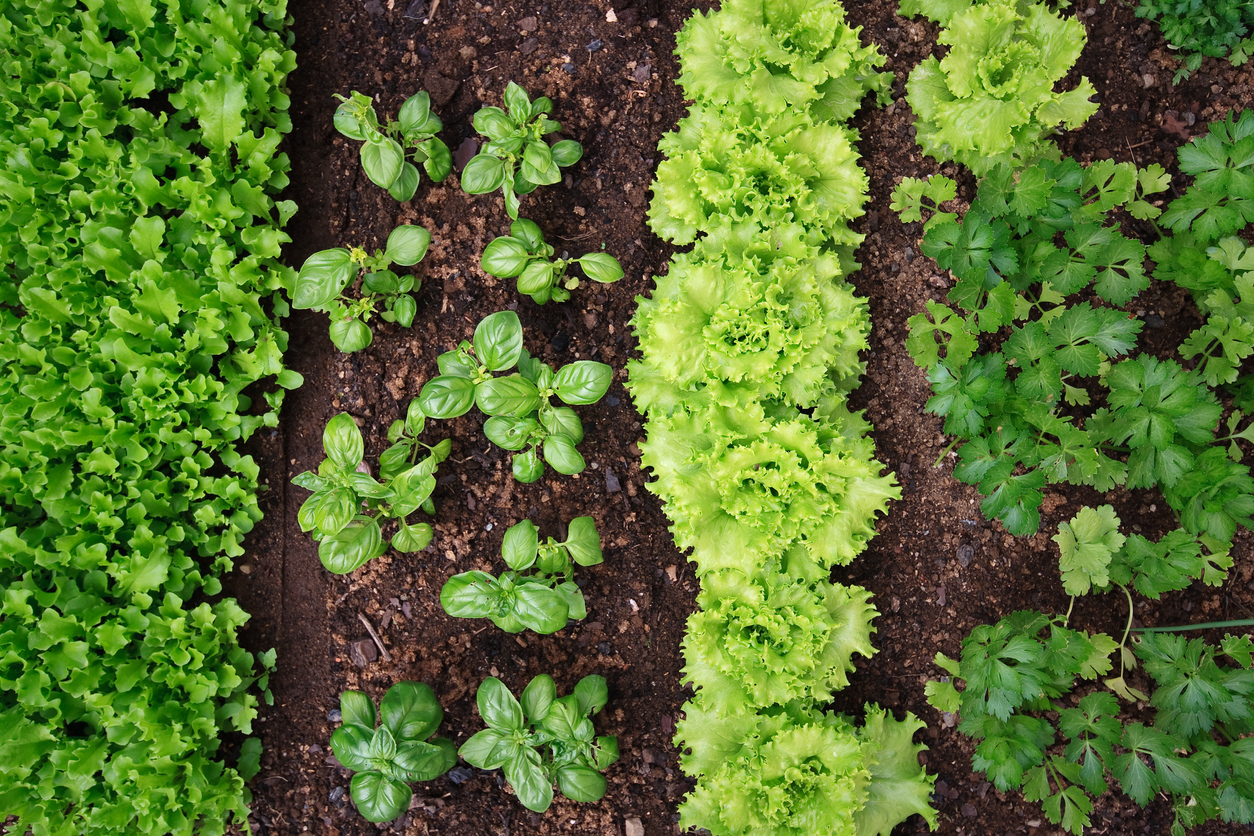
Cool-season vegetables to plant in early spring
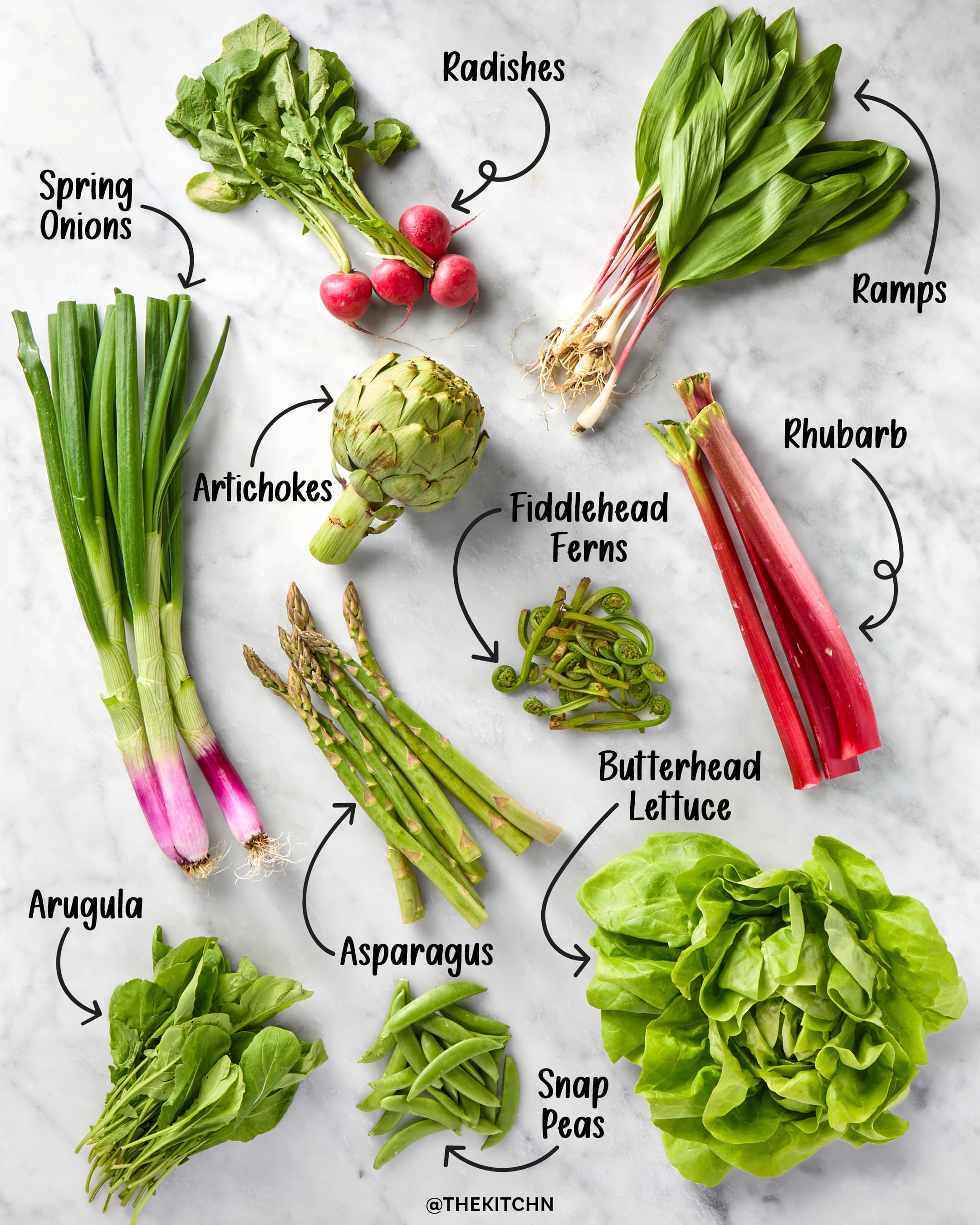
These crops grow in cool air and cold soil. Many can handle a light frost. They are the first fruits and vegetables to plant in spring if you want fast wins.
Leafy greens
- Spinach, lettuce, arugula, kale, chard.
- Direct sow for tender leaves or transplant for head lettuce.
- Harvest in 25–55 days, depending on type.
Peas
- Sugar snap, snow, and shelling peas.
- Direct sow as soon as soil can be worked.
- Trellis early to keep vines off wet soil.
Root crops
- Radishes, carrots, beets, turnips.
- Sow thinly and keep top inch of soil moist.
- Use loose, stone-free soil for straight roots.
Brassicas
- Broccoli, cabbage, cauliflower, kohlrabi.
- Transplant sturdy starts two to four weeks before last frost.
- Use row cover to block cabbage moths.
Herb allies for spring
- Cilantro, dill, parsley, chives.
- Cool nights keep them from bolting too soon.
Tip from my garden: I sow radishes with carrots. Radishes mark the row and loosen soil. They finish fast while carrots take their time. This simple trick speeds up early harvests of fruits and vegetables to plant in spring.
Warm-season vegetables to plant in late spring
Wait until danger of frost has passed. Harden off transplants for 7–10 days. Warm soil and steady nights give strong growth.
Tomatoes
- Plant when nights stay above 50°F.
- Bury stems deep to grow extra roots.
- Choose determinate for small spaces, indeterminate for long harvests.
Peppers and eggplant
- Prefer warm soil and warmer nights.
- Black mulch or a low tunnel helps early vigor.
- Feed lightly but often for steady fruit set.
Cucumbers, squash, and melons
- Direct sow once soil hits 60–65°F.
- Space for airflow to reduce mildew.
- Trellis cucumbers and small melons to save room.
Beans and corn
- Sow beans at 60°F+ soil; they dislike cold.
- Sow corn in blocks for better pollination.
- In small beds, choose early, short corn varieties.
Sweet potatoes
– Plant slips after soil is very warm.
- Use raised beds for heat and drainage.
If you rush fruits and vegetables to plant in spring, you lose time to stunt, not frost. Be patient. Warmth pays.
Fruits to plant in spring
Spring is prime for planting bare-root and potted fruit. Focus on site, soil pH, and sun. Most fruit needs 6–8 hours of direct sun.
Strawberries
- Everbearing types give fruit in summer and fall.
- Space 12–18 inches and mulch to keep berries clean.
- Pinch first flowers on new plants for stronger crowns.
Blueberries
- Need acidic soil, pH 4.5–5.5.
- Plant at least two compatible varieties for better yields.
- Mulch with pine fines and keep evenly moist.
Raspberries and blackberries
- Choose primocane types for fall crops in cold zones.
- Install a simple wire trellis at planting.
- Prune spent canes for clean, healthy rows.
Grapes
- Full sun, good airflow, and strong trellising.
- Choose disease-resistant types if summers are humid.
- Prune hard in winter for balanced vines.
Rhubarb and asparagus
- Long-lived, cool-friendly perennials.
- Plant crowns in rich, well-drained beds.
- Do not harvest the first year to build reserves.
Dwarf fruit trees
- Apples, peaches, pears, plums on dwarf rootstock.
- Check chill hours for your area and variety.
- Stake and water well for the first two seasons.
When planning fruits and vegetables to plant in spring, start with one easy fruit per season. Strawberries are my top pick for beginners.

Smart ideas for containers and small spaces
You can grow plenty on a patio with the right plan. Choose compact types and vertical supports.
Best picks for pots
- Salad mixes, arugula, spinach, and baby kale.
- Determinate tomatoes, dwarf peppers, bush beans.
- Strawberries and dwarf blueberries in large containers.
Space-saving tricks
- Trellis cucumbers and pole beans on a fence.
- Plant lettuce under tomatoes for shade in heat.
- Use fabric grow bags to boost root air and drainage.
Soil for containers
- Use a quality potting mix, not garden soil.
- Feed weekly with a balanced liquid fertilizer.
This setup keeps fruits and vegetables to plant in spring within reach, even on a balcony.

Soil preparation, compost, and fertilizer
Great soil grows great food. Test your soil every couple of years. Add compost to improve structure, drainage, and life.
Simple steps I follow
- Add 1–2 inches of finished compost before planting.
- Mix in a balanced organic fertilizer at label rates.
- Top-dress with worm castings for transplants.
pH and texture
- Most vegetables like pH 6.0–7.0.
- Blueberries need more acid; brassicas like slight acidity.
- Sandy soil dries fast; clay soil holds water and needs more compost.
Avoid overfeeding. Too much nitrogen grows leaves, not fruit. Balanced nutrition is key for fruits and vegetables to plant in spring.

Watering, mulch, and frost protection
Water deep and less often to train deep roots. Drip or soaker hoses reduce waste and leaf disease. Early mulch locks in moisture and stops weeds.
What to use
- Straw or shredded leaves around cool-season beds.
- Compost or pine straw around berries and perennials.
- Light mulch first, add more as soil warms.
Frost tools I rely on
- Floating row cover for a light frost.
- Cloche or cold frame for tender seedlings.
- Old sheets on a cold snap, removed in the morning.
These steps guard young fruits and vegetables to plant in spring from wild spring swings.

Succession planting and crop rotation
Plan waves of sowing to stretch your harvest. Rotate crop families each year to cut pests and disease.
Easy successions
- Sow lettuce every two weeks for steady salads.
- Follow peas with beans when heat arrives.
- After garlic, plant summer squash or cucumbers.
Rotation basics
- Move crops by family: nightshades, brassicas, alliums, legumes, cucurbits.
- Keep three or four-year gaps before a family returns.
- Cover crop empty beds with buckwheat or clover.
This method keeps fruits and vegetables to plant in spring productive all season.

Spring pests and diseases to watch
Early action beats heavy sprays. Scout plants twice a week.
Common issues
- Aphids: Wash off with water. Encourage ladybugs and lacewings.
- Cabbage worms: Use row cover or handpick. Bt is a targeted option.
- Flea beetles: Floating row cover and trap crops like radishes.
- Slugs and snails: Beer traps, iron phosphate bait, and clean mulch lines.
- Damping-off in seedlings: Sterile mix, airflow, and careful watering.
Choose resistant varieties when you can. Healthy soil and steady water help fruits and vegetables to plant in spring stand strong.
Personal lessons and mistakes to avoid
I once planted tomatoes the week before a surprise frost. I had to cover each plant with buckets. They lived but stalled for weeks. Now I wait for warm nights and add a soil thermometer to my kit.
I used to crowd greens. The beds looked full, but airflow was poor. Mildew showed up fast. Wider spacing gave me more, not less, in the end.
I also learned to harden off with care. One windy day can scorch soft leaves. I start with one hour outside and add an hour each day. With these small changes, my fruits and vegetables to plant in spring grew stronger and tasted better.
A simple 8-week spring planting calendar
Use this as a guide tied to your local last frost date. Adjust to your zone and soil.
Weeks before last frost
- 8–6 weeks: Start tomatoes, peppers, and brassicas indoors. Direct sow spinach and peas if soil allows.
- 6–4 weeks: Direct sow carrots, beets, radishes, and lettuce. Transplant hardy brassicas under row cover.
- 4–2 weeks: Sow more lettuce and cilantro. Start cucumbers and squash indoors in small cells.
- 2–0 weeks: Direct sow beans if soil is 60°F. Harden off all transplants.
Weeks after last frost
- 0–2 weeks: Transplant tomatoes and peppers when nights are warm. Direct sow corn and cucumbers.
- 2–4 weeks: Transplant squash and melons. Plant basil and more beans for staggered harvests.
- 4–6 weeks: Set out sweet potato slips. Start a new round of lettuce in shade.
This rhythm keeps your fruits and vegetables to plant in spring rolling into summer.
Frequently Asked Questions of Fruits and vegetables to plant in spring
What are the easiest fruits and vegetables to plant in spring for beginners?
Start with lettuce, radishes, peas, and bush beans. For fruit, choose strawberries and dwarf blueberries in containers.
Can I plant tomatoes before the last frost if I cover them?
You can, but growth will be slow in cold soil. Wait for warm nights, or use a low tunnel and black mulch to add heat.
How do I know when soil is warm enough to plant beans or cucumbers?
Use a soil thermometer at 2 inches deep. Aim for 60–65°F for strong, even germination.
What fruits and vegetables to plant in spring if I have shade?
Grow lettuce, spinach, kale, chives, and mint in partial shade. In fruit, try currants and some raspberries with bright, indirect light.
How often should I water new spring plantings?
Keep the top inch of soil moist for seeds and new transplants. After establishment, water deeply 1–2 times per week, depending on weather.
Which fertilizers are best for spring vegetables and fruit?
Use a balanced, slow-release organic fertilizer at planting. Side-dress with compost mid-season for steady nutrients.
What fruits and vegetables to plant in spring for a small balcony?
Pick compact tomatoes, dwarf peppers, salad greens, and strawberries. Use 5–10 gallon containers and a sunny spot.
Conclusion
Spring is your season to set the table for the year. Start with cool crops, add warm lovers after frost, and pace your plantings with simple checks on soil and night temps. With smart timing, good soil, and a few protective tools, your list of fruits and vegetables to plant in spring will turn into crisp salads, sweet berries, and full baskets.
Walk your garden today and mark your first beds. Pick one easy fruit and three fast vegetables. Then share your plan or questions in the comments, and subscribe for weekly planting reminders and crop-by-crop guides.

I enjoy sharing simple gardening ideas, lawn care tips, and honest product reviews that help make outdoor work easier. From home gardening guides to helpful tools and lawn care advice, I write easy-to-follow content to help readers create a healthier and better-looking outdoor space without wasting time or money.