
As an Amazon Associate, I earn from qualifying purchases.
Stop crabgrass by thick turf, timely pre-emergent, steady mowing, and smart watering.
You want a lawn that looks clean and stays green. I’ve helped many homeowners learn how to stop crabgrass from growing with simple, proven steps. In this guide, I’ll show you what works, why it works, and when to act. You’ll get a full plan rooted in field experience and research, so you can master how to stop crabgrass from growing for good.
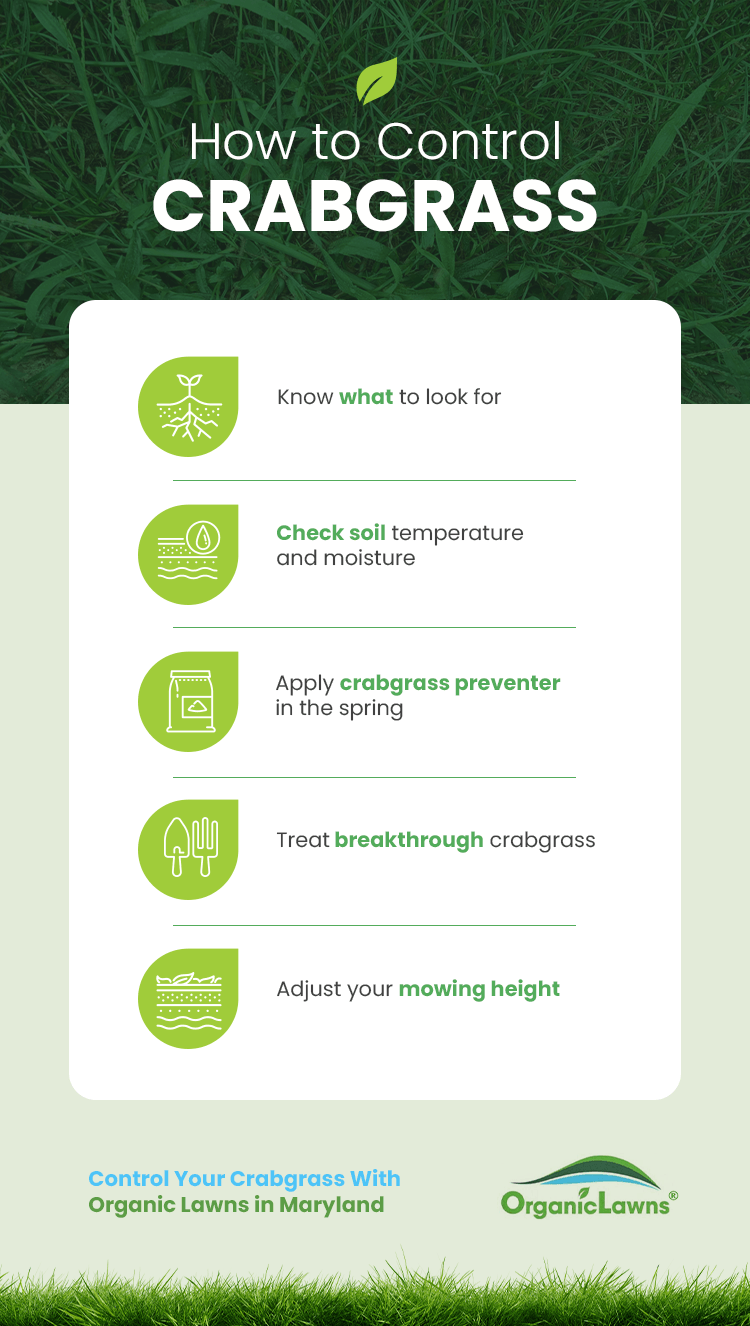
What Is Crabgrass and Why It Spreads
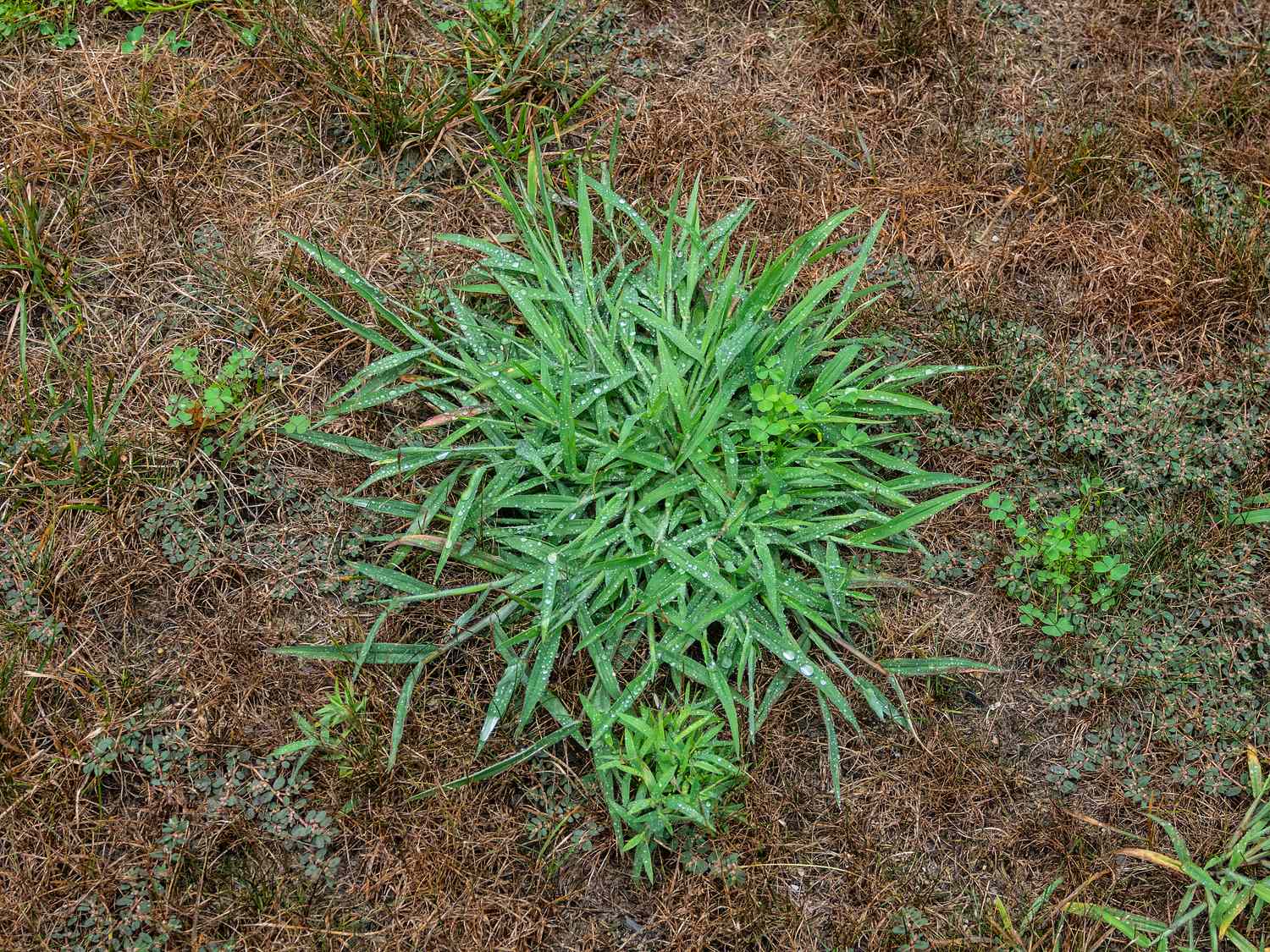
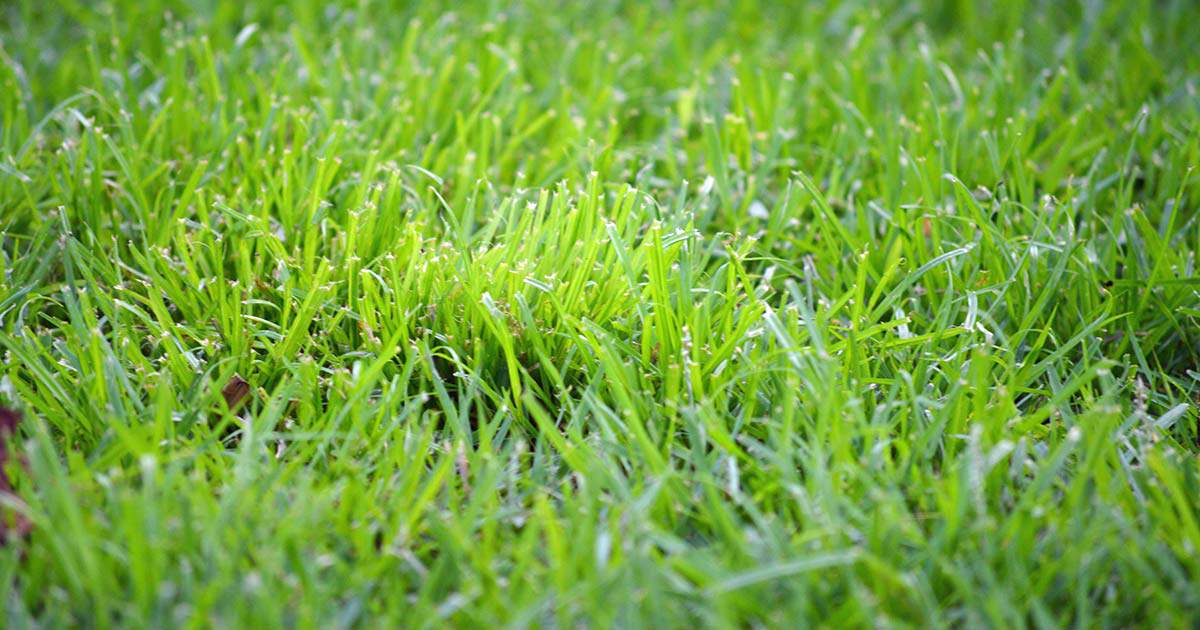
Crabgrass is an annual warm-season weed. It loves heat, thin turf, and bare soil. It germinates in spring, grows fast in summer, and drops a lot of seeds by fall.
Soil temperature is the trigger. Seeds sprout when the top inch stays near 55–60°F for several days. One plant can set thousands of seeds that live in soil for years. To learn how to stop crabgrass from growing, you must break this life cycle.
You do that by blocking germination, growing dense turf, and removing young plants early. That’s the heart of how to stop crabgrass from growing and keeping it gone.
The Seasonal Plan: When and How to Act
A calendar beats guesswork. Here’s a simple year-round plan that shows how to stop crabgrass from growing at each stage.
Spring (pre-emergent window)
- Apply a pre-emergent before soil hits about 55°F for several days.
- Use cues if you lack a soil thermometer. Forsythia bloom or steady spring days often line up.
- Water in the product as the label says.
Early summer to mid-summer
- Mow higher to shade soil.
- Spot-treat young plants while small.
- Water deep and rare, not light and daily.
Late summer to fall
- Overseed thin areas to build density.
- Aerate compacted zones.
- Feed as your grass type allows, and correct soil pH.
Winter
- Service your spreader and sprayer.
- Plan your next pre-emergent date.
Follow this rhythm and you’ll see how to stop crabgrass from growing becomes much easier.

Cultural Practices That Prevent Crabgrass
Good habits make crabgrass fail. These simple steps are often the best way to learn how to stop crabgrass from growing without heavy sprays.
Mow higher
- For cool-season lawns, set 3–4 inches.
- For warm-season lawns, set about 2.5–3 inches.
- Taller grass shades soil and blocks seeds from sprouting.
Water smart
- Water deep and less often. Aim for 1 inch per week, total.
- Early morning only. Keep leaf blades dry later in the day.
Feed right
- Test soil every few years. Adjust pH if needed.
- Avoid heavy nitrogen in peak summer on cool-season lawns.
Relieve stress zones
- Aerate high-traffic and curbside strips.
- Edge cleanly so grass, not soil, meets the sidewalk.
These steps are the backbone of how to stop crabgrass from growing the natural way.
Pre-Emergent Herbicides: What Works and How to Apply
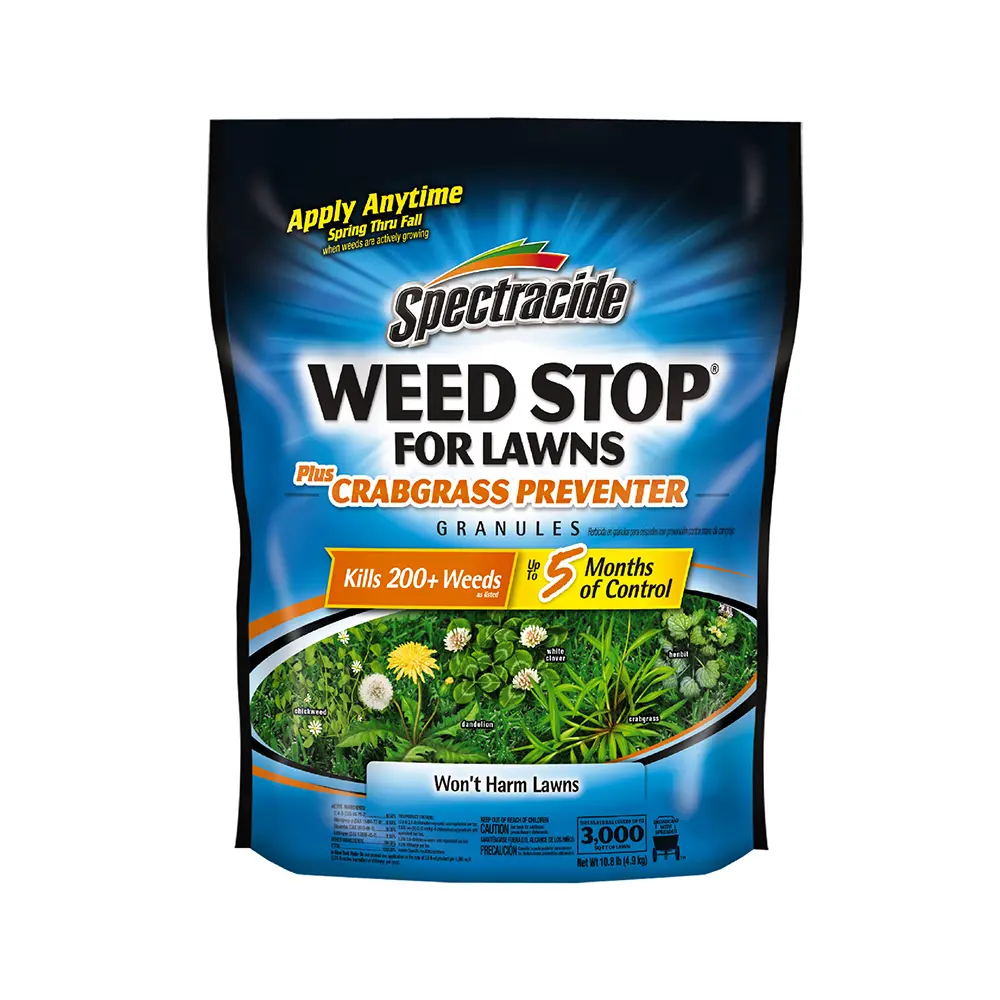
Pre-emergents form a thin barrier near the soil surface. They stop new seedlings as they sprout. They do not kill mature crabgrass. Timing and coverage matter most.
Common active ingredients
- Prodiamine: Long control window. Great for early spring.
- Pendimethalin: Solid choice with standard timing.
- Dithiopyr: Adds early post-emergent kick on very young plants.
- Mesotrione: Can be used at seeding in some cases. Check the label.
How to use them well
- Apply just before germination. Think steady 55–60°F soil temps.
- Spread evenly. Missed strips turn into green crabgrass lanes.
- Water in with 0.25–0.5 inch as the label states.
Seeding rules
- Many pre-emergents delay new grass seed. Watch the waiting period.
- Siduron can be paired with seeding on some cool-season lawns.
- Mesotrione is often allowed at seeding. Confirm your label.
Common mistakes to avoid
- Applying too late after germination starts.
- Skipping the water-in step.
- Overseeding too soon after treatment.
Use labels first. They are the law. Done right, this step is key in how to stop crabgrass from growing each spring.
:max_bytes(150000):strip_icc()/how-to-kill-crabgrass-2132940-v1-HL-FINAL-d9afb639cc09475b9a0f96f611c56243.png)
Post-Emergent Control: Killing Existing Crabgrass
Once crabgrass is up, act early. Small plants are easy. Big mats are tough.
Best actives for lawn use
- Quinclorac: Very effective on young crabgrass in many turf types.
- Fenoxaprop: Strong on small plants. Check turf safety.
- Dithiopyr: Works on very young seedlings.
- Mesotrione or topramezone: Useful in some cool-season lawns.
How to get results
- Spray when plants are young, not tillered out.
- Use a proper surfactant if the label calls for it.
- Treat in mild weather. Avoid heat waves and drought stress.
- Expect a second treatment 2–3 weeks later if needed.
Hand-pulling helps too, especially after rain. Bag mature plants so seeds do not drop. This flexible mix shows how to stop crabgrass from growing even after a few break through.
Organic and Natural Options
You can lean on cultural control and a few natural tools. Results vary, but the plan can work.
Options to consider
- Corn gluten meal: Acts like a pre-emergent when timed right. Needs high rates and dry weather after use. It also adds nitrogen.
- Mulch: Use in beds and tree rings to block light and heat.
- Boiling water or spot flame: Only for cracks, not in turf. Use with care.
The strongest organic step is dense grass. Overseed, water smart, and mow high. That is the most reliable path for how to stop crabgrass from growing without synthetics.
:max_bytes(150000):strip_icc()/GettyImages-1018929646-182234060d0d4594bf7b22c5a23d657b.jpg)
Overseeding and Lawn Repair to Outcompete Weeds
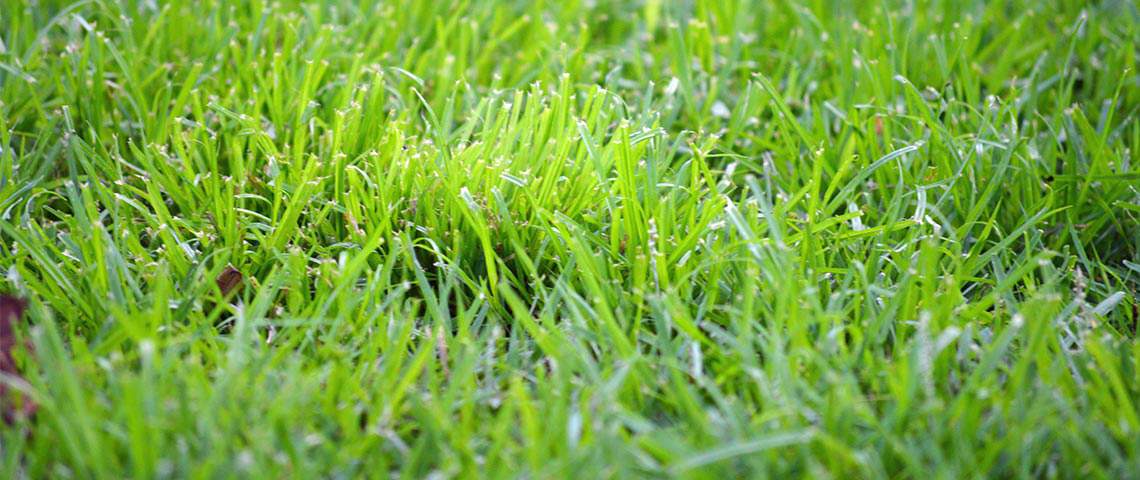
Thick turf leaves no room for crabgrass. Patch thin spots fast.
Pick the right seed
- Cool-season zones: Tall fescue for durability. Kentucky bluegrass for knit and look. Perennial ryegrass for quick cover.
- Warm-season zones: Bermuda and zoysia spread well. St. Augustine is usually sodded, not seeded.
Seed the right way
- Rake or core aerate to expose soil.
- Spread seed at label rate. Press for seed-to-soil contact.
- Top-dress with a thin compost layer.
- Keep the seedbed moist until germination, then taper.
Starter fertilizer helps new roots. If you must use a pre-emergent, choose one that is safe at seeding per the label. Thick turf is a long-term play in how to stop crabgrass from growing.
Edging, Hardscapes, and Heat Islands
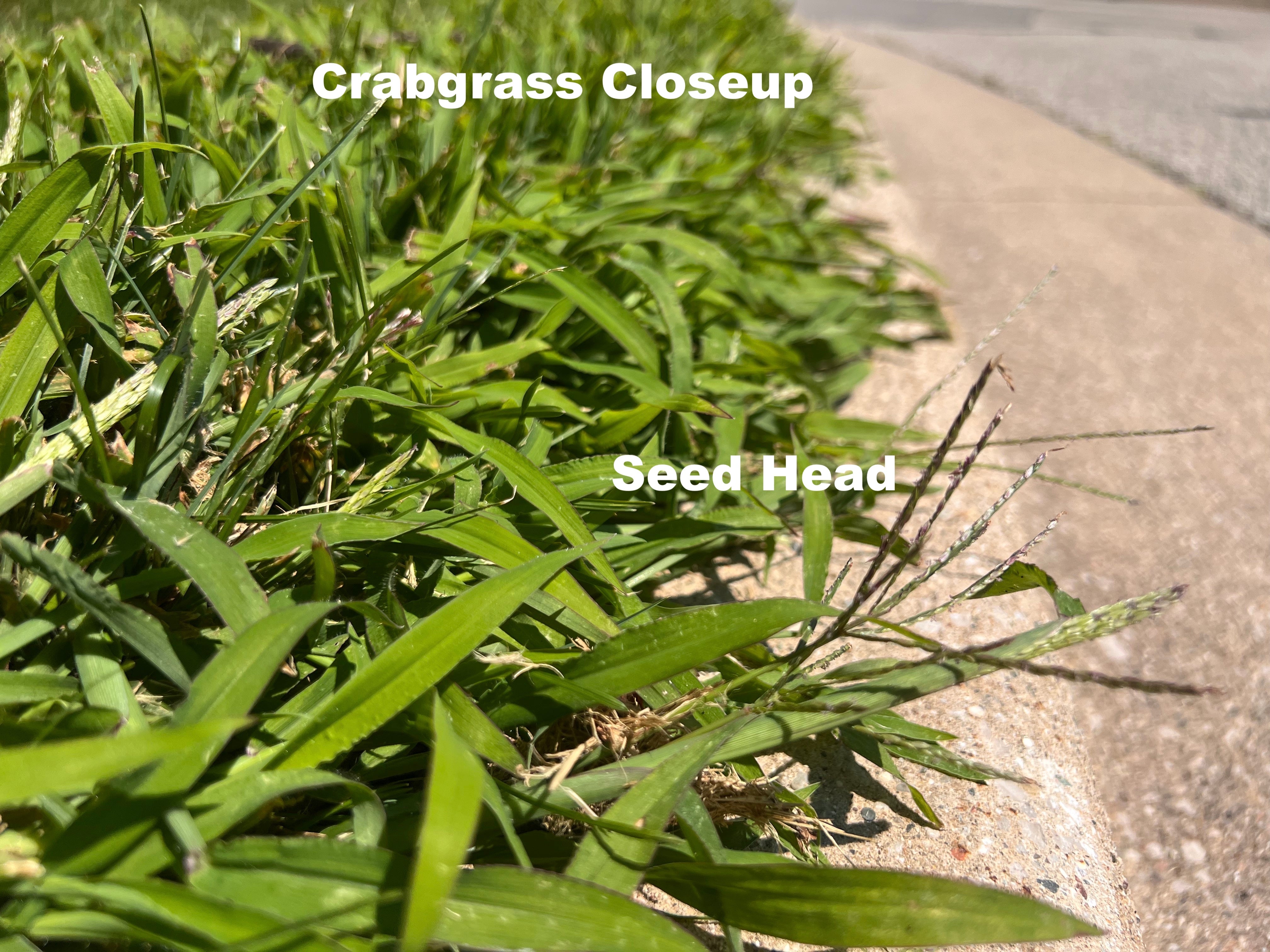
Crabgrass loves hot edges near sidewalks and driveways. These spots dry out fast and invite seeds.
Simple fixes
- Irrigate so edges get even water. Many sprinklers miss the strip.
- Seal cracks in concrete and pavers. Starve seeds of soil.
- In joints or gravel, use targeted non-selective control with care. Spot treat and shield nearby turf.
These tweaks close gaps. They also cut seed banks. They round out how to stop crabgrass from growing along the most stubborn lines.

Common Mistakes and How to Avoid Them
Avoid these, and your results jump fast.
- Late pre-emergent timing. Put it down before soil reaches the trigger.
- Scalping the lawn. Low cuts warm soil and wake seeds.
- Daily light watering. It trains shallow roots and feeds weeds.
- Skipping soil tests. Wrong pH locks up nutrients.
- Ignoring labels. Wrong rates or mixes harm turf and waste money.
- One-and-done thinking. Plan for touch-ups and fall thickening.
Fix these habits to lock in how to stop crabgrass from growing year after year.
Tools, Rates, and Safety Checklist
You do not need pro gear, just consistent tools and safe habits.
Core tools
- Broadcast spreader for even granules.
- Handheld or backpack sprayer with a clean nozzle.
- Soil thermometer for timing.
- Measuring cup, scale, and bucket for accurate rates.
- Non-ionic surfactant if your label needs it.
- Gloves, eye protection, and long sleeves.
Quick calibration steps
- Weigh product for 1,000 square feet.
- Test-run on a tarp. Adjust the setting until the weight matches.
- Walk at a steady pace and overlap lightly.
Safety first
- Read every label, every time.
- Keep kids and pets off until dry or as the label states.
- Store products sealed and off the floor.
This simple kit helps you master how to stop crabgrass from growing with precision.
Personal Case Study: What Finally Worked For Me
My worst trouble spot was the sunny strip by the street. It baked all day and filled with crabgrass every July. Here is what changed it.
- Year 1: Timed pre-emergent right and raised mowing height. Pulled escapes weekly.
- Year 2: Aerated, overseeded with turf-type tall fescue, and fixed irrigation to hit the edge.
- Year 3: Swapped to dithiopyr for early breakthrough. Added a second light app mid-spring.
Result: Over 90% less crabgrass and a thick edge. That strip showed me how to stop crabgrass from growing is not a single step. It is a small set of right steps done on time.
Frequently Asked Questions of how to stop crabgrass from growing
When should I apply pre-emergent for crabgrass?
Apply just before soil holds near 55–60°F for several days. A soil thermometer or local growing cues can help with timing.
Can I seed and use pre-emergent at the same time?
Most pre-emergents block grass seed too. Use a product labeled safe at seeding or delay the herbicide until after new grass is established.
What kills crabgrass but not my lawn?
Actives like quinclorac, fenoxaprop, and mesotrione can work on many turf types. Always check the label for your grass species.
Does corn gluten meal really work?
It can help when timed right and used at high rates, but results vary. It is less reliable than standard pre-emergents.
Why does crabgrass keep coming back every year?
Seeds can live in soil for years and edges stay hot and bare. Use timed pre-emergent, mow high, and overseed thin spots to break the cycle.
What mowing height is best to prevent crabgrass?
Mow cool-season lawns at 3–4 inches and warm-season at about 2.5–3 inches. Taller grass shades soil and blocks germination.
Is hand-pulling crabgrass effective?
Yes, especially on small plants and after rain when roots release. Bag pulled plants to avoid dropping seeds.
Conclusion
You can win the crabgrass battle with a simple, steady plan. Time your pre-emergent, mow higher, water deep, and thicken the lawn. Treat escapes early, and fix hot edges that invite weeds.
Start with one step this week. Set your mowing height, buy a soil thermometer, or map your pre-emergent date. If you found this guide useful, subscribe for more lawn tips, or drop a comment with your toughest spot and I’ll help you plan how to stop crabgrass from growing where you live.

I enjoy sharing simple gardening ideas, lawn care tips, and honest product reviews that help make outdoor work easier. From home gardening guides to helpful tools and lawn care advice, I write easy-to-follow content to help readers create a healthier and better-looking outdoor space without wasting time or money.