
As an Amazon Associate, I earn from qualifying purchases.
Match mower to yard size, terrain, deck, power, comfort, safety, and service.
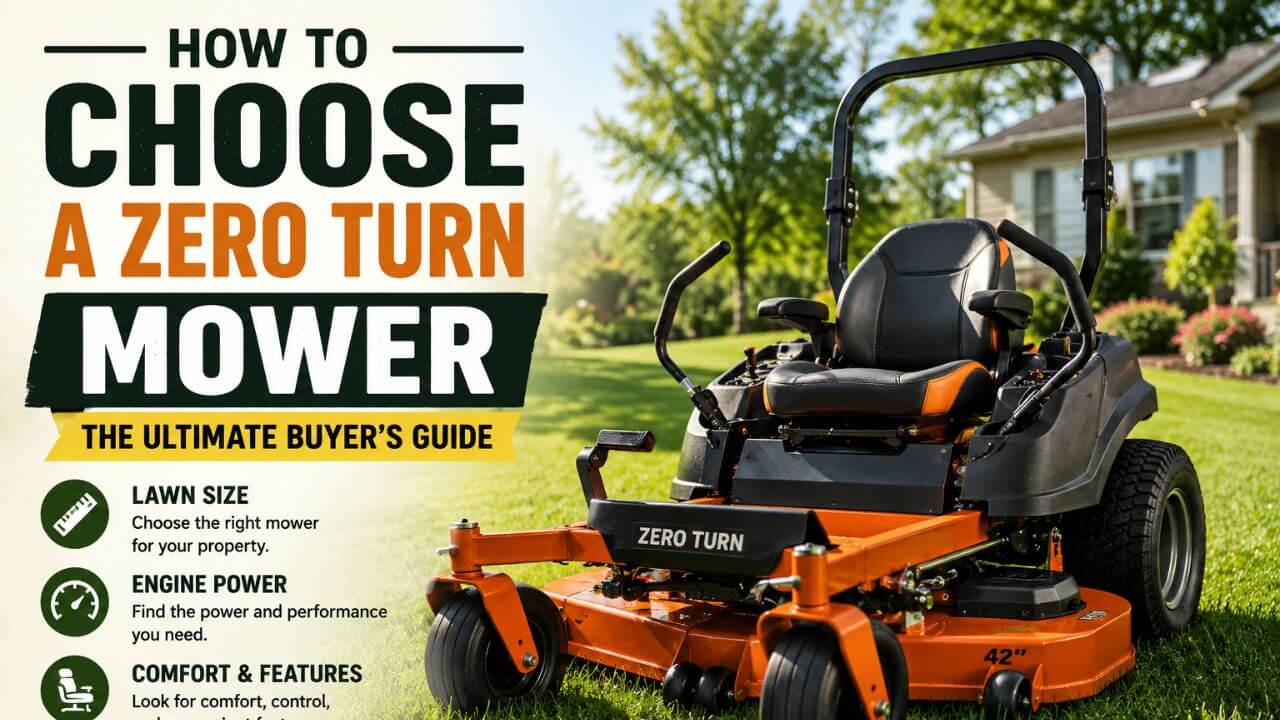
You’re here because you want a mower that cuts faster, turns tighter, and lasts longer. I’ve set up fleets for sports fields, HOA grounds, and hilly backyards, and I’ll walk you through How To Choose A Zero Turn Mower with the same clear checklist I use on the job. Expect plain language, expert tips, and real-world picks you can trust.
What Is a Zero Turn Mower and Why It Matters
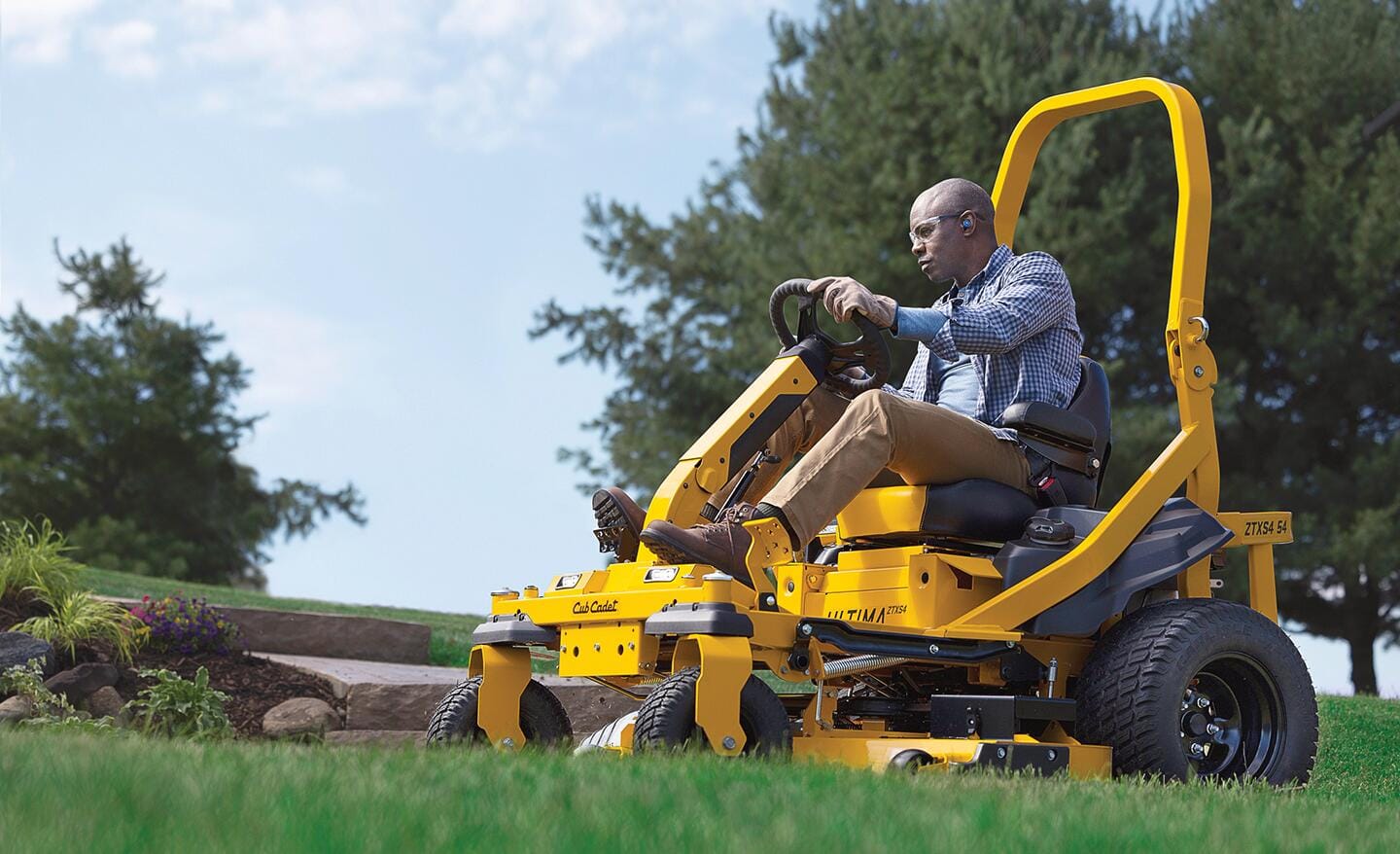
How To Choose A Zero Turn Mower starts with knowing what it does best. A zero turn pivots on its rear wheels using independent hydrostatic drives, so it can spin within its own footprint. That tight turning saves time around trees and beds and boosts productivity on open turf. Most manuals warn to limit slopes to about 10–15 degrees, since traction and steering are different than a tractor.
Zero turns cut fast, often 6–10 mph, but speed is only useful if cut quality stays high. Deck design, blade tip speed, and baffles matter as much as horsepower. Start with your yard, then match features to your needs.

Quick Yard Assessment: Size, Terrain, and Obstacles
If you want to nail How To Choose A Zero Turn Mower, measure your space first. Walk the yard or use a map app to estimate acres and check gate widths. Count trees, beds, and narrow paths; tight spaces call for smaller decks. Note slopes with a phone clinometer and avoid wet or shady areas that stay slick.
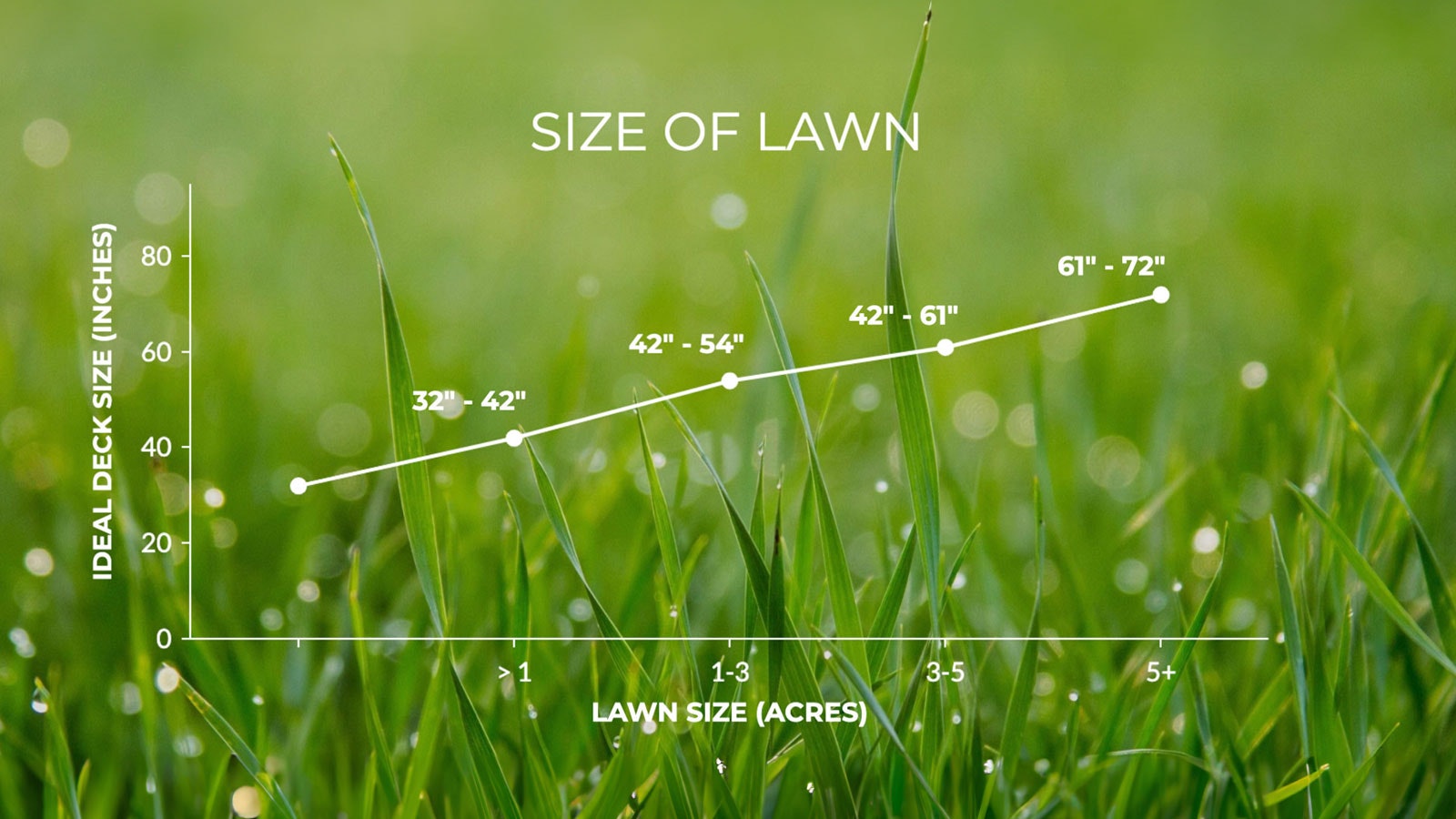
Use this quick fit guide:
- Under 1 acre with gates 36–48 inches: 42–46 inch deck works well.
- 1–3 acres, moderate obstacles: 48–54 inch deck balances speed and agility.
- 3+ acres or open fields: 60–72 inch deck for fewer passes and lower hours.
Tire choice matters on slopes and wet turf. Turf tires protect grass but can slip; bar or chevron tires grab better but may scuff.
Deck Size and Cutting System
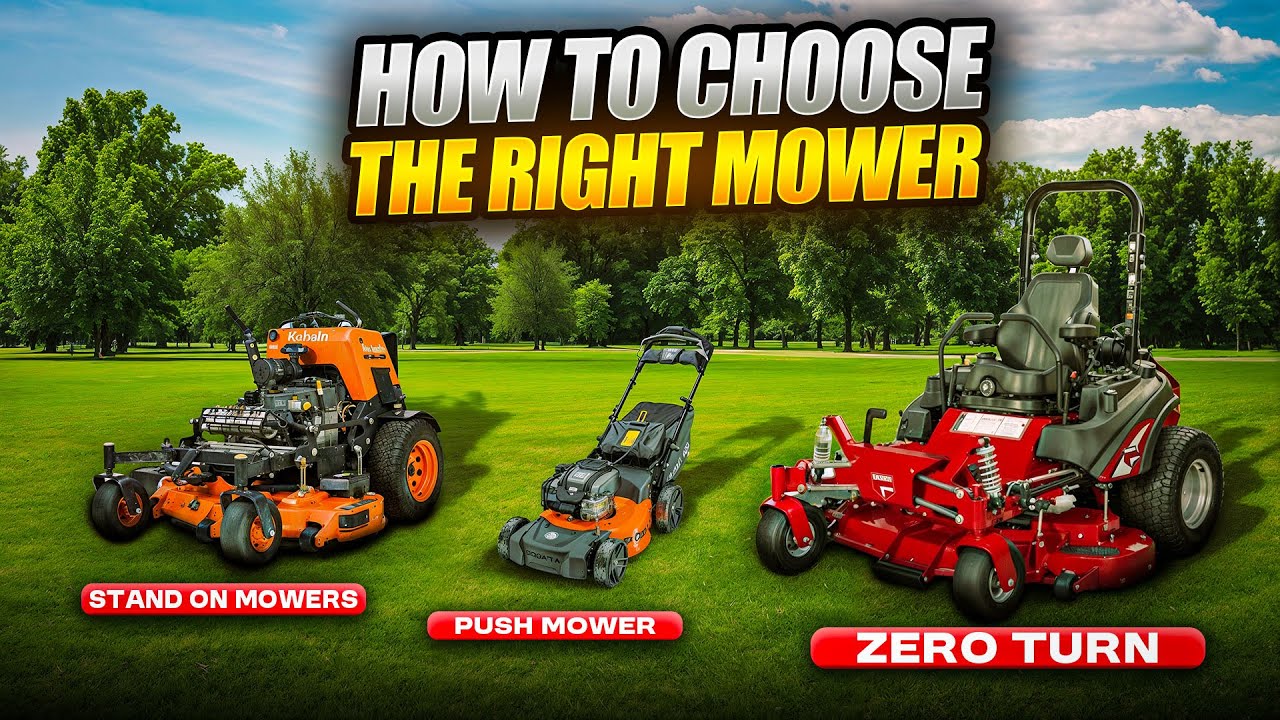
How To Choose A Zero Turn Mower often comes down to the deck. Stamped decks are lighter and can give a smooth cut on small, flat lawns. Fabricated decks use thicker welded steel that stands up to roots, gravel, and frequent transport.
Look for these cut-quality cues:
- Anti-scalp wheels that are easy to adjust.
- Deep deck shell with formed baffles for even airflow.
- A deck lift you can adjust with your foot while seated.
Deck notes from my shop:
- 42–48 inch: nimble, ideal for tight lots and gates.
- 50–54 inch: solid middle ground, fits most 1–3 acre properties.
- 60+ inch: production cutting, best for big, open turf.
Cast-iron spindles resist heat and shock better than aluminum. Many quality decks target around 18,000 feet per minute blade tip speed, which supports a clean cut when paired with sharp blades and proper deck pitch.

Powertrain: Engines, Transmissions, and Fuel Options
To master How To Choose A Zero Turn Mower, match power to deck and terrain. Twin-cylinder gas engines in the 18–31 hp range are common. Electronic fuel injection (EFI) starts easier, sips less fuel, and handles elevation changes better than carbs. Look for large air filters, accessible oil filters, and clear service intervals.
Transmission tiers matter more than headline horsepower:
- Light residential: sealed transaxles (often Hydro-Gear ZT-2200/2300). Fine for flat, small lawns.
- Prosumer: serviceable units with larger axles and oil filters (ZT-2800/3100). Better on slopes and towing.
- Commercial: heavy-duty units (ZT-3400/4400/5400). Built for daily use and steep, rough ground.
Fuel choices:
- Gas: easiest to buy and service. Use fresh, ethanol-free fuel if you can.
- Diesel: rare in residential, strong torque and long life for big properties.
- Battery: quiet, low maintenance, and no fumes. Check total kWh and runtime per acre. A 4–6 kWh zero turn can often cover about 1–2 acres per charge depending on grass height and speed.
If you mow hilly ground or tow, favor higher transmission classes over raw engine hp.
Comfort and Ergonomics You’ll Feel on Hour Two
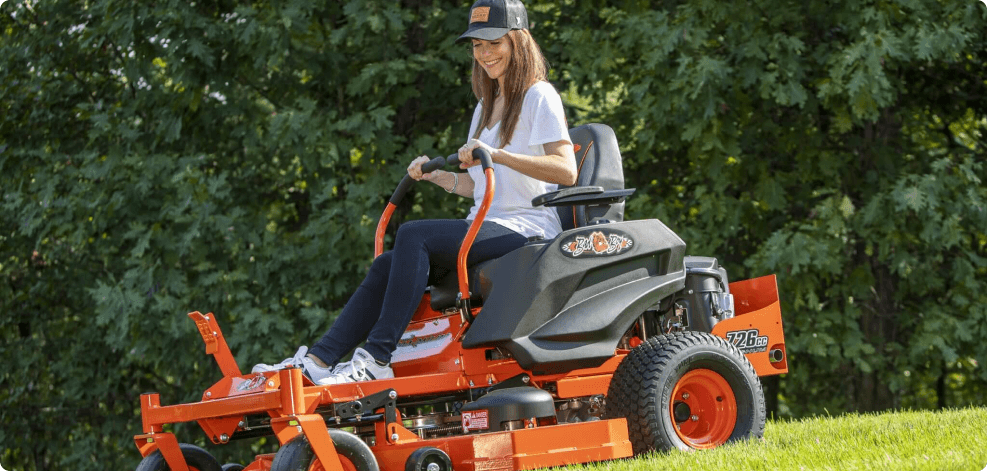
Comfort is a big part of How To Choose A Zero Turn Mower because fatigue kills productivity. Sit in the seat; you want high back support, armrests, and either elastomer or mechanical suspension. Check that the control levers adjust to your shoulders and that your knees clear the dash.
Comfort checklist I use during demos:
- Seat rides smooth over seams and roots without bottoming out.
- Deck lift is easy to use while seated.
- Vibration through the levers is low at full throttle.
- Visibility of the deck edges is clear when trimming.
If you mow 90 minutes or more at a time, a suspension seat is worth it. Your back will thank you.

Durability, Build Quality, and Warranty
When I explain How To Choose A Zero Turn Mower to new homeowners, I ask them to flip the seat and look under the hood. You want a welded steel frame, tidy wiring, and hoses routed away from heat. Decks in the 10–7 gauge range show serious build, and cast-iron spindles handle impacts better.
Signs of long-term value:
- Serviceable hydros with filters and easy drain points.
- Hour meter and clear maintenance schedule.
- Grease zerks on pivot points and casters.
- Paint and powder coat coverage in high-wear areas.
Read the fine print on warranties. Residential warranties can be long but exclude commercial use. Commercial warranties are shorter but tougher.
Safety Features You Should Not Skip
Safety belongs in every talk about How To Choose A Zero Turn Mower. Many brands offer ROPS on larger models, which can save your life in a tip. A seat switch, parking brake interlock, and reverse cut lockouts reduce accidents.
Slope safety tips I teach crews:
- Keep slopes dry and mow straight up and down when safe, not across.
- Go slow on hills and avoid sudden turns or brake slams.
- If the rear tires slip or the front lifts, stop and back down slowly.
Wear hearing and eye protection. Keep bystanders clear. University extension guides and industry standards echo these basics for a reason.
Attachments and All-Season Use
I’m often asked How To Choose A Zero Turn Mower that also handles chores. Many models accept baggers, mulching kits, and striping rollers. Check the hitch rating for carts, sprayers, and aerators, and confirm your transmission tier can tow without overheating.
Popular add-ons I like:
- Mulch kit for weekly cuts and leaf season.
- Powered bagger for spring seedheads and fall cleanup.
- Striping kit for ball fields and front yards.
Zero turns are not ideal for snow unless you use a broom on flat drives. For heavy snow or gravel, a tractor or walk-behind blower does better.

Budget, Value, and Total Cost of Ownership
Your wallet should guide How To Choose A Zero Turn Mower, but think beyond sticker price. Residential units can start near a few thousand dollars, prosumer models cost more, and true commercial rigs go much higher. Factor fuel, blades, belts, hydraulic service, and depreciation over 5–10 years.
Ways to save smart:
- Buy in the off-season when rebates stack with financing.
- Choose a smaller deck if gates or beds make a big deck slow.
- Keep blades sharp; dull blades burn fuel and stress belts.
A well-kept prosumer mower often holds value and sells fast when you upgrade.
Dealer Network, Support, and Parts Availability
I include dealer support in every talk on How To Choose A Zero Turn Mower. A good dealer keeps you cutting with fast parts and fair labor. Ask for their average turnaround in peak season and whether they offer loaners for pros.
What I ask dealers:
- Do you stock belts, blades, filters, spindles, and hydro fluid?
- Can I buy common parts online for pickup?
- Do you service what you sell within warranty and beyond?
Big-box stores are fine for many buyers, but a strong local dealer can be priceless when something breaks mid-season.
Test-Drive Checklist and Buying Timeline
Your hands will tell you How To Choose A Zero Turn Mower in five minutes. Drive at full throttle on grass. Make tight turns, then long passes. Engage the blades and listen for belt slap or chatter.
My demo checklist:
- Cut wet and dry spots if allowed to see clumping and dispersal.
- Check cut evenness at 2.5 and 3.5 inches.
- Park on a slope and test gentle turns to feel traction.
- Load on your trailer to confirm ramp angles and tie-down points.
Shop early spring for selection; shop late fall for deals. If the right unit is backordered, place a deposit before mowing season hits.
Maintenance Basics and Storage Tips
A simple plan makes How To Choose A Zero Turn Mower pay off for years. Change oil on time, keep filters clean, and use fresh fuel. Equal tire pressure matters for level cuts. Sharpen blades every 20–25 hours in thick growth.
My seasonal routine:
- Spring: change oil and filters, set blades, grease pivots, check belts.
- Mid-season: sharpen or swap blades, blow out the deck, check hydro fluid level on serviceable units.
- Fall: fuel stabilizer, final blade service, battery tender for winter, clean and dry the deck.
Avoid pressure washing bearings and spindle seals. A leaf blower and damp rag do most of the work without forcing water into parts.
Common Mistakes to Avoid (From My Shop Notes)
After years in the field, here’s how not to fumble How To Choose A Zero Turn Mower. Don’t oversize the deck for a yard full of trees and beds. Don’t run light-duty hydros on steep or long slopes. Don’t skip a suspension seat if you mow over roots or rough fill.
Other misses I see:
- Buying on horsepower alone instead of transmission class.
- Ignoring dealer support and waiting weeks for a belt.
- Mowing wet slopes fast, then sliding and tearing turf.
A little restraint up front saves money and turf later.
Real-World Picks by Property Type (Examples)
Use these example specs to steer How To Choose A Zero Turn Mower without locking into a single brand. For small, busy yards under 1 acre, a 42–46 inch fabricated deck with a 20–22 hp twin and residential hydros is nimble and affordable. Add a mulch kit for weekly tidy cuts.
For 1–3 acres with light slopes:
- 48–54 inch fabricated deck, cast-iron spindles.
- 22–24 hp EFI twin.
- Serviceable hydros in the ZT-2800 class, hitch, and a suspension seat.
For 3–7 acres or side work:
- 60 inch deck with deep shell and adjustable baffles.
- 24–31 hp EFI gas or commercial battery with 6+ kWh.
- Heavy-duty hydros, ROPS, large tires, and a powered bagger option.
Always test with your grass height and confirm gate clearance at home.
Frequently Asked Questions of How To Choose A Zero Turn Mower
Is a zero turn mower good on hills?
Zero turns can handle mild slopes when dry, but traction drops fast on wet turf. Many manuals suggest staying under 10–15 degrees and avoiding side-hilling.
How wide should my deck be for 1 acre?
A 42–48 inch deck is a good match for 1 acre with trees and beds. If the yard is open and flat, a 50–54 inch deck cuts faster.
Do I need a fabricated deck?
If you hit roots, mow rough edges, or run weekly, a fabricated deck lasts longer. Stamped decks can cut great on smooth, small lawns but dent easier.
What’s better: EFI or carbureted engines?
EFI starts easier, uses less fuel, and runs cleaner, especially in heat or elevation changes. Carb models can cost less up front but need more attention to stay tuned.
How often should I sharpen blades?
Every 20–25 cutting hours in thick grass is a solid rule. Sharp blades improve cut quality, reduce clumping, and lower fuel use.
Are battery zero turns worth it?
They shine for noise, maintenance, and storage indoors. Check total kWh and your acres; many cover 1–2 acres per charge, and extra batteries or fast chargers help.
What transmission should I choose?
Pick transmission class by slope and load, not just deck size. Serviceable or commercial hydros handle hills, towing, and long runs better.
Conclusion
The right zero turn fits your yard, not the other way around. Match deck size to space, pair power with the right transmission, and choose comfort and safety you’ll feel hour after hour. With a smart demo and a dealer you trust, you’ll cut faster, cleaner, and safer for years.
Ready to apply this guide? Walk your lawn, shortlist two models, and schedule a back-to-back test. Subscribe for more field-tested mower tips, or drop a comment with your yard size and slope, and I’ll help you fine-tune the pick.

I enjoy sharing simple gardening ideas, lawn care tips, and honest product reviews that help make outdoor work easier. From home gardening guides to helpful tools and lawn care advice, I write easy-to-follow content to help readers create a healthier and better-looking outdoor space without wasting time or money.