
As an Amazon Associate, I earn from qualifying purchases.
Most self-propel issues come from cable misadjustment, a worn belt, or dirty wheels.
If your Self Propelled Lawn Mower Not Working has you pushing a heavy brick, you are not alone. I have diagnosed and fixed dozens of these in garages and backyards. In this guide, I unpack how the drive works, the exact failure points, and simple fixes you can do today. You will learn clear steps, brand-specific tips, and when a repair is worth it. Stick with me to turn that Self Propelled Lawn Mower Not Working headache into a smooth, pulling machine again.
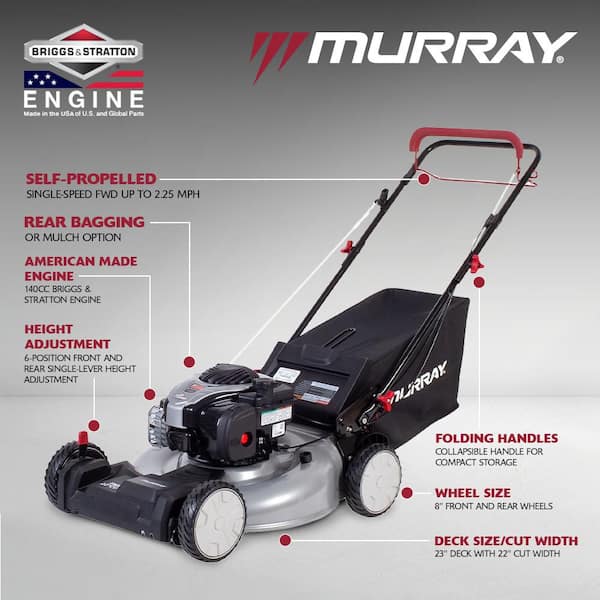
Signs and quick checks when Self Propelled Lawn Mower Not Working
Start with fast, no-tool checks. These catch most problems in minutes.
- Squeeze the drive handle. Does the cable move the arm on the transmission? If not, the cable is loose, frayed, or stuck.
- Look under the deck. Is the drive belt on the pulleys and not cracked or glazed?
- Spin the drive wheels by hand. They should freewheel backward and lock or resist forward. If they slip forward, the internal gears or tread may be worn.
- Check wheel height and wet grass. Too low or wet can kill traction fast.
- Clear caked grass around the belt, pulleys, and wheels. Packed debris blocks motion.
If the engine runs but the Self Propelled Lawn Mower Not Working drive does nothing, focus on the cable, belt, wheels, or transmission. If the mower slows only in thick grass, suspect a stretched belt, low engine speed, or worn wheel gears.

How the self-propel drive works
Most walk-behind mowers use a belt from the engine crankshaft to a transmission. A control cable pulls a lever that tensions the belt or engages gears. The transmission turns a shaft with small gears in the wheels. Front-wheel drive pulls best on flat lawns. Rear-wheel drive grips better on slopes and heavy grass.
Battery mowers add an electronic speed control. Some gas models use variable systems like Toro Personal Pace or Honda Smart Drive. Knowing this layout makes each fix simple and safe.
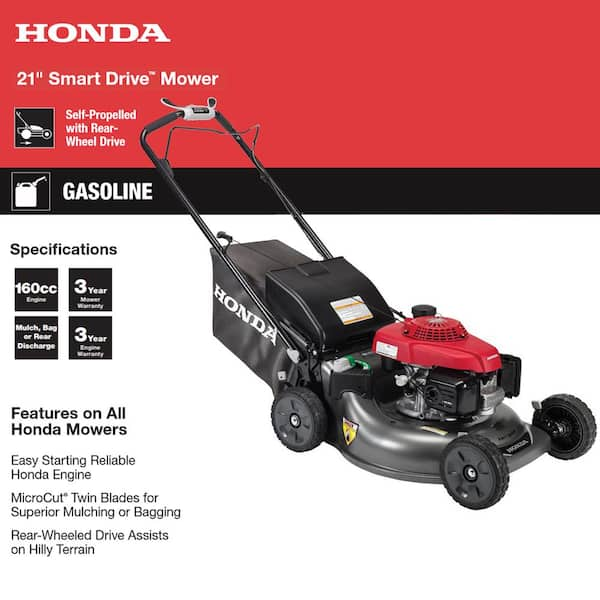
Top causes of a Self Propelled Lawn Mower Not Working
These are the usual suspects I see in the shop and in the field.
- Loose or misadjusted drive cable. The lever does not fully engage the transmission.
- Worn or broken drive belt. It slips, squeals, or jumps off.
- Packed grass around pulleys and wheels. Friction is lost or parts cannot turn.
- Worn wheel gears or pawls. The wheels spin but do not pull under load.
- Faulty transmission. Output shaft turns weakly or not at all.
- Idler pulley seized or spring missing. Belt will not tension.
- Tire tread bald or wrong wheel height. No grip on grass, especially when wet.
- For battery mowers: thermal or overload limit. Self-propel cuts out under heavy load.
If you face a Self Propelled Lawn Mower Not Working on slopes, also check deck height and blade sharpness. A dull blade and low deck force the drive to fight the grass.

Step-by-step fixes you can do at home
Always pull the spark plug boot on gas models. Remove the battery key on cordless units. Wear gloves and eye protection.
Adjust or replace the drive cable
- Watch the cable at the transmission while squeezing the handle. If the arm barely moves, turn the adjuster barrel to shorten the sheath.
- Target a tiny bit of slack with the handle released, and full lever travel when squeezed.
- If the cable housing is cracked or the inner wire is frayed, replace it. Route the new cable exactly like the old one and secure every clip.
Replace or re-seat a drive belt
- Tip the mower with carburetor up on gas models to avoid flooding. On cordless, remove the battery.
- Remove the blade cover or belt guard. Note the belt path with a photo.
- Inspect the belt. If glazed, cracked, or stretched, replace it. Clean pulleys with a dry rag. Do not use belt dressing.
- Reinstall the belt, ensure it sits in the pulley grooves, and verify the idler spring adds tension.
Clean and service wheels
- Pop off wheel covers if present. Clear grass from gears and ratchets.
- Check the plastic gear teeth inside the wheel. If sharp, thin, or missing, replace wheels as a pair on the drive side.
- Lightly lube metal pivot points only. Keep grease off belts, tires, and gears.
Check the transmission and idler assembly
- With belt off, spin the transmission input pulley by hand. The axle should turn smoothly.
- If it binds, grinds, or has side play, the transmission may be bad. Many consumer units are sealed and replaced as a whole.
- Inspect the idler pulley for wobble. Replace if noisy or seized. Confirm the idler spring is intact and hooked in the right holes.
Restore traction and deck height
- Set the cutting height one notch higher in thick or wet grass.
- Sharpen the blade. A sharp blade reduces load and helps the drive keep speed.
- If front-wheel drive lifts on bumps, add a small front weight or keep the bag less full so the nose stays down.
Check engine or motor speed
- Gas: A gummed carb or old fuel lowers RPM. Replace fuel, clean the air filter, and confirm the governor spring is in place.
- Battery: Use full-charge packs. Let the unit cool if self-propel cuts out. Many systems limit output when hot.
When your Self Propelled Lawn Mower Not Working problem remains after these, test on a flat drive with dry grass to rule out traction alone.
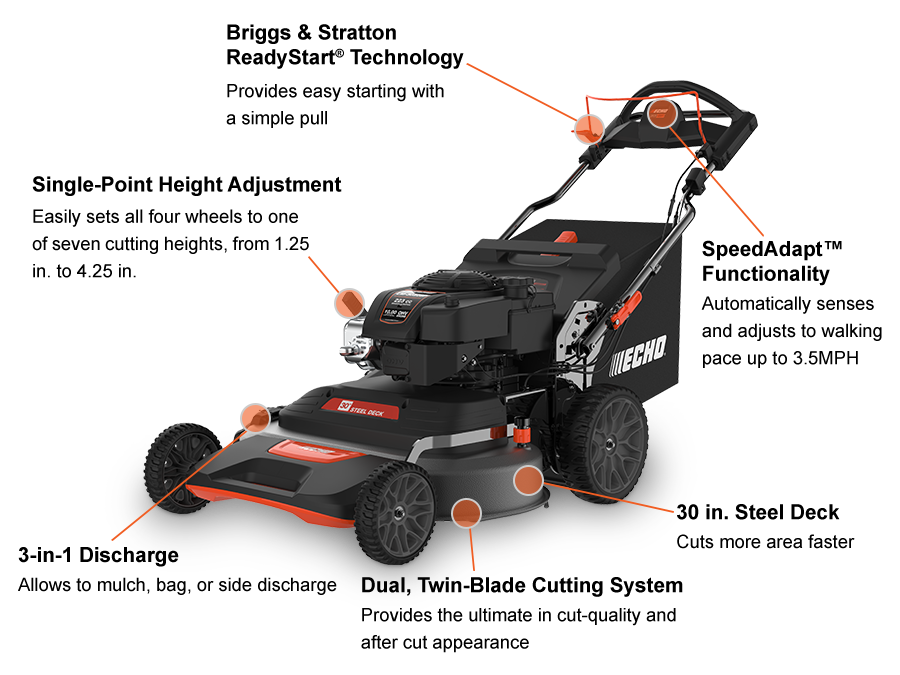
Brand and model-specific tips
These quick notes save time because designs differ.
- Honda Smart Drive and Select Drive. Cable tension is sensitive. Make fine clicks on the dial. Many models use a small belt cover near the blade hub that packs with grass.
- Toro Personal Pace. The handle pushes a traction bar. Adjust the traction cable at the handle pivot. Toro uses wheel pinions that wear; replace wheels if you hear clicking under load.
- Craftsman, Husqvarna, Troy-Bilt, MTD. Common front-drive units. The idler spring often pops off. Verify correct spring hole. Belts are inexpensive and easy to route.
- EGO, Greenworks, Ryobi cordless. Overload protection is common. Keep the deck clean and blade sharp. If self-propel surges, update firmware if your model allows it and check the speed knob.
- All-wheel-drive models. Two belts or a split transmission may be present. Match belt part numbers exactly. Mixed belts cause front-rear speed mismatch and slip.
Keep the manual handy for belt routing. If your Self Propelled Lawn Mower Not Working after brand-specific tweaks, assume a worn belt or wheel gear first.

Gas vs battery self-propel troubleshooting
Gas mowers
- Likely issues. Stretched belt, cable misadjust, idler spring off, wheel gears.
- Engine health matters. Low idle equals weak drive. Fresh fuel and a clean filter help.
Battery mowers
- Likely issues. Thermal cutback, speed knob faults, control board logic, and belt wear on hybrid belt-drive models.
- Battery health matters. Cold packs and low state of charge reduce torque. Warm cold batteries indoors and charge fully.
Different power, same basics. Cable, belt, wheels, and debris still explain most Self Propelled Lawn Mower Not Working cases in both groups.
Preventive care, adjustments, and storage
Simple habits keep the drive alive all season.
- After each mow. Flip the front or rear slightly and brush out clumps around wheels and the belt cover.
- Every 10 hours. Check cable slack, belt wear, and wheel gears. Adjust before they slip.
- Mid-season. Sharpen blade, replace air filter on gas units, and wash the deck underside.
- Storage. Hang or park dry. Do not leave the belt soaked. For gas, stabilize fuel. For battery, store packs at 40–60% charge in a cool room.
Do these, and the odds of a Self Propelled Lawn Mower Not Working next spring drop a lot.

Cost, time, and when to call a pro
Typical DIY time and parts
- Drive cable. 20–40 minutes. Low cost.
- Drive belt. 20–60 minutes. Low to medium cost.
- Drive wheels. 10–20 minutes. Low to medium cost.
- Transmission. 45–120 minutes. Medium to higher cost depending on brand.
Get help if
- The transmission grinds, leaks grease, or has play at the shaft.
- Belt or pulley alignment looks off or a bracket is bent.
- Your mower is under warranty. Let the service center handle it.
If repair costs approach half the mower’s price, consider replacement. That is my rule of thumb when a Self Propelled Lawn Mower Not Working needs a transmission and wheels at the same time.

Real-world lessons from the field
I once chased a “dead” drive on a rear-wheel model. The belt and cable looked fine. The fix was a tiny idler spring that had jumped one hole during a stick strike. Two minutes, full pull restored.
Another time, a Self Propelled Lawn Mower Not Working turned out to be slick tires after a summer on hot pavement. New wheels and a higher deck setting solved what looked like a transmission failure.
My last tip. Take a photo before you remove anything. Belts and springs love to hide, and that photo saves guesswork during reassembly.
Frequently Asked Questions of Self Propelled Lawn Mower Not Working
Why does my mower self-propel work for a minute, then stop?
Heat and load can trip protection or expose a stretched belt. Clean the deck, raise the height, and check belt tension after cooling.
How tight should the drive cable be?
There should be slight slack with the handle released and full engagement when squeezed. If the mower creeps without touching the handle, the cable is too tight.
Can I use belt dressing on a mower drive belt?
No. Belt dressing attracts dirt and causes slip later. Use the correct belt and clean pulleys instead.
Do I need to replace both drive wheels at once?
Yes, on the driven axle. Matched wear keeps tracking straight and avoids uneven pull.
What if the self-propel works only on dry pavement?
You have a traction problem. Raise the deck, replace bald wheels, and avoid mowing very wet grass.
Is it safe to tip my gas mower to check the belt?
Yes, but tip with the carburetor and air filter up. Pull the spark plug boot first to prevent accidental start.
How do I know if my transmission is bad?
If the input pulley spins but the axle does not move under load, it is likely worn. Grinding noises or wobble also point to a bad unit.
Conclusion
Most self-propel failures come down to four things: cable adjustment, belt wear, dirty parts, or worn wheels. With a few simple checks and a methodical approach, you can bring back smooth pull in under an hour. Start with the easy wins, test on dry ground, and upgrade parts only as needed.
Ready to fix yours today? Follow the steps, keep notes, and share your results or questions in the comments. If this helped, subscribe for more quick, practical mower fixes and seasonal care tips.

I enjoy sharing simple gardening ideas, lawn care tips, and honest product reviews that help make outdoor work easier. From home gardening guides to helpful tools and lawn care advice, I write easy-to-follow content to help readers create a healthier and better-looking outdoor space without wasting time or money.