
As an Amazon Associate, I earn from qualifying purchases.
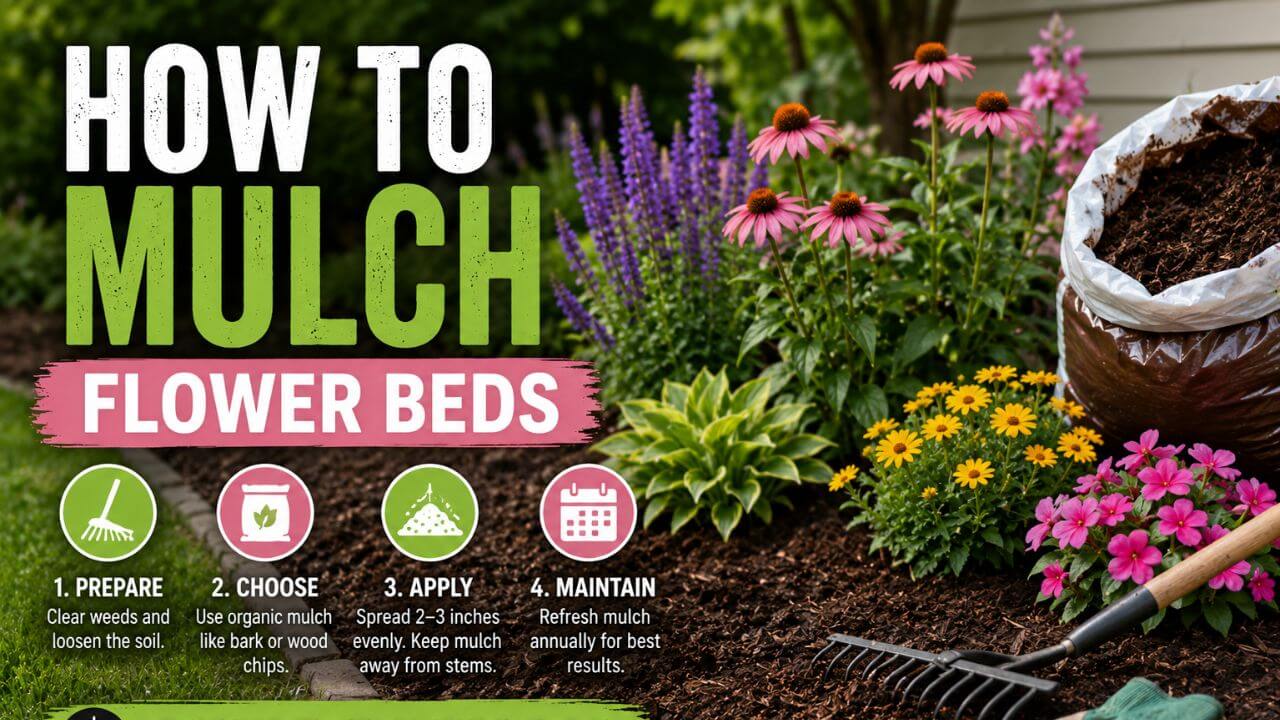
Spread 2–3 inches of mulch, keep stems clear, and water.
You want clean beds, fewer weeds, and steady blooms. I have mulched hundreds of beds in home yards and public spaces. In this guide on How To Mulch Flower Beds, I share simple steps, pro tips, and real fixes. You will learn what to use, how much to buy, and when to refresh for the best results.
Why Mulch Matters in Flower Beds
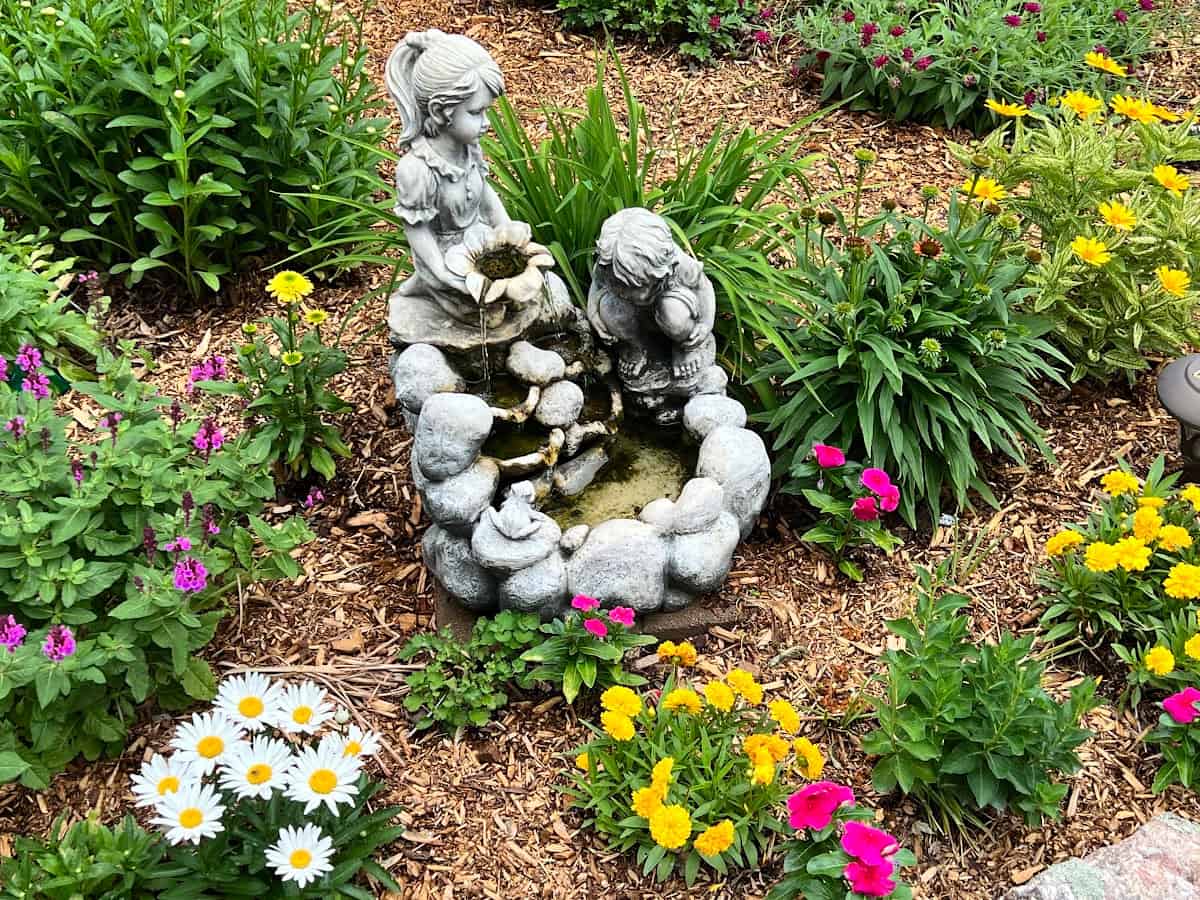
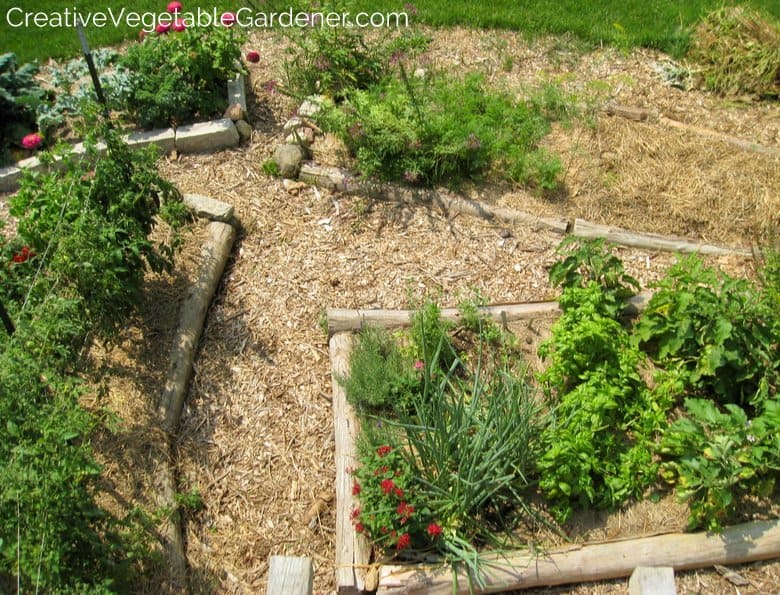
Mulch is a blanket for soil. It keeps roots cool and moist. It blocks light so weeds stay down. It also makes beds look neat and bold.
When you learn How To Mulch Flower Beds the right way, you protect plants and save time. The right depth and the right product change the whole season.
Key benefits you can expect:
- Better moisture control so you water less
- Fewer weeds and easier hand weeding
- Stable soil temps in heat and cold swings
- Less erosion after storms
- Clean paths and fewer mud splashes on blooms
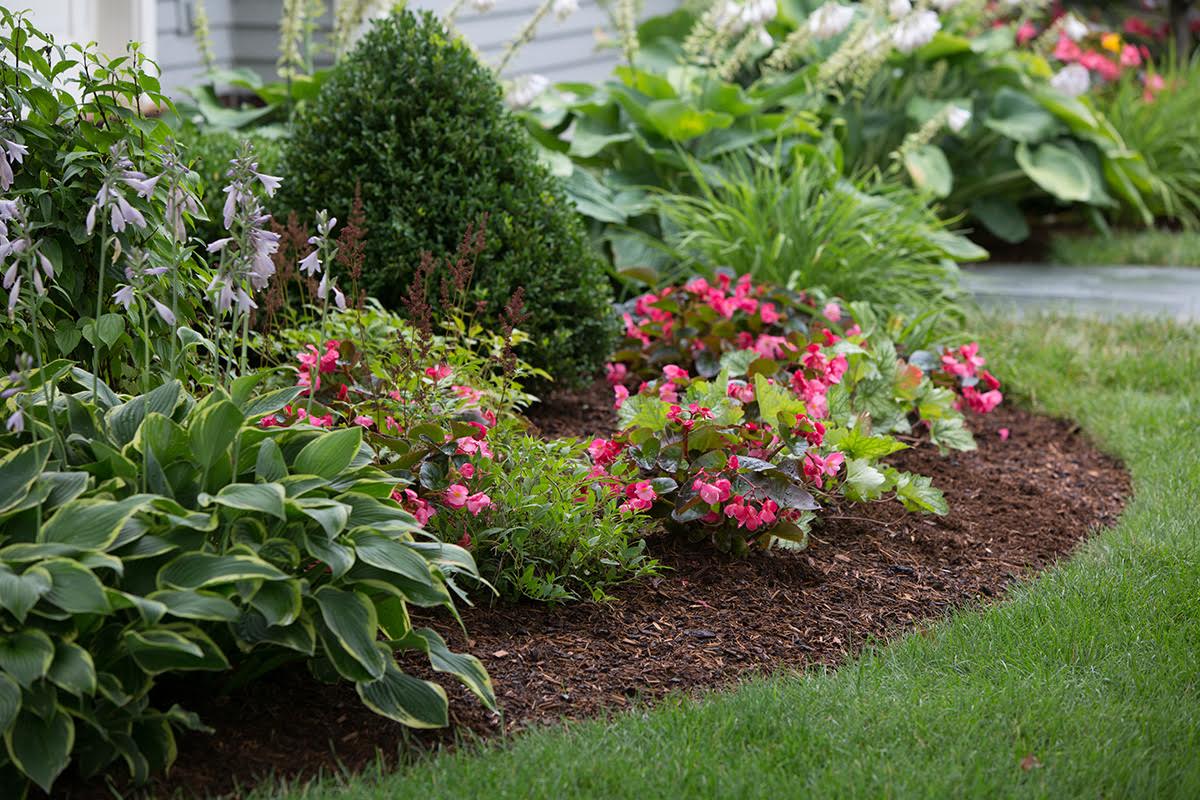
- A fresh, finished look that lifts curb appeal
Tools and Materials You Need
Gather what you need before you start. This speeds up the job and keeps it safe.
- Gloves to protect hands
- Rake for even spread
- Shovel for scoops
- Wheelbarrow for moving mulch
- Hand trowel for tight spots
- Edger or spade for a clean border
- Pre-emergent weed control, if you use it
- Compost for a thin base layer
- Chosen mulch, bagged or bulk
- Hose or watering can
Step-by-Step: How To Mulch Flower Beds
Follow these steps each time you plan How To Mulch Flower Beds. Simple steps lead to steady gains.
-
Clear the area
Remove sticks, old mulch clumps, and big weeds. Pull roots so they do not grow back. -
Edge the beds
Cut a crisp trench along the border. Two to three inches deep looks sharp and holds mulch. -
Water the soil
Lightly moisten dry soil. Damp soil helps mulch lock in place and settle well. -
Feed the soil
Add a thin layer of compost, about half an inch. This boosts life in the root zone. -
Apply pre-emergent, if used
Spread it as the label says. It helps stop new weed seeds from sprouting. -
Place mulch in small piles
Drop small loads around plants. Work in sections so you keep a steady depth. -
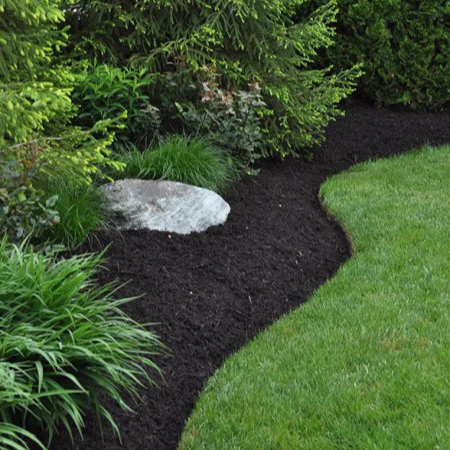
Spread to 2–3 inches
Use a rake to even it out. Too thin fails, too thick can smother roots. -
Keep mulch off stems and trunks
Leave a donut gap of 2–4 inches around each stem. This stops rot and pests. -
Water to settle
Gently hose the bed. This knocks down dust and sets fibers in place. -
Clean up the edges
Rake stray bits off the lawn and paths. Your beds now look tidy and strong.
Pro tips from the field:
- For new perennials, use 2 inches the first year. Add more next spring.
- For hot, windy sites, go closer to 3 inches. This helps hold moisture longer.
- For clay soil, stay near 2 inches. Thick layers can hold too much water.
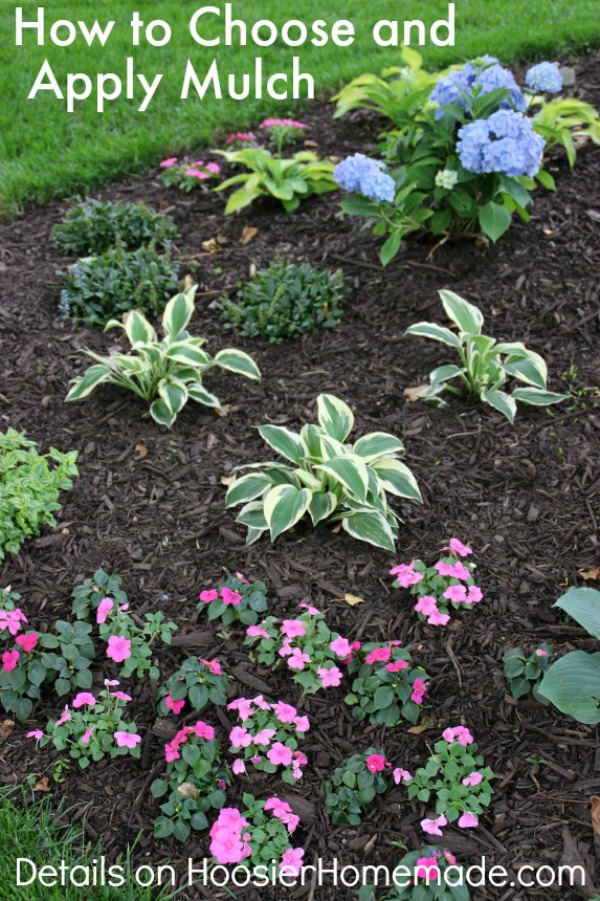
Choosing the Best Mulch for Your Beds
The best mulch matches your plants, your soil, and your style. When you plan How To Mulch Flower Beds, look at how fast a product breaks down, how it holds water, and how it looks.
Organic mulch options
– Shredded hardwood: Stays in place and looks clean. Good for slopes.
- Pine bark or nuggets: Slow to break down. Great around shrubs and trees.
- Pine straw: Light, airy, and easy to spread. Works well in mild zones.
- Leaf mold or shredded leaves: Free in fall and rich in nutrients. Great for shade beds.
- Compost blend: Feeds soil fast. Top with a thin layer of bark to lock it in.
Inorganic mulch options
- Stone or gravel: Lasts for years and warms soil. Best for sun plants that like heat.
- Rubber mulch: Long lasting. Use with care in flower beds since it does not feed soil.
- Landscape fabric under stone: Helps block weeds. Avoid under organic mulch since it can trap roots.
Match mulch to plants and site
- Roses and daylilies like shredded bark for cool roots.
- Herbs and lavender do well with gravel in hot sun.
- Woodland perennials thrive under leaf mold in shade.
- For heavy rain zones, choose shredded bark that knits and stays put.
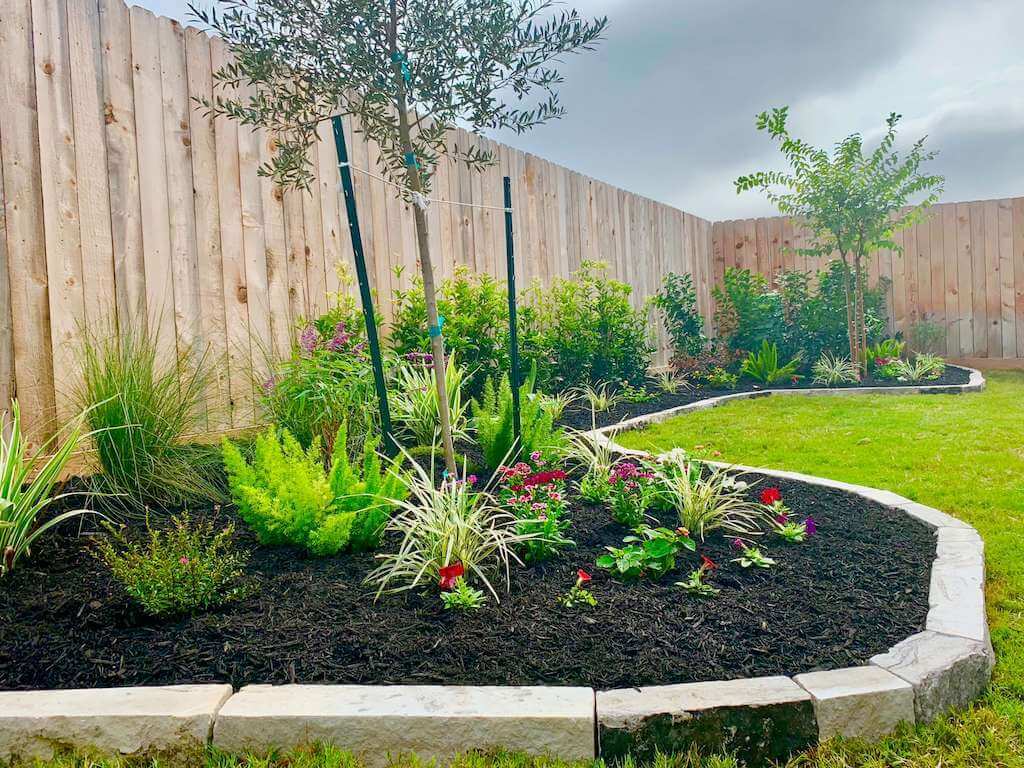
How Much Mulch to Buy and How to Calculate
When you figure out How To Mulch Flower Beds, you need the right volume. Run a quick check with a tape and a note pad.
- Measure length and width in feet. Multiply for square feet.
- Pick depth. Most beds need 2–3 inches.
- Quick yard math: Square feet × depth in inches ÷ 324 = cubic yards.
Examples:
- A 100 sq ft bed at 2 inches needs about 0.6 yards.
- A 300 sq ft bed at 3 inches needs about 2.8 yards.
Bag check:
- A 2 cubic foot bag covers about 12 sq ft at 2 inches.
- Divide your total square feet by 12 for bags at 2 inches.
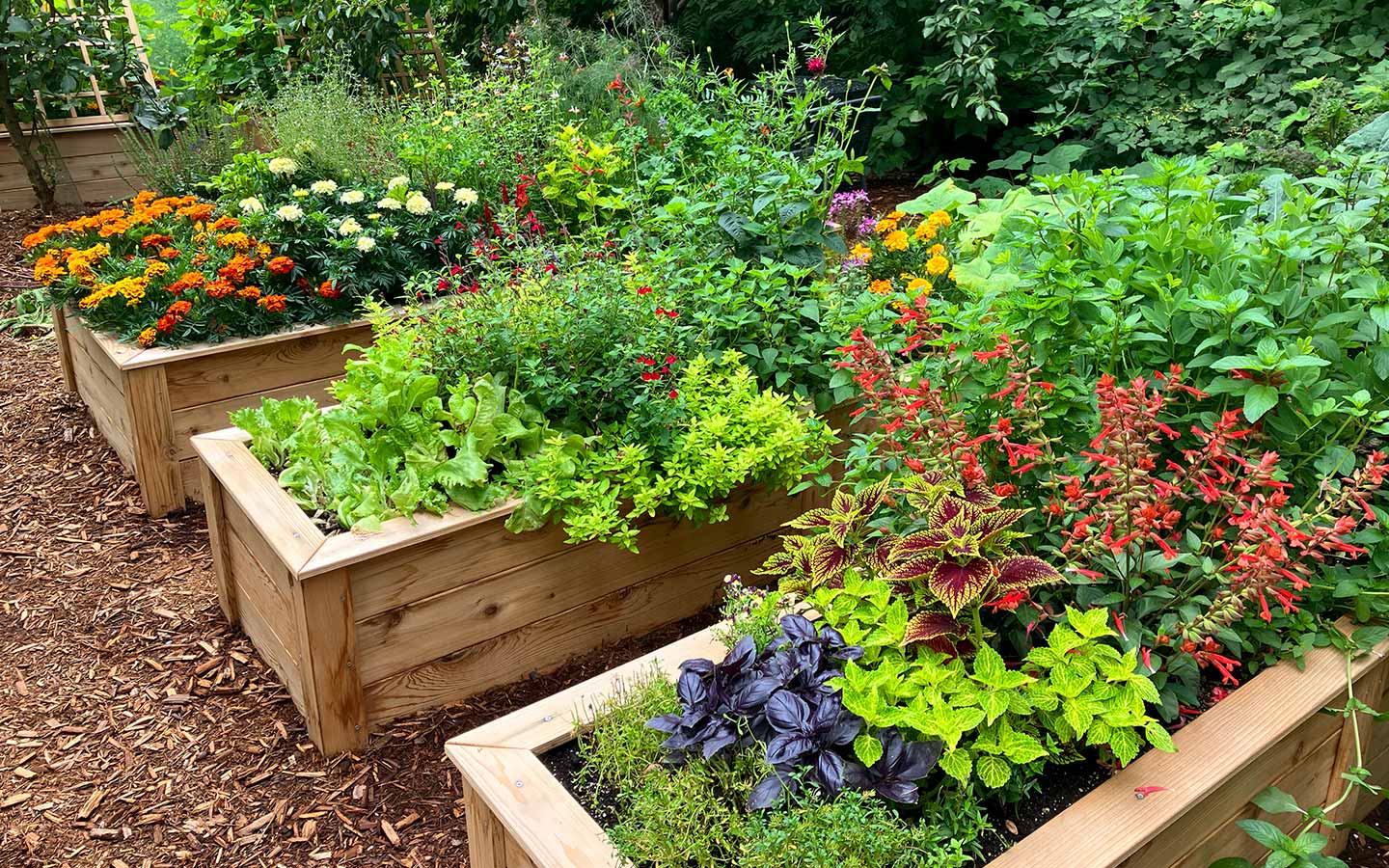
Timing and Seasonal Tips
Good timing makes mulch work harder for you. Plan How To Mulch Flower Beds around soil temp and plant growth.
- Spring: Mulch after soil warms. This helps roots wake up and grow.
- Summer: Top up thin spots before a heat wave. Keep stems clear.
- Fall: Freshen beds after cleanup. Use 2 inches to buffer winter swings.
- After storms: Rake washouts back in place. Patch low spots to hold grade.
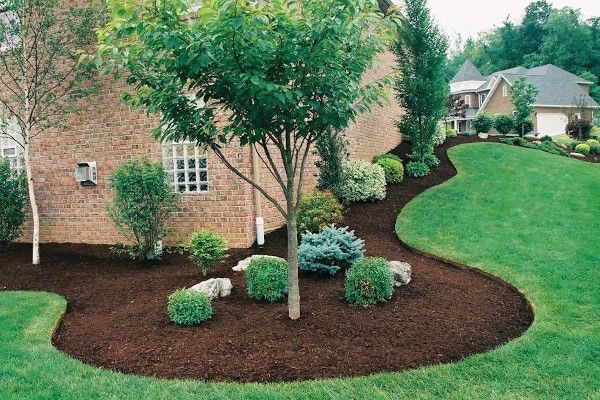
Common Mistakes and How To Fix Them
Even a simple task can go wrong. Here is how to avoid pain when you plan How To Mulch Flower Beds.
-
Piling mulch on stems
This traps moisture and invites rot. Keep a clear ring. -
Mulch too thick
More than 3 inches can starve roots of air. Rake off extras. -
Skipping weed prep
Big weeds grow through a new layer. Clear beds well first. -
Fabric under bark
Roots can mat on top and dry out. Use fabric only under stone. -
Fresh wood chips on annual beds
They can tie up nitrogen at the surface. Add compost first or use aged mulch. -
Colored mulch near tender plants
Some dyes fade or heat up fast in sun. Choose natural bark for safe beds.

Maintenance: Keeping Mulch Fresh All Season
A small check once a month keeps beds at their best. It also makes next year easy.
- Fluff the top with a rake to break crust.
- Patch thin spots with a half-inch top-up.
- Re-edge the border if mulch drifts.
- Hand pull young weeds while roots are soft.
- Watch for slugs in damp shade beds and adjust depth.
- Keep mulch a few inches from wood siding to avoid pests.
These tiny habits support How To Mulch Flower Beds with less work and more bloom.
Eco, Budget, and Safety Notes
Smart choices help your yard and your wallet. They keep pets and people safe too.
- Use local mulch. It cuts transport cost and supports soil life in your zone.
- Free arborist chips are great under shrubs. Age them a few months for nicer look.
- Cocoa mulch can harm dogs if eaten. Avoid it in pet yards.
- Stone lasts but can heat up beds. Pair with heat loving plants.
- Wear gloves and dust mask if you are sensitive. Wet mulch to cut dust.
- Keep bulk piles off the lawn tarp. This stops dead spots in grass.
Good habits like these back up your plan for How To Mulch Flower Beds in a safe, sound way.
Frequently Asked Questions of How To Mulch Flower Beds
How often should I replace mulch in flower beds?
Top up once a year to keep a 2–3 inch layer. In windy or wet zones, add a light patch midseason.
Can I mulch over weeds?
Pull or cut weeds first and remove roots. Then mulch and use a pre-emergent to block new seeds.
Is it okay to put mulch against the house?
Keep a gap of at least 6 inches from wood or siding. This lowers pest risk and lets walls dry.
What is the best mulch depth for perennials?
Aim for 2 inches around perennials. Use 3 inches only in hot, dry sites.
Should I put landscape fabric under organic mulch?
Skip fabric under bark or leaves. It blocks soil life and roots can mat on top.
Will mulch attract bugs?
Mulch hosts soil life, which is good. Keep it off wood and stems to limit pest issues.
Can I use grass clippings as mulch?
Yes, in thin layers that dry fast. Mix with leaves or bark to prevent matting.
Conclusion
Mulch is simple, but details matter. Use 2–3 inches, keep stems clear, and tune the product to your plants and soil. When you follow these steps for How To Mulch Flower Beds, you get cleaner beds, fewer weeds, and steady blooms.
Start with one bed this week. Try a tidy edge, a compost skim, and a fresh layer of bark. Share your wins, ask a question, or subscribe for more hands-on garden guides.

I enjoy sharing simple gardening ideas, lawn care tips, and honest product reviews that help make outdoor work easier. From home gardening guides to helpful tools and lawn care advice, I write easy-to-follow content to help readers create a healthier and better-looking outdoor space without wasting time or money.