
As an Amazon Associate, I earn from qualifying purchases.
Boxwood brings year-round structure, lush texture, and easy elegance to any yard.
If you want a landscape that looks sharp in all seasons, boxwood is a smart pick. In this guide, I share Boxwood Landscaping Ideas that I have tested, refined, and used on real projects. You will learn design tips, plant choices, care steps, and creative layouts that work in small yards, large estates, and everything between. Let’s build a landscape that looks great, feels timeless, and is simple to keep.
Why boxwood works in modern yards
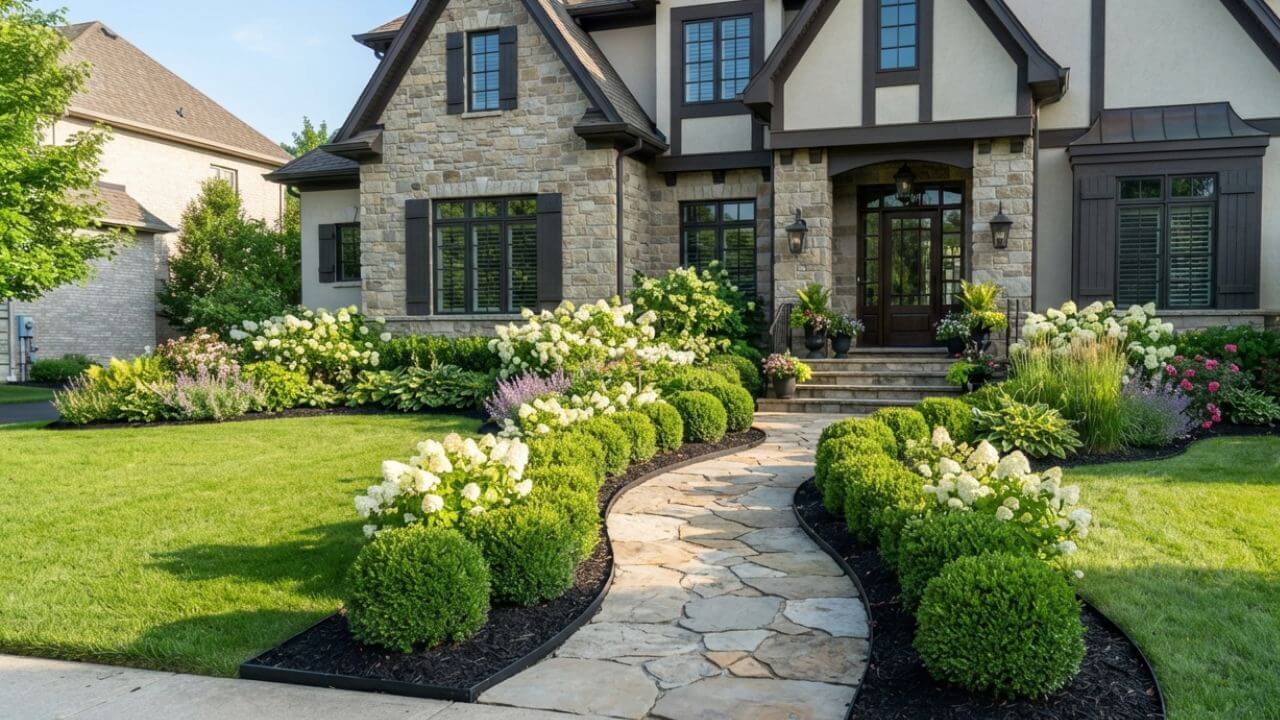
Boxwood is evergreen, dense, and easy to shape. It gives strong lines and soft texture at the same time. It acts like the frame for your garden art.
Key benefits:
- Year-round color and structure that anchor beds and borders
- Takes pruning well for clean edges, curves, and topiary
- Fits many styles, from classic to modern minimal
- Adapts to sun or part shade with well-drained soil
From a design view, boxwood is your “constant.” Flowers and grasses change. Boxwood holds the scene together. That is why many Boxwood Landscaping Ideas start with a simple hedge or set of matching spheres.
:strip_icc()/geometric-boxwood-hedges-8ge2skweq_-8VZeBXxLKbC-fc0219dc90024d3e9e5e1389f9e2f57d.jpg)
Source: bhg.com
Design principles for Boxwood Landscaping Ideas
Strong design makes a small plant choice feel big. Use these simple rules:
- Repetition builds rhythm. Repeat shapes or sizes down a walk or along a bed.
- Contrast adds spark. Pair crisp boxwood with loose plants like catmint or salvia.
- Scale guides the eye. Large spheres near entries. Small edging near paths.
- Negative space matters. Gravel or mulch “breathes” around the green forms.
- Balance sun and shade. Most boxwood like morning sun and afternoon shade.
Pro tip from the field: mock up shapes with buckets or nursery pots first. Walk the space. Adjust spacing until the path feels natural. This step saves time and reduces replanting later.
Now that you know the basics of designing with boxwood, it’s time for inspiration. The 25 boxwood landscaping ideas below can help you create everything from a classic front yard to a modern backyard that’s easy to maintain.

Source: gardenia.net
25 Boxwood Landscaping Ideas
1. Boxwood Front Walkway Border
Line your front walkway with low boxwood hedges to create a clean and welcoming entrance. The neat green border naturally guides visitors to your front door while adding year-round color. Pair the hedge with mulch, stone edging, or seasonal flowers for an elegant finish.
2. Formal Front Entrance
Place matching boxwood shrubs on both sides of your front steps or doorway for a balanced look. Symmetrical planting instantly makes your home appear more polished and creates excellent curb appeal without needing many plants.
3. Curved Garden Bed Border
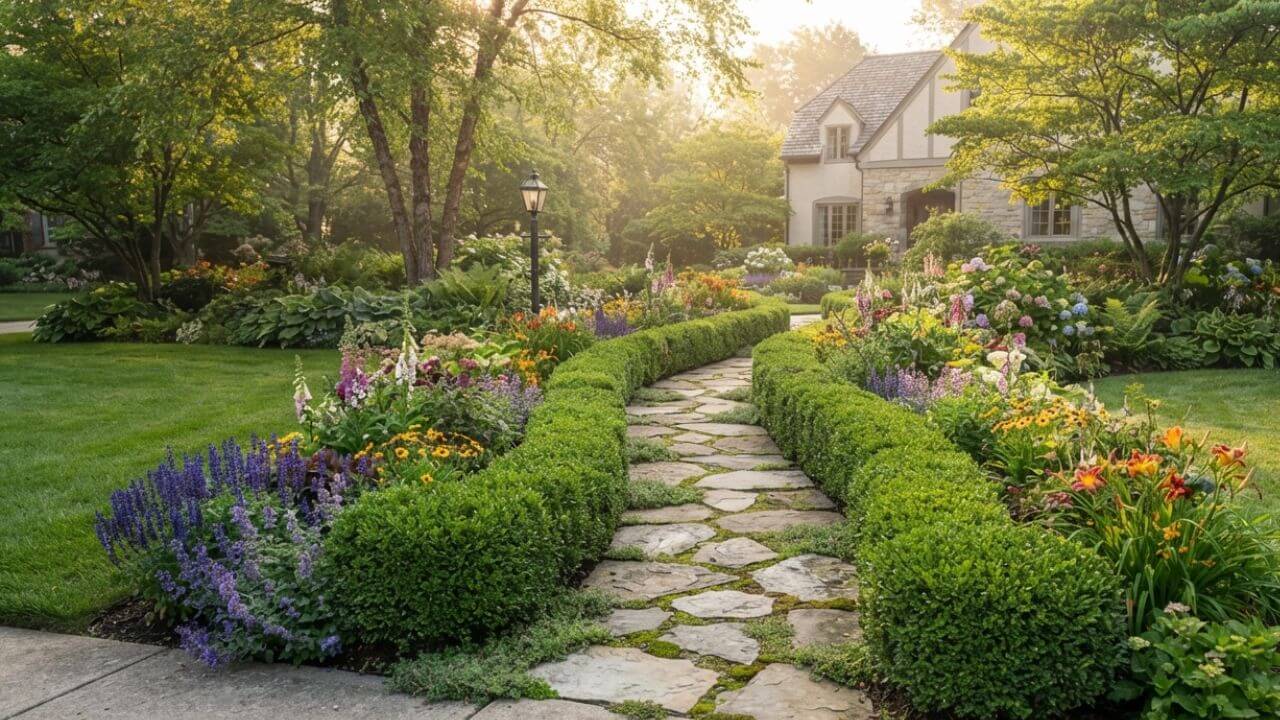
Instead of straight lines, shape your boxwood border with gentle curves. Curved beds soften the landscape and make gardens feel larger and more natural. Add colorful perennials behind the hedge for contrast throughout the growing season.
4. Boxwood Foundation Planting
Plant medium-sized boxwoods along your home’s foundation to hide bare walls and create a finished appearance. Mix in flowering shrubs or ornamental grasses to add seasonal color while the evergreen boxwoods provide structure all year.
5. Boxwood Around the Mailbox
Upgrade a simple mailbox by surrounding it with small boxwoods and colorful flowers. This easy project adds charm to the front yard and creates an attractive focal point that looks great in every season.
6. Boxwood and Hydrangea Garden
Pair rounded boxwoods with blooming hydrangeas for a timeless landscape. The green boxwoods provide structure, while the large hydrangea flowers add color and texture. This combination works especially well in front yards.
7. Boxwood and Rose Garden
Use low boxwood hedges to frame rose beds. The evergreen border keeps the garden looking neat even when the roses aren’t blooming. It’s a classic combination that never goes out of style.
8. Modern Boxwood Landscape
Keep things simple with neatly trimmed boxwood spheres, black mulch, decorative gravel, and a few statement plants. This clean design works well with modern homes and requires very little maintenance.
9. Boxwood Patio Border
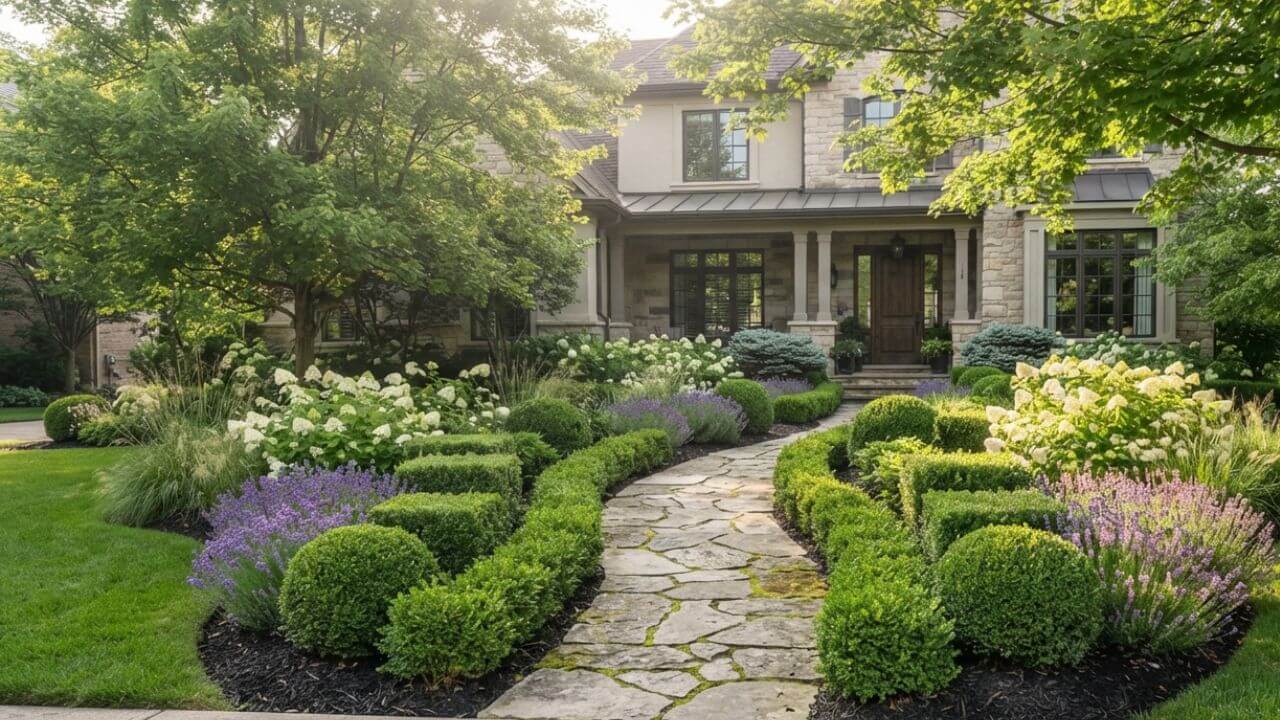
Create a soft border around your patio using compact boxwoods. The shrubs define the seating area without blocking the view and add greenery that stays attractive year-round.
10. Boxwood Rock Garden
Mix natural boulders, decorative gravel, and rounded boxwoods for a low-maintenance landscape. The contrast between stone and evergreen foliage creates a simple but eye-catching design.
11. Boxwood Around Trees
Plant small boxwoods around mature trees to define the space beneath the canopy. Finish with mulch and shade-loving plants for a clean, organized landscape that reduces mowing.
12. Boxwood with Ornamental Grasses
Combine boxwoods with fountain grass, blue fescue, or feather reed grass. The soft movement of the grasses contrasts beautifully with the neat, rounded shape of the shrubs.
13. Boxwood Privacy Garden
Use taller boxwood varieties to create a living privacy screen around patios or seating areas. Add flowering shrubs nearby to soften the look while keeping the space private.
14. Small Backyard Boxwood Design
Even a small yard can benefit from boxwoods. Place a few compact shrubs along pathways or corners to add structure without making the space feel crowded.
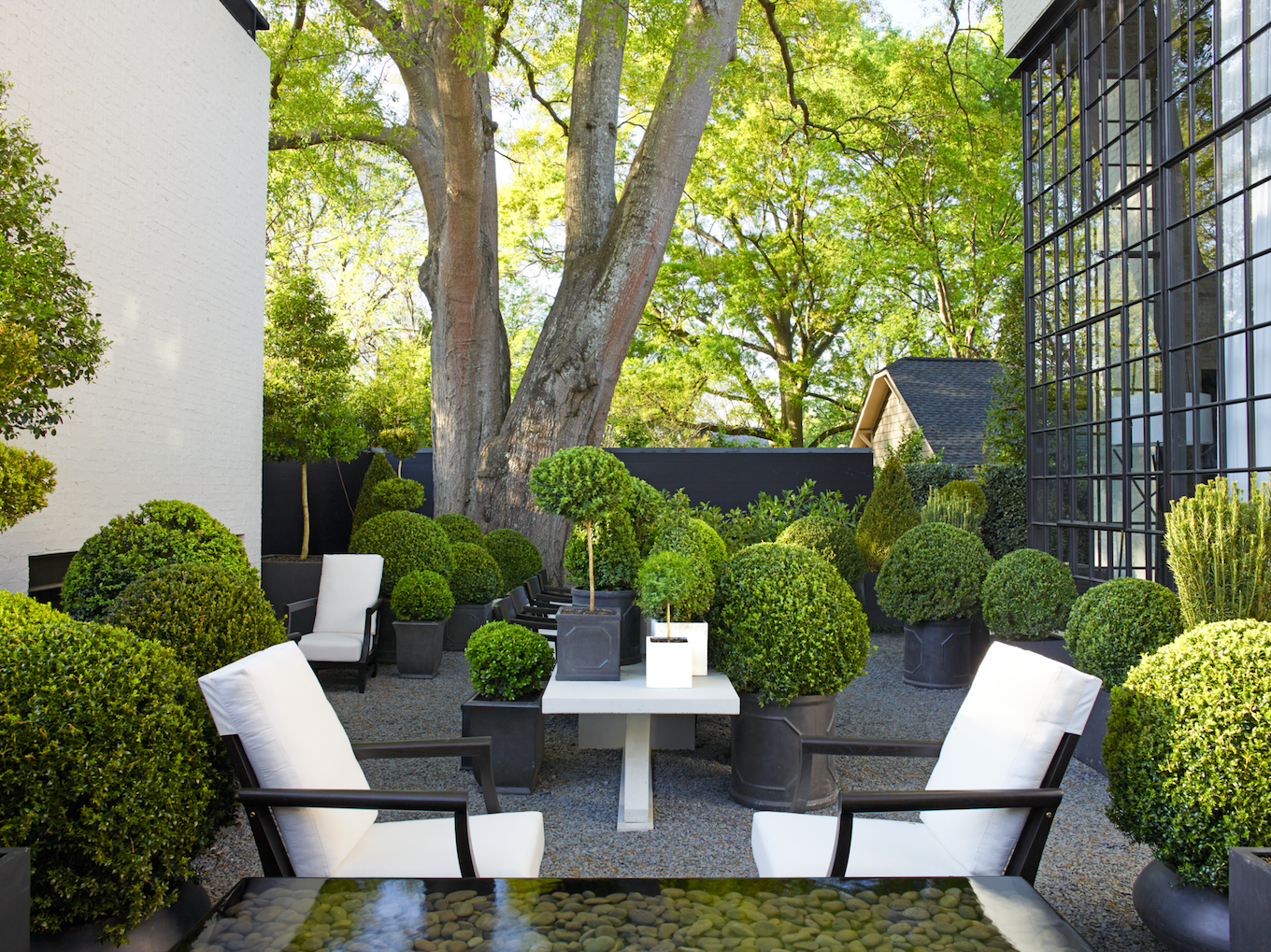
15. Boxwood Courtyard Garden
Frame a courtyard with matching boxwoods and decorative containers. A simple layout creates a peaceful outdoor room that feels elegant and inviting.
16. Boxwood Container Garden
Grow boxwoods in large decorative pots to decorate porches, patios, or balconies. Container-grown boxwoods are easy to maintain and can be moved whenever you want a new look.
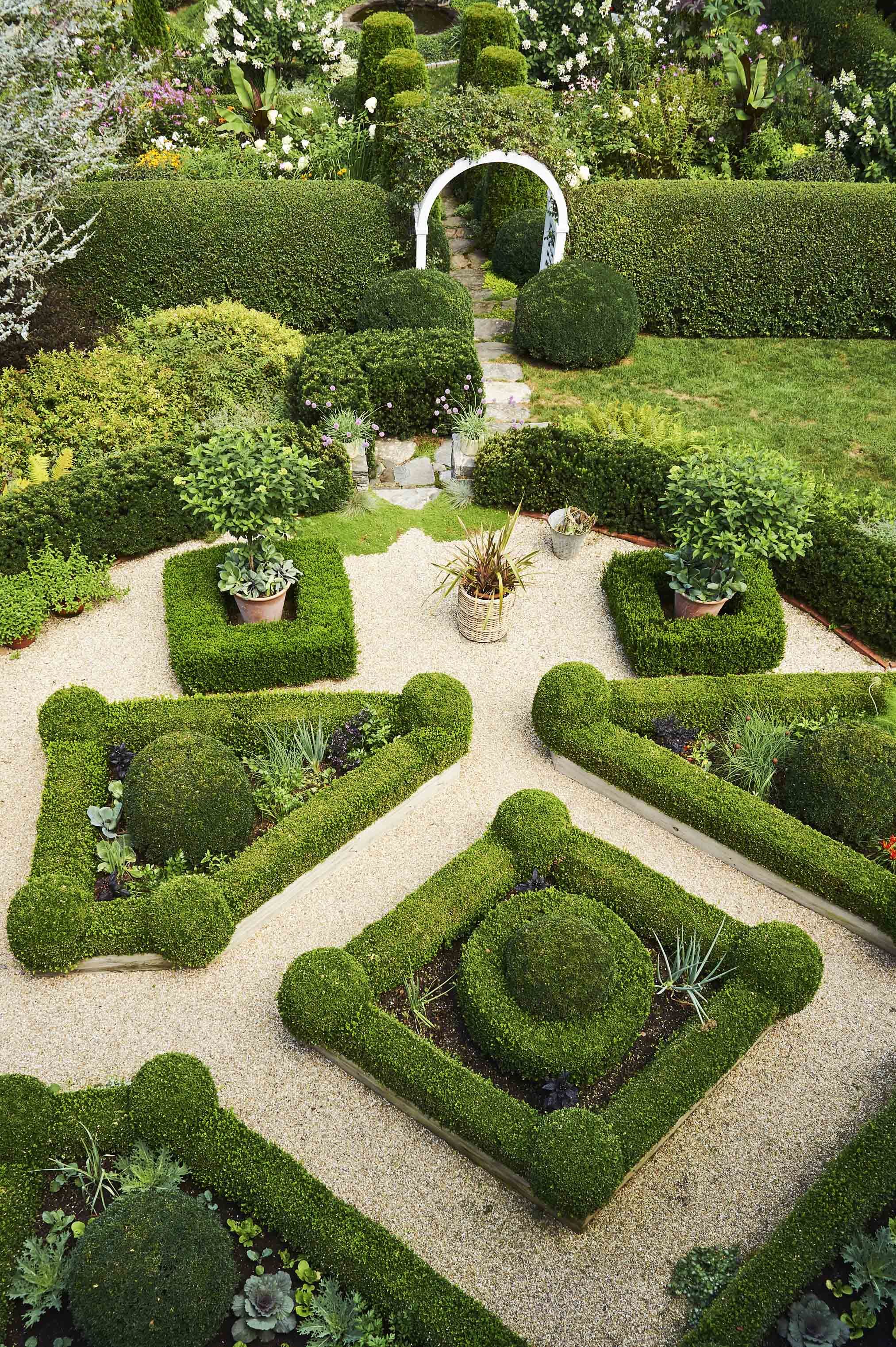
17. Boxwood Knot Garden
Create geometric patterns with low-growing boxwood hedges for a traditional knot garden. Fill the spaces with herbs, gravel, or colorful flowers to complete the design.
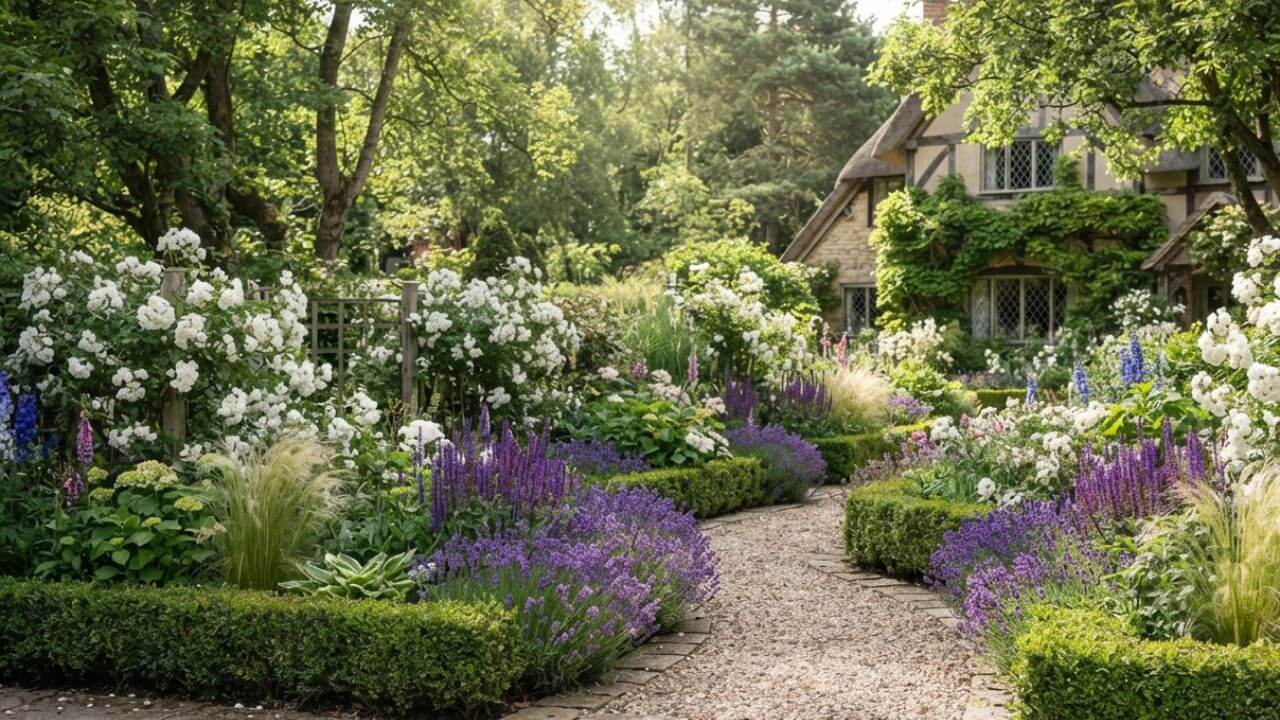
18. Boxwood and Stone Path
Line a natural stone walkway with neatly trimmed boxwoods for a classic garden entrance. The evergreen shrubs soften the hard edges of the stone while creating a welcoming path.
19. Boxwood Outdoor Seating Area
Use boxwoods to frame a bench or seating area. The shrubs create a cozy atmosphere without making the space feel closed in.
20. Boxwood Mixed Shrub Border
Combine boxwoods with hydrangeas, azaleas, and evergreen shrubs for a layered landscape. Different heights and textures create year-round interest.
21. Boxwood Driveway Border
Plant boxwoods along the edge of your driveway to create a neat, defined border. This simple upgrade instantly improves curb appeal and gives the landscape a more finished appearance.
22. Boxwood Water Feature Border
Frame a fountain or small pond with compact boxwoods. Their evergreen foliage keeps the water feature looking attractive in every season.
23. Boxwood Cottage Garden
Mix boxwoods with lavender, salvia, daisies, and other cottage-style flowers. The structured shrubs balance the relaxed look of the blooms for a charming landscape.
24. Boxwood Topiary Display
Trim boxwoods into balls, cones, or spirals to create unique focal points. Topiary adds elegance and works well in both formal and modern gardens.
25. Four-Season Boxwood Landscape
Build your landscape around evergreen boxwoods, then add spring bulbs, summer flowers, colorful fall perennials, and winter containers. This keeps your yard attractive throughout the entire year.
Source: veranda.com
Shade, small spaces, and slopes: smart uses
Every site has quirks. Boxwood helps solve them.
- Shade tolerant choices. Many boxwood tolerate part shade. Morning sun with afternoon shade is ideal.
- Tiny courtyards. Use a single sphere in a pot to anchor a bistro set.
- Narrow side yards. A slim hedge softens fences and guides movement.
- Slopes and terraces. Staggered boxwood bands hold lines and reduce visual clutter.
If your space is tight, choose dwarf or slow growers. Tight spaces need slow plants, or you prune too often.

Source: newbury-home.com
Companion plants that shine with boxwood
Good partners make boxwood pop.
- Perennials. Catmint, lavender, salvia, heuchera, and hellebore add color and texture.
- Grasses. Festuca, carex, and hakonechloa give motion and light catch.
- Bulbs. Tulips, alliums, and daffodils bring spring joy above stable green.
- Shrubs. Hydrangea, yew, azalea, and dwarf conifers mix form and bloom.
Aim for contrast. Soft with crisp. Fine leaves with bold forms. Many Boxwood Landscaping Ideas feel “finished” when you add one loose plant for every one tight shape.
Seasonal interest and styling tips
Boxwood holds the scene in every season.
- Spring. Underskirt with bulbs. Light tip-prune after bloom season for shape.
- Summer. Pair with blooms. Keep the soil moist but not wet.
- Fall. Add asters or mums near boxwood lines for warm color.
- Winter. Boxwood stays green. Add pots, lights, or birch stems for cheer.
I like to up-light a pair of boxwood cones by the door in winter. It is simple and warm, and it draws the eye.
Source: veranda.com
Planting, care, and maintenance basics
Boxwood are easy if you set them up right.
Soil and planting:
- Choose well-drained soil. Heavy clay needs compost and grit.
- Aim for soil pH near neutral, about 6.5 to 7.2.
- Plant at the same depth as in the pot. Do not bury the crown.
- Space for air flow to reduce disease.
Water and mulch:
- Water deeply after planting. Keep even moisture the first season.
- Use 2–3 inches of mulch. Keep mulch off the stems.
- Drip irrigation is best. Avoid daily light sprays.
Pruning and feeding:
- Light prune one to two times a year to keep shape.
- Major shaping is best in late spring or late summer.
- Feed lightly in spring if growth is weak.
With these steps, most Boxwood Landscaping Ideas stay tidy with little work.
Pests, diseases, and risks to know
Boxwood is tough, but there are real risks. Know them and plan.
- Boxwood blight. Fungal disease that causes leaf drop and black streaks on stems. Improve air flow, clean tools, and choose tolerant varieties. Remove and bag infected debris.
- Leaf miner. Causes blistered leaves. Prune out damage and use targeted controls if needed.
- Psyllid. Leaves cup at tips. Light prune in spring to remove affected tips.
- Winter burn. Dry winds can brown leaves. Water before freezes and mulch roots.
- Volutella blight and root rot. Avoid overhead watering and soggy soil.
Buy clean plants from careful growers. Many extension services publish updates on blight spread and resistant options. This helps you choose safe Boxwood Landscaping Ideas for your area.
Cost, sourcing, and sustainability
You can do high style on a fair budget.
- Costs. Small liners are cheap but slow. Larger plants cost more but give instant impact.
- Sourcing. Look for compact, blight-tolerant cultivars suited to your zone.
- Water-wise plans. Use drip and mulch. Group plants by water needs.
- Native-friendly mixes. Pair boxwood with native perennials to support pollinators.
- Long-term care. Fewer plants with better spacing cuts pruning and disease.
If your climate is very humid or blight-prone, consider look-alikes like dwarf yaupon holly or inkberry for parts of the plan. Blend both for risk spread.

Real project examples and lessons learned
A small city entry had a narrow bed and heavy shade. We used four dwarf boxwood spheres, two feet apart, with ferns and hellebores in between. The green line made the door feel grand. The loose plants added charm. It stayed neat with one prune in late summer.
On a modern patio, we set three large boxwood cubes in gray gravel. A single Japanese maple rose behind them. The contrast was sharp. The owner loved the low care. The lesson: fewer, bigger forms can beat many small ones.
Common mistakes to avoid:
- Planting too close. Crowding invites disease and endless pruning.
- Overwatering. Soggy roots lead to decline.
- Hard shearing in late fall. New tips can burn in winter.
These real wins show how Boxwood Landscaping Ideas can fit many goals with ease.
Frequently Asked Questions
How far apart should I space boxwood?
Most medium varieties do well at 2 to 3 feet on center. For tight hedges, reduce spacing, but never less than the mature spread minus a third.
Do boxwood grow in shade?
They handle part shade very well, especially with morning sun. Full deep shade reduces density and slows growth.
When is the best time to prune boxwood?
Light shaping in late spring or late summer is best. Avoid heavy cuts before hard winter or during heat waves.
What soil do boxwood prefer?
They like well-drained soil with a neutral pH. Improve heavy clay with compost and grit to prevent root issues.
How do I prevent boxwood blight?
Buy clean stock, give plants space, and keep foliage dry. Clean tools between plants and remove fallen leaves.
Can I grow boxwood in pots?
Yes, they thrive in containers with drainage. Use quality potting mix and water deeply when the top inch is dry.
Which boxwood varieties stay small?
Look for compact types often labeled dwarf or micro. Always check mature size on the plant tag.
Conclusion
Boxwood gives your garden a clear shape, a calm base, and four-season beauty. Start with one or two Boxwood Landscaping Ideas that fit your space, like a neat path edge or a pair of planters. Keep soil well drained, prune with a light hand, and mix in plants that move and bloom.
Ready to plan your space today? Pick one idea from this guide, sketch it on your yard map, and set your plant list. If you want more tips, subscribe for design notes, or share your questions in the comments.
Last Updated on July 20, 2026 by Saad Abdullah

I enjoy sharing simple gardening ideas, lawn care tips, and honest product reviews that help make outdoor work easier. From home gardening guides to helpful tools and lawn care advice, I write easy-to-follow content to help readers create a healthier and better-looking outdoor space without wasting time or money.