
As an Amazon Associate, I earn from qualifying purchases.
Pull young plants, mow, and use pre-emergent plus targeted post-emergent herbicides.
Burr weeds hurt bare feet, pets, and your lawn’s pride. In this guide, I show how to get rid of burr weeds the right way. You will learn what you are fighting, when they sprout, and which controls work. I mix field-tested tips with research-backed steps, so you can fix the mess now and keep it from coming back.

What are burr weeds? Identification and life cycle
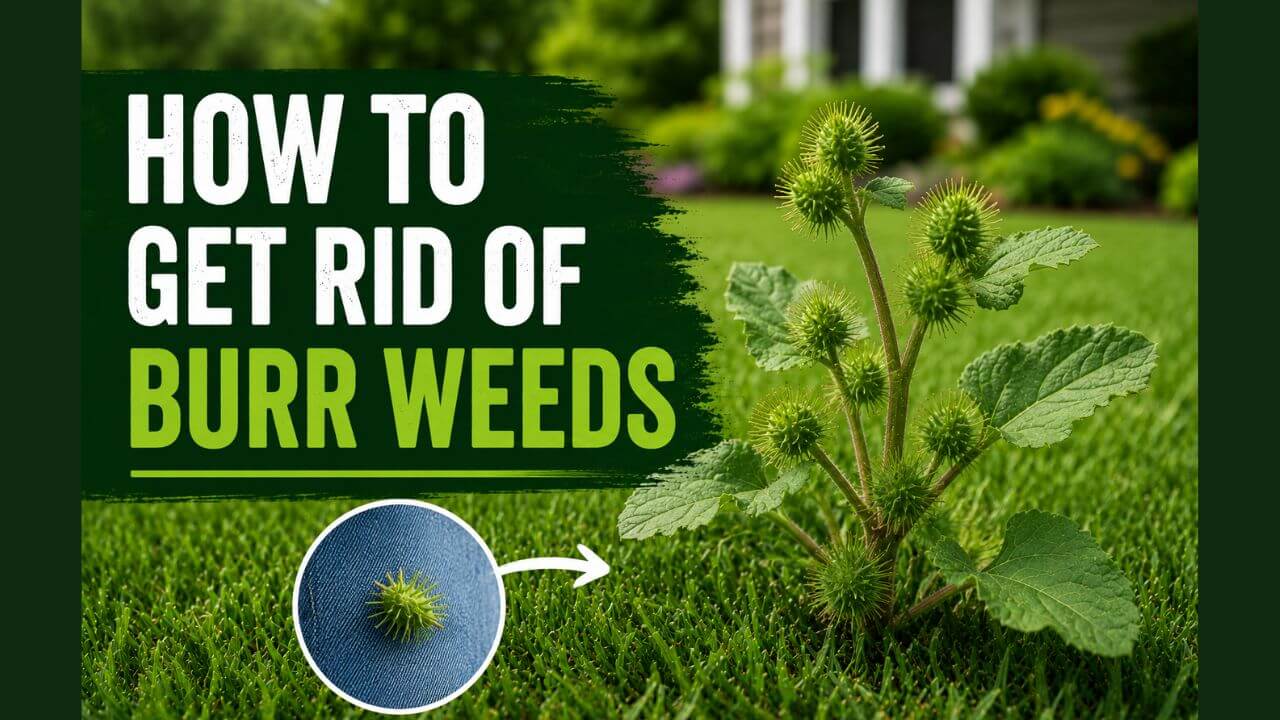
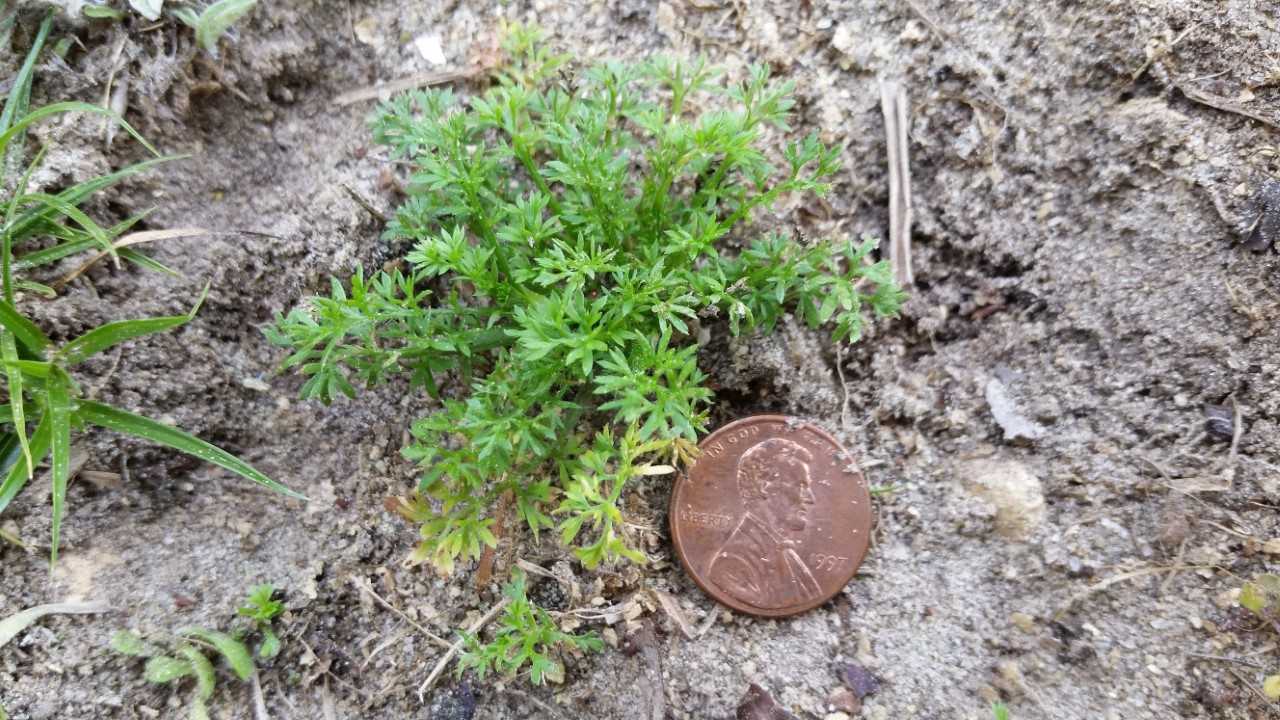
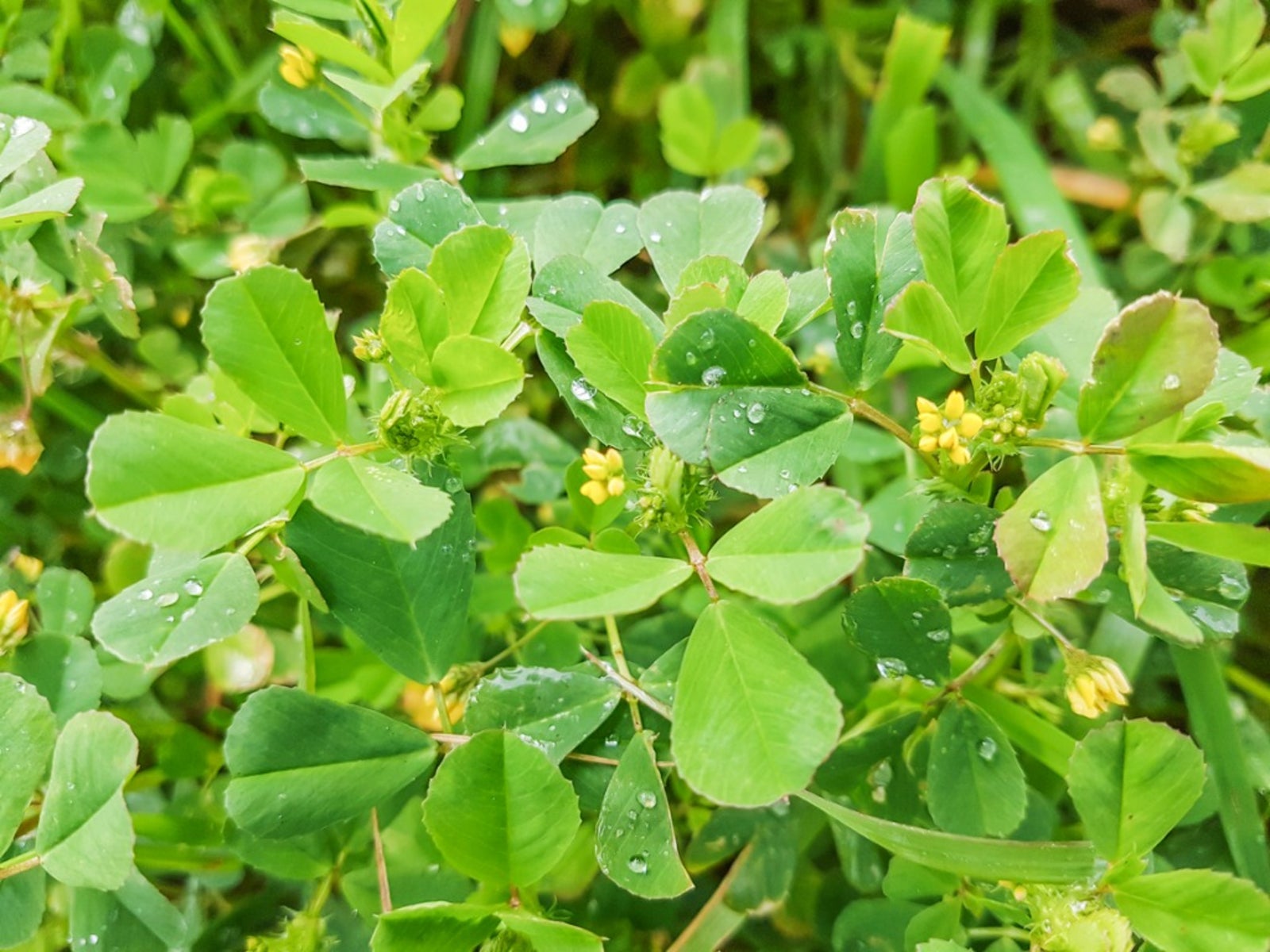
Burr weeds are plants that make sharp, spiny seed pods. They hitch a ride on socks, fur, and mower bags. The most common culprits are lawn burweed, sandbur, bur clover, and cocklebur.
Here is how to tell them apart:
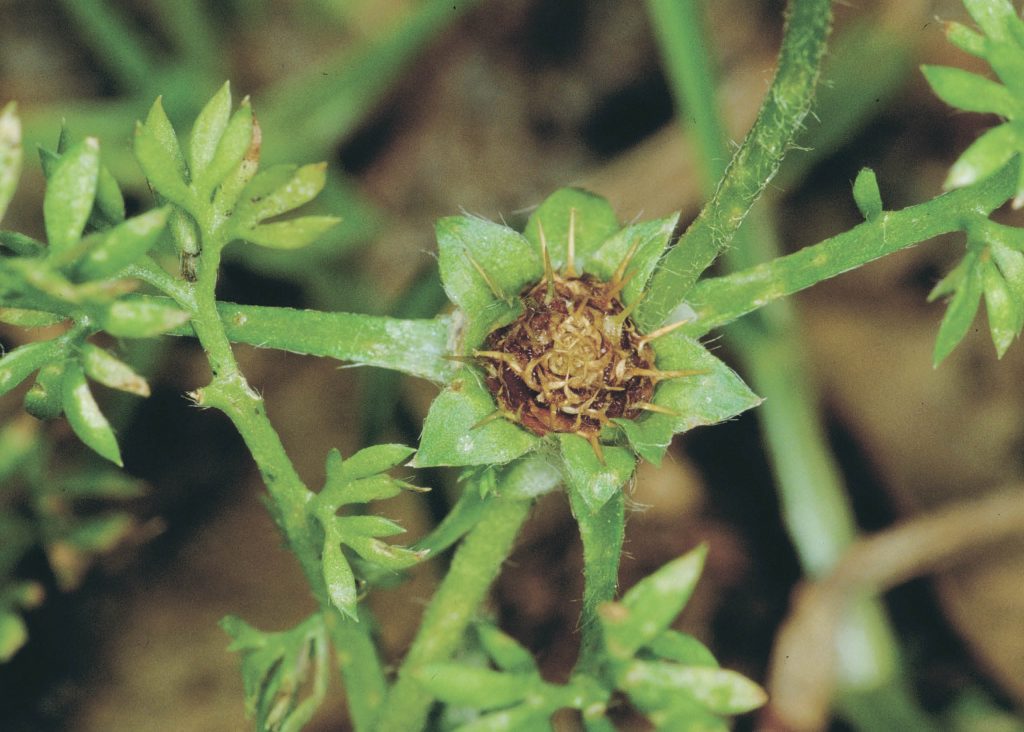
- Lawn burweed (sticker weed or spurweed). A cool-season annual. It sprouts in fall, grows flat, and makes tiny burrs in spring.
- Sandbur (field sandbur). A warm-season annual grass. It looks like a grass clump with spiky seed heads in late spring to summer.
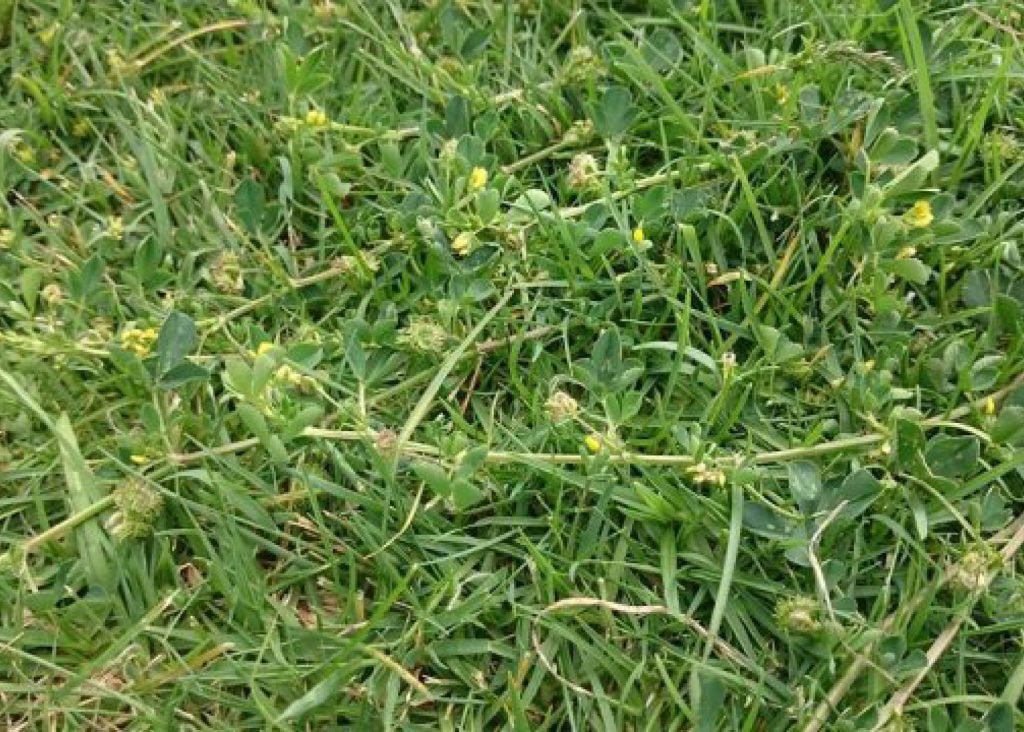
- Bur clover. A cool-season clover with small burr pods. It spreads fast in thin turf.
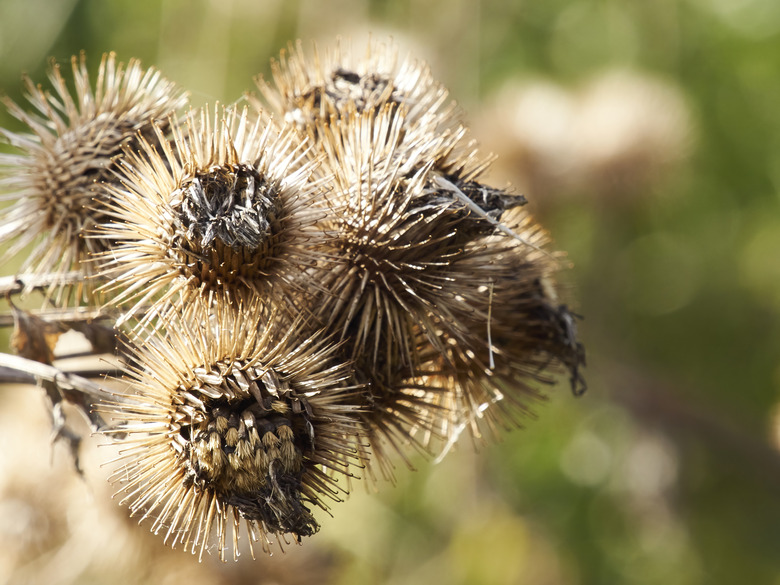
- Cocklebur. A tall summer annual with large burrs. It loves disturbed soil and fence lines.
Why this matters: timing. Lawn burweed control starts in fall. Sandbur control starts in spring. Getting this wrong is the top reason people still find stickers later.
A quick action plan: how to get rid of burr weeds fast
If you need relief now, take these steps. Then follow the seasonal plan below.
- Mow and bag. Trim the area and bag clippings if burrs are present. Do not mulch.
- Hand pull when soil is moist. Use gloves. Grab low and pull the taproot.
- Spot spray seedlings. Use a selective herbicide that fits your turf and weed.
- Rake and dispose. Rake up loose burrs and toss them in the trash.
- Clean gear and pets. Burrs move on shoes, mower decks, and fur.
These steps give quick wins. The long-term fix comes from pre-emergent timing and thicker turf.

Manual removal: tools, steps, and safety
Manual control works best on small patches and young plants. It is pet-safe and cheap.
Tools I like:
- Nitrile-coated gloves. They stop spines from poking through.
- A weeding knife or dandelion fork. It pops taproots clean.
- A stand-up weeder. It saves your back for big areas.
- Contractor bags. They do not tear on burrs.
How to do it right:
- Water lightly first or work after rain. Moist soil lets roots slide out.
- For lawn burweed, slip a knife under the crown and lift.
- For sandbur clumps, cut below the crown and pull the whole tuft.
- Bag the plants. Do not compost burrs. Seeds can survive most home piles.
- Recheck in two weeks and repeat. New sprouts are easier than old ones.
Safety tip: Keep kids and pets away until burrs are bagged. Stickers can lodge in paws and skin.

Herbicide strategy: pre-emergent and post-emergent that work
Chemical control can be safe and effective when labels are followed. The key is matching the product to the weed and season.
Pre-emergent (stops seeds from sprouting):
- For lawn burweed: apply in early fall before soil drops near 70°F. Isoxaben is a top choice. In warm-season lawns, atrazine can help in fall, but avoid it on cool-season turf.
- For sandbur: apply in early spring as soil warms near 55–65°F. Prodiamine, pendimethalin, or dithiopyr are common picks. Reapply per label for long germination windows.
Post-emergent (kills plants you see):
- Lawn burweed before burrs harden: 2,4-D blends with MCPP and dicamba work on many turfs. Use lower rates on St. Augustine and centipede. Metsulfuron is strong on burweed in warm-season turf. Follow label by grass type.
- Sandbur in lawns is tough. Many broadleaf killers will not touch it because it is a grass. Pre-emergent is the star. For bermuda lawns, certain sulfonylurea mixes labeled for sandbur can help. In beds or along edges, use a careful spot of glyphosate on calm days.
- Bur clover responds to 2,4-D blends and metsulfuron. Spray before flowering.
Best practices I follow:
- Spray when weeds are young and actively growing.
- Keep temps between 60–85°F for most products.
- Do not mow two days before or after treatment.
- Water in pre-emergents if the label says so. Keep post-emergents dry for the stated time.
- Always read the label for your exact grass and timing. Labels are the law.
Why I trust this approach: university extension trials show higher control when pre-emergent timing matches germination windows, and when post-emergents hit young plants.
Organic and pet-safe paths to fewer burrs
You can cut burr weeds without harsh options, but it takes more effort and timing.
What helps:
- Hand pulling and bagging. It is the core organic method.
- Thick mulch in beds. Use 2–3 inches of shredded bark or wood chips.
- Solarization for bare soil. Cover with clear plastic in peak summer for 4–6 weeks.
- Corn gluten meal as a pre-emergent for beds and paths. Results vary. It needs dry spells after spread.
What to skip or use with care:
- Vinegar burns leaves but often misses roots. It can harm turf. Best for cracks, not lawns.
- Flame weeding can spark fires and is not safe on dry turf.
- Home mixes can be risky or useless. Stick to tested methods.
I have cleared small play areas using only hand pulling, mulch, and solarization. It took a few weekends, but it kept my dog safe and the stickers gone.
Seasonal plan by region and turf type
A simple calendar helps you lock in control. Adjust dates for your area.
Cool-season burrs (lawn burweed and bur clover):
- Late summer to early fall: raise mowing height and reduce bare spots.
- Early to mid fall: spread isoxaben or a labeled pre-emergent before steady cool nights.
- Late winter: spot spray young burweed on warm days.
- Spring: mow and bag if any burrs formed. Overseed thin areas.
Warm-season burrs (sandbur and cocklebur):
- Late winter: fix compaction and plan spring pre-emergent.
- Early spring: apply prodiamine or pendimethalin. Water it in.
- Early summer: second split application if the label allows.
- Summer: hand pull sandbur clumps, spot treat edges, and bag seed heads.
Turf-specific notes:
- Bermuda is the most herbicide-tolerant. You have more options.
- St. Augustine and centipede need gentler products and lower rates.
- Tall fescue and bluegrass prefer broadleaf-only mixes for burweed and bur clover.
Local weather shifts matter more than the calendar. Watch soil temps and rain.
Prevention: build a dense, burr-free lawn and beds
Prevention is the real win. Burr weeds love thin turf and bare ground.
Do these basics well:
- Mow high. Taller grass shades soil and blocks seeds. Follow your grass’s ideal height.
- Feed right. Use slow-release nitrogen in the growing season. Skip heavy fall nitrogen on warm-season lawns.
- Water deep and rare. Aim for 1 inch per week in the growing season.
- Overseed thin spots. Do it in the best season for your grass type.
- Aerate compacted soil. Roots need air and space.
- Mulch all beds and tree rings. Keep mulch 2–3 inches thick.
Stop spread at the source:
- Bag when burrs appear. Do not spread them with a mulching mower.
- Clean mower decks, shoes, and pet fur.
- Edge along sidewalks to cut seed set along borders.
These steps are why my front lawn stays mostly burr-free year after year. Dense turf does the heavy lifting for you.
Common mistakes and how to avoid them
Avoiding a few traps speeds up control.
- Spraying too late. Once burrs harden, it is too late for perfect control. Bag and plan for next season.
- Wrong product for the grass. Some herbicides hurt St. Augustine or fescue. Check the label every time.
- Skipping pre-emergent. One missed window can mean a full season of stickers.
- Mulching burrs. You only plant next year’s problem.
- Expecting one-and-done. Burr weeds have long seed windows. Plan two to three passes.
If you ever feel stuck, test a small area first. Adjust rates and timing before scaling up.

Cost, timing, and realistic expectations
Burr control costs time or money. Often both.
Typical costs:
- Manual removal tools and bags: low, one-time buys.
- Pre-emergent for a small yard: moderate, applied one to two times per year.
- Post-emergent spot sprays: low to moderate, used as needed.
Timeline:
- Quick relief in 1–3 weeks with mowing, pulling, and spot sprays.
- Strong reduction next season with good pre-emergent timing.
- Near-zero burrs in 1–2 years with thick turf and steady prevention.
You can do most of this without a pro. If you have dense sandbur fields, a local lawn service can make the first push. Then you keep it clean.
Frequently Asked Questions of How to get rid of burr weeds
What kills burr weeds but not grass?
Use a turf-safe post-emergent labeled for your grass and weed. For lawn burweed, 2,4-D blends at proper rates are effective, while metsulfuron helps in many warm-season lawns.
When should I apply pre-emergent for burr weeds?
Treat lawn burweed in early fall, before steady cool nights. Treat sandbur in early spring as soil warms and repeat per label.
Will vinegar get rid of burr weeds?
Vinegar burns leaves but often misses roots and seeds. It can also harm turf, so use it only on hard surfaces or in beds with care.
Can I compost burr weeds or mower clippings with stickers?
No. Burr seeds can survive home compost heat. Bag them and put them in the trash.
How to get rid of burr weeds if I have pets?
Hand pull, mow and bag, and use mulch in beds. If you spray, pick pet-safe windows, follow labels, and keep pets off until the product dries or as directed.
How long does it take to see results?
You will see fast relief in a few weeks with pulling and spot sprays. Full control takes one to two growing seasons with the right pre-emergent and lawn care.
What is the best way to stop sandburs in a lawn?
Use a spring pre-emergent like prodiamine or pendimethalin and keep turf dense. Hand pull clumps and bag seed heads during summer.
Conclusion
You can learn how to get rid of burr weeds and beat them for good. Act fast now with mowing, pulling, and smart spot sprays. Then lock in a yearly plan with the right pre-emergent and a thick, healthy lawn.
Start small today. Pick one zone, clean it, and set a reminder for your next pre-emergent window. Share your results or questions, and subscribe for more yard tips that save you time and steps.

I enjoy sharing simple gardening ideas, lawn care tips, and honest product reviews that help make outdoor work easier. From home gardening guides to helpful tools and lawn care advice, I write easy-to-follow content to help readers create a healthier and better-looking outdoor space without wasting time or money.