
As an Amazon Associate, I earn from qualifying purchases.
Use slow-acting baits, treat mounds, water right, and block future nests.
You want a lawn that is smooth, safe, and green. Ants can ruin that calm fast. I’ve helped many homeowners fix this, and I’ll walk you through it in plain steps. In this guide on How To Get Rid Of Ants In Lawn, you will learn what works, what does not, and how to keep ants away for good. Let’s make your yard a place you enjoy again.

Spot the problem: signs you have lawn ants
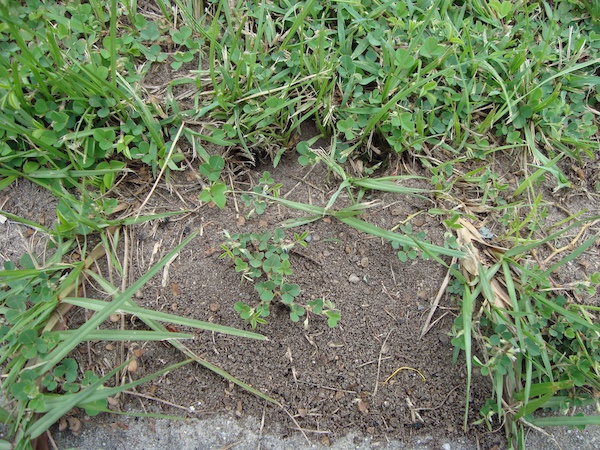
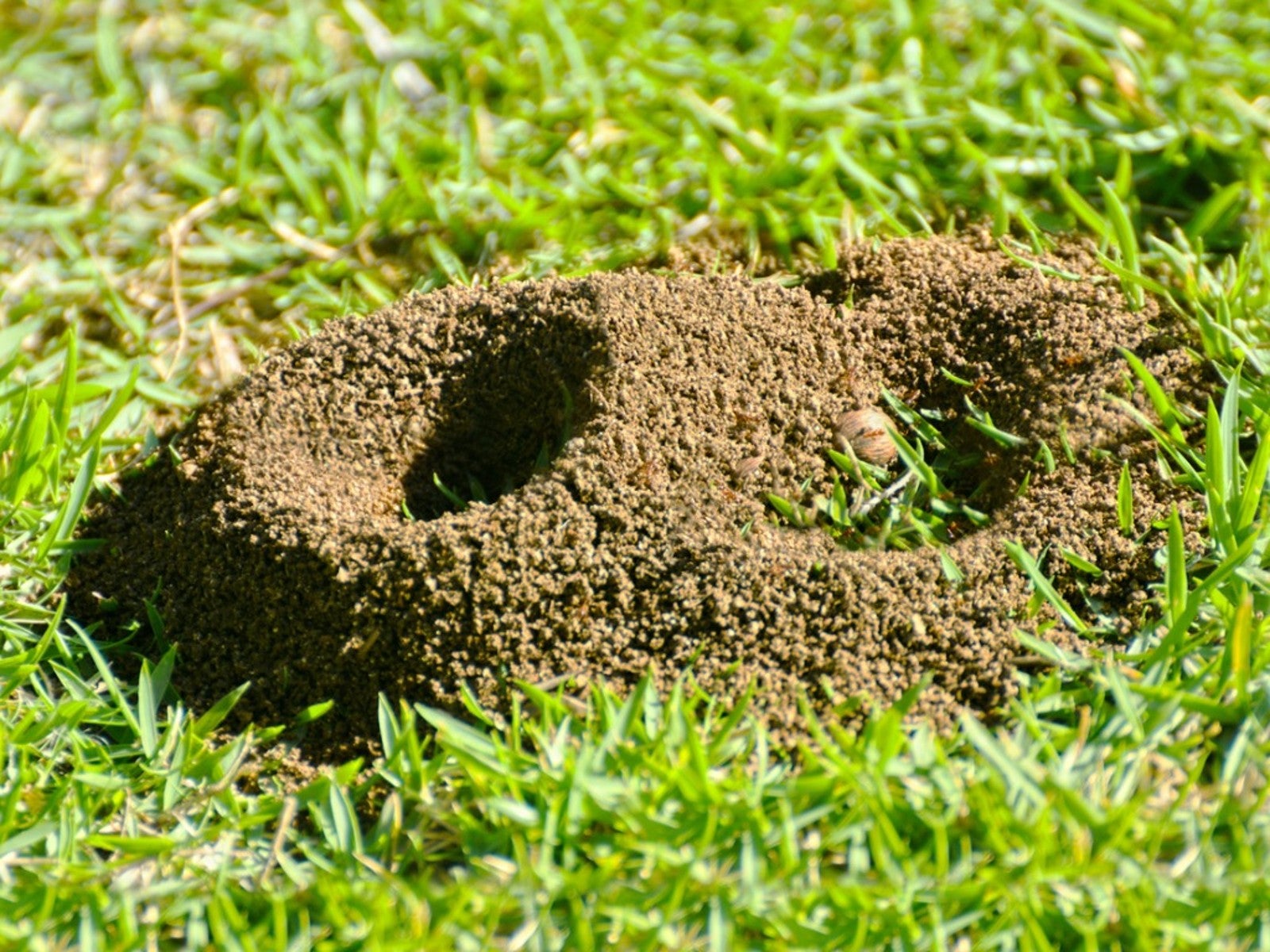
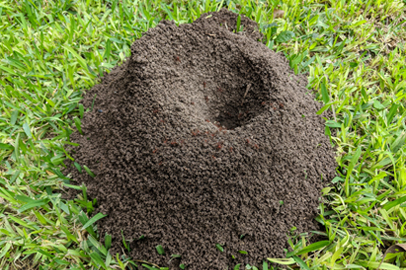
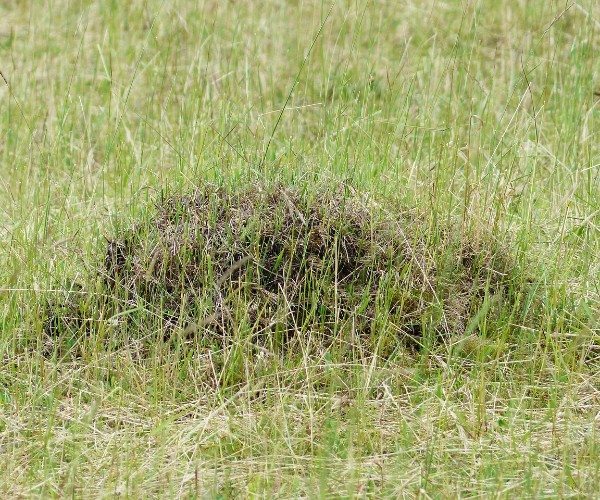
Ants leave clues. Look for small soil mounds that pop up after rain. You may see loose, fluffy soil or thin grass around a mound. Trails on warm days mean an active colony.
Ants do not always harm turf. But mounds can smother grass. Fire ants sting and are a real risk. If you want to know How To Get Rid Of Ants In Lawn the right way, start by knowing the signs and the ants you have.
Why ants take over lawns
Ants like dry, warm, and loose soil. Thin turf, bare spots, and high thatch invite nests. Sandy soil is easy for them to dig. Food nearby, like sap honeydew from shrubs or dropped pet food, keeps them close.
Weather plays a part. Long dry spells push ants to move and build. A weak lawn is the easy choice. If you want How To Get Rid Of Ants In Lawn to stick, fix the reasons they came.

Quick action plan: How To Get Rid Of Ants In Lawn step by step
Follow this simple plan. It works for most yards.
- Confirm the species. Fire ants need fast action. Pavement ants nest by walks. Carpenter ants nest in wood, not turf.
- Use baits first. Slow baits get shared and reach the queen. This is key.
- Treat mounds that risk kids or pets. Use a label-safe drench on active mounds.
- Water smart. Deep and rare watering helps grass and bothers ants.
- Fix weak spots. Overseed thin areas and topdress to smooth mounds.
- Remove food. Clean up pet food and sticky sap on shrubs.
- Monitor. If ants are still active in two weeks, re-bait or change the bait.
This plan is the backbone of How To Get Rid Of Ants In Lawn in a safe and steady way.
Natural and pet-safe ways to control ants
You can start gentle. Many homes do well with these steps.
- Bait stations with boric acid or spinosad. Place near trails and mounds. Use many small stations rather than one big one. Keep them dry and in shade.
- Diatomaceous earth. Dust a thin layer on dry days along trails. It works when dry but stops when wet.
- Soapy water spot sprays. They can knock down foragers on sight. They do not reach the queen, so use only as a helper.
- Boiling water. It can kill some ants but can burn you and kill grass. I do not advise it for lawns.
- Manage honeydew. Rinse sticky leaves and control aphids on overhanging plants. Less sugar means fewer ants.
From my field work, bait stations are the best start. They are slow, but they last and reach the queen. If you stay with it, this is how to get rid of ants in lawn without harsh sprays.
Targeted treatments and when to use insecticides
Sometimes you need stronger tools. Use them with care.
- Broadcast baits for fire ants. Use a slow-acting bait across the lawn during warm, dry weather. Typical labels direct light rates. Ants carry it home to the queen.
- Mound drenches. For risky mounds, use a labeled drench. Mix as directed. Pour around the mound first, then on top to soak deep.
- Contact sprays. Perimeter sprays can drop foragers but often miss the queen. Use only to protect play areas or entries.
- Insect growth regulators. Products with IGRs stop colonies from growing. They work slow but help keep numbers down.
Read and follow the label. Keep pets and kids off treated areas until dry. Rotate active ingredients if you need a second round. This is a key part of How To Get Rid Of Ants In Lawn when baits alone are not enough.

Special cases: fire ants, carpenter ants, and pavement ants
Different ants call for small tweaks.
- Fire ants. Painful stings and big mounds. Use the two-step method. Broadcast a slow bait. Then drench risky mounds. Treat when ants are foraging. Warm days in the morning or late day are best.
- Carpenter ants. They nest in wet wood, not turf. Fix leaks, prune wood in contact with soil, and treat the nest in wood. Bait trails that cross the lawn.
- Pavement ants. They nest by walks and driveways. Seal cracks, sweep food, and bait along edges where you see trails.
Knowing your ant is key to How To Get Rid Of Ants In Lawn without waste.

Prevent ants from coming back
Ants move in when lawns are weak. Make your grass tough.
- Mow high. Keep cool-season grass at about three inches. Taller grass shades soil and holds water.
- Water deep and rare. One inch per week in most summers is enough. Early morning is best.
- Feed and overseed. Use slow-release food in spring and fall. Overseed bare spots so ants have no easy digs.
- Reduce thatch. Dethatch or core aerate if thatch is high. Ants dislike dense, cool soil.
- Tidy edges. Sweep crumbs, move pet bowls indoors, and rinse sticky leaves. Caulk gaps by steps and slabs.
This is the long game in How To Get Rid Of Ants In Lawn. Healthy turf wins.

Mistakes to avoid and pro tips from experience
I have seen many fixes fail for simple reasons. Avoid these slips.
- Only spraying the mound top. It kills workers, not the queen. Use baits to reach her.
- Using the wrong bait. Some ants like protein. Others want sweets. Offer both or check what they take first.
- Treating at the wrong time. Cold or wet days cut bait use. Place bait on warm, dry days when ants are active.
- Giving up too fast. Baits are slow. Give it 7 to 14 days. Refill stations as needed.
- Ignoring the source. Sticky shrubs, trash, or pet food will keep ants coming.
Pro tip. Lay a small oily snack, like a crumb of chip, near a trail. If ants swarm it in 15 minutes, it is a great time to bait. This simple test boosts success and speeds up How To Get Rid Of Ants In Lawn.

Frequently Asked Questions of How To Get Rid Of Ants In Lawn
What is the fastest way to kill lawn ants?
Treat active mounds with a labeled drench and use a slow-acting bait at the same time. The drench drops risk fast, and the bait wipes out the colony.
Are ants bad for my grass?
Most ants do not eat grass. But mounds can smother blades and make bumps. Fire ants also pose a sting risk.
Do natural methods work for big infestations?
They can help, but big colonies need a plan with baits and, at times, insecticides. Start gentle, then step up if the queen survives.
How long does it take to clear a yard?
With baits, expect 1 to 3 weeks for clear change. Large or old colonies may need a second round.
Can I get rid of ants without chemicals?
You can reduce them with bait stations using boric acid or spinosad, plus lawn fixes. For fire ants, you often need a broadcast bait for full control.
When should I call a pro?
Call a pro if you have fire ants near play areas, repeat mounds after two treatment rounds, or if you cannot find the nest. They have tools and training to finish the job.
Will heavy rain fix my ant problem?
Rain may move ants, but it will not remove the colony. Treat after the lawn dries so ants forage again.
How To Get Rid Of Ants In Lawn if I have pets?
Use enclosed bait stations and keep pets off treated areas until dry. Choose pet-safe actives and follow the label.
Conclusion
You can fix lawn ants with a steady plan. Identify the ant, use slow baits, drench risky mounds, and build a thick, healthy turf. Stay patient and you will see fewer mounds and a smoother yard.
Start today. Walk your lawn, place a few bait stations, and set a weekly check. If this guide on How To Get Rid Of Ants In Lawn helped, share it, subscribe for more yard tips, or drop a question in the comments.

I enjoy sharing simple gardening ideas, lawn care tips, and honest product reviews that help make outdoor work easier. From home gardening guides to helpful tools and lawn care advice, I write easy-to-follow content to help readers create a healthier and better-looking outdoor space without wasting time or money.