As an Amazon Associate, I earn from qualifying purchases.
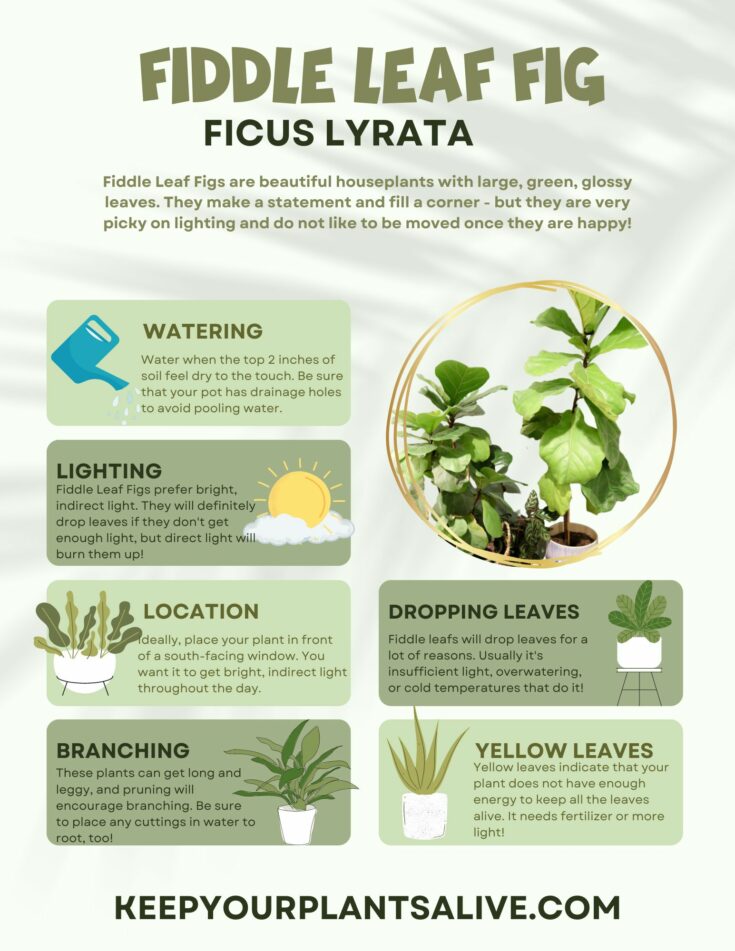
A fiddle leaf fig needs bright, indirect light, careful watering, well-draining soil, warm temperatures, and a stable place to grow. Check the soil before watering, give the leaves enough light, and avoid sudden changes in its surroundings.
In American homes, a fiddle leaf fig can bring a bold, leafy look to a living room, home office, or bright entryway. Its large, glossy leaves make it a popular indoor tree, but this plant can react to changes in light, water, and temperature. The key is to build a simple care routine that fits your home rather than follow a rigid watering schedule.
The fiddle leaf fig, known by its botanical name Ficus lyrata, grows naturally in tropical parts of Africa. Indoors, it can thrive for years when its basic needs are met. This guide explains how to choose the right spot, water the plant, manage soil and feeding, encourage healthy growth, and solve common problems without making unnecessary changes.
Bright, indirect light is one of the most important parts of fiddle leaf fig care. A spot near an east-facing window often works well because the plant can receive gentle morning sun. A bright south- or west-facing window may also work, but stronger afternoon rays can burn leaves if the plant is not acclimated.
Think of light as the plant’s daily fuel. A room may look bright to you while providing too little light for steady growth. If the plant sits far from a window, it may grow slowly, develop sparse foliage, or lean toward the nearest light source.
Check how much natural light reaches the leaves throughout the day. A location with several hours of bright ambient light is usually more useful than a dark corner with a small patch of direct sun. Window direction, nearby buildings, curtains, and seasonal changes all affect the amount of light available.
Source: www.pinterest.com
East-facing window
Often provides gentle morning sunlight and bright light for much of the day.
South-facing window
Can offer strong light, especially in winter. Use a little distance or a sheer curtain if direct rays are intense.
West-facing window
Can work well, but watch for hot afternoon sun and leaf scorch.
Low-light room
Growth may slow and leaves may fall. Move the plant closer to a bright window or consider a suitable grow light.
How to Tell Whether the Plant Gets Enough Light
Healthy growth should look reasonably compact, with new leaves forming on the stem and the plant holding its leaves without excessive leaning. Slow growth alone does not prove that the light is too low, since growth also changes with the season, temperature, and root health.
If you move the plant to a brighter place, do so gradually. Start with filtered light or a short period of mild morning sun, then increase exposure as the leaves adjust. Sudden exposure to strong sunlight can leave dry, pale, or brown patches.
Rotate with care
Turn the pot a little every week or two if the plant leans toward the window. Avoid frequent large moves between very different light conditions.
Clean the leaves
Wipe dust away with a soft, damp cloth so the broad leaf surfaces stay clean. Support each leaf as you wipe.
Use a grow light if needed
Choose a suitable plant light and follow its distance and timing instructions. Keep the light close enough to help but not so close that it overheats the foliage.
2. Water Correctly Without Soaking the Roots
Water your fiddle leaf fig when the upper part of the potting mix has dried and the soil farther down is approaching dryness. Do not water just because a certain number of days has passed. A small plant in a warm, bright room may dry much faster than a large tree in a cool room.
Too much water can deprive roots of oxygen and encourage root rot. Too little water can dry out the roots and cause wilting, crispy edges, or leaf loss. Both problems can look similar at first, so check the soil before deciding what to do.
Use your finger or a wooden stick to check the mix several inches below the surface. For a large pot, a moisture meter can provide another clue, but readings depend on the tool and soil. Combine any reading with the pot’s weight, the appearance of the leaves, and the actual condition of the mix.
Source: www.pinterest.com
Check before watering
Feel the upper 2 to 3 inches of soil and assess the deeper root zone. If the soil is still wet, wait and check again later.
Water thoroughly
Pour water evenly over the soil until excess drains from the bottom. This helps moisten the root ball rather than only the top layer.
Empty the saucer
Do not let the pot sit in standing water. Empty the saucer or outer decorative pot after watering.
Adjust for the season
Check more often during warm, bright growing periods and less often when growth slows and the soil dries slowly.
How Often Should You Water a Fiddle Leaf Fig?
There is no reliable watering interval for every fiddle leaf fig. Some plants need water every week or so during active growth, while others may need longer between waterings. Pot size, soil texture, indoor temperature, humidity, root health, and light all affect how fast the mix dries.
Instead of following a calendar, keep a short record of when you water and how long the soil takes to dry. After several cycles, you can estimate when to check the plant more closely. The soil itself should still guide the final decision.
If the soil is dry
Water thoroughly if the root zone has dried enough and the plant is ready for moisture.
If the soil is wet for many days
Check drainage, pot size, light, and temperature. Persistent wetness can signal a mix that is too dense or roots that are struggling.
If water runs straight through
The mix may have become very dry and water-repellent. Apply water slowly in several passes and let the root ball absorb it, while ensuring that excess water can still drain.
Can You Use Tap Water?
Many fiddle leaf figs grow well with ordinary household tap water. However, water quality varies by location, and some plants may develop leaf-edge damage when exposed to high levels of dissolved salts or certain minerals over time.
If the leaf tips repeatedly turn brown despite sound watering and light, consider checking your water quality and fertilizer use. You can try rainwater or filtered water when appropriate, but avoid assuming that tap water is the cause before checking other conditions.
Avoid waterlogging
Water quality does not replace good drainage. Even suitable water can cause root trouble if the pot remains saturated.
Use room-temperature water
Water that is not very cold or hot helps avoid an unnecessary temperature shock to the roots.
3. Use Well-Draining Soil and the Right Pot
A fiddle leaf fig needs a potting mix that holds enough moisture for the roots but releases excess water quickly. Dense garden soil is usually a poor choice for indoor pots because it can compact and stay wet. A suitable indoor potting mix with added drainage materials is a better starting point.
A blend may include quality indoor potting mix, perlite or pumice, and fine orchid bark. The exact ratio is less important than the result: the mix should remain airy, drain freely, and not dry out so rapidly that the roots cannot take up water. Climate, pot size, and indoor conditions can change which blend works best.
The container matters just as much as the mix. Always use a pot with drainage holes. A decorative outer pot can hide a nursery pot, but remove the inner pot for watering or make sure excess water is emptied from the outer container.
Source: artofit.org
Choose a practical mix
Use a quality indoor potting mix amended with perlite, pumice, or fine bark when needed to improve air flow and drainage.
Avoid oversized pots
A pot that is much larger than the root ball holds more unused wet soil and may take longer to dry.
Check the drainage holes
Make sure they are open and not blocked by compacted soil or a solid insert.
Do not add rocks to fix drainage
A layer of gravel at the bottom does not correct a poorly draining mix and can leave water sitting higher in the pot.
When Should You Repot a Fiddle Leaf Fig?
Repot when roots are tightly circling the root ball, emerging through drainage holes, or filling most of the available space. Soil that dries unusually fast despite proper watering may also suggest that roots have crowded the pot, although heat and a loose mix can cause similar behavior.
Spring and early summer are often convenient times to repot because the plant is entering or in active growth. If the plant is seriously waterlogged or the roots are rotting, address the problem promptly rather than waiting for a particular season.
Select the next pot carefully
Choose a container only a little wider than the root ball, with enough depth to support the roots.
Inspect the roots
Healthy roots are generally firm. Remove clearly dead, mushy, or foul-smelling roots with clean tools when treating root rot.
Set the original depth
Keep the trunk at roughly its former soil level and fill around the roots without packing the mix too tightly.
Allow time to settle
Water the new mix thoroughly and let it drain. Avoid adding strong fertilizer immediately after a stressful repot.
4. Maintain Warm Temperatures and Useful Humidity
Fiddle leaf figs prefer warm, stable indoor conditions. Typical comfortable room temperatures are often suitable, while cold drafts, chilly window glass, and sudden temperature swings can stress the plant. Keep it away from exterior doors that open frequently in winter and from heating or air-conditioning vents that blow directly on the leaves.
Humidity can affect leaf edges and the rate at which the soil dries. Normal household humidity may be adequate, but very dry air can increase moisture loss from the leaves. If your home becomes especially dry in winter, watch the plant and adjust its location or room conditions if symptoms persist.
A humidifier can help raise humidity in a room. It is usually more effective than misting the leaves, which offers only a short-lived change in moisture and may leave foliage wet without providing lasting benefit. Keep the area around the plant clean and avoid creating persistently damp conditions.
Source: storage.googleapis.com
Keep temperatures steady
Avoid abrupt shifts and cold air blowing across the foliage.
Watch winter conditions
Windows can become cold at night, so move the plant a short distance away if leaves touch cold glass or show stress.
Use humidity support when needed
A clean room humidifier can help if indoor air is very dry, especially when leaf edges keep drying despite correct watering.
Provide air movement
Normal gentle air circulation is helpful. Avoid strong fans aimed directly at the plant for long periods.
Should You Mist a Fiddle Leaf Fig?
Misting is not required for healthy growth. It does not raise room humidity for long, and repeated wetting may leave water marks on the broad leaves. Focus first on stable temperatures, suitable light, and a watering routine based on the soil.
If you want to increase humidity, use a humidifier and follow its cleaning instructions. Do not crowd the plant into a tightly enclosed space where poor airflow and persistent dampness may encourage disease.
Skip routine misting
Use a soft, damp cloth to clean dusty leaves instead of spraying them every day.
Measure if needed
A basic room hygrometer can help you understand whether the air is very dry or already within a comfortable range.
5. Feed the Plant During Active Growth
Fertilizer supports new leaves and stems, but it cannot make up for poor light, damaged roots, or incorrect watering. A balanced fertilizer labeled for foliage plants is often suitable when used according to its instructions. Choose a product that clearly states the recommended dilution and application frequency.
Feed mainly during active growth, often in spring and summer for indoor plants in the United States. Reduce or pause feeding when growth slows in winter, especially if the room is cool or light levels are low. Indoor plants may continue growing under strong light, so observe the plant rather than relying only on the calendar.
More fertilizer is not better. Excess nutrients can build up in the soil and damage roots or leaf edges. If you suspect salt buildup, stop feeding temporarily, review the product dose, and flush the mix with water if the pot drains freely and the roots are not already waterlogged.
Source: fr.pinterest.com
Follow the label
Use the listed dose and timing rather than guessing or combining several fertilizers.
Feed healthy roots
Do not fertilize a severely wilted, waterlogged, or recently damaged plant until the cause has been addressed.
Watch new growth
Steady leaf production during active growth is a better sign of success than adding fertilizer more often.
Avoid winter overfeeding
When growth slows, excess nutrients can accumulate because the plant uses them more slowly.
Does a Fiddle Leaf Fig Need Special Fertilizer?
A special fiddle leaf fig fertilizer is not essential if a general foliage-plant fertilizer provides suitable nutrients and clear directions. Product formulas differ, so compare the label and choose one that fits the plant’s growth stage and your care routine.
Yellow leaves do not automatically mean that the plant needs fertilizer. Poor drainage, overwatering, low light, pests, and natural aging can all cause discoloration. Check these factors before adding nutrients.
Use a balanced formula
A complete fertilizer containing the main plant nutrients and trace elements can support foliage growth when applied correctly.
Avoid feeding dry roots heavily
Follow label directions about soil moisture and application. Strong fertilizer on a stressed root system may worsen damage.
6. Prune and Shape Your Fiddle Leaf Fig
Pruning can help control height, remove damaged growth, and encourage a fuller shape. Use clean, sharp pruning shears and make cuts with a clear purpose. The best approach depends on whether you want a tall tree with one main trunk or a shorter plant with more branches.
For a taller indoor tree, remove dead or badly damaged leaves and let the main stem grow if the plant is healthy. To encourage branching, you may prune the growing tip of a healthy stem, but the result is not guaranteed and depends on the plant’s condition, light, and growth stage.
Wear gloves if you are sensitive to plant sap. Fiddle leaf fig sap can irritate skin, and the plant should be kept away from pets and children who may chew it. Wipe away sap carefully and clean tools after pruning.
Source: jewelsathome.com
Remove dead leaves
Cut off fully dead or badly damaged leaves with clean shears, taking care not to injure the trunk.
Shape gradually
Make a few planned cuts instead of removing large amounts of healthy foliage at once.
Support a tall trunk
Use a suitable stake if the trunk needs support, securing it loosely so the stem can still move a little.
Clean your tools
Remove sap and plant debris, then clean the cutting blades before using them on another plant.
How Can You Encourage a Fiddle Leaf Fig to Branch?
A fiddle leaf fig may grow as a single upright stem for a long time. If you want side branches, provide strong indirect light and stable care first. A healthy plant is more likely to respond well to pruning than one already losing leaves.
Cutting the top of a stem can sometimes stimulate buds below the cut, but branching varies from plant to plant. Make the cut just above a suitable node, which is the point where a leaf or bud attaches to the stem, and avoid pruning during periods of severe stress.
Improve growing conditions first
Check light, watering, and root health before making cuts intended to change the plant’s shape.
Be patient
New branches may take time to appear, and not every node will produce a shoot.
7. Understand Common Fiddle Leaf Fig Problems
When a fiddle leaf fig develops brown spots, yellow leaves, or sudden leaf drop, look for a pattern before changing its care. The same symptom can have several causes, and treating the wrong cause may make the problem worse. Start with the soil, drainage, light, temperature, and signs of pests.
Check whether the damage affects old leaves or new leaves, whether the soil is wet or dry, and whether the plant was moved recently. Also inspect the undersides of leaves, stems, and leaf joints for small insects or sticky residue. Make one sensible change at a time so you can see whether it helps.
A few older leaves may yellow and fall as part of normal aging. Rapid leaf loss, widespread spotting, or a plant that continues to decline calls for a closer inspection of roots and growing conditions.
Source: www.pinterest.com
Yellow leaves
Check for wet soil, poor drainage, low light, and root stress before considering nutrient issues.
Brown, crispy edges
Possible causes include dry soil, inconsistent watering, dry air, salt buildup, or root damage.
Brown spots
Look at the location and texture of the spots. Overly wet soil, leaf damage, sun scorch, and disease can cause similar marks.
Sudden leaf drop
Review recent moves, cold drafts, watering changes, and the condition of the root zone.
Small insects or webbing
Inspect carefully for spider mites, scale insects, and other pests. Isolate an affected plant while you identify and treat the problem.
How to Troubleshoot Yellow Leaves
Begin by checking the soil moisture several inches below the surface. If it is wet for a long time, inspect the drainage holes and consider whether the pot is too large or the mix is too dense. If the root ball is very dry, water thoroughly and check whether the soil absorbs the water.
Next, review the plant’s location. A dark corner, cold window, or direct blast from a heater may stress the leaves. Correct the most likely environmental issue and watch the plant over the next few weeks instead of repeatedly changing its position.
Check the roots if decline continues
Brown, mushy roots and a sour smell can suggest root rot. Firm roots are a better sign, although color alone does not prove root health.
Inspect for pests
Look for stippling, fine webbing, scale-like bumps, or sticky leaves. Confirm the pest before choosing a treatment.
Remove badly damaged foliage
Trim dead leaves if needed, but do not strip healthy leaves that the plant still uses for growth.
What Causes Brown Spots on Fiddle Leaf Fig Leaves?
Brown spots can form after strong direct sunlight, irregular moisture, cold exposure, or root problems. Spots that appear alongside persistently wet soil deserve special attention because roots that lack oxygen may struggle to supply water to the leaves.
Inspect whether the marks are dry and crisp, soft and dark, or surrounded by yellow areas. This pattern can help narrow the possibilities, but it is not a diagnosis on its own. If spots keep spreading, isolate the plant from other houseplants while you inspect for pests or possible disease.
Dry, pale patches on the window side
Consider sun scorch, especially if the plant was recently moved into stronger direct light.
Dark spots with wet soil
Review watering and drainage first. Check roots if the plant continues to decline.
Repeated edge damage
Check soil moisture, fertilizer concentration, and water quality rather than changing all three at once.
How to Check for Houseplant Pests
Spider mites may cause fine stippling and delicate webbing. Scale insects can look like small, fixed bumps on stems or leaves, while mealybugs may appear as white, cottony patches. A magnifying glass can help you inspect tiny insects more closely.
Move an affected plant away from nearby houseplants. Identify the pest, then use a treatment labeled for that pest and for indoor ornamental plants. Follow the label exactly, including any instructions about repeat applications, ventilation, and keeping children or pets away.
Inspect both sides of leaves
Pay attention to veins, stems, and places where leaves join the trunk.
Avoid random chemical mixtures
Do not combine pest products or use outdoor-only pesticides indoors. Follow the product label and local rules.
8. Keep a Simple Seasonal Care Routine
A useful care routine changes with the plant’s growth and the conditions in your home. In many US homes, spring and summer bring longer days and faster growth, while winter brings less light and slower soil drying. Indoor heating, air conditioning, and local climate can change this pattern.
Use seasonal changes as a reason to check the plant more closely, not as a command to water or fertilize on a fixed date. A sunny room in Arizona may dry out much faster than a cool room in the Pacific Northwest, even during the same month. The condition of the soil and plant should guide your choices.
Keep care tasks simple. Inspect leaves weekly, check soil before watering, and look for pests during routine cleaning. This steady approach helps you notice small changes before they become serious.
Source: silkenolden.de
Spring
Check whether the plant needs repotting, resume feeding if it is actively growing, and adjust watering as light increases.
Summer
Monitor soil more often during hot, bright weather. Protect leaves from harsh direct sun and avoid placing the pot in extreme heat.
Fall
Watch for slower soil drying as days shorten. Reduce fertilizer if growth slows and check for cold drafts.
Winter
Provide the brightest suitable window, keep the plant warm, and water less often when the soil takes longer to dry.
A Practical Weekly Fiddle Leaf Fig Checklist
A short weekly check is often enough for routine care. It does not mean the plant needs water every week; it means you should look for changes and decide what action, if any, is needed.
Inspect the foliage
Look for yellowing, new brown spots, dust, webbing, or sticky residue.
Check soil moisture
Feel the mix below the surface and water only when the plant needs it.
Review the location
Make sure the plant still receives suitable light and is not exposed to drafts or direct heat.
Track new growth
Notice whether new leaves are opening and whether the plant remains stable in its pot.
Frequently Asked Questions
Q
Is a fiddle leaf fig easy to care for?
A fiddle leaf fig is manageable when its environment stays fairly stable, but it can be less forgiving than some common houseplants. Bright light, careful watering, and good drainage are the main needs to master. Once you understand how quickly the soil dries in your home, routine care becomes easier.
Q
How often should I water my fiddle leaf fig?
Water when the upper part of the soil has dried and the root zone is ready for moisture. This may be about weekly in some warm, bright homes and much less often in cooler or darker rooms. Always check the soil instead of following a fixed calendar.
Q
Why are the lower leaves on my fiddle leaf fig turning yellow?
An occasional older leaf may yellow as it ages, but several yellow lower leaves can signal overwatering, poor drainage, low light, or root stress. Check the moisture below the soil surface, make sure the pot drains freely, and inspect the plant’s light and temperature conditions before adding fertilizer.
Q
Can a fiddle leaf fig grow in low light?
It may survive in lower light, but growth is often slower and leaf loss may become more likely. Place it near the brightest suitable window available. If natural light is limited, a suitable grow light may help support healthier growth.
Q
Are fiddle leaf figs toxic to cats and dogs?
Yes. Fiddle leaf figs contain an irritating sap and are considered toxic to cats and dogs if chewed or eaten. Keep the plant out of reach, and contact a veterinarian or an animal poison service if your pet eats part of the plant or develops symptoms. Wear gloves when pruning if the sap irritates your skin.
Q
Should I remove brown leaves from my fiddle leaf fig?
You can remove fully brown or dead leaves with clean pruning shears. A leaf with only a small brown edge may still be useful to the plant, so there is no need to remove it solely for appearance. More importantly, identify why the damage occurred and correct the underlying problem.
Q
How fast does a fiddle leaf fig grow indoors?
Growth varies with light, temperature, root health, plant age, and the growing season. A plant in bright light with healthy roots may produce new leaves during active growth, while one in lower light may grow slowly. There is no single reliable growth rate for every indoor fiddle leaf fig.
✦ Wrapping Up
Conclusion
A healthy fiddle leaf fig starts with the right place and a steady routine. Give it bright, indirect light, use a draining potting mix, water according to soil moisture, and protect it from cold drafts and sudden changes. Feed only when growth and conditions support it, and prune with clean tools when needed.
When problems appear, check the roots, soil, light, temperature, and leaves before making several changes at once. Yellow leaves and brown spots are clues, not complete diagnoses. A careful check helps you correct the real cause and avoid adding stress to the plant.
💡 Key Takeaway
Start today by checking your fiddle leaf fig’s light and soil moisture. Confirm that the pot has drainage holes, remove any standing water, and choose one consistent spot with bright, indirect light. Recheck the leaves and soil each week, and adjust care only when the plant’s condition calls for it.
I enjoy sharing simple gardening ideas, lawn care tips, and honest product reviews that help make outdoor work easier. From home gardening guides to helpful tools and lawn care advice, I write easy-to-follow content to help readers create a healthier and better-looking outdoor space without wasting time or money.