As an Amazon Associate, I earn from qualifying purchases.
hydrangeas often wilt in the afternoon because heat and strong sunlight cause their leaves to lose water faster than their roots can replace it. If the plants recover by evening, temporary heat stress is a likely cause. If they stay wilted, check the soil, roots, and watering conditions.
Across the United States, hydrangeas face very different summer conditions. A shrub in a humid Georgia backyard may struggle with hot afternoons, while one in an exposed Colorado garden may face intense sun and dry air. Even hydrangeas growing in the cooler Northeast can droop during a sudden heat wave.
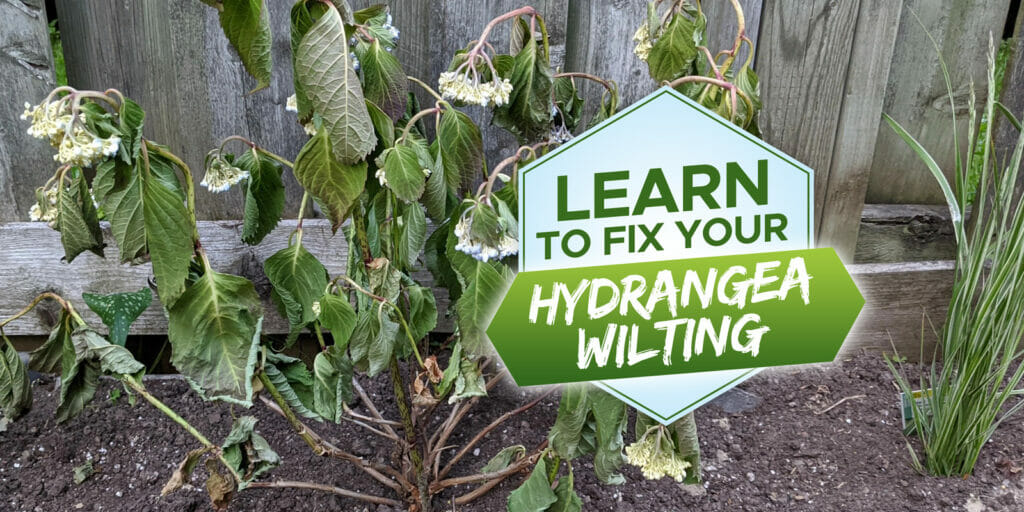
Afternoon wilting can look alarming. Large leaves hang down, flower heads droop, and a healthy shrub may seem ready to collapse. Yet a plant that droops during the hottest hours and stands upright again in the evening may be responding to heat rather than suffering from a serious disease.
The best way to help a wilted hydrangea is to check its soil before adding water. Dry soil often calls for a deep drink, but wet soil can point to poor drainage or damaged roots. Understanding the difference helps you protect the plant without making the problem worse.
Hydrangeas wilt in the afternoon when their leaves lose water faster than the roots can supply it. Heat, sunlight, wind, and low soil moisture can all contribute to this imbalance. The plant responds by letting its leaves and flower stems droop.
Plants release water vapor through tiny openings in their leaves. This process is called transpiration. It helps move water through the plant and can cool the leaves, but it also increases the need for water on hot, sunny days.
Hydrangeas often have broad, thin leaves and large flower heads. These features can make water loss more noticeable during periods of high heat. A shrub may look healthy in the morning, droop by midafternoon, and recover after the sun weakens.
This daily pattern is useful evidence, but it does not prove that heat is the only cause. A plant with dry soil may also wilt during the afternoon, while a shrub with damaged roots may struggle to recover even after temperatures fall.
Source: worldofgardenplants.com
Temporary heat stress
Leaves and flower stems droop during the hottest part of the day but regain their normal shape later, especially when the soil has enough moisture.
Water shortage
The soil feels dry below the surface, and the plant may remain wilted into the evening or show dry leaf edges.
Root stress
The soil may be constantly wet or compacted, and the plant may remain limp despite regular watering.
How Heat Changes Water Demand
On a mild day, the roots may replace water lost through the leaves without difficulty. During a hot afternoon, the demand can rise sharply. If the roots cannot keep up, the leaves lose firmness and hang down.
A heat wave can also warm the soil around shallow roots. Dry wind and reflected heat from walls, pavement, and stone borders can add stress, even when the weather station reports a temperature that seems manageable.
This explains why two hydrangeas in the same yard may behave differently. A shrub under a tree may stay firm while another beside a sunny driveway droops every afternoon.
Why Flower Heads Droop Along With Leaves
Large hydrangea flower heads can become heavy when they hold water after rain or irrigation. Long stems may bend under this weight, especially on older shrubs or varieties with weak stems.
If only the flower heads droop while the leaves remain firm, heat-related water stress may not be the whole explanation. Check whether the stems are bending under the flowers or whether the entire plant is losing firmness.
Seven Common Causes Of Afternoon Wilting
The most useful way to diagnose a wilted hydrangea is to look at the weather, soil, leaves, and recovery pattern together. A single drooping leaf does not tell the whole story.
Start with the simplest causes, such as heat and dry soil. Then check the plant’s location, container size, and drainage. If the shrub continues to wilt despite suitable moisture, look for signs of root trouble or disease.
Source: i.pinimg.com
1. High afternoon temperatures
Hot weather increases water loss from the leaves. A plant may droop even when the soil is damp enough to support normal growth.
2. Too much direct sunlight
Strong afternoon sun can heat leaves and soil, particularly for hydrangeas that grow best with morning sun and afternoon shade.
3. Dry soil
A shallow watering may wet the surface but leave much of the root zone dry. The plant then lacks enough water during the hottest hours.
4. Poor drainage
Soil that stays saturated can deprive roots of oxygen. Damaged roots may fail to absorb water even when plenty is present.
5. Wind and dry air
Wind can speed up water loss, especially in exposed yards and dry climates across the western United States.
6. Small or crowded containers
A pot with little soil can heat up and dry quickly. Roots packed tightly into a container may also struggle to supply water during hot weather.
7. Root or stem damage
Root injury, rot, or damaged stems can interrupt water movement and cause persistent or uneven wilting.
How To Tell Heat Stress From Drought Stress
Heat stress often follows a clear daily pattern. The leaves droop during the afternoon, then recover when temperatures fall. The soil may still feel slightly moist a few inches below the surface.
Drought stress is more likely when the root zone is dry and the plant stays limp after sunset. Leaves may curl, develop crisp brown edges, or dry out if the shortage continues.
These signs can overlap. A hydrangea with dry soil may suffer both heat and drought stress at once. Check the soil instead of relying on the appearance of the leaves alone.
Likely heat stress
The plant droops during peak heat, the root zone has some moisture, and the leaves recover in the evening.
Likely drought stress
The soil is dry below the surface, the plant remains wilted, and leaf edges may become dry or brown.
Possible root trouble
The soil stays wet, the plant continues to droop, and yellowing or declining growth appears.
How To Check A Wilted Hydrangea Before Watering
Check the soil first, then consider the weather and the plant’s recent care. This quick inspection helps you decide whether to water, provide shade, or investigate a root problem.
Do not water simply because the leaves look limp. If the soil is already saturated, adding more water can make the roots less able to function. The goal is to keep the root zone evenly moist while allowing excess water to drain away.
Source: icangarden.com
Step 1: Feel the soil
Use a finger or small hand trowel to check moisture a few inches below the surface near the root zone. Dry soil suggests the plant may need water, while soggy soil calls for a drainage check.
Step 2: Check the weather
Look at recent temperatures, direct sun, wind, and rainfall. Several hot, sunny days in a row can increase the plant’s water needs.
Step 3: Look at the leaves
Note whether leaves are limp, curled, yellow, spotted, or crisp along the edges. These clues help distinguish temporary stress from a longer-lasting problem.
Step 4: Check the recovery pattern
Inspect the shrub again in the evening or early the next morning. A clear recovery supports the idea that heat played a major role.
Step 5: Inspect drainage
If the soil stays wet for long periods, check whether water can drain freely and whether the plant sits in a low spot or a container without open drainage holes.
A Simple Afternoon Wilting Decision Table
Use the table below to choose your next step. These are practical clues rather than a definitive diagnosis, and more than one cause can affect a hydrangea at the same time.
Drooping in hot sun, moist soil
Provide temporary shade if needed and check whether the plant recovers after sunset. Avoid adding water if the root zone is already adequately moist.
Drooping, dry soil
Water the root zone slowly and deeply, then check moisture again after the water has soaked in.
Drooping, wet soil
Pause extra watering and assess drainage, soil condition, and possible root damage.
One stem droops while the rest look healthy
Inspect the affected stem for a break, wound, or localized damage. Do not assume the whole shrub needs more water.
Wilting persists overnight
Recheck soil moisture, roots, and growing conditions. Seek local extension guidance if the cause remains unclear or the shrub declines.
How To Help A Hydrangea Recover From Afternoon Wilting
The right treatment depends on what the soil and leaves tell you. A heat-stressed plant with moist soil needs relief from harsh conditions, while a plant in dry soil needs water that reaches its roots.
Make one or two sensible changes, then watch how the shrub responds. Repeatedly watering, moving, fertilizing, and pruning a stressed plant at once makes it harder to identify what is helping.
Source: balconygardenweb.b-cdn.net
Water dry soil deeply
Apply water slowly around the base of the shrub so it can soak into the root zone. If the soil is very dry, allow time for water to penetrate instead of flooding the surface.
Provide temporary shade
During severe heat, use a suitable temporary shade cloth or another safe source of afternoon shade. Keep the material from pressing against the leaves.
Add organic mulch
Spread a layer of shredded bark, leaf mold, or other suitable organic mulch over the root area. Keep mulch a few inches away from the stems.
Protect the root zone
Avoid digging, cultivating deeply, or placing hot paving materials close to the roots. Hydrangea roots can suffer when disturbed or exposed to excess heat.
Wait before pruning
Do not cut off every drooping leaf or flower head. Allow the plant to recover, then remove only dead or damaged growth when appropriate.
The Best Way To Water A Wilted Hydrangea
Water slowly at soil level rather than spraying the leaves with a brief splash. A gentle flow gives the soil time to absorb water and reduces runoff, especially on sloped ground or in compacted beds.
For an established shrub in dry soil, water over the root area rather than pouring everything beside the main stem. Check the soil afterward to confirm that the moisture has moved down into the root zone.
There is no single watering schedule that works for every hydrangea. Soil type, plant size, rainfall, temperature, wind, and container size all affect how quickly the soil dries. Use soil moisture as your main guide.
For garden beds
Water deeply when the root zone begins to dry, adjusting for rainfall and local conditions. Sandy soil may need more frequent attention than moisture-retentive soil.
For container plants
Check pots more often in hot weather. Water until excess drains from the bottom, then empty any saucer that holds standing water.
For plants in wet soil
Do not keep adding water to limp leaves. Check drainage and allow the soil to move toward a suitable moisture level before watering again.
When Will A Wilted Hydrangea Recover?
A shrub with mild, temporary heat stress may regain its shape later in the day or by the next morning. Recovery depends on the weather, root health, soil moisture, and the extent of the stress.
A plant suffering from severe drought or root injury may take longer to improve. Brown, crisp leaves and damaged flower petals may not return to their former condition, even after the plant begins growing normally again.
Judge recovery by the plant’s overall condition, not just one leaf. Firmer stems, healthy new growth, and a return to the usual daily pattern are encouraging signs.
How Sunlight, Hydrangea Type, And Location Affect Wilting
A hydrangea’s tolerance for sun and heat depends on its type, local climate, and growing conditions. Many hydrangeas do well with morning sun and afternoon shade, but some varieties can handle more sun when the soil stays consistently moist.
The same planting advice will not work equally well in every part of the United States. Summer conditions in humid Louisiana differ from those in dry Arizona, and a shrub that thrives in a sheltered New England garden may struggle beside a hot wall in Texas.
Before changing the plant’s location, identify the variety if possible. Oakleaf, bigleaf, smooth, panicle, and mountain hydrangeas differ in their growth habits and environmental needs.
Source: growyouryard.com
Bigleaf hydrangeas
These often benefit from afternoon shade, especially in hot regions. Strong sun and dry soil can cause their large leaves to droop.
Smooth hydrangeas
These generally grow well in moist, well-drained soil and can wilt when summer heat combines with inadequate soil moisture.
Panicle hydrangeas
Many tolerate more sun than bigleaf types, though intense heat and dry soil can still cause stress.
Oakleaf hydrangeas
These often perform well with some shade, particularly in hot climates, and need a suitable balance of moisture and drainage.
Mountain hydrangeas
These can be sensitive to harsh growing conditions, so local variety guidance and protection from intense afternoon heat may be helpful.
Should You Move A Hydrangea That Wilts Every Afternoon?
Consider changing the location if the shrub repeatedly wilts in strong afternoon sun, the soil moisture is appropriate, and the plant receives little relief from heat. A spot with morning sunlight and afternoon shade may suit a sensitive variety better.
Do not transplant a severely stressed hydrangea during the hottest part of summer unless there is an urgent reason. Moving it can disturb the roots and add another source of stress. Temporary shade and better moisture management are often safer first steps.
If you plan to move the shrub, choose a suitable season for your region, water the root zone as needed, and prepare the new site before digging. Check local university extension advice for timing and care recommendations suited to your climate.
Why Hydrangeas In Pots Wilt More Often
Container-grown hydrangeas have less soil available to hold water. Pots can heat up in direct sun, and a root-bound plant may use available moisture quickly on a hot day.
Check whether the container has open drainage holes and enough space for the root system. A pot that is too small may dry quickly, while a poorly drained pot can keep roots too wet.
If the plant wilts daily, consider whether the container receives harsh afternoon sun or sits on a heat-reflecting surface. A larger suitable pot or a cooler location may help, but avoid repotting during severe heat unless the existing container presents an urgent problem.
Prevent Afternoon Wilting Before It Starts
The best prevention plan keeps moisture steady, protects the roots, and matches the hydrangea to its site. You cannot control every heat wave, but you can reduce the stress that makes a shrub droop each afternoon.
Start with the basics rather than adding more products. Good placement, sensible watering, suitable mulch, and sound drainage usually matter more than fertilizer or frequent pruning.
Source: worldofgardenplants.com
Water in the morning
Morning watering gives moisture time to soak into the root zone before the hottest hours. Adjust the amount to soil conditions and recent rain.
Maintain a mulch layer
Use suitable organic mulch to slow evaporation and moderate soil temperature. Keep it away from direct contact with the main stems.
Choose a suitable planting site
Match the hydrangea variety to the amount of sunlight, summer heat, and soil moisture available in your yard.
Improve drainage when needed
Address persistent standing water and compacted soil before they damage roots. Avoid making sudden changes that further disturb an established shrub.
Watch plants during heat waves
Check soil moisture more often when temperatures rise, dry winds blow, or rainfall stops for several days.
Avoid excess fertilizer
Do not use fertilizer as a quick fix for wilting. Extra nutrients cannot solve a water shortage or damaged roots and may add stress when applied improperly.
Does Afternoon Shade Help Hydrangeas?
Afternoon shade can reduce heat stress for hydrangeas that struggle in strong sun. Shade from a tree, a building, or a suitable garden structure may lower the amount of direct sunlight reaching the leaves and soil.
The goal is not to keep every hydrangea in deep shade. Too little light can reduce flowering or make growth weak, depending on the variety and conditions. Morning sun with afternoon protection is a useful starting point for many bigleaf hydrangeas in hot regions.
If a shrub already grows in a shaded location, look for other causes before adding more shade. Dry soil, waterlogged roots, poor drainage, and damaged stems can all cause wilting in places with limited sunlight.
Should You Mist Hydrangea Leaves During Hot Weather?
Misting is not a dependable substitute for watering the root zone. A quick spray may briefly wet the leaves, but it does not provide the steady supply of water that roots need during hot weather.
If the soil is dry, water the soil. If the soil is moist and the plant wilts only during peak heat, temporary shade and time to recover may help more than repeated spraying.
When Afternoon Wilting May Signal A Serious Problem
Persistent wilting deserves closer attention when the plant does not recover overnight or the soil remains wet. Heat alone is less likely to explain a shrub that keeps declining under otherwise suitable conditions.
Root rot and other root problems can reduce water uptake. Some stem injuries can also interrupt the movement of water to leaves and flowers. These issues need a different response from ordinary afternoon heat stress.
Source: epicgardening.com
Yellowing leaves and wet soil
These signs may point to poor drainage or root stress. Check the growing site and avoid adding water until you understand the moisture conditions.
Sudden wilting on one side
Inspect the affected stems for breaks, wounds, or localized damage. A whole-plant watering problem usually does not explain every one-sided symptom.
Dark, soft, or foul-smelling roots
These can indicate root decay. Correcting drainage and seeking a diagnosis may be necessary, especially if the plant continues to decline.
Spots, unusual discoloration, or spreading damage
Look for signs of leaf disease or other plant health problems. Keep affected material under observation and avoid assuming every brown area is caused by heat.
No improvement after suitable watering
Reassess the diagnosis rather than watering repeatedly. A local university extension office or qualified plant health professional may help identify the cause.
Can Overwatering Make Hydrangeas Wilt?
Yes. Roots need both water and oxygen. When soil stays saturated, the supply of oxygen around the roots can fall, making it harder for them to function and absorb water.
This can create a confusing situation: the leaves droop even though the soil feels wet. Adding more water may worsen the problem, so check drainage before taking action.
If the plant grows in a pot, make sure the drainage holes are open and that the container does not sit in standing water. In a garden bed, consider whether the soil is compacted or the planting area collects runoff.
Can Hydrangea Wilt Be Caused By Disease?
Some plant diseases and root problems can cause wilting, but afternoon drooping by itself is not enough to identify a disease. Look for other signs, such as spreading leaf spots, unusual stem discoloration, or continued decline despite suitable moisture.
Do not apply a fungicide simply because a hydrangea looks wilted. Many wilting problems result from weather, watering, or roots, and a fungicide will not correct those conditions. If the symptoms worsen, take clear photos and seek a diagnosis from a local extension service.
Common Mistakes That Make Wilting Worse
Well-meant care can sometimes add to the stress. A wilted hydrangea does not always need more water, more fertilizer, or immediate pruning.
Make changes based on the cause you can observe. A measured response gives the shrub a better chance to recover and helps prevent repeat problems.
Source: balconygardenweb.b-cdn.net
Watering without checking the soil
This can leave an already wet root zone even more saturated. Check below the surface before deciding to water.
Giving frequent shallow drinks
Small splashes may wet only the top layer of soil. When watering is needed, aim for moisture throughout the root zone.
Moving the plant during extreme heat
Transplanting can disturb roots and increase stress. Try temporary shade and careful moisture management first when conditions allow.
Pruning healthy leaves because they droop
Leaves that look limp in the afternoon may recover later. Remove growth only when it is dead, damaged, or needs pruning for a separate reason.
Applying fertilizer as a rescue treatment
Fertilizer does not replace water or repair damaged roots. Wait until the plant is stable and follow suitable soil and nutrient guidance.
Assuming every hydrangea needs the same amount of sun
Varieties differ in sun tolerance, and local climates change how much protection they need. Consider both the plant type and the growing site.
How To Know Whether Your Care Changes Are Working
Look for recovery during cooler hours, steadier leaf firmness, and healthy new growth. The plant may not regain the appearance of leaves or flowers that have already dried or suffered damage.
Keep a simple record of when the shrub wilts, how the soil feels, and whether it recovers overnight. This can help reveal a pattern linked to hot weather, irrigation, or the location of the plant.
If the shrub keeps declining despite suitable moisture and shade, stop guessing and seek a local diagnosis. A persistent problem may involve roots, drainage, disease, or another issue that cannot be confirmed from wilting alone.
Frequently Asked Questions
Q
Is It Normal For Hydrangeas To Wilt Every Afternoon?
It can be normal for hydrangeas to droop during very hot afternoons, especially in strong sun or dry wind. If the soil has suitable moisture and the plant recovers in the evening or by morning, temporary heat stress is a likely explanation.
However, daily wilting can also mean the plant needs better shade, more consistent watering, or a larger container. Check the soil and the plant’s recovery pattern before deciding that the behavior is harmless.
Q
Should I Water My Hydrangea Every Day In Summer?
Not every hydrangea needs daily watering. The right frequency depends on rainfall, soil type, temperature, wind, plant size, and whether the shrub grows in a pot or in the ground.
Check the soil near the roots and water when the root zone begins to dry. Container hydrangeas often need more frequent checks because their limited soil volume can dry quickly.
Q
Why Does My Hydrangea Wilt Even When The Soil Is Wet?
Wet soil can prevent roots from getting enough oxygen, especially when drainage is poor. Damaged roots may then struggle to take up water, causing leaves to droop even though moisture is present.
Check for standing water, blocked container drainage holes, yellowing leaves, and continued wilting overnight. Avoid adding more water until you understand whether the root zone is staying too wet.
Q
Will A Wilted Hydrangea Recover Overnight?
A hydrangea with mild heat stress may recover overnight as temperatures fall and water demand decreases. The leaves often become firmer when the plant can restore its water balance.
Recovery may take longer if the soil is very dry or the roots are damaged. Leaves that have turned crisp and brown may not recover, although healthy parts of the shrub can continue to grow.
Q
Do Hydrangeas Need Afternoon Shade In Hot States?
Many hydrangeas benefit from afternoon shade in hot regions, especially bigleaf types. Morning sun with protection during the hottest hours can reduce stress while still providing useful light.
The best setup depends on the variety, local climate, and soil moisture. Some panicle hydrangeas tolerate more direct sun, while other types may need more protection.
Q
Should I Cut Off Wilted Hydrangea Leaves?
Do not remove leaves just because they droop during the afternoon. They may regain their shape when temperatures fall, and healthy leaves still help the plant make food.
Once the plant has stabilized, you can remove leaves that are fully dead or badly damaged with clean pruning tools. Avoid heavy pruning during heat stress unless there is a specific reason to remove damaged growth.
Q
Can Mulch Stop My Hydrangea From Wilting?
Mulch can help by slowing moisture loss from the soil and reducing temperature swings around the roots. It works best as part of a broader care plan that includes suitable watering, drainage, and planting conditions.
Spread organic mulch over the root area without piling it against the stems. Mulch cannot solve poor drainage or replace watering when the soil is dry.
✦ Wrapping Up
Conclusion
Hydrangeas often wilt in the afternoon because hot sun and warm air increase water loss through their leaves. When the roots cannot replace that water quickly enough, the leaves and flower stems droop. A shrub that recovers in the evening may have temporary heat stress, but persistent wilting calls for a closer look.
Start with the soil. If it is dry, water slowly and deeply around the root zone. If it is already wet, check drainage and root health rather than adding more water. Then consider afternoon shade, mulch, wind exposure, and the needs of your particular hydrangea variety.
With steady care and a little observation, you can often reduce repeated afternoon wilting and help your hydrangea stay healthier through summer. The key is to respond to the cause instead of treating every drooping leaf as a sign of thirst.
💡 Key Takeaway
The next time your hydrangea wilts in the afternoon, feel the soil a few inches below the surface, check the weather, and look at the plant again in the evening. Water only when the root zone needs it, provide shade when heat is the main stress, and investigate drainage or root problems if the shrub fails to recover.
I enjoy sharing simple gardening ideas, lawn care tips, and honest product reviews that help make outdoor work easier. From home gardening guides to helpful tools and lawn care advice, I write easy-to-follow content to help readers create a healthier and better-looking outdoor space without wasting time or money.