
As an Amazon Associate, I earn from qualifying purchases.
Best fruits for containers include berries, dwarf citrus, figs, apples, and pomegranates.
You can harvest real, sweet fruit from a small patio, balcony, or doorstep. In this guide, I share the Best Fruits To Grow In Containers and how to grow them with confidence. I have raised compact trees and berries in tight city spaces and in hot, dry suburbs. You will learn what works, what fails, and how to get juicy yields with simple, proven steps.
Why grow fruit in containers
You control soil, water, and light. That means fewer problems and faster results. Containers fit on porches, balconies, and paths. You can roll them to chase the sun or to dodge storms.
Container fruit is also great for renters and small yards. You can start with one pot and scale up. If you want the Best Fruits To Grow In Containers, this approach makes it simple to try and learn fast.

Container basics that decide success
Right pot, right mix, right care. That is the core. Use these tips to reduce risk and boost yields from the start. They are key for the Best Fruits To Grow In Containers.
- Pot size
- Berries and strawberries: 2 to 7 gallons
- Blueberries, citrus, figs: 10 to 20 gallons
- Dwarf apples, peaches, cherries: 15 to 25 gallons
- Material
- Fabric pots breathe and prevent root rot
- Plastic is light and holds water longer
- Glazed clay looks great but is heavy
- Drainage
- At least 4 to 6 holes; raise pots on feet
- Never add gravel layers; use a uniform, well-drained mix
- Soil mix recipe
- 50% high quality potting mix
- 25% fine pine bark or coco chips
- 15% compost
- 10% perlite
- For blueberries, use an acid mix and keep pH near 4.8 to 5.5
- Watering
- Water deep until runoff; allow the top inch to dry
- In heat, check daily; use mulch to slow drying
- Feeding
- Slow release fertilizer in spring
- Monthly liquid feed at half strength in peak growth
- Citrus needs micronutrients like iron and magnesium
- Light
- Aim for 6 to 8 hours of direct sun
- Blueberries and strawberries can fruit with a bit less
I learned the hard way that small pots dry fast and stunt trees. Move up to the next size sooner than you think. Your plants will thank you.
:max_bytes(150000):strip_icc()/Untitled-1-664cb20846d14b77814b7b025a49b6b1.jpg)
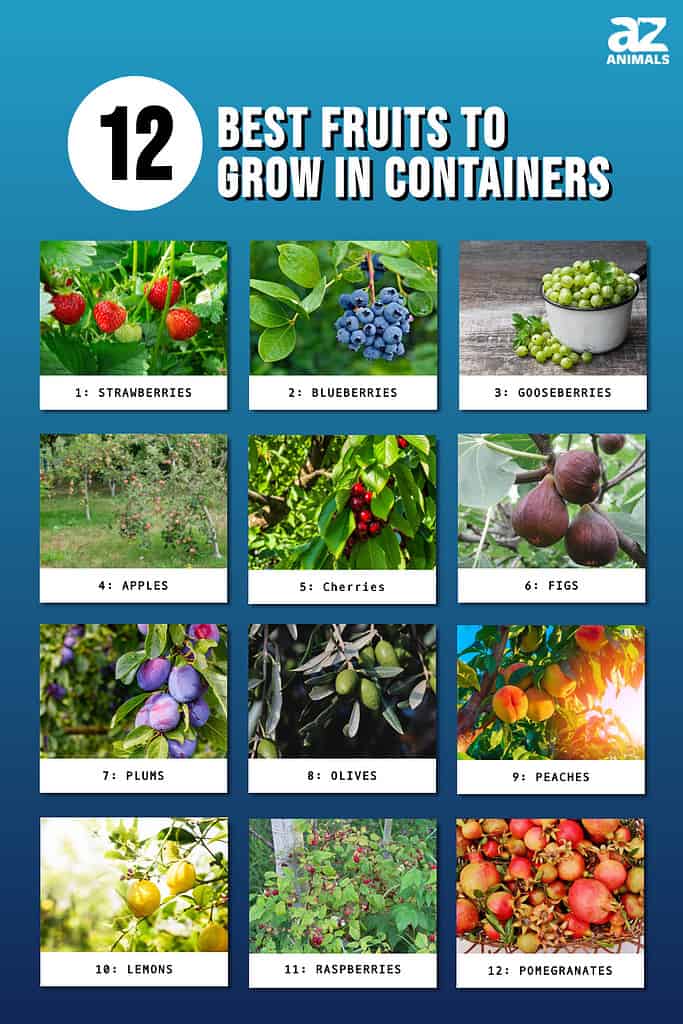
The Best Fruits To Grow In Containers: top picks and how to grow
These are proven winners. I have grown most of them in zones 6 to 9. Match the plant to your light and climate for best results. The Best Fruits To Grow In Containers give you a quick win and teach great skills.
Strawberries
- Best types: Day-neutral like Albion, Seascape, Mara des Bois
- Pot: 10 to 12 inches wide or a tower
- Notes: Feed often; renew plants every 2 to 3 years for top yields
### Blueberries
- Best types: Sunshine Blue, Top Hat, Bountiful Blue
- Pot: 10 to 18 gallons; use acidic mix
- Notes: Plant two for better fruit set; rainwater helps keep pH low
Raspberries
- Best types: Raspberry Shortcake, Heritage (primocane)
- Pot: 10 to 15 gallons with a small trellis
- Notes: Cut fruited canes each winter for primocane types
Blackberries
- Best types: Baby Cakes, Prime-Ark Freedom
- Pot: 10 to 15 gallons; sturdy cage
- Notes: Thornless types are safer on patios
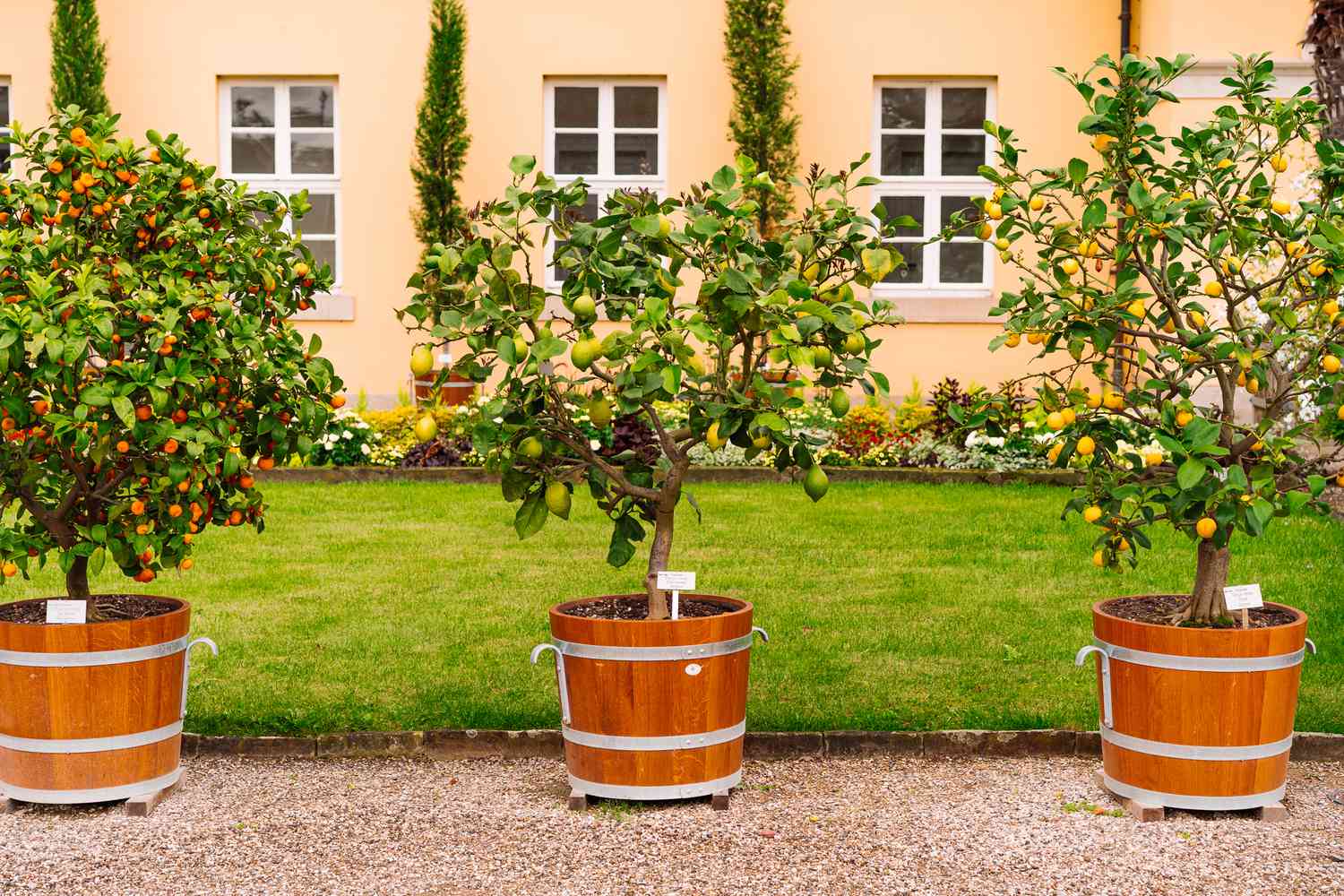
Meyer lemon and other citrus
- Best types: Meyer lemon, Calamondin, Kumquat
- Pot: 15 to 20 gallons; very well-drained mix
- Notes: Bring indoors below 40°F; use a citrus fertilizer with micros
Figs
- Best types: Little Miss Figgy, Petite Negra, Chicago Hardy
- Pot: 15 to 25 gallons
- Notes: Root restriction helps fruiting; protect in winter in cold zones
Dwarf apples
- Best types: Columnar (North Pole, Golden Sentinel) on M27 or M9
- Pot: 15 to 20 gallons with a stake
- Notes: Plant two compatible varieties for good pollination; avoid triploids in pots
Dwarf peaches and nectarines
- Best types: Bonanza, Nectar Babe, Nectazee
- Pot: 15 to 20 gallons
- Notes: Choose leaf curl resistant types where springs are wet
Cherries
- Best types: Stella, Lapins (self-fertile), bush cherries like Carmine Jewel
- Pot: 15 to 20 gallons
- Notes: Birds love them; net trees as fruit colors up
Pomegranates
- Best types: Parfianka, Eversweet; dwarf Nana is more ornamental
- Pot: 15 to 20 gallons
- Notes: Heat and sun drive sweetness; protect from hard freezes
Grapes
- Best types: Pixie Grapes, compact table varieties
- Pot: 15 to 25 gallons; trellis needed
- Notes: Prune hard each winter to renew fruitful canes
Passionfruit
- Best types: Frederick (Passiflora edulis)
- Pot: 15+ gallons with strong trellis
- Notes: Frost sensitive; great in zones 9 to 11 or in a sunroom
Pineapple
- Best types: Smooth Cayenne, Sugarloaf, MD2
- Pot: 3 to 7 gallons
- Notes: Likes heat and bright light; fruits in 18 to 24 months
Dwarf banana
- Best types: Super Dwarf Cavendish, Dwarf Orinoco
- Pot: 20+ gallons
- Notes: Needs heat, sun, and steady water; fruiting indoors is rare in cool zones
From my own patio trials, the Best Fruits To Grow In Containers that gave me fast wins were strawberries, blueberries, and Meyer lemon. Blueberries loved a tall, narrow pot and rainwater. Meyer lemon set fruit indoors by a sunny window with a small fan to move pollen.
Pollination, pruning, and training for pots
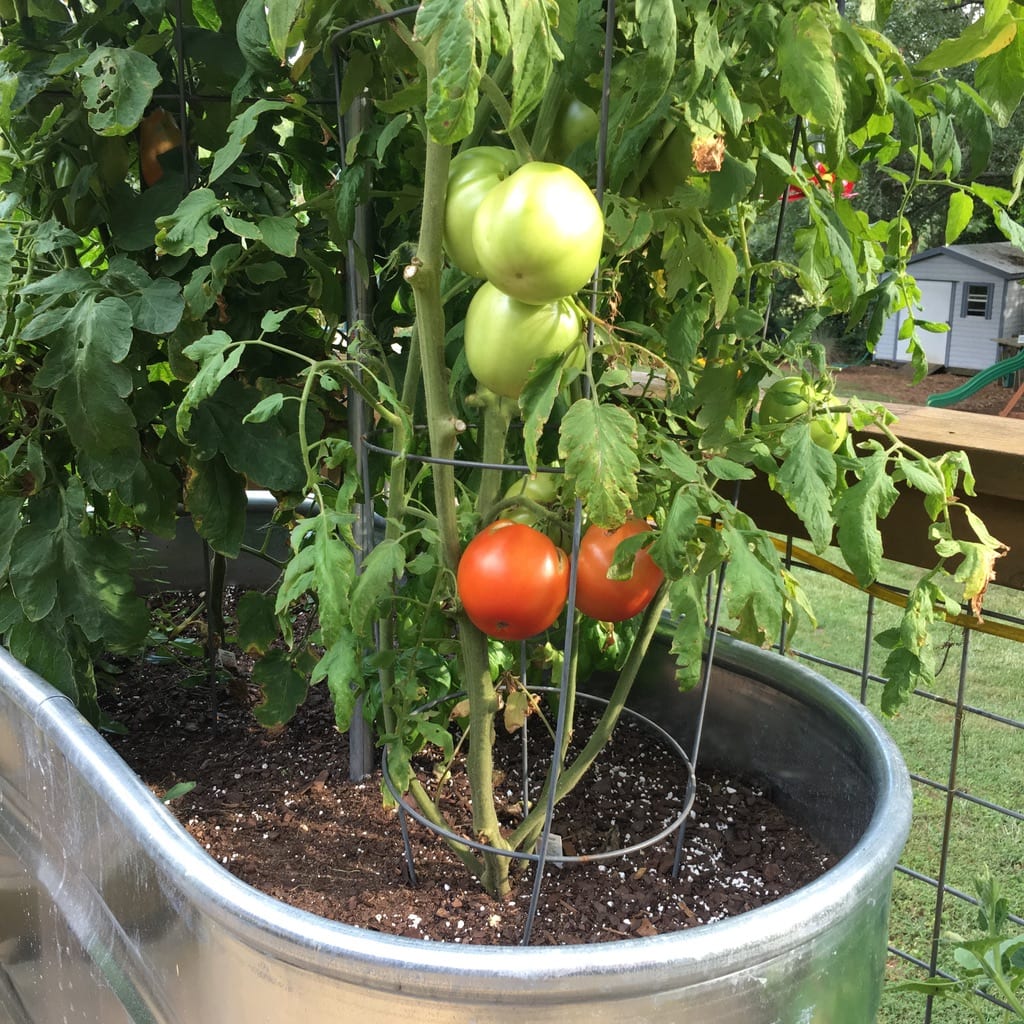
Good pollination means bigger, better fruit. Apples and many cherries need a partner that blooms at the same time. Blueberries set more fruit with two different varieties. Citrus and figs are mostly self-fertile, so one plant can fruit.
Prune to keep a small, strong frame. In winter, remove dead, crossing, or weak wood. For cane berries, cut fruited canes to the ground. Train columns and vines to a single stake or trellis to save space.
In a tight space, hand pollination helps. Use a soft brush and tap flowers on sunny, calm days. It takes minutes and can double set on some crops.
:max_bytes(150000):strip_icc()/growing-fruit-trees-in-containers-848164-hero-e26f2b4349304fef91656a11fe678d61.jpg)
Seasonal care and overwintering
Heat and cold are easier to manage in pots if you plan ahead. In summer, mulch and drip lines cut water stress. Light shade cloth helps in heat waves.
In winter, group pots against a wall and wrap with burlap. Move tender plants to a garage or porch when deep freezes hit. Keep soil barely moist; dry roots are at risk. Citrus needs bright light indoors and some humidity. A small fan keeps leaves healthy.

Pest and disease playbook for containers
Containers reduce soil disease, but pests still show up. Scout each week. Early action is easy action.
- Common issues
- Spider mites in heat; rinse leaves and raise humidity
- Aphids on new growth; knock off with water, then use insecticidal soap
- Scale on citrus; dab with alcohol and use horticultural oil
- Leaf curl on peaches; choose resistant types and apply dormant spray
- Root rot; prevent with fast-draining mix and careful watering
- Good habits
- Quarantine new plants for two weeks
- Clean pruners with alcohol
- Refresh top inch of soil each spring with compost
- Rotate pots a quarter turn weekly for even sun
Extension trials show that sanitation and correct watering solve most container fruit problems. Based on my years growing, 80% of issues were water-related. Fix drainage first, then feed and prune.
:max_bytes(150000):strip_icc()/GettyImages-2209140707-008e8bd2933148bfac33ef4fc412d6bd.jpg)
Expected yields and harvest timing
Yields vary with sun, pot size, variety, and age. These are typical once plants are established.
- Strawberries: 0.5 to 1.5 pounds per pot per season
- Blueberries: 2 to 5 pounds in a 10 to 15 gallon pot
- Raspberries or blackberries: 1 to 3 pounds per pot
- Meyer lemon: 10 to 30 fruits per year after year two
- Figs: 10 to 50 figs, often two crops in warm zones
- Columnar apples: 10 to 25 apples on a well-lit balcony
Harvest in the morning for peak flavor. Let fruit ripen on the plant when possible. The Best Fruits To Grow In Containers taste best when you pick at peak color and aroma.

Budget and setup checklist
You can start small and keep costs low. Here is a simple plan to launch and scale.
- Starter kit
- Two 10-gallon fabric pots
- One 15-gallon plastic pot with wheels
- Quality potting mix, pine bark, perlite, compost
- Slow-release fertilizer, liquid feed, mulch
- Two drip emitters and a timer
- Plant picks
- Blueberry pair for cross-pollination
- Day-neutral strawberry tower
- Meyer lemon for year-round interest
- Smart upgrades
- Moisture meter to avoid overwatering
- Lightweight dolly to move large pots
- Frost cloth for surprise cold snaps
With three containers you can test, learn, and adjust. This is the fastest path to master the Best Fruits To Grow In Containers without wasting time or money.
Fast answers: Best Fruits To Grow In Containers
What fruit gives the quickest harvest in pots?
Strawberries and raspberries fruit fast, often in the first season. Day-neutral strawberries can bear for months.
What is the easiest fruit tree for beginners?
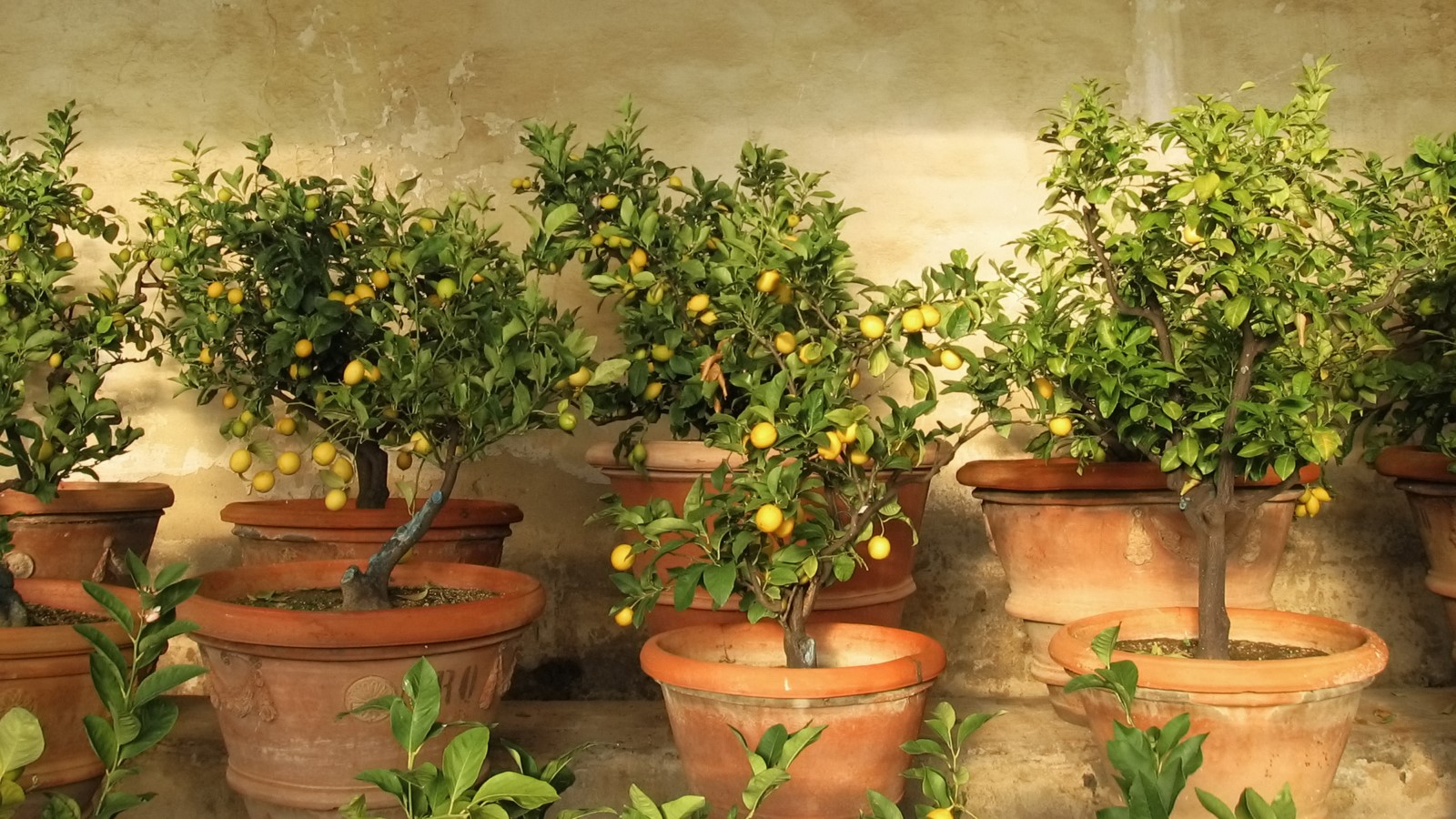
Meyer lemon and figs are very forgiving. They handle pruning and miss-watering better than many trees.
Can I grow fruit on a shaded balcony?
You need at least 4 to 6 hours of sun. Try strawberries, blueberries, and Meyer lemon in the brightest spot you have.
Frequently Asked Questions of Best Fruits To Grow In Containers
What size pot is best for a dwarf fruit tree?
Aim for 15 to 25 gallons for apples, peaches, and figs. Larger pots buffer heat and water swings.
Do I need two plants for pollination?
Some fruits are self-fertile, like figs and Meyer lemon. Apples, many cherries, and most blueberries fruit better with a partner.
How often should I water container fruit?
Water when the top inch of soil is dry. In hot weather, this can be daily; in cool seasons, every few days.
What is the best soil for container fruit?
Use a well-drained potting mix with bark, perlite, and compost. Avoid garden soil, which compacts and holds too much water.
How do I fertilize fruit in pots?
Use slow-release food in spring and a monthly liquid feed in growth. Citrus needs micronutrients like iron and magnesium.
Can I keep fruit outside all winter?
Hardy plants can stay out with protection. Move tender types like citrus and passionfruit indoors before hard freezes.
How long until I get fruit?
Berries can fruit the first year. Dwarf trees often need 1 to 3 years to give a good crop.
Conclusion
You can grow real fruit in small spaces with the right plan. Pick a few of the Best Fruits To Grow In Containers, match them to your light and climate, and use the simple care steps here. Start with berries or a Meyer lemon, add a fig, and build from there.
Your next step: set up three pots this week and plant a blueberry pair plus a day-neutral strawberry. Want more patio harvest tips? Subscribe for updates or drop your questions in the comments.