
As an Amazon Associate, I earn from qualifying purchases.
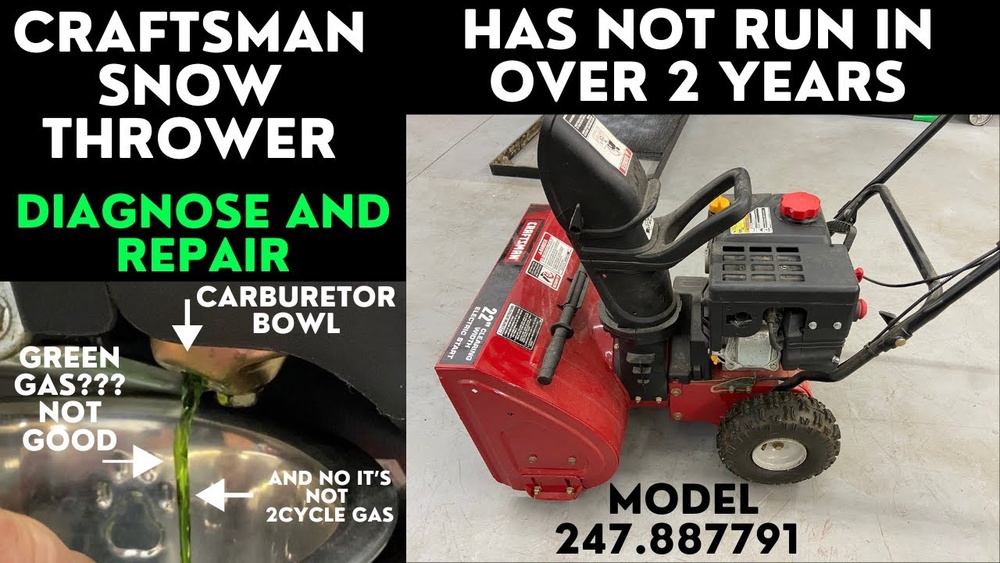
Is your Craftsman snowblower refusing to start just when you need it most? You’re not alone, and it can be incredibly frustrating.
When the cold hits and the snow piles up, the last thing you want is a machine that won’t cooperate. But don’t worry—help is here. You’ll discover simple, step-by-step solutions to get your snowblower running smoothly again. Keep reading, and you’ll be clearing snow in no time.
Common Reasons For No Start
Craftsman snowblowers sometimes fail to start. Many reasons can cause this problem. Knowing these common causes helps you fix the issue faster. This section covers the main problems behind a no-start condition. Understanding these points saves time and effort.
Fuel Issues
Old or bad fuel often stops the engine from starting. Gasoline can go stale after a few months. Dirt or water in the fuel tank blocks the fuel flow. Low fuel levels also cause the engine not to start. Always use fresh fuel and keep the tank clean.
Spark Plug Problems
The spark plug creates the spark needed to start the engine. A dirty or damaged spark plug stops this spark. Carbon build-up or cracks on the plug cause no spark. Check the plug regularly and replace it if worn out.
Carburetor Troubles
The carburetor mixes air and fuel for the engine. Clogged or dirty carburetors prevent proper fuel flow. Old fuel can gum up inside the carburetor. Cleaning or rebuilding the carburetor often solves the starting issue.
Battery And Electrical Faults
Electric start snowblowers depend on the battery and wiring. A dead or weak battery cannot power the starter motor. Loose or corroded electrical connections stop the current flow. Test the battery and check all wiring to ensure good contact.
Basic Checks Before Repair
Before starting any repairs on your Craftsman snowblower, it is important to perform some basic checks. These checks help find simple problems that stop the machine from starting. They save time and avoid unnecessary fixes. Follow these steps to make sure your snowblower is ready for repair or use.
Inspecting Fuel Quality
Old or bad fuel is a common reason for starting problems. Check the fuel tank for stale or dirty gasoline. Fuel that smells sour or looks cloudy should be replaced. Use fresh, clean fuel to fill the tank. This helps the engine run smoothly and start easily.
Checking Spark Plug Condition
The spark plug creates the spark needed to start the engine. Remove the spark plug and look for dirt, damage, or wear. A black, oily, or broken spark plug will stop the engine from firing. Clean or replace the spark plug to ensure proper ignition.
Examining Battery Charge
Your snowblower’s battery must have enough power to start the engine. Check the battery terminals for corrosion or loose connections. Use a voltmeter to test the battery charge. A low or dead battery needs to be charged or replaced for reliable starting.
Quick Fixes For Fuel Problems
Troubles with fuel often stop a Craftsman snowblower from starting. Fuel problems are common but easy to fix. Quick checks and simple steps can get your snowblower running fast. Focus on the fuel to save time and effort.
Here are quick fixes to handle fuel issues. These tips help clear old gas, add fresh fuel, and clean filters. Follow these steps to keep your snowblower ready for winter.
Draining Old Fuel
Old fuel can clog the engine and cause starting problems. Drain the gas tank completely to remove stale fuel. Use a siphon pump or open the drain valve if your model has one. Dispose of old fuel safely according to local rules. Empty the fuel tank before adding new fuel.
Refilling With Fresh Gas
Use fresh gas with the right octane level for your snowblower. Avoid gasoline with more than 10% ethanol. Ethanol can damage small engines and cause running issues. Fill the tank slowly to prevent spills. Fresh fuel improves engine start and performance.
Cleaning The Fuel Filter
The fuel filter traps dirt and stops it from entering the engine. A dirty filter can block fuel flow and stall the engine. Remove the filter carefully from the fuel line or tank. Clean it with a carburetor cleaner or replace it if damaged. Regular filter checks keep fuel flowing well.
Spark Plug Repair Tips
Troubleshooting a Craftsman snowblower that won’t start often begins with the spark plug. This small part plays a big role in starting your machine. Keeping it clean and in good condition can prevent many issues. Here are simple tips to repair the spark plug and get your snowblower running smoothly.
Removing And Cleaning Spark Plug
First, make sure the snowblower is off and cool. Use a spark plug socket wrench to remove the plug carefully. Check for dirt, oil, or carbon buildup on the plug. Clean the spark plug with a wire brush or spark plug cleaner. Wipe it clean with a dry cloth. Check the spark plug gap with a feeler gauge. Adjust the gap if needed, according to your snowblower’s manual. Reinstall the plug tightly but do not over-tighten.
Replacing A Faulty Spark Plug
If cleaning does not help, the spark plug may be faulty. Buy a new spark plug that matches your snowblower’s model. Remove the old plug using a spark plug socket wrench. Insert the new plug and tighten it firmly. Check the gap on the new plug before installing. A new spark plug helps the engine start better and run smoother. Regular replacement keeps your snowblower reliable during winter work.
Carburetor Cleaning Steps
Cleaning the carburetor is a key step if your Craftsman snowblower won’t start. Dirt and debris can block the fuel flow. This stops the engine from running smoothly or starting at all.
Follow these simple steps to clean the carburetor. This can bring your snowblower back to life without costly repairs.
Removing The Carburetor
First, disconnect the spark plug wire for safety. Locate the carburetor, usually near the engine’s air filter. Remove the air filter cover and the filter itself. Use a wrench to take out the bolts holding the carburetor. Carefully detach the fuel line and throttle link. Keep all parts in a safe place.
Cleaning Jets And Passages
Spray carburetor cleaner into the jets and small openings. Use a thin wire or needle to clear any blockages gently. Avoid damaging the delicate parts inside. Repeat the cleaning until no dirt or debris remains. Let the carburetor dry completely before moving on.
Reassembling And Testing
Put the carburetor back in its place. Reattach the fuel line, throttle link, and bolts. Replace the air filter and cover. Reconnect the spark plug wire. Start the snowblower to check if it runs smoothly. Clean the carburetor again if problems continue.
Battery And Electrical Solutions
The battery and electrical system play a key role in starting your Craftsman snowblower. Problems here can stop the machine from running. Checking these parts is an easy first step to fix the issue. This section covers how to handle the battery and wiring to get your snowblower working again.
Charging Or Replacing Battery
A weak or dead battery often causes starting problems. Use a charger to power the battery fully. Let it charge for several hours. Test the battery with a voltmeter to check its health.
If the battery does not hold a charge, it needs replacing. Buy a battery that matches your snowblower’s model. Install the new battery carefully, following the manual’s instructions. A fresh battery can solve many electrical start issues.
Inspecting Wiring Connections
Loose or damaged wires can stop the snowblower from starting. Look at all wiring connections for any signs of wear or corrosion. Tighten any loose connections with a wrench or pliers.
Replace wires that look cracked or broken. Clean any dirty terminals with a wire brush. Good wiring ensures the battery power reaches the engine properly.
Preventive Maintenance Tips
Keeping your Craftsman snowblower ready for winter means regular care. Preventive maintenance stops many starting problems early. Small tasks done often save time and money later. Follow these simple tips to keep your machine running smoothly.
Regular Fuel Replacement
Old fuel clogs the engine and stops it from starting. Use fresh gas every season to avoid this issue. Empty the tank after winter to prevent stale fuel buildup. Add fuel stabilizer if you store fuel for a long time. Clean fuel filters regularly for better flow.
Routine Spark Plug Checks
The spark plug lights the engine’s fire. Dirty or worn plugs make starting hard. Check your spark plug at least once a year. Clean the plug with a wire brush if dirty. Replace the plug if it looks damaged or worn out.
Scheduled Battery Care
Batteries lose power if not cared for properly. Check your battery’s charge before winter begins. Keep battery terminals clean and free of corrosion. Charge the battery fully after each use. Replace the battery if it no longer holds a charge well.

Frequently Asked Questions
Why Is My Craftsman Snowblower Not Starting?
Check the fuel level, spark plug, and choke position. Dirty parts often cause starting issues.
How Do I Fix A Flooded Engine On My Snowblower?
Remove the spark plug, let the engine dry, and try starting again.
Can Old Gasoline Cause My Snowblower Not To Start?
Yes, old gas can clog the carburetor and prevent starting. Use fresh fuel only.
What Maintenance Helps Prevent Snowblower Starting Problems?
Regularly clean the spark plug, change oil, and store with fresh fuel for best results.
Conclusion
A Craftsman snowblower not starting can be frustrating. Check the fuel, spark plug, and battery first. Clean or replace parts if needed. Regular maintenance helps prevent many issues. Small fixes often save time and money. Keep your machine ready for heavy snow.
Taking these steps brings your snowblower back to life. Stay safe and clear your paths quickly. Simple care makes winter chores easier and faster.