
As an Amazon Associate, I earn from qualifying purchases.
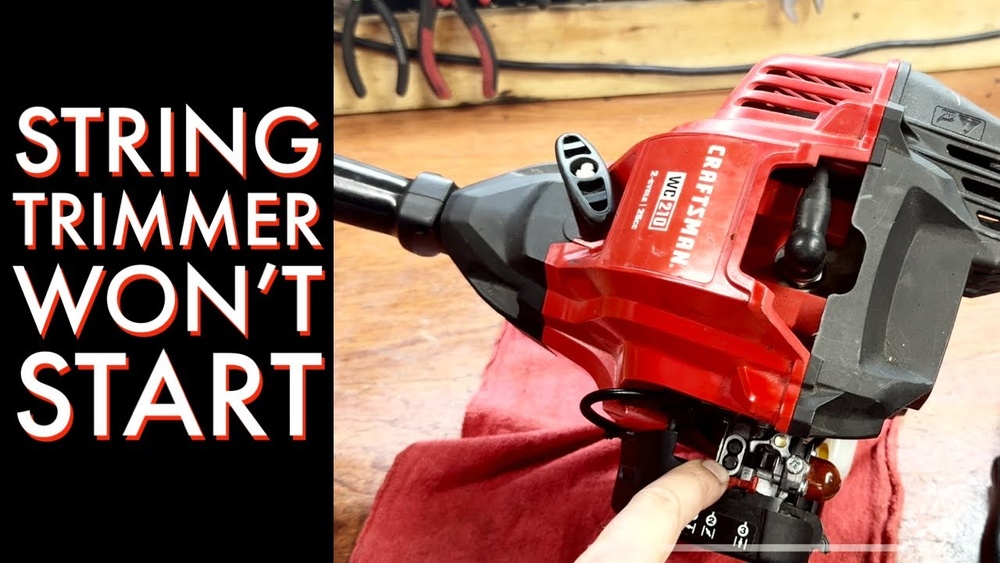
Is your Craftsman weed eater refusing to start just when you need it most? You’re not alone, and it can be incredibly frustrating.
Whether you’re gearing up for yard work or trying to finish a quick trim, a stubborn weed eater can slow you down. But don’t worry—understanding why it won’t start can save you time, money, and stress. You’ll discover simple, effective steps to diagnose and fix the problem so your weed eater runs smoothly again.
Keep reading, and get ready to bring your tool back to life with ease.

Common Causes Of Starting Issues
Craftsman weed eaters can fail to start for several reasons. Understanding common causes helps fix the problem fast. Many issues relate to fuel, spark, air, carburetor, or ignition system faults. Checking each part saves time and avoids frustration.
Fuel Problems
Old or bad fuel often stops the engine from starting. Fuel can get stale or contaminated with water. Using fresh, clean fuel is important for proper operation. Make sure the fuel tank has enough gas and the fuel line is clear.
Spark Plug Issues
A dirty or damaged spark plug prevents the engine from firing. The spark plug creates the spark needed to start the engine. Check the spark plug for dirt, wear, or cracks. Replace or clean the spark plug to restore ignition.
Air Filter Blockage
A clogged air filter limits airflow to the engine. Less air means the engine cannot start or runs poorly. Inspect the air filter and clean or replace if dirty. Clean air helps the engine breathe and start easily.
Carburetor Troubles
The carburetor mixes fuel and air in the right amount. Dirt or gunk can block carburetor parts and stop fuel flow. Cleaning or rebuilding the carburetor often fixes starting problems. Proper carburetor function is key for engine performance.
Ignition System Faults
Faulty ignition components stop the spark needed to start the engine. Problems may include broken wires or a bad ignition coil. Testing the ignition system helps find faults quickly. Repairing ignition faults restores the engine’s starting power.

Simple Troubleshooting Steps
Simple troubleshooting steps can help fix a Craftsman weed eater that will not start. These steps focus on common issues that stop the engine from running. They are easy to follow and do not need special tools. Taking time to check each part can save money and avoid frustration.
Checking The Fuel Supply
Fuel is the lifeblood of your weed eater. Old or bad fuel can stop the engine from starting. Drain any old fuel from the tank. Fill the tank with fresh, clean gasoline mixed with the right oil. Make sure the fuel valve is open if your model has one. Check the fuel line for cracks or leaks.
Inspecting And Replacing The Spark Plug
The spark plug creates the spark needed to start the engine. Remove the spark plug using a wrench. Look for signs of wear, dirt, or damage. Clean the spark plug with a wire brush or replace it if it looks bad. Set the gap to the size recommended in the manual. Reinstall the plug tightly but do not overtighten.
Cleaning Or Replacing The Air Filter
A dirty air filter blocks air flow and causes starting problems. Remove the air filter cover. Take out the filter and check for dirt or damage. Clean a foam filter with warm soapy water and let it dry. Replace paper filters with a new one if they look clogged. Always keep the air filter clean to ensure good engine performance.
Adjusting The Carburetor
The carburetor mixes fuel and air for the engine. If the mixture is wrong, the engine may not start. Locate the carburetor adjustment screws. Turn the screws slowly to adjust the fuel and air mix. Follow the settings in the user manual. Small adjustments can make a big difference. Be patient and test the engine after each change.
Testing The Ignition Coil
The ignition coil sends power to the spark plug. A faulty coil stops the spark and the engine. Use a spark tester or a multimeter to check the coil. If no spark shows, the coil may need replacement. This test helps confirm if the ignition system works well. Replace parts only if you are sure they are faulty.
Maintenance Tips To Prevent Startup Problems
Keeping your Craftsman weed eater in good shape helps it start easily every time. Regular maintenance stops many common startup problems. Simple care steps improve the tool’s life and performance.
Follow these maintenance tips to avoid trouble before it begins. Each task is quick and protects your weed eater from damage.
Proper Fuel Storage
Use fresh fuel for the best results. Old gas causes clogs and hard starts. Store fuel in a clean, sealed container. Keep it away from heat and sunlight. Use fuel stabilizer if storing for more than 30 days.
Regular Spark Plug Maintenance
Check the spark plug every few months. Remove dirt and carbon buildup with a wire brush. Replace the plug if it looks worn or cracked. A clean spark plug makes starting easier and the engine runs smoother.
Routine Air Filter Cleaning
Inspect the air filter often. Dust and debris block air flow and reduce power. Clean foam filters with warm, soapy water. Let them dry fully before reinstalling. Paper filters need replacement when dirty or damaged.
Seasonal Carburetor Care
Carburetors get clogged from old fuel. Clean the carburetor at the start of each season. Use a carburetor cleaner spray and follow instructions carefully. Proper carburetor care stops fuel flow problems and rough running.
Ignition System Checks
Test the ignition coil and wires regularly. Look for cracks or loose connections. Replace damaged parts quickly. A strong ignition system helps the engine fire up without delay.

When To Seek Professional Help
Knowing when to seek professional help can save time and avoid further damage to your Craftsman weed eater. Some problems need expert attention beyond basic fixes. Recognizing these signs helps you decide the right moment to call a technician.
Persistent Starting Failures
If your weed eater does not start after many attempts, it might need a professional. Repeated failures often point to deeper engine or fuel system issues. Experts can quickly identify and fix these problems to restore proper function.
Complex Engine Repairs
Major engine repairs require special tools and skills. Tasks like replacing pistons or fixing internal damage should not be done alone. Professionals have experience with these repairs and ensure the job is done safely and correctly.
Electrical System Diagnostics
Electrical problems can cause your weed eater not to start or run poorly. Testing the ignition coil, spark plug, or wiring needs technical knowledge. A professional can diagnose and repair electrical faults efficiently.
Frequently Asked Questions
Why Won’t My Craftsman Weed Eater Start?
Check the fuel, spark plug, and air filter. Dirty or old parts often cause starting issues.
How Do I Fix A Flooded Craftsman Weed Eater?
Remove the spark plug, dry it, and let the engine air out for 10 minutes before restarting.
Can A Bad Spark Plug Stop My Weed Eater?
Yes, a faulty spark plug can prevent the engine from igniting the fuel.
What Role Does The Air Filter Play In Starting Issues?
A clogged air filter blocks airflow, making it hard for the engine to start and run properly.
Conclusion
Troubleshooting your Craftsman weed eater can save time and money. Check the fuel, spark plug, and air filter first. Clean or replace parts as needed. Regular care keeps the weed eater running well. Don’t ignore small problems; they can get worse.
With patience, you can fix most starting issues yourself. Stay safe and follow the instructions carefully. A working weed eater makes yard work easier and faster. Keep your tool ready for the next job.