

As an Amazon Associate, I earn from qualifying purchases.
Fast growing houseplants are easy indoor plants that put on inches each month.
If you want instant green without the wait, this guide to Fast Growing Houseplants is for you. I’ve helped new plant parents turn bare rooms into lush spaces in one season. You’ll learn which plants speed up fast, how to care for them, and how to avoid the common pitfalls that slow growth.

What Are Fast Growing Houseplants?
Fast Growing Houseplants are indoor plants that add noticeable new leaves and length within weeks under good light. Many trail, climb, or bush out fast when you give them enough light, steady water, and regular feeding. Think pothos on a shelf, spider plant in a hanging pot, or a rubber plant racing to your ceiling.
Growth speed depends on light first, then water, temperature, and nutrition. Some species are wired to sprint. Others need a push. In my studio, I see pothos, philodendron, and tradescantia double in size in late spring under bright, indirect light and a consistent care routine.
How fast is “fast” indoors?
In bright, indirect light, many fast growers add 2 to 12 inches a month in spring and summer. Under grow lights, some vines can add even more.
Do fast growers stay small?
Most will outgrow small pots. Plan to prune, train, or repot every 6 to 12 months so they stay tidy and healthy.
Are fast growers beginner-friendly?
Yes. Many Fast Growing Houseplants are forgiving and bounce back from small mistakes. Start with pothos, spider plant, or heartleaf philodendron.

Benefits and Trade-offs of Fast Growing Houseplants
Fast growers give quick wins. But they also ask for a bit more upkeep. Here is what to expect.
- Benefits: Instant impact, easy propagation, better air movement around leaves, and fast recovery after pruning.
- Design perks: Quick privacy screens, fuller shelves, and fast-fill trellises and moss poles.
- Trade-offs: More pruning, more repotting, and more food and water. They can get leggy in low light and may attract pests if stressed.
From experience, the time you spend pruning is paid back with free cuttings. I often root extras and share them with friends or use them to fill thin spots.
Top Fast Growing Houseplants with Care Tips
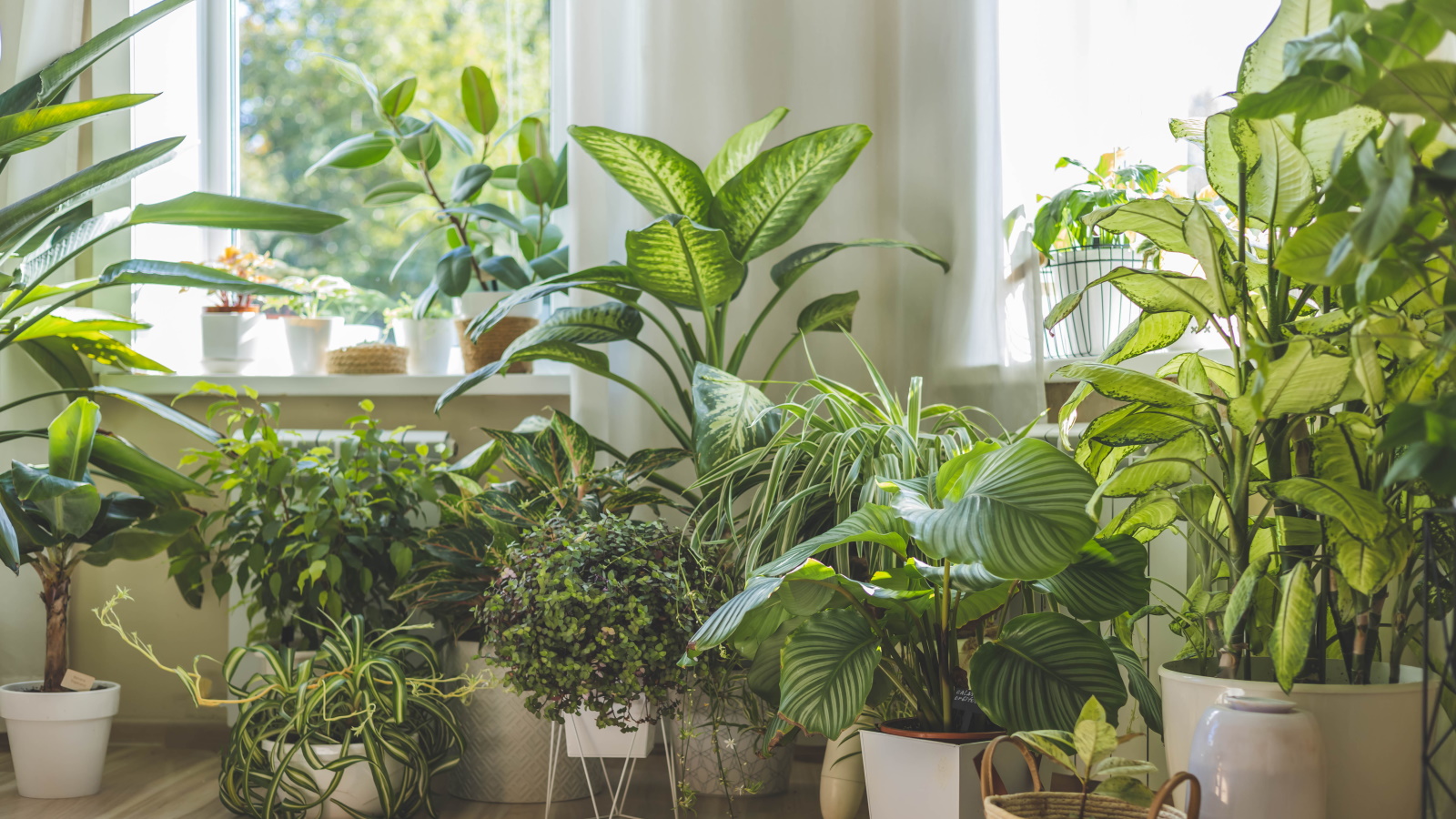
These are reliable, fast choices for most homes. Give them bright, indirect light for best speed.
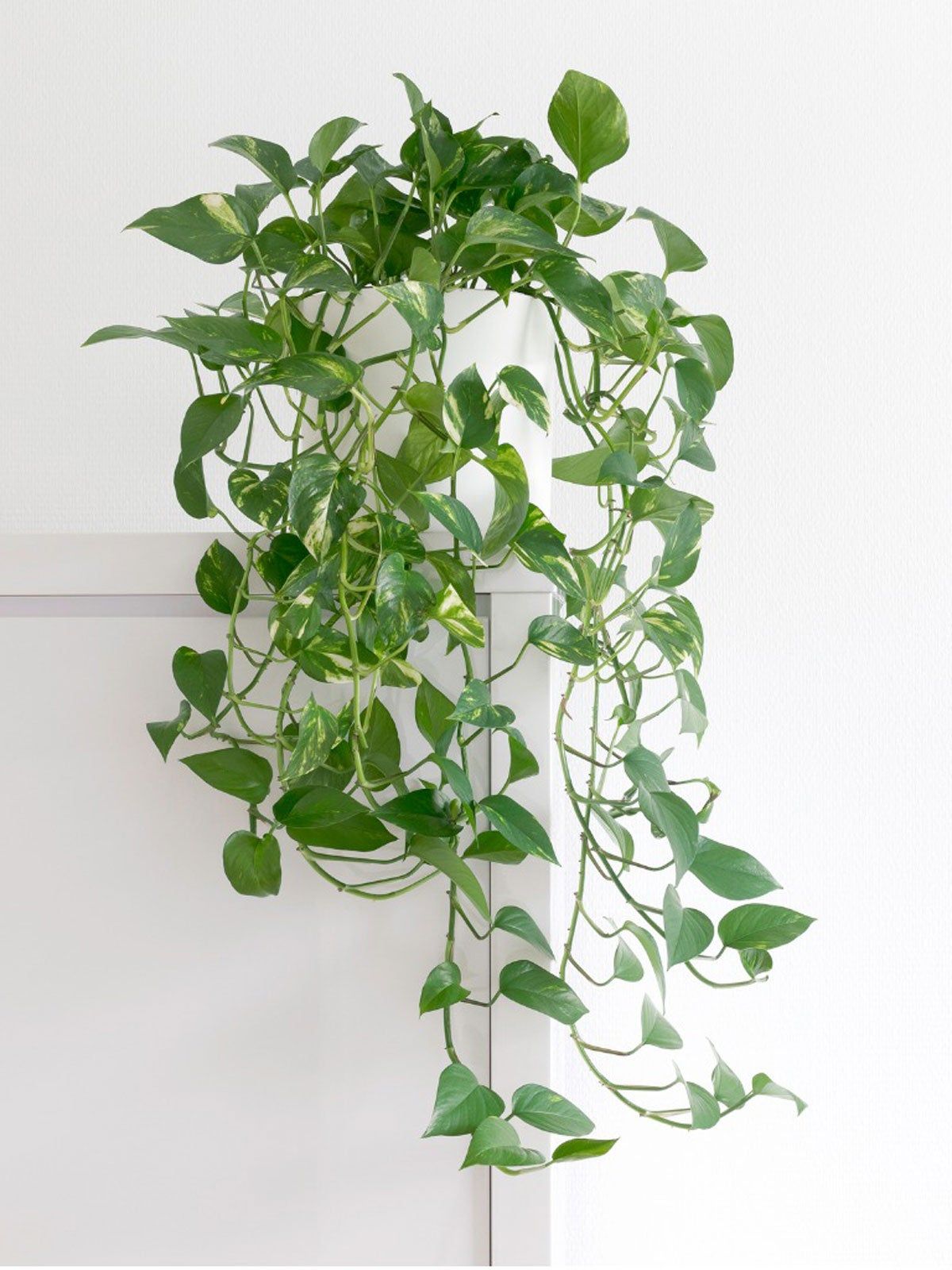
- Pothos (Epipremnum aureum). Trails fast and forgives missed waterings. Water when the top inch is dry. Feed lightly each watering in spring and summer. Easy to root in water or perlite.
- Heartleaf philodendron (Philodendron hederaceum). Soft vines and constant new leaves. Likes evenly moist soil that dries a bit between drinks. Climbs or trails well.
- Spider plant (Chlorophytum comosum). Pumps out plantlets on long stems. Water when half the pot feels dry. Flush salts monthly to prevent brown tips.
- Tradescantia zebrina and fluminensis. Very fast, colorful foliage. Bright light keeps colors strong. Pinch often for a dense plant. Watch for spider mites.
- Arrowhead vine (Syngonium podophyllum). Bushy at first, then climbs fast. Give a stake or moss pole. Keep soil slightly moist and rotate for even growth.
- Monstera adansonii. Swiss cheese vine with quick runners. Loves to climb. Higher humidity speeds leaf size and fenestrations.
- Rubber plant (Ficus elastica). With strong light, it can shoot up fast. Let the top couple inches dry before watering. Prune to set height and branch out.
- Dwarf umbrella tree (Schefflera arboricola). Fast, upright growth. Bright light keeps internodes short. Water when top inch is dry.
- English ivy (Hedera helix). Very fast but can be pest-prone indoors. Cool temps and bright light help. Inspect often for mites.
- ZZ plant (Zamioculcas zamiifolia). Notorious for low-light tolerance, but in bright light it grows fast. Let soil dry well. Feed lightly to encourage new stalks.
- Coleus (Solenostemon). Grows at lightning speed under bright light. Treat as an annual indoors or take cuttings and restart each season.
- Cane begonias (Angel wing types). Fast, tall canes with speckled leaves. Bright light and steady moisture push new canes and blooms.
Personal note: One summer, a single golden pothos on a window shelf grew six feet and three new vines under a budget grow light. The secret was bright light all day and weekly quarter-strength feeding.
:strip_icc()/103298735_preview-fa9117161c4548a1a0bff59de029c995.jpg)
Light, Water, Soil, and Fertilizer for Speed
Light is the gas pedal. More light (without harsh midday sun) equals faster growth and tighter, fuller plants.
- Light targets: Bright, indirect light near an east or south window with a sheer curtain. Under grow lights, aim for a cool-white or daylight spectrum for 12 to 14 hours daily.
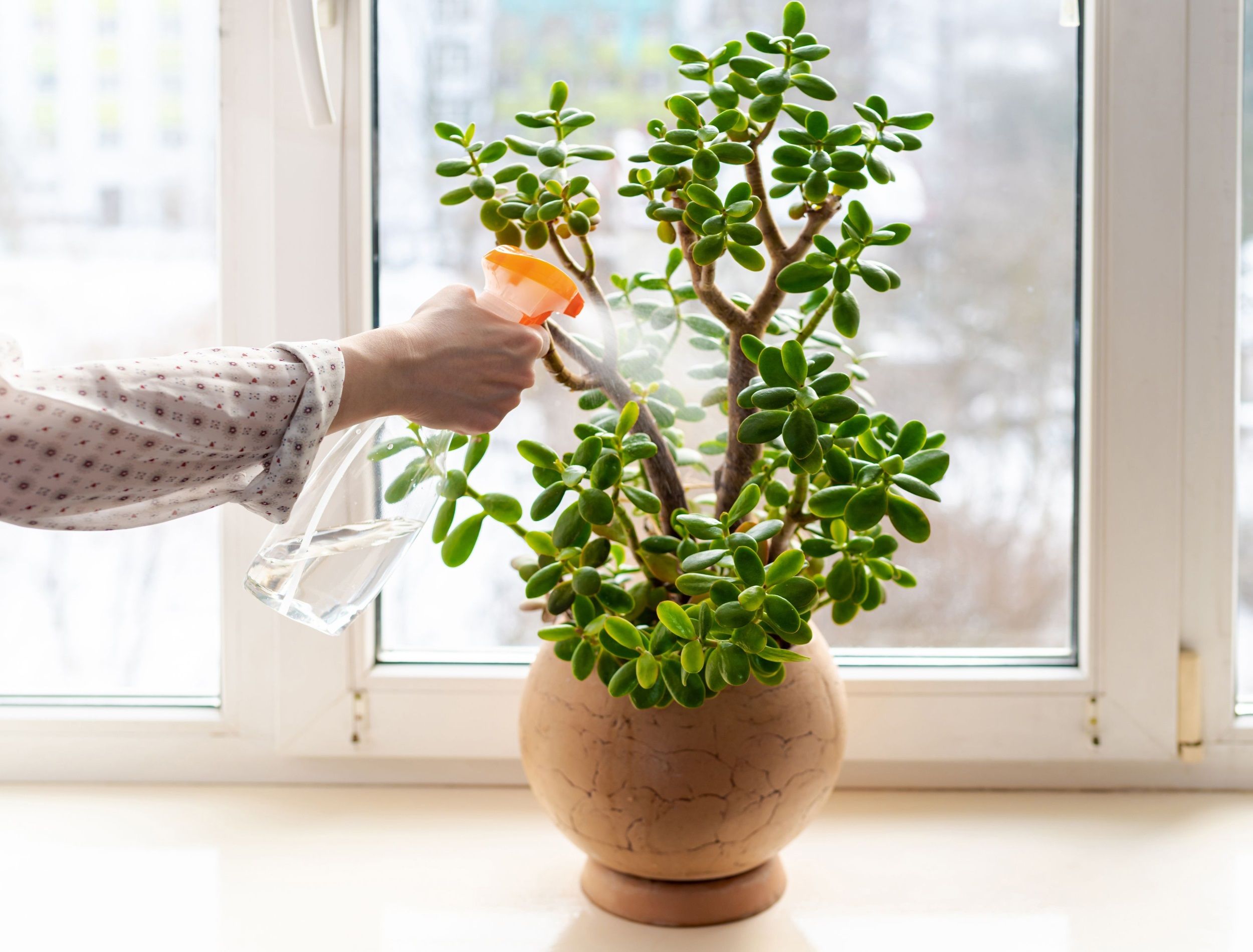
- Water: Water deeply until it drains. Then wait until the top inch or two is dry, based on the plant. Lift the pot; water when it feels much lighter.
- Soil: Use a fast, airy mix so roots can breathe. Try 2 parts peat-free potting mix, 1 part perlite, and 1 part fine bark. A small handful of worm castings per pot adds gentle nutrients.
- Fertilizer: In spring and summer, feed with a balanced liquid fertilizer at half strength every 2 to 4 weeks. Leach with plain water monthly to prevent salt build-up.
A simple rule I teach: better light first, then feed. Fertilizer will not fix low light. It only helps when the plant has energy to use it.
Propagation: More Plants, Faster
Fast Growing Houseplants make propagation simple and fun. You can fill your space or share plants in weeks.
- Stem cuttings: Cut below a node. Remove lower leaves. Root in water, perlite, or damp sphagnum. Pot up when roots are 2 to 3 inches long.
- Division: Split clumping plants like spider plants and ZZ plants. Use a clean knife. Repot each division with fresh mix.
- Offsets and plantlets: Spider plant babies and pilea pups root fast. Clip and place into moist soil for instant starts.
- Best media: Perlite and water work for easy roots. Sphagnum moss helps with fussier vines. Keep warm and bright, not sunny.
Pro tip from my bench: I get the fastest roots by using a small clear cup with damp perlite, a vented lid, and bright light. Roots form faster than in water and transplant with less shock.

Pruning, Training, and Repotting to Manage Growth
Fast growers look best with a little grooming. Think of it like a haircut and a workout plan.
- Pinch and prune: Snip just above a node to trigger branching. Do small trims often rather than one big chop.
- Train to climb: Give vines a trellis, hoop, or moss pole. Climbing increases leaf size and speeds growth on many aroids.
- Repot smart: Move up 1 to 2 inches in pot diameter when roots circle or watering frequency spikes. Do not overpot, which slows roots and can cause rot.
- Rotate plants: Turn a quarter turn every week for even growth and fewer leggy stretches.
I once let a tradescantia run wild. It looked thin and sad. After a hard prune and weekly pinches, it turned into a dense, colorful cushion in a month.
Common Problems and Fast Fixes
Fast Growing Houseplants can stall if one care step is off. Use these quick checks.
- Leggy growth: Light is too low. Move closer to a bright window or add a light.
- Yellow lower leaves: Likely overwater or poor drainage. Let soil dry more and repot in a chunkier mix.
- Crispy tips: Low humidity, salts, or fluoride in tap water. Flush the pot and consider filtered water.
- Slow growth in summer: Check for rootbound pots, low light, or nutrient gaps. Feed lightly and refresh soil.
- Pests: Spider mites love tradescantia and ivy. Inspect weekly. Rinse leaves, isolate, and treat with a gentle miticide or soapy water as needed.
A weekly “60-second check” saves headaches: look under leaves, test soil with a finger, and scan for webs or spots. Catching issues early keeps growth on track.
:max_bytes(150000):strip_icc()/GettyImages-2171342500-8107507213174698bc75f38ac8dd4ffa.jpg)
Seasonal Care and Realistic Growth Expectations
Plants sprint in spring and summer, then jog or rest in fall and winter. Adjust care to match the season.
- Spring and summer: More light and longer days. Water and feed more often. Expect vines like pothos to add 4 to 12 inches a month.
- Fall: Growth slows. Stretch waterings and reduce feeding by half.
- Winter: Short days and cool air. Hold fertilizer. Keep plants away from cold drafts and heat vents. Water sparingly but do not let them bone-dry for too long.
If growth stalls in winter, that is normal. I keep a small timer on my grow lights for 12 hours daily. It keeps Fast Growing Houseplants active without stress.
Design Ideas and Everyday Uses
Fast growers are your best stylist friends. They fill space fast and can be shaped to fit your room.
- Quick privacy: Train pothos or philodendron on a grid or pole to screen a workspace.
- Shelf drama: Let tradescantia and pothos trail in layers for a waterfall look.
- Statement corner: Stake a rubber plant or monstera by a bright window for a tall focal point.
- Gifts on demand: Root spider plant babies or pothos cuttings in jars. Pot and gift in two to four weeks.
I love pairing slow plants with a fast vine. The fast one fills the gaps while the slow one matures, making the whole display look lush right away.
Frequently Asked Questions of Fast Growing Houseplants
What makes a plant grow fast indoors?
Bright, indirect light and an airy mix power roots and leaves. Warm temperatures and steady feeding support that growth.
Which Fast Growing Houseplants are best for beginners?
Start with pothos, spider plant, and heartleaf philodendron. They are forgiving and recover well from small mistakes.
How often should I fertilize fast growers?
Feed lightly every 2 to 4 weeks in spring and summer. Skip or reduce feeding in fall and winter.
Do I need a grow light?
If your window is dim, a simple LED grow light helps a lot. Aim for 12 to 14 hours daily for steady growth.
How do I keep vines from getting leggy?
Increase light and pinch the tips to promote branching. Train on a trellis or pole to keep nodes tight.
Can fast growers clean the air?
They can help, but not as a complete solution. You would need many plants to make a big difference.
Conclusion
Fast Growing Houseplants deliver quick joy, quick foliage, and quick wins. Choose the right species, boost light, keep soil airy, and feed lightly in the growing season. Prune often, propagate freely, and enjoy a home that gets greener every week.
Pick one fast grower today, set it near bright light, and follow the simple steps above. Ready for more? Subscribe for care guides, grab our printable checklist, and share your favorite fast grower in the comments.