
As an Amazon Associate, I earn from qualifying purchases.
Use an axe, hand saw, wedges, and a winch, with strict safety steps.
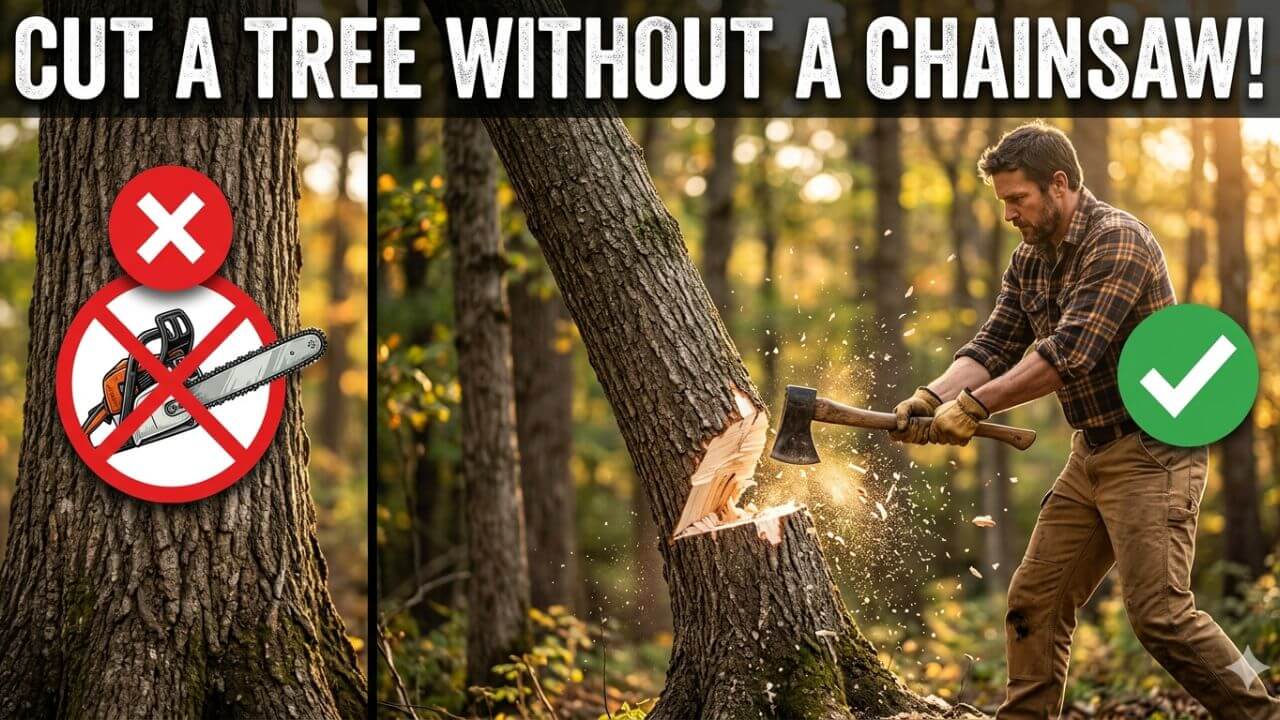
If you want to know How To Cut Down A Tree Without A Chainsaw, you’re in the right place. I’ll walk you through safe, proven methods, the tools that work, and the steps I use in the field. You’ll learn how to plan the fall, make clean cuts, and stay in control from start to finish.
Safety and legal checks before you start
Cutting a tree is risky. Slow down, plan, and gear up. Your goal is control, not speed.
Wear a hard hat, eye protection, gloves, long sleeves, and boots with good grip. Use ear protection if you swing a maul or hammer wedges. Keep a first-aid kit close.
Scan the site. Look for power lines, buildings, fences, traffic, pets, and people. If lines are near, do not cut. Call the utility. Check wind and ground slope. Plan two clear escape paths at 45 degrees behind the tree.
Check the tree. Note lean, dead branches, rot, and cracks. Dead, split, or big leaning trees are pro jobs. Get permits if your city needs them. Take a partner for spotting and help.
Work with sharp tools. Dull tools slip and bind. Keep your phone charged and on you.

Tools you can use instead of a chainsaw
When you study How To Cut Down A Tree Without A Chainsaw, good tools make the work safe and smooth. Pick the right setup for the tree size and the space you have.
Core cutting tools:
- Axe or felling axe for notches and back cuts on small trees.
- Bow saw or pruning saw for stems up to about 8–10 inches.
- Two-man crosscut saw for larger trunks and faster cuts.
- Rope saw or pocket chainsaw for high limbs from the ground.
Control and support tools:
- Felling wedges (plastic) to hold the back cut open and guide the fall.
- Maul or heavy hammer to drive wedges.
- Hand winch or come-along with a strong rope for pull and direction.
- Throw line and weight to place rope high in the crown.
- Snatch block or pulley to change pull angle if needed.
Helpful extras:
- Measuring tape or stick to size hinge and notch.
- Chalk or lumber crayon to mark cuts.
- Hand pruners and loppers for clearing brush around the base.
How To Cut Down A Tree Without A Chainsaw: step-by-step plan
This plan keeps you safe and gives you control. It also fits most small to mid trees. You can use How To Cut Down A Tree Without A Chainsaw with one of the tool sets below.
- Clear the base. Remove brush and small limbs at shoulder height and below.
- Choose a fall path. Aim for clear ground with room for the crown to land.
- Set an escape. Two paths, 45 degrees back from the fall line.
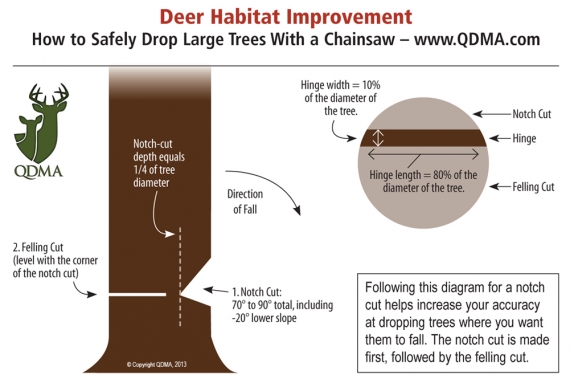
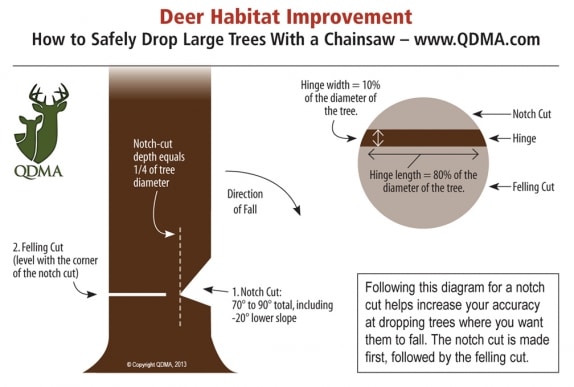
- Decide notch type. Use an open-face notch for best control.
- Set a rope high if you will pull. A higher tie gives more leverage.
- Cut the notch. Leave a straight floor to form a clean hinge.
- Start the back cut. Place it slightly above the notch floor.
- Drive wedges as you saw or chop. Keep the kerf open. Prevent pinching.
- Add steady pull with a winch or rope if used. Do not yank.
- Retreat on the planned path as the tree starts to go.
- Wait for full stop. Then start limbing and bucking.
Work slow. Keep the hinge about 10 percent of trunk diameter. That hinge steers the tree.

Method 1: Axe and wedges
How To Cut Down A Tree Without A Chainsaw works well with an axe if the tree is small and sound. This method suits softwoods and straight stems under about 10–12 inches.
Steps:
- Stand to the side of your swing. Set a wide stance.
- Cut the notch on the fall side. Make the top and bottom cuts clean and meet at the back.
- Move to the back cut. Start slightly above the notch floor.
- As the cut opens, tap in a plastic wedge.
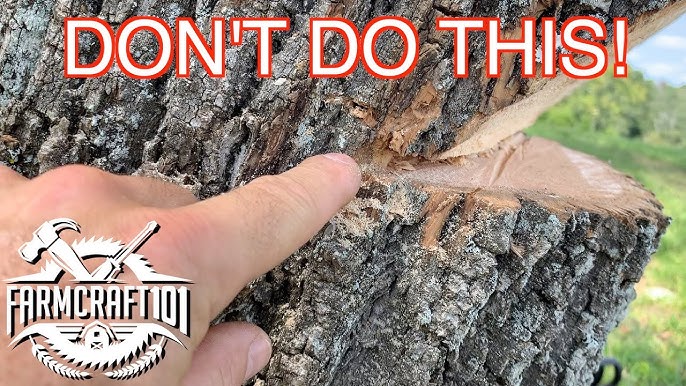
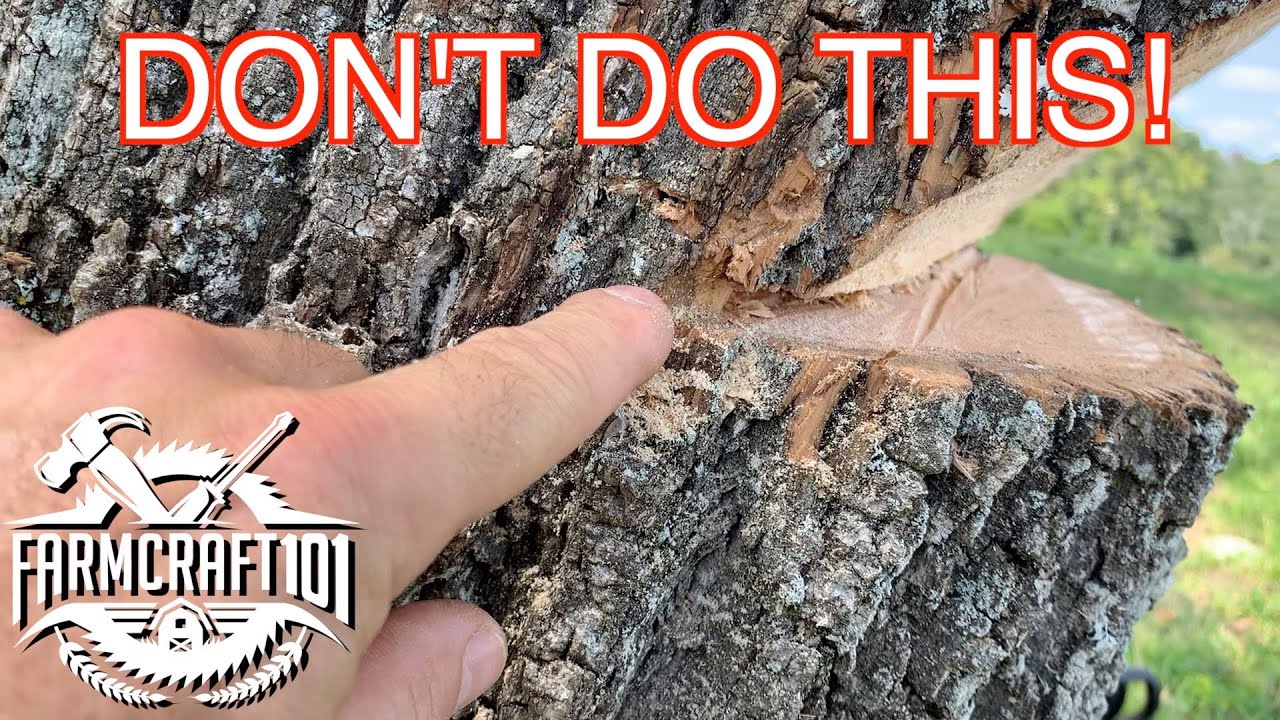
- Keep the hinge intact. Do not chop it through.
- Drive the wedge until the tree starts to lean and go.
Tips:
- Sharpen the axe often. A keen edge bites and stays on line.
- Use two wedges if the kerf starts to close.
- If the axe glances, stop and reset your feet and angle.

Method 2: Hand saws (bow saw or crosscut)
You can do How To Cut Down A Tree Without A Chainsaw with a bow saw for small trunks, or a two-man crosscut for larger trunks. Saws make clean kerfs and clear hinges.
Steps:
- Cut the open-face notch first. Keep the floor flat.
- Start the back cut on the opposite side. Cut level and steady.
- Insert wedges early to avoid binding.
- Saw until the hinge guides the tree to move.
- Step back on your escape path at the first creak.
Tips:
- Use a fresh blade with raker teeth for green wood.
- Keep the saw straight. Twisting binds the blade.
- Use long, smooth strokes. Let the teeth do the work.
Method 3: Rope saw or pocket chainsaw from the ground
How To Cut Down A Tree Without A Chainsaw can also mean using a rope saw over a high limb to drop sections first. This is great for tight yards where you must reduce the crown.
Steps:
- Use a throw line to place the rope over a limb.
- Pull the rope saw up and seat it on the branch.
- Stand clear. Use a slow, even pull with both ends.
- Drop limbs in small pieces to manage weight.
- Once the crown is light, fell the stem with an axe or bow saw.
Tips:
- Wear a helmet. Even small limbs hurt if they drop on you.
- Never cut large limbs over power lines or roofs. Hire a pro.
Method 4: Winch or come-along to guide the fall
You can make How To Cut Down A Tree Without A Chainsaw much safer by adding a controlled pull. A hand winch adds steady force that beats raw muscle.
Steps:
- Anchor the winch to a solid tree or vehicle anchor point.
- Tie a strong rope high in the target tree with a running bowline.
- Pre-tension the line in the fall direction.
- Cut the notch and start the back cut.
- Add wedges. Keep the hinge intact.
- Crank the winch slowly until the tree commits and goes.
Tips:
- Use rated gear. Check working load limits.
- Use a snatch block to change angle if you lack a straight pull.
After the fall: limbing, bucking, and cleanup
Wait for dust and branches to stop moving. Scan for tension in limbs. Spring poles can whip fast.
Limbing:
- Stand on the uphill side of the trunk.
- Cut branches from the base toward the top.
- Keep your legs clear of kickback paths.
Bucking:
- Support logs so the saw or axe does not bind.
- For top-bound logs, cut from below first, then from above.
- Roll heavy pieces with a cant hook or peavey. Do not lift with your back.
Stack wood off the ground for dry air flow. Chip or compost small brush. Leave a small habitat pile if you can. It helps wildlife.

Common mistakes and how to avoid them
If you rush, you lose control. The tree will choose the fall for you.
Avoid these mistakes:
- Skipping wedges. This causes binding and loss of control.
- Cutting the hinge too thin or severing it. You lose steering.
- Ignoring lean and wind. The tree will barber chair or twist.
- Working alone or near lines. Too risky.
- Using dull tools. You will tire and your cuts will wander.
Keep the plan simple. How To Cut Down A Tree Without A Chainsaw works best when you focus on control, not speed.
Real-world lessons from the field
On a small spruce in a narrow yard, I used a bow saw, two wedges, and a come-along. I lightened the crown with a rope saw first, then took the trunk with a wide open-face notch. The hinge held, and the winch eased it down right on the pad.
I’ve also learned to stop when the kerf talks. If I hear crackles in the back cut, I pause, add a second wedge, and reset the pull. That small step has saved hinges and kept cuts clean.
The biggest win with How To Cut Down A Tree Without A Chainsaw is patience. Small, steady moves beat force every time.
Frequently Asked Questions of How To Cut Down A Tree Without A Chainsaw
Is it legal to cut a tree on my property without a chainsaw?
Laws vary by city and county. Some trees need permits or notice. Check with your local office before you start.
How big of a tree can I fell with hand tools?
Many DIYers handle trees up to 10–12 inches with hand tools. Larger, dead, or leaning trees are best for a pro crew.
What size should the hinge be?
Aim for a hinge about 10 percent of the trunk diameter. Keep the hinge straight and uncut to steer the fall.
Can I fell a tree alone?
You should not. Have a spotter, and keep others well away. A second person can watch the crown and help in a pinch.
Are metal wedges okay to use?
Use plastic wedges for felling to avoid blade strikes and kickback. Metal wedges are better for splitting, not for live kerfs.
How do I control the fall without a chainsaw?
Use an open-face notch, wedges, and a pre-tensioned winch line. A higher tie-in point gives more leverage and control.
What if the saw binds in the back cut?
Do not yank it out. Tap in a wedge to open the kerf, then continue the cut. Recheck your notch and hinge.
Conclusion
You can do this job with care, a plan, and the right tools. Use a clean notch, protect the hinge, and guide the fall with wedges and steady pull. Keep your focus on control and safety at every step.
If you are set to try your first small tree, start with a bow saw, wedges, and a helper. Want more tips on How To Cut Down A Tree Without A Chainsaw and safe yard projects? Subscribe, ask a question, or share your own lessons below.