
As an Amazon Associate, I earn from qualifying purchases.
Are you tired of seeing crabgrass take over your lawn every spring? You’re not alone.
Crabgrass spreads quickly, making your beautiful yard look messy and unkempt. But don’t worry—getting rid of crabgrass doesn’t have to be a struggle. You’ll discover simple and effective ways to stop crabgrass before it ruins your lawn. Keep reading, and you’ll learn how to protect your grass and enjoy a lush, green yard all season long.
Identifying Crabgrass Early
Spotting crabgrass early in spring helps stop it before it spreads. Early detection makes removal easier and protects your lawn. Knowing how to identify this weed can save time and effort.
Recognizing Crabgrass Traits
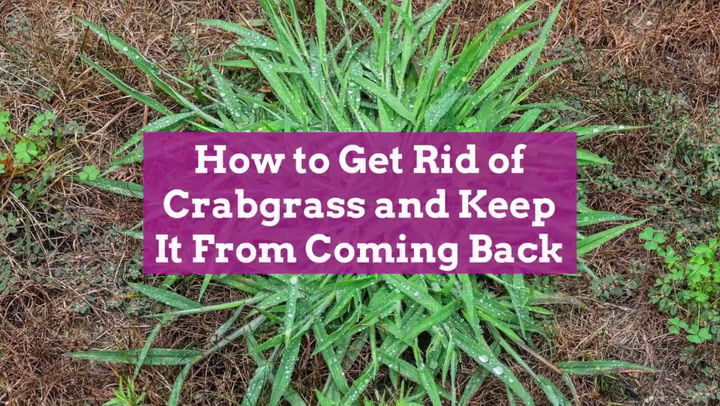
Crabgrass has wide, flat blades that grow low to the ground. The leaves often have a light green color with a rough texture. Its stems spread out like fingers from a central point. The grass grows quickly and forms thick patches. Look for seed heads that resemble small crab claws.
Spotting Common Growth Areas
Crabgrass loves bare or thin spots in your lawn. It often appears near walkways, driveways, and garden edges. Areas with poor soil or low grass cover are prime spots. It also grows in compacted or dry soil where grass struggles. Check these places regularly for early signs of crabgrass.
Preparing Your Lawn
Preparing your lawn is the first step to control crabgrass in spring. A healthy lawn stops crabgrass from growing. Proper lawn care makes your grass stronger and thicker. It also helps herbicides work better. Start with a clean and healthy lawn base.
Clearing Debris And Thatch
Remove leaves, sticks, and dead grass from the lawn. This debris blocks sunlight and traps moisture. It creates a perfect place for crabgrass seeds to grow. Use a rake or leaf blower to clear the area. Thatch is a layer of dead grass and roots. If it is thicker than half an inch, remove it with a dethatching rake. Clearing thatch improves air and water flow to the soil.
Aerating The Soil
Soil compacts over time, making it hard for grass roots to grow. Aeration creates small holes in the soil. This helps air, water, and nutrients reach the roots better. Use a lawn aerator or a garden fork for this task. Aerate your lawn especially in high-traffic areas. Healthy roots mean strong grass that can fight off crabgrass.
Choosing The Right Herbicide
Choosing the right herbicide is key to controlling crabgrass in spring. The right product stops crabgrass before it grows or kills it after it appears. Knowing the difference helps pick the best solution for your lawn. Herbicides come in two main types: pre-emergent and post-emergent. Each works differently to protect your grass.
Pre-emergent Options
Pre-emergent herbicides stop crabgrass seeds from sprouting. Apply these before the soil warms up, usually early spring. They create a barrier that stops new crabgrass growth. Use products with active ingredients like pendimethalin or prodiamine. These work best in well-prepared soil. They do not harm existing grass if used as directed.
Apply pre-emergent evenly across the lawn. Water it in lightly to activate the herbicide. Timing is important; too late means crabgrass may already grow. Early application keeps your lawn safe all spring and summer.
Post-emergent Solutions
Post-emergent herbicides kill crabgrass after it sprouts. Use these if crabgrass is already visible. They work by targeting the weed’s leaves and roots. Common active ingredients include quinclorac and fenoxaprop. Spray them directly on the crabgrass for best results.
Apply post-emergent herbicides on calm, dry days. Avoid spraying when rain is expected. This ensures the product stays on the weeds longer. Multiple treatments may be needed for heavy infestations. Follow label instructions carefully to protect your lawn.
Applying Treatments Correctly
Applying treatments correctly is important to stop crabgrass from growing in your lawn. Using the right methods helps protect your grass and keeps it healthy. Proper application saves time and money. It also makes the treatment more effective.
Timing Your Applications
Apply crabgrass treatments early in spring. This is before crabgrass seeds start to grow. The best time is when soil temperature reaches about 55°F for several days. Check local weather to know the right time. Applying too late means crabgrass may already grow. Too early can waste the product.
Safe Application Techniques
Wear gloves and protective clothing when applying chemicals. Avoid windy days to stop spray from drifting. Use a spreader or sprayer for even coverage. Follow the instructions on the label carefully. Do not apply more than recommended. Water your lawn lightly after treatment to help absorption. Keep children and pets away until the lawn is dry.
Natural Alternatives To Herbicides
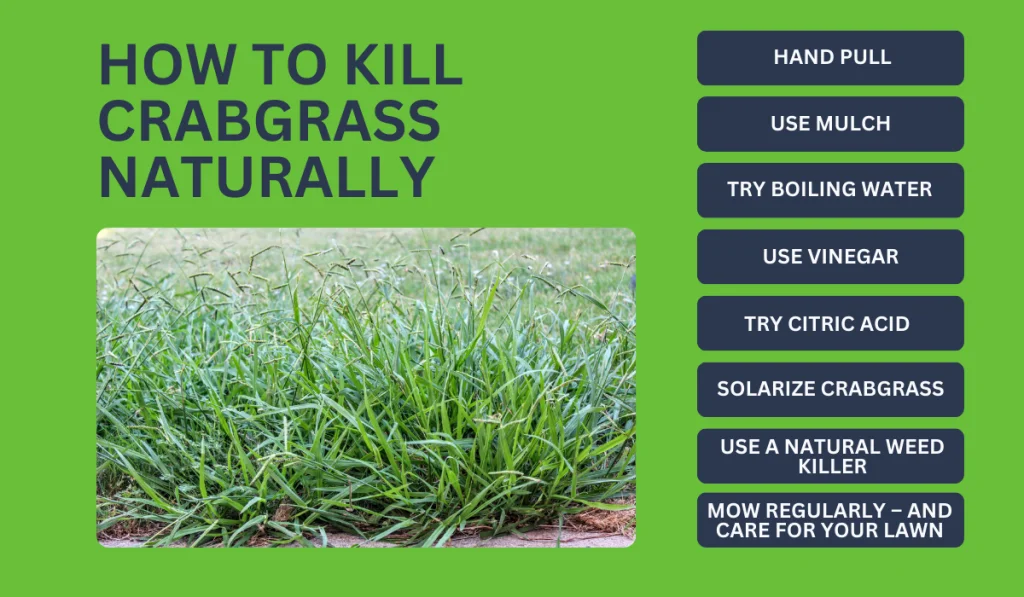
Natural alternatives to herbicides offer safe and eco-friendly ways to control crabgrass. These methods protect your lawn and the environment. They use simple household items and good lawn care habits. This helps keep your yard healthy and green without chemicals.
Using Vinegar And Boiling Water
Vinegar is a natural weed killer. Spray white vinegar directly on crabgrass leaves. It burns the leaves and stops growth. Use on a dry, sunny day for best results.
Boiling water works by cooking the crabgrass roots. Pour boiling water carefully on the weeds. This method kills crabgrass without harming nearby plants. Use with caution around grass you want to keep.
Promoting Healthy Grass Growth
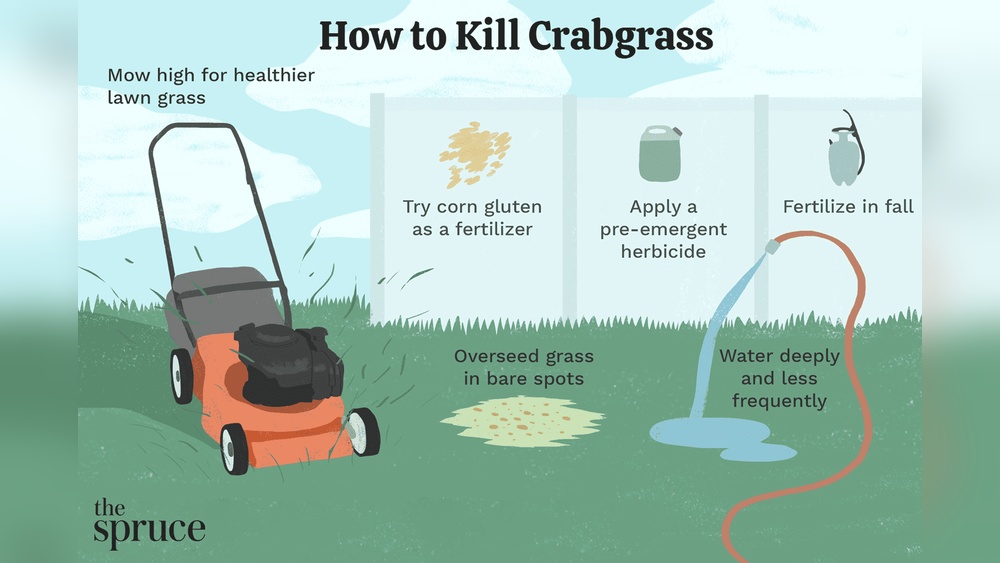
Strong grass naturally fights crabgrass. Mow your lawn at the right height to shade soil. This stops crabgrass seeds from growing.
Water deeply but less often. This encourages deep grass roots. Healthy roots compete better against crabgrass.
Fertilize your lawn with balanced nutrients. Healthy grass grows thick and crowds out weeds. Regular lawn care reduces crabgrass problems.
Maintaining A Crabgrass-free Lawn
Maintaining a crabgrass-free lawn needs steady care and smart habits. Crabgrass grows fast and spreads quickly. Stopping it early keeps your grass healthy and green. Good lawn care creates a strong turf that fights weeds naturally.
Regular Mowing Practices
Mow your lawn often to keep grass at the right height. Cut no more than one-third of the grass blade each time. Taller grass shades the soil, stopping crabgrass seeds from sprouting. Sharp mower blades make clean cuts that reduce stress on grass.
Proper Watering And Fertilizing
Water deeply but less often to encourage strong roots. Early morning is the best time to water. Use fertilizer with the right nutrients for your grass type. Balanced feeding helps grass grow thick and crowd out crabgrass. Avoid over-fertilizing, which can make weeds grow faster.

Frequently Asked Questions
How Early Should I Treat Crabgrass In Spring?
Start treatment as soon as soil temperature hits 55°F. Early action stops crabgrass before it grows.
What Is The Best Way To Prevent Crabgrass Naturally?
Use mulch and keep lawn thick. Healthy grass blocks crabgrass seeds from sprouting.
Can Crabgrass Come Back After Treatment In Spring?
Yes, crabgrass can return. Regular lawn care and follow-up treatments help keep it away.
Conclusion
Controlling crabgrass starts with early action and regular care. Keep your lawn healthy by watering and mowing properly. Use the right herbicides to stop crabgrass before it spreads. Remember, patience is key; results take time. Stay consistent with these steps for a green, crabgrass-free lawn this spring.
Your efforts will pay off with a cleaner, healthier yard.