
As an Amazon Associate, I earn from qualifying purchases.
Provide bright sun, warm air, fast draining soil, and simple weekly care.
If you want sweet citrus at home, you can do it. I have helped many people learn how to grow an orange tree indoors, even in small spaces. In this guide, I will show you what works, what fails, and how to avoid pain. You will learn strong, simple steps that lead to flowers, fruit, and a happy indoor tree.
:max_bytes(150000):strip_icc()/how-to-grow-citrus-indoors-tree-getty-0723-15a2ccc1f3b6498e9f022b7898523df9.jpg)
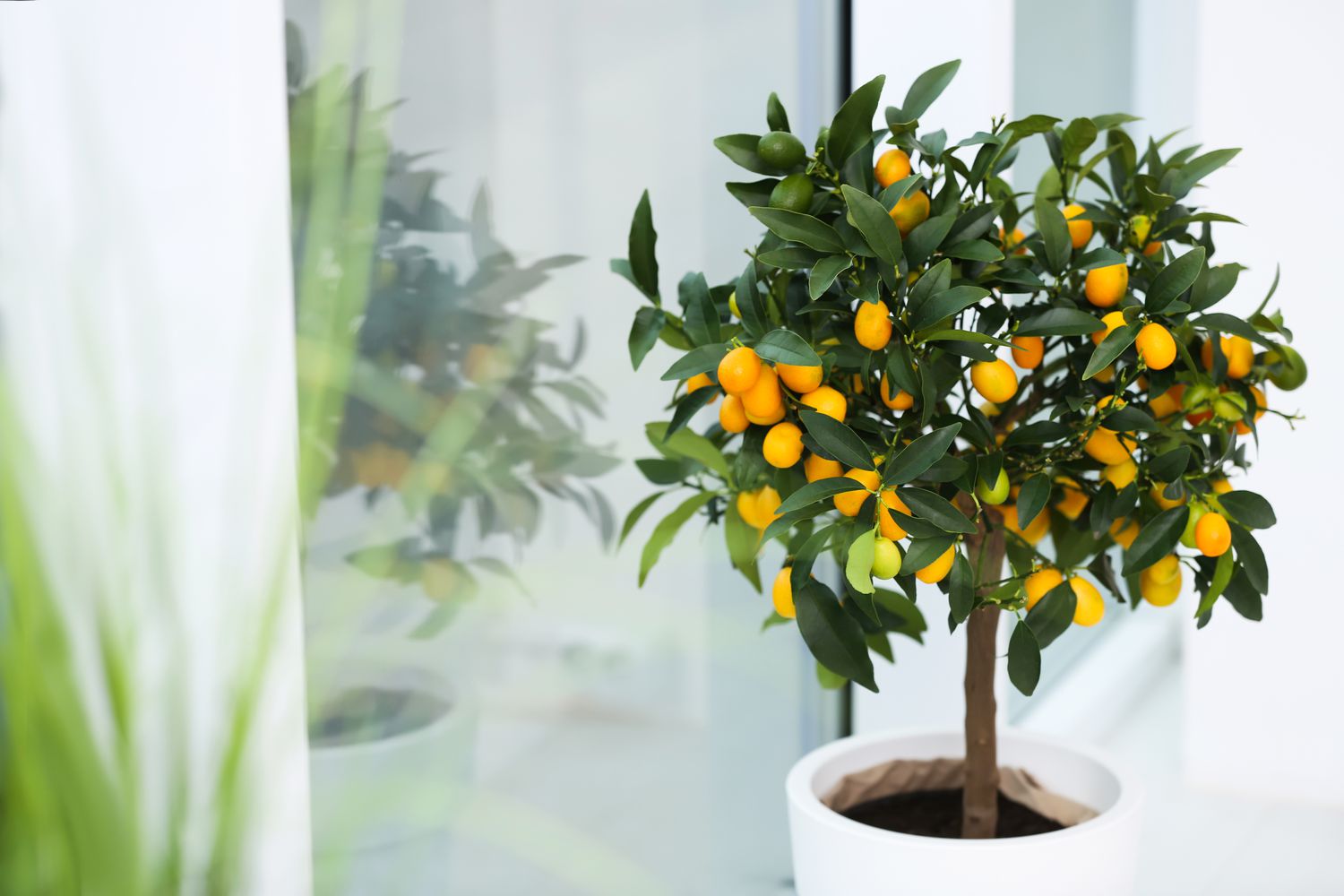
Start here: the best indoor orange trees
Small, grafted trees give the fastest and most reliable fruit indoors. Choose dwarf or semi-dwarf types on compact rootstock. Seed-grown trees take years and may not match the parent fruit.
Good choices I use and see thrive:
- Calamondin (compact, very fruity, great for marmalade and drinks)
- Kishu mandarin (tiny, seedless, sweet, easy to peel)
- Satsuma mandarin (cool-tolerant, sweet, fewer seeds)
- Trovita orange (sweet, handles lower light better than many navels)
- Dwarf Washington Navel (classic flavor, needs strong light)
Tips that save time:
- Buy a grafted tree at least 2 to 3 years old.
- Check the tag for dwarf or semi-dwarf.
- Inspect leaves and stems for pests before you bring it home.
Use this as your base plan for how to grow an orange tree indoors. Start with the right plant and you skip half the battle.
Source: umn.edu
Light: the non‑negotiable
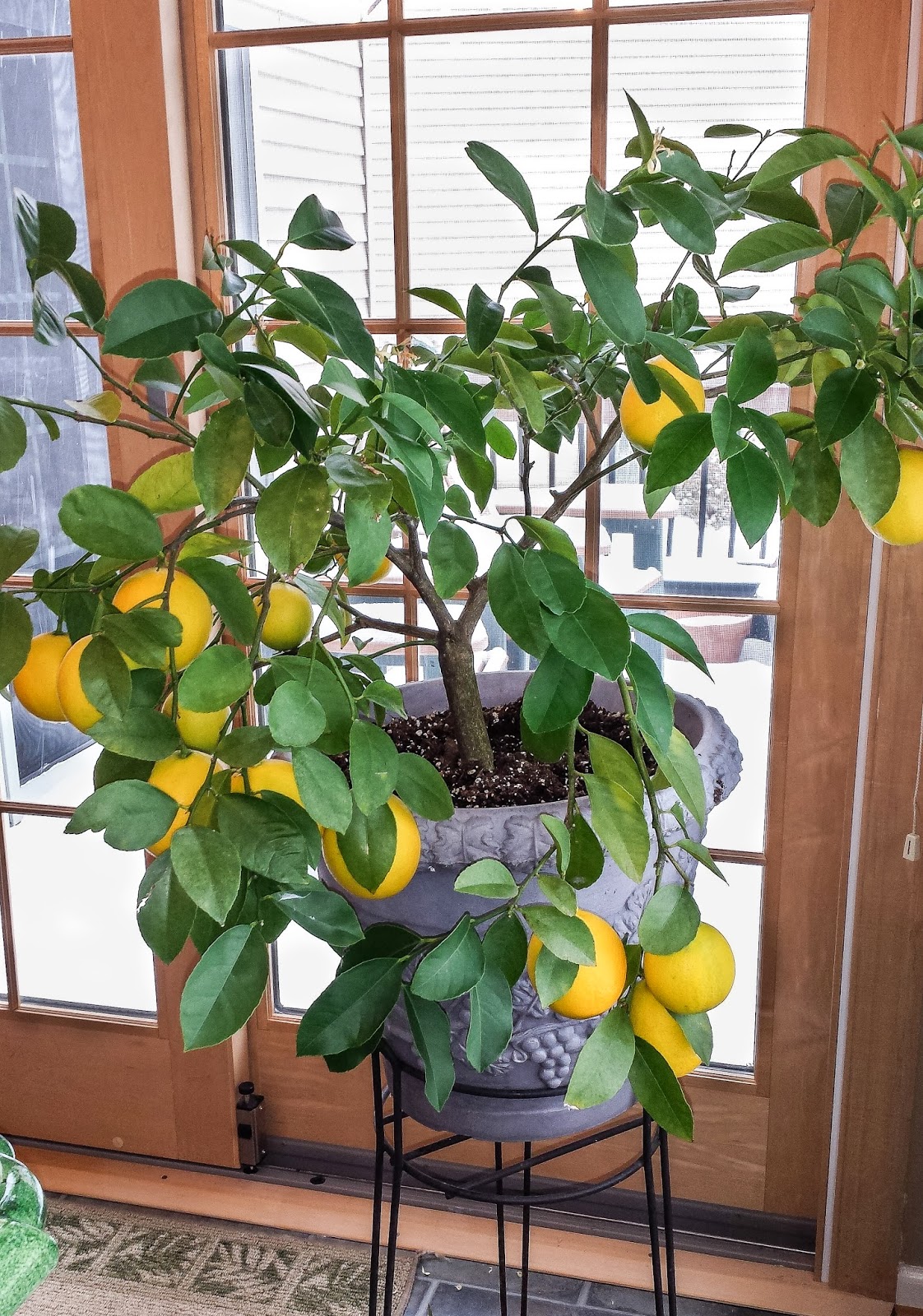
Orange trees crave sun. Indoors, aim for 6 to 8 hours of direct light by a south window. If that is not possible, add a grow light.
What works best in my rooms:
- Full-spectrum LED, 5000K to 6500K
- 12 to 14 hours per day on a smart timer
- Keep the light 8 to 14 inches above the top leaves
Simple moves that boost growth:
- Rotate the pot a quarter turn each week.
- Wipe dust from leaves every two weeks.
- Keep curtains open and trim nearby plants that block sun.
If you want a sure path for how to grow an orange tree indoors, set the light first. Light fixes many problems before they start.
:max_bytes(150000):strip_icc()/GettyImages-11755527141-c4ecba9d20cf4d7bb185dfacc6645dd1.jpg)
Source: marthastewart.com
Pot, mix, and drainage
Roots need air. Water must leave fast. A heavy, soggy mix will stunt or kill citrus.
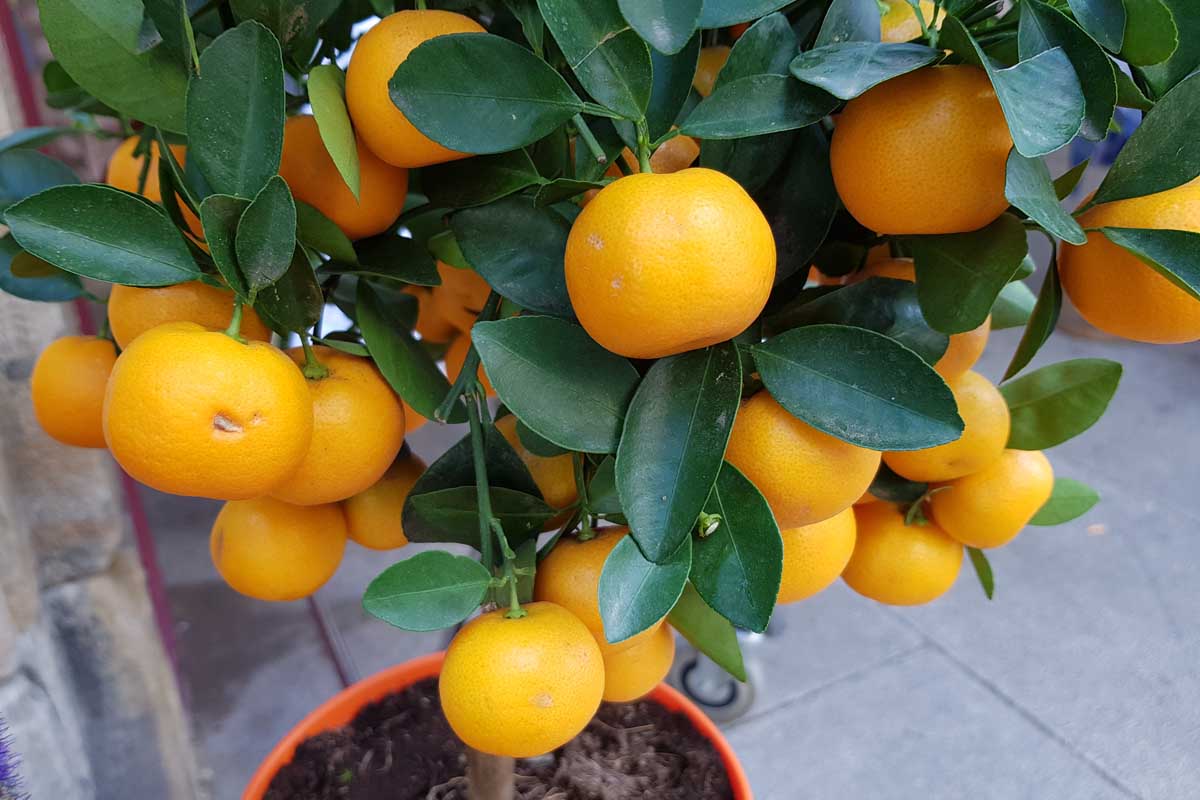
Use a pot with many holes. Start with 3 to 5 gallons for a young dwarf tree. Move up to 7 to 10 gallons as it grows.
Reliable mixes I use:
- 50% pine bark fines, 30% perlite, 20% peat or coco coir
- Or a bagged cactus and citrus blend with extra perlite added
Key points:
- Target pH 5.5 to 6.5.
- Add a pinch of slow-release citrus food to the top after potting.
- Set the pot on a saucer with pebbles so the base never sits in water.
A good mix and pot are core to how to grow an orange tree indoors. Think fluffy, not dense.
Source: gardenerspath.com
Water and humidity made simple
Overwatering is the top killer. Underwatering slows fruit set. Aim for even moisture.
My fast test:
- Check the top 1 to 2 inches. If dry, water.
- Lift the pot. If it feels very light, water.
- Water until liquid flows from the bottom. Then empty the saucer.
Keep indoor humidity near 40% to 60%. Dry air invites spider mites and leaf drop.
Easy ways to raise humidity:
- Use a small cool-mist humidifier.
- Group plants together.
- Use a pebble tray with water below the pot base.
This steady routine forms the heart of how to grow an orange tree indoors without stress.
:max_bytes(150000):strip_icc()/how-to-grow-citrus-indoors-tree-window-getty-0723-bf97599eae474838bb691d307ea5058f.jpg)
Source: marthastewart.com
Temperature and airflow
Citrus loves mild warmth. It dislikes big swings.
Simple targets that work:
- Day: 65 to 75°F
- Night: 55 to 65°F
- Keep away from heat vents and cold drafts
Airflow helps leaves stay dry and clean. A small fan on low, not blowing hard on the plant, cuts pests and mold.
Summer tip:
- If nights are above 55°F, move the tree outside in bright shade.
- Give it more sun over 10 to 14 days.
- Bring it back in before nights fall below 55°F.
These steps keep fruit from dropping and are key for how to grow an orange tree indoors year-round.

Source: iastate.edu
Feeding, pruning, and repotting
Citrus are hungry plants. They also need trace minerals to keep leaves green.
Use a citrus fertilizer with:
- Higher nitrogen
- Iron, magnesium, manganese, zinc, and boron
My feeding plan:
- Spring to early fall: liquid feed every 2 to 4 weeks, or slow-release per label
- Winter: feed lightly every 6 to 8 weeks if the plant is under lights, else pause
Prune after harvest or late winter:
- Remove dead or weak twigs.
- Thin crowded branches so light reaches the center.
- Pinch tips to keep shape and size in check.
Repot every 2 to 3 years:
- Trim 10% to 20% of the outer roots if the pot must stay the same size.
- Refresh with new mix.
- Flush the pot with clear water every 2 months to wash out salt.
Good feeding and tidy pruning are central to how to grow an orange tree indoors and get steady crops.

Source: purewow.com
Flowers, pollination, and fruit set
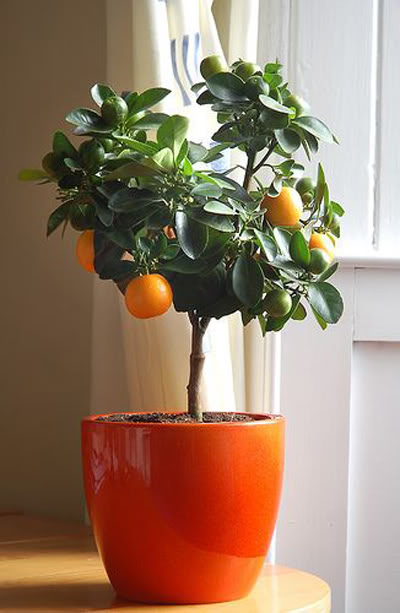
Most oranges are self-fertile. Indoors, you still may need to play bee.
How I hand-pollinate:
- On day one of bloom, use a soft brush or cotton swab.
- Gently touch each flower center and move to the next.
- Do this daily while blooms are open.
Expect some fruit drop. That is normal. Thin heavy clusters so each branch holds what it can bear.
Rules that prevent drop:
- Keep light strong and steady.
- Water on schedule, not in bursts.
- Do not shift the pot while fruit is marble-size.
Follow these and you master how to grow an orange tree indoors from bloom to juicy fruit.
Source: jennykomenda.com
Pests and problems
Indoor citrus attracts a few common pests. Catch them early and they are easy to beat.
Watch for:
- Spider mites: tiny red dots, dusty webbing, speckled leaves
- Scale: brown bumps on stems and leaves
- Mealybugs: white fluff in leaf joints
- Aphids: soft green or black insects on new growth
- Fungus gnats: tiny flies from wet soil
What works for me:
- Quarantine new plants for two weeks.
- Wipe leaves with soapy water, then rinse.
- Use horticultural oil or insecticidal soap weekly for 3 to 4 weeks if needed.
- Yellow sticky cards for flying pests.
- Let the top soil dry more to stop gnats.
Nutrient clues:
- Yellow leaves with green veins point to iron issues. Use a chelated iron drench.
- Even yellowing may be low nitrogen. Resume balanced feeding.
- Curling, dull leaves often signal low light.
Fast action builds trust in your setup and is a smart part of how to grow an orange tree indoors without drama.

Source: plantingtree.com
A simple year-round care calendar
Jan to Mar
- Keep under lights. Water when the top inch is dry.
- Light feeding if growth continues.
- Inspect for mites in dry air.
Apr to Jun
- New growth and bloom start.
- Begin regular feeding. Hand-pollinate blooms.
- Move outside once nights are warm.
Jul to Sep
- Long days fuel fruit growth.
- Water more often. Keep airflow strong.
- Thin heavy clusters to protect branches.
Oct to Dec
- Bring plants in before cool nights.
- Reduce water and feed as growth slows.
- Enjoy color and harvest on winter blooms or late fruit.
This steady rhythm shapes how to grow an orange tree indoors and still sync with the seasons.
Step-by-step: how to grow an orange tree indoors
- Pick a dwarf, grafted variety suited to pots.
- Place it where it gets direct sun, or add a grow light on a timer.
- Pot in a fast draining citrus mix with ample holes.
- Water only when the top 1 to 2 inches are dry. Empty the saucer.
- Keep temps near 70°F by day and 60°F by night.
- Feed with citrus fertilizer rich in micronutrients during active growth.
- Prune for shape and light. Clean leaves and check for pests weekly.
- Hand-pollinate blooms. Thin fruit if branches bend.
- Repot every 2 to 3 years and refresh soil.
- Track what works. Adjust light, water, and feed with the seasons.
Do these steps and you master how to grow an orange tree indoors with confidence.
Common mistakes to avoid
- Too little light. This causes weak growth, no bloom, and fruit drop.
- Overwatering. Roots suffocate and rot. Use a light, airy mix.
- Skipping micronutrients. Leaves yellow and growth stalls.
- Big temperature swings. Buds and fruit abort after drafts.
- No airflow. Mites and mold move in fast.
Avoid these and you remove most roadblocks to how to grow an orange tree indoors.
Real-life lessons from my indoor grove
I once kept a dwarf Trovita by a bright window but no fan. Mites showed up in two weeks. A small desk fan fixed it, and I never had a breakout again.
My Kishu set fruit only after I raised light hours from 10 to 13 per day. The change was clear. Flowers held, fruit swelled, and peel stayed glossy.
I also learned not to chase every yellow leaf. I test soil moisture first. Most issues in how to grow an orange tree indoors trace back to water and light. Check those before you add more fertilizer or move the plant.
Frequently Asked Questions of how to grow an orange tree indoors
How long until an indoor orange tree fruits?
A grafted dwarf can fruit in one to two years with strong light. Seed-grown trees may take five to seven years and might not match the parent.
Do I need bees to pollinate indoor citrus?
No. Most oranges are self-fertile. A soft brush over the flowers once a day during bloom is enough.
What size pot is best for a dwarf orange?
Start with 3 to 5 gallons, then move to 7 to 10 as it grows. Always use a pot with many drainage holes.
Why are my leaves yellowing?
Often it is watering or light. If those are fine, feed a citrus fertilizer with iron and magnesium and keep soil pH near 6.0.
Can I grow an orange tree indoors without a grow light?
Yes, if you have 6 to 8 hours of direct sun. If not, add a full-spectrum LED for 12 to 14 hours to boost growth and fruit.
How often should I water an indoor orange tree?
Water when the top 1 to 2 inches are dry. Then water fully and empty the saucer so roots never sit in water.
Conclusion
You can grow bright, sweet citrus in your living room with a few steady habits. Give strong light, a fast draining mix, even water, and a smart feeding plan. Keep airflow gentle, and help the flowers along. That is the reliable path for how to grow an orange tree indoors.
Pick your variety, set a timer for your light, and make a simple care checklist today. Small steps add up to blooms and fruit. Ready for more tips and weekly care prompts? Subscribe, ask a question, or share your setup so we can grow together.