
As an Amazon Associate, I earn from qualifying purchases.
Have you ever thought about saving money and growing your lawn naturally? Harvesting your own grass seed is easier than you might think, and it gives you full control over the quality and type of grass you grow.
Imagine having a lush, green yard that started right from seeds you collected yourself. In this guide, you’ll discover simple steps to gather, store, and plant your own grass seed. Ready to transform your lawn and enjoy the satisfaction of growing grass from seed you harvested?
Keep reading—you’re about to learn how!
Choosing The Right Grass
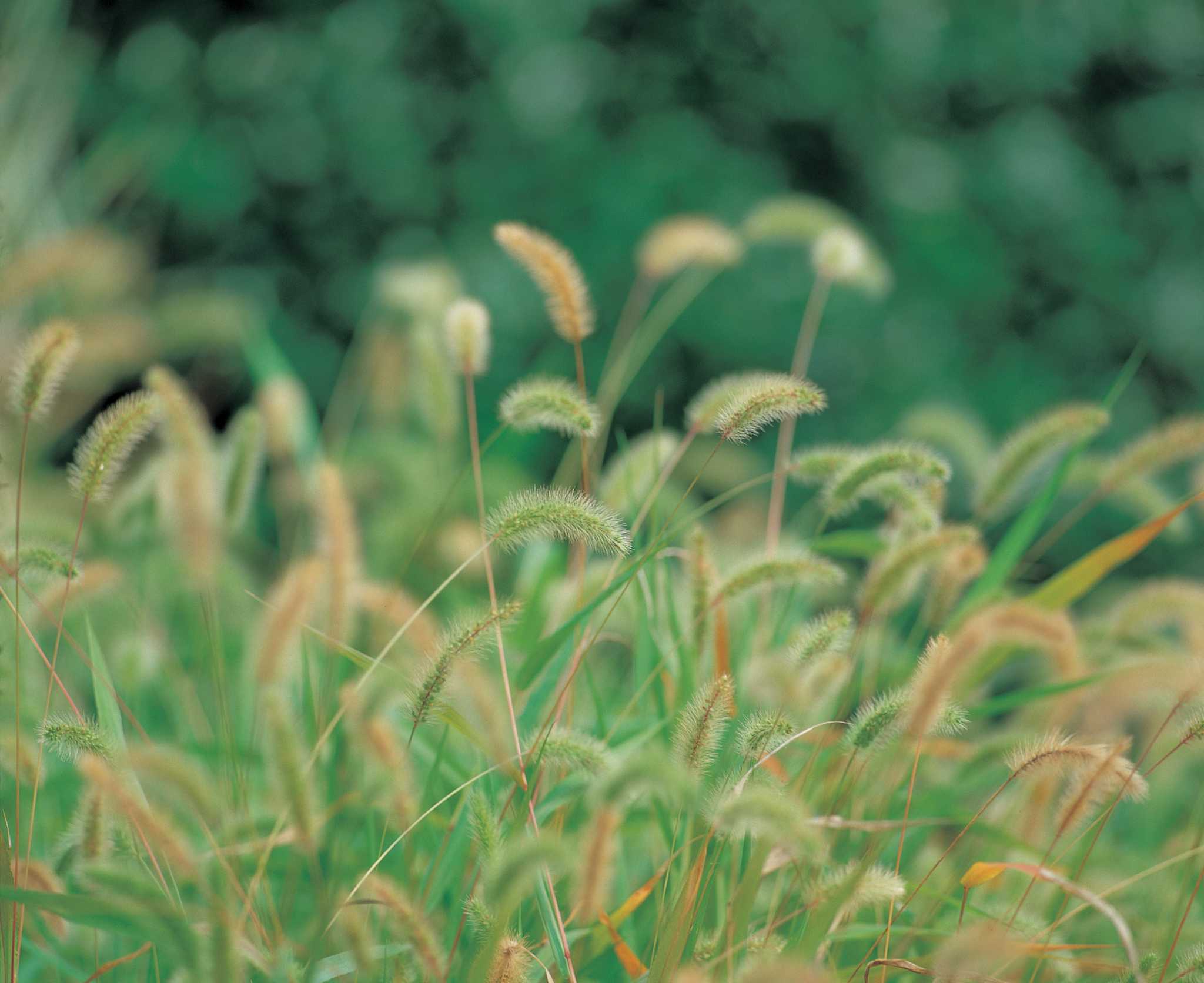
Choosing the right grass is the first step to harvesting good grass seed. Different grass types grow well in different places. Picking the right type helps your lawn stay healthy and strong. It also makes seed harvesting easier and more successful.
Identifying Your Lawn Type
Know your lawn’s grass type before harvesting seed. Look at the grass blades. Are they thin or wide? Is the color light or dark green? Check how the grass grows. Is it spreading or clumping? These clues show your lawn type.
Common lawn types include cool-season and warm-season grasses. Cool-season grasses grow well in cooler climates. Warm-season grasses do better in hot areas. Knowing your lawn type helps find the best seed to save.
Selecting Suitable Grass Varieties
Choose grass varieties that match your lawn type and climate. Some varieties resist drought. Others stand up to heavy foot traffic. Pick varieties that fit your lawn’s needs. This ensures the grass seed will grow strong and healthy.
Look for local grass varieties. These are often best for your area. They adapt well to local weather and soil. Using local varieties improves your chances of a good harvest.

Timing The Harvest
Timing is key to harvesting grass seed successfully. Harvest too early, and seeds may not germinate well. Wait too long, and seeds might fall to the ground or lose quality. Knowing the right moment helps you gather healthy, viable seeds for your lawn or garden.
Optimal Season For Seed Collection
The best time to collect grass seed depends on the grass type. Most grasses produce seeds in late summer to early fall. This period offers warm weather and dry conditions, ideal for seed maturity. Collect seeds before the first frost to avoid damage.
Signs Your Grass Seed Is Ready
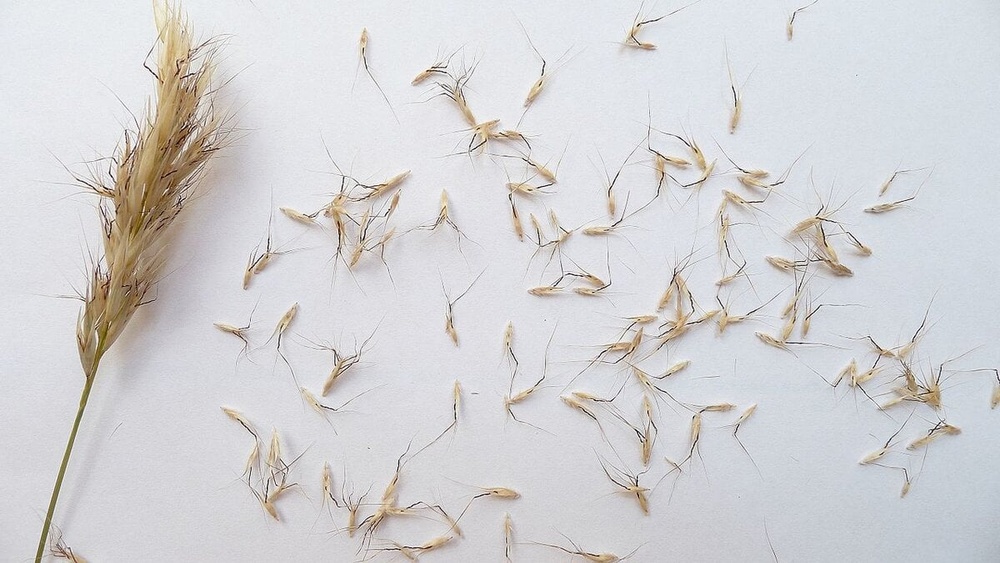
Look for dry, brown seed heads instead of green ones. Seeds should feel hard when you gently squeeze them. If seeds fall off easily with a light shake, they are ready. Avoid seeds that are still green or soft, as they need more time to mature.
Preparing For Harvest
Preparing for harvest is a key step to collect quality grass seed. Proper preparation makes the process easier and more effective. It helps ensure you get clean, healthy seeds ready for planting.
Start with gathering all the tools needed. Then, clear the lawn area to focus on the best seed heads. Both steps save time and improve results.
Gathering Necessary Tools
Collect tools before starting the harvest. A pair of garden scissors or shears works well for cutting seed heads. Use a bucket or paper bags to store the seeds.
A tarp or sheet helps catch seeds as you work. Gloves protect your hands from rough grass and dirt. A small brush or comb cleans seeds if needed.
Clearing The Lawn Area
Remove leaves, sticks, and debris from the lawn. Clear space around the grass to see seed heads easily. This avoids mixing seeds with unwanted materials.
Cut or trim nearby plants that block access. Make sure the area is dry to prevent mold. A clean area keeps seeds healthy and easier to collect.
Collecting Grass Seeds
Collecting grass seeds is a simple way to grow your own lawn. It helps you save money and know exactly what kind of grass you plant. Timing is important. Seeds should be ripe but not too dry. Watch the grass heads turn brown and dry before collecting. Seeds from healthy grass produce strong new plants. Patience and care make a big difference in seed quality.
Collecting seeds takes some effort but is very rewarding. There are easy ways to gather seeds by hand or with simple tools. Both methods work well for small to medium areas. Choose the way that fits your time and tools.
Manual Harvesting Techniques
Manual harvesting means picking seeds by hand. This method works best for small patches. Use your fingers to rub seed heads gently. Seeds will fall off easily into a bucket or cloth. Another way is to cut seed heads with scissors or garden shears. Place the cut heads in a paper bag to dry. After drying, shake the bags to release the seeds.
Manual harvesting is slow but careful. It helps avoid picking unwanted debris. It is perfect if you want clean seeds without extra cleaning later. Be gentle to keep seeds whole and healthy.
Using Simple Mechanical Methods
Simple mechanical methods speed up seed collection for larger areas. One common tool is a seed stripper or comb. Run it over the grass to catch seeds quickly. These tools are easy to use and do not harm the grass much. Another option is to mow the seed heads with a lawn mower set to a high cut. Collect the clippings in the mower bag and dry them to gather seeds.
Mechanical methods save time but may include leaves and stems. You will need to clean the seeds afterward. This method suits gardeners with more space and more seeds to collect.
Cleaning And Drying Seeds
Cleaning and drying grass seeds is a key step after harvesting. It helps keep seeds healthy and ready for planting. Proper cleaning removes unwanted parts. Drying stops mold and keeps seeds fresh. Take your time with these steps to get the best results.
Separating Seeds From Chaff
Start by removing chaff, the light husks and debris. Use a fine screen or sieve to sift seeds. Shake gently to let smaller bits fall through. You can also use your hands to rub seeds free. Blow lightly to move away lighter chaff pieces. Repeat until mostly clean seeds remain.
Proper Drying Methods To Prevent Mold
Spread seeds in a thin layer on paper or cloth. Keep them in a warm, dry place with good air flow. Avoid direct sunlight to protect seed quality. Stir seeds daily to dry evenly. Drying can take several days. Store seeds only after they feel dry and hard. This stops mold and keeps seeds healthy.
Storing Your Grass Seeds
After harvesting your grass seeds, proper storage is key. Good storage keeps seeds fresh and ready for planting. Poor storage can cause seeds to lose their ability to grow. Storing seeds right saves time and money.
Choosing The Right Containers
Pick containers that keep out moisture and air. Glass jars with tight lids work well. Plastic containers can work if they seal tightly. Avoid containers that let in light. Light can damage seeds over time. Label containers with seed type and date. This helps keep track of your seeds.
Ideal Storage Conditions
Store seeds in a cool, dry place. A basement or closet usually works. Avoid places with heat or humidity. High moisture can cause mold and rot. Keep seeds away from direct sunlight. Aim for temperatures around 40 to 50 degrees Fahrenheit. Check seeds every few months. Remove any seeds that look damaged or moldy.
Planting Harvested Seeds
Planting harvested grass seeds is a rewarding step in growing your own lawn. It saves money and gives control over seed quality. Successful planting depends on good preparation and correct seeding methods. These ensure strong growth and a thick, healthy lawn.
Preparing Soil For Seeding
Start by clearing the area of weeds and debris. Remove rocks, sticks, and old grass clumps. Loosen the top layer of soil using a rake or garden fork. This helps seeds contact the soil and absorb water better.
Check the soil’s texture. It should be soft, not hard or compacted. Spread a thin layer of compost or topsoil to add nutrients. Level the soil surface to avoid water pooling or uneven growth. Water the soil lightly before planting seeds.
Seeding Techniques For Best Growth
Scatter seeds evenly over the prepared soil. Avoid clumps or bare spots. Use a seed spreader for large areas to ensure uniform coverage. After sowing, gently press the seeds into the soil with a roller or by walking on the area carefully.
Cover seeds with a thin layer of soil or mulch to protect them. Keep the soil moist but not soaked during germination. Water daily if needed, especially in dry weather. Avoid heavy watering that can wash seeds away.
Maintaining A Healthy Lawn
Maintaining a healthy lawn is key to harvesting your own grass seed. A strong lawn grows thick, green, and full of seeds ready for collection. Proper care helps grass survive stress and produce quality seed. Healthy grass also resists weeds and diseases better. Follow simple steps to keep your lawn in top shape throughout the growing season.
Watering And Fertilizing Tips
Water your lawn deeply but less often. This encourages roots to grow deep into the soil. Early morning is the best time to water. Avoid watering in the heat of the day to reduce evaporation.
Use a balanced fertilizer to provide essential nutrients. Feed your lawn in early spring and late summer. Follow package instructions to avoid over-fertilizing. Overfeeding can harm grass and reduce seed quality.
Preventing Common Lawn Issues
Watch for signs of pests and diseases regularly. Early detection helps control problems quickly. Remove weeds by hand or with safe herbicides. Weeds compete with grass for nutrients and space.
Keep your lawn mower blades sharp. Dull blades tear grass and cause stress. Mow at the right height; too short weakens grass. Proper mowing promotes strong growth and seed production.
Frequently Asked Questions
How Do I Know When Grass Seeds Are Ready To Harvest?
Grass seeds are ready when seed heads turn brown and dry but not shattered.
What Tools Do I Need To Harvest Grass Seeds?
Use scissors or garden shears to cut seed heads and a container to collect seeds.
How Can I Store Harvested Grass Seeds Properly?
Keep seeds dry in a cool, dark place inside a paper bag or airtight container.
Conclusion
Harvesting your own grass seed saves money and ensures quality. It lets you grow grass suited to your yard. The process is simple with the right steps and timing. Collect seeds carefully and store them in a dry place. Plant seeds in healthy soil for best results.
Enjoy a greener lawn with seeds you gathered yourself. Small efforts bring great rewards in gardening. Start today and watch your grass grow strong and healthy.