
As an Amazon Associate, I earn from qualifying purchases.
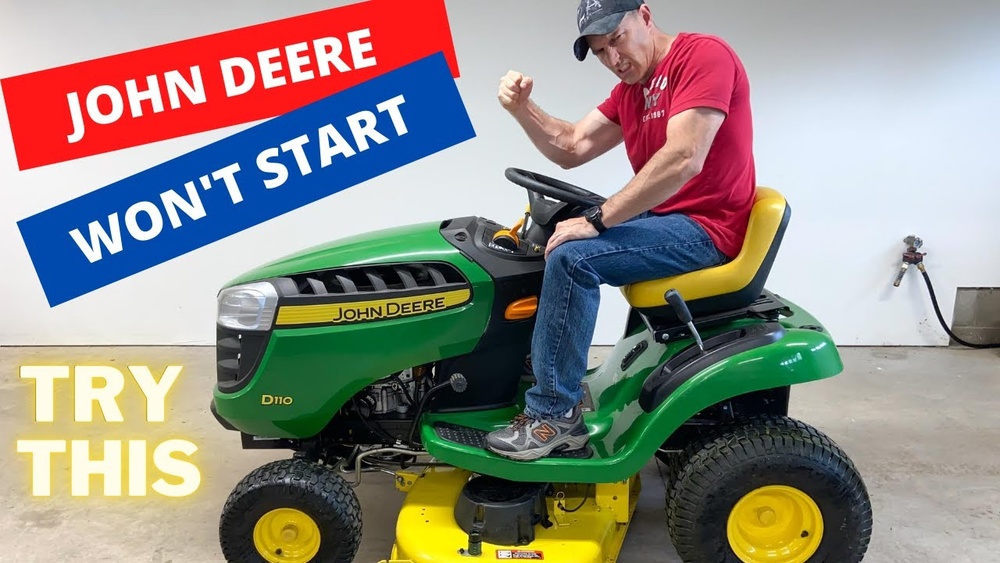
Is your John Deere 100 Series tractor refusing to start just when you need it most? You’re not alone, and it can be frustrating when your reliable machine suddenly won’t turn over.
But don’t worry—understanding why your tractor isn’t starting is the first step to getting it back up and running quickly. You’ll discover the most common reasons behind this problem and easy ways to fix them. Keep reading to take control and get your John Deere working like new again.
Common Causes Of Starting Issues
John Deere 100 Series tractors sometimes fail to start. This issue often frustrates users. Understanding common causes helps fix the problem fast. Several key parts can cause starting issues. Checking these parts first saves time and effort.
Battery Problems
The battery powers the tractor’s engine start. A weak or dead battery stops the engine from turning over. Corroded or loose battery cables reduce power flow. Cold weather can lower battery strength too. Test the battery voltage and clean connections regularly.
Fuel System Blockages
Fuel must reach the engine smoothly for starting. Dirt or old fuel can clog the fuel filter or lines. Blockages prevent fuel from reaching the engine. Check the fuel filter and replace it if dirty. Use fresh fuel and clean the tank if needed.
Ignition Switch Faults
The ignition switch sends power to start the tractor. A broken or worn switch can stop this process. Signs include no response when turning the key. Test the switch with a multimeter or replace it if faulty. This fix often restores proper starting function.
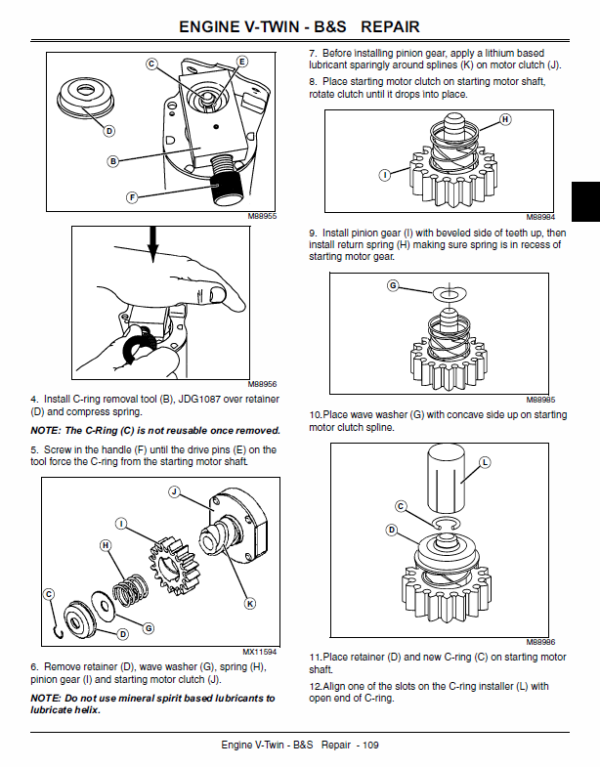
Starter Motor Failures
The starter motor turns the engine to start it. A damaged starter motor will fail to crank the engine. Listen for clicking sounds or no noise at all. Check wiring connections to the starter motor. Replace the starter motor if it does not work correctly.
Basic Checks Before Repair
Before starting any repair on your John Deere 100 Series mower, basic checks can save time and effort. These simple steps help find common issues that stop the mower from starting. Checking these parts first may avoid unnecessary repairs. Start with easy tasks anyone can do.
Inspecting The Battery Charge
The battery is the heart of your mower’s electrical system. Check if the battery is fully charged. A weak or dead battery stops the engine from turning over. Use a voltmeter to measure battery voltage. A fully charged battery reads around 12.6 volts. Clean the battery terminals and remove any corrosion. Secure connections ensure good power flow.
Checking Fuel Levels And Quality
Fuel problems often cause starting issues. Check if the fuel tank has enough fresh gasoline. Old or stale fuel can clog the system and prevent ignition. Drain old fuel if the mower has been unused for months. Fill with fresh, clean gasoline. Avoid using gasoline with more than 10% ethanol, as it may damage the engine.
Examining Spark Plugs
Spark plugs create the spark that starts the engine. Remove the spark plug and check its condition. Look for dirt, carbon buildup, or damage. Clean the plug with a wire brush or replace it if worn out. Ensure the gap between the electrodes matches the manual’s specifications. A good spark plug is vital for smooth starting.
Assessing Safety Switches
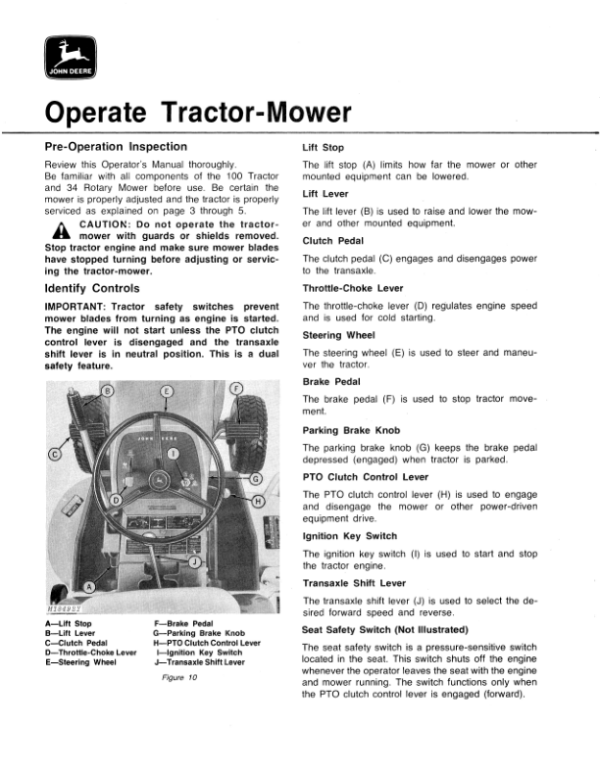
Safety switches prevent the mower from starting under unsafe conditions. Check the seat switch, brake switch, and blade engagement switch. Make sure they are clean and work properly. Faulty switches can block the ignition circuit. Test each switch with a multimeter for continuity. Replace any switch that does not function correctly.
Step-by-step Quick Fixes
Experiencing a John Deere 100 Series tractor that won’t start can be frustrating. Quick fixes often solve common problems fast. These simple steps help you get back to work without delay.
Follow these clear instructions carefully. Each step targets a common cause of starting issues. Check them one by one to find the problem and fix it.
Jump-starting The Tractor
Dead batteries are a frequent cause of starting failure. Use jumper cables and a working battery to jump-start your tractor. Connect the positive cable to the positive terminals first. Then attach the negative cable to the negative terminals. Start the donor vehicle and let it run for a few minutes. Try starting your John Deere. Remove cables in reverse order once it runs.
Cleaning Or Replacing Spark Plugs
Dirty or worn spark plugs stop the engine from firing properly. Remove spark plugs using a socket wrench. Check for dirt, corrosion, or damage. Clean the plugs with a wire brush or replace them. Reinstall plugs tightly but avoid over-tightening. Test start the tractor to see if it runs smoothly.
Clearing Fuel Lines
Fuel flow issues block the engine’s start. Check fuel lines for clogs or cracks. Remove any debris or replace damaged lines. Ensure the fuel filter is clean and properly fitted. Refill the fuel tank with fresh fuel. Try starting the tractor again after clearing fuel paths.
Resetting Safety Switches
Safety switches prevent the tractor from starting in unsafe conditions. Locate switches near the seat, brake, and clutch. Press or move the switches to reset them. Make sure the tractor is in neutral and the parking brake is set. After resetting, attempt to start the tractor once more.
When To Call A Professional
Knowing when to call a professional for your John Deere 100 Series not starting can save time and money. Some problems need expert skills and tools. Trying to fix these issues alone might cause more damage. Recognize the signs that require professional help. This helps keep your equipment safe and working well.
Persistent Electrical Issues
Electrical problems can be tricky to diagnose. Constant battery drain or flickering lights suggest deeper issues. Loose wires or faulty connections might cause these troubles. Professionals have the right tools to test and repair electrical systems. They ensure the tractor starts reliably and safely.
Starter Motor Replacement
The starter motor is vital for starting your tractor. If it clicks but does not turn, the motor may fail. Replacing a starter motor requires special equipment. A technician can remove and install the part properly. This prevents damage to other components.
Complex Fuel System Repairs
Fuel system problems often cause starting failures. Clogged filters or damaged pumps reduce fuel flow. Cleaning or fixing these parts needs skill and care. Experts can diagnose fuel issues quickly and fix them right. This keeps your tractor running smoothly without delays.
Preventive Maintenance Tips
Preventive maintenance is key to keeping your John Deere 100 Series mower running smoothly. Small checks and regular care stop many common starting problems. You save time and money by avoiding repairs. Follow these simple tips to maintain your mower in top shape.
Regular Battery Care
Check the battery terminals for dirt and corrosion. Clean them with a wire brush if needed. Keep the battery charged, especially during long breaks. Remove the battery if you store the mower for months. Use a trickle charger to maintain battery health.
Fuel System Cleaning
Old fuel causes blockages and stops the engine from starting. Empty the fuel tank at the end of the season. Use fresh fuel before each use. Clean or replace the fuel filter regularly. Check fuel lines for cracks or leaks.
Routine Spark Plug Checks
Inspect the spark plug every few months. Remove dirt and carbon deposits with a wire brush. Replace the spark plug if it looks worn or damaged. Proper spark plug function ensures easy starting and smooth running.
Safe Storage Practices
Store the mower in a dry, sheltered place. Cover it to protect from dust and moisture. Drain fuel or add a fuel stabilizer before storage. Remove the battery and keep it in a cool spot. Safe storage prevents damage and starting issues.

Frequently Asked Questions
Why Is My John Deere 100 Series Not Starting?
Common issues include a dead battery, bad spark plug, or empty fuel tank.
How Do I Check The Battery On My John Deere 100 Series?
Look for corrosion, test voltage with a meter, and ensure connections are tight.
Can Old Fuel Cause John Deere 100 Series Starting Problems?
Yes, stale fuel can clog the carburetor and prevent the engine from starting.
What Should I Inspect If The Engine Cranks But Won’t Start?
Check the spark plug, fuel supply, and air filter for dirt or damage.
Conclusion
Troubleshooting the John Deere 100 Series takes patience and care. Start with simple checks like the battery and fuel. Small fixes often solve common starting issues. Keep your tractor clean and well-maintained to avoid problems. Remember, regular care helps your machine run smoothly.
Don’t rush repairs—take time to find the cause. With these tips, you can get back to work faster. Stay calm, check carefully, and your tractor will start again.