
As an Amazon Associate, I earn from qualifying purchases.
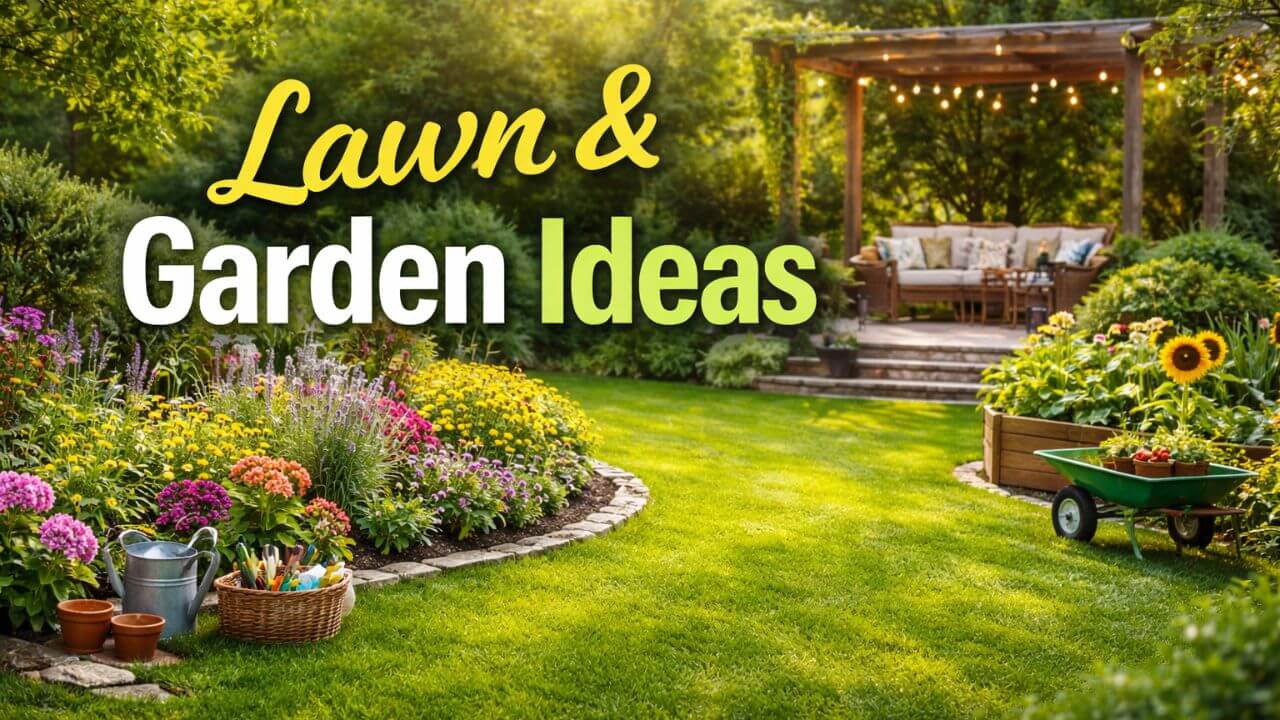
Smart lawn and garden ideas blend beauty, function, and low-maintenance care.
If you want a yard that turns heads and works hard, you are in the right place. I design and maintain landscapes for busy people. In this guide, I share proven lawn and garden ideas that boost curb appeal, save time, and fit real life. You will learn how to plan, plant, water, and style your space with confidence.
Plan Your Site Like a Pro
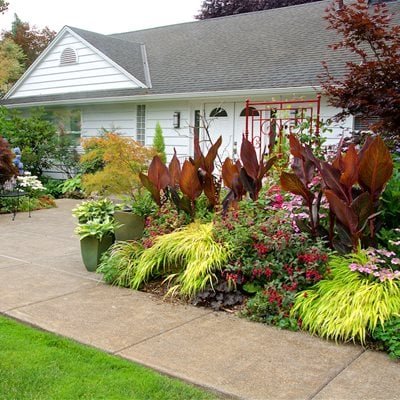
Great yards start on paper. Walk your space at different times of day. Note sun, shade, wind, and views. Mark doors, windows, spigots, and slopes. These facts shape your best lawn and garden ideas.
Sketch simple zones. Think entry, play, dining, relax, and grow. Connect zones with clear paths. Keep grass where you need it, not everywhere. Less mow time, more joy.
Set a budget and a timeline. Break big plans into phases. Start with grading, drainage, and soil. Then add structure, plants, and lights. Save decor for last.
Pro tip from the field: measure twice. I once misread a slope and placed beds wrong. Moving soil twice hurt the budget. Careful planning avoids pain.
Design Styles That Fit Your Home
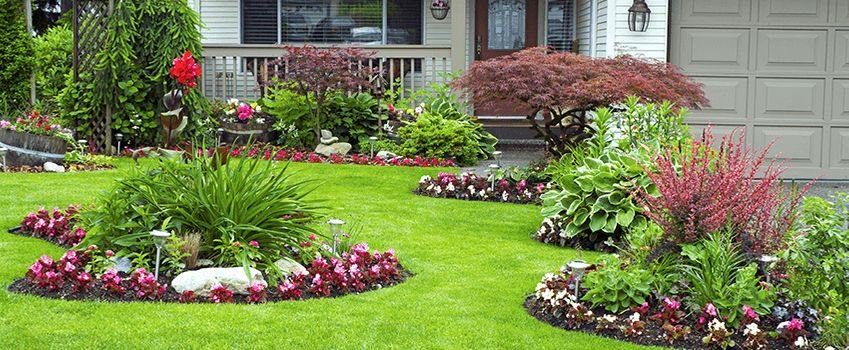
Your house is the star. Match your lawn and garden ideas to its style. This makes the yard feel complete.
- Modern homes like clean lines, simple beds, and bold shapes.
- Cottage homes love curves, mixed flowers, and soft hedges.
- Farmhouse looks crave wide porches, native grasses, and gravel paths.
- Mid-century styles work with low plant profiles and concrete pads.
Pick a main color theme. Use one hero plant or texture in each area. Repeat it to tie rooms together. For fast curb appeal, paint the front door and edge the beds. Small changes can look big.
Soil Health and Prep for Strong Roots
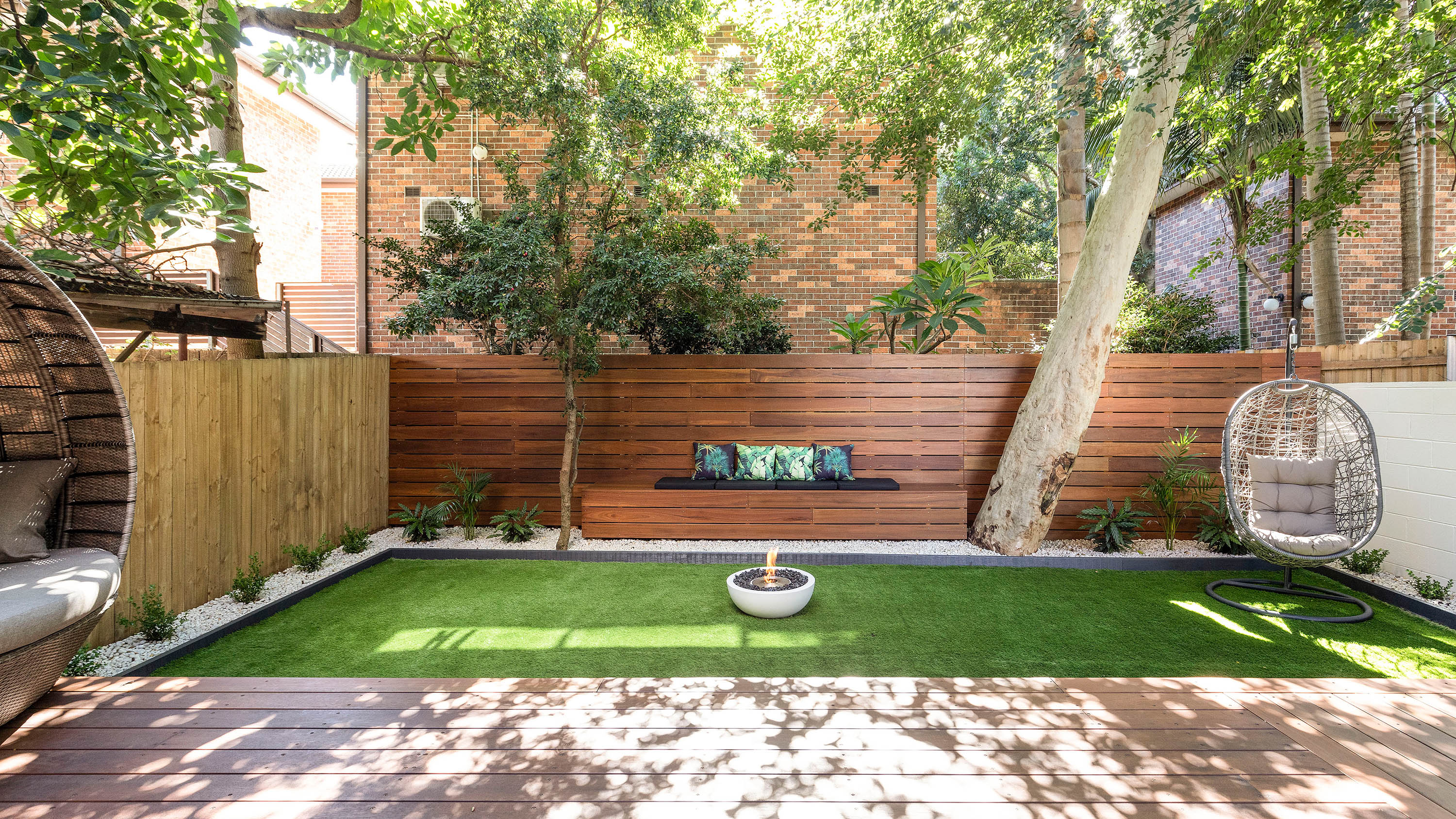
Healthy soil is the base of all strong lawn and garden ideas. Test your soil first. Turf likes a pH near 6 to 7. Many flowers prefer similar levels. Add lime or sulfur if needed.
Add two inches of compost. Mix it into the top six inches. This boosts water hold and root growth. Mulch beds with two to three inches of shredded bark. Keep mulch off stems.
Do not work wet soil. It compacts and kills air pockets. I learned this the hard way one spring. The beds crusted, and plants stalled. Waiting one dry day would have saved the season.
Smarter Lawn Choices: Turf, Alternatives, and Mixes
Not all lawns are the same. Match grass to your climate and use. Cool-season blends like tall fescue do well in many temperate zones. Warm-season picks like bermuda or zoysia love heat and sun.
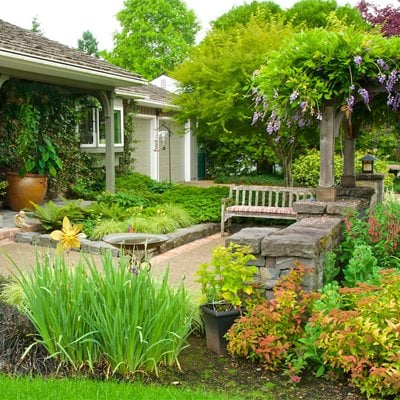
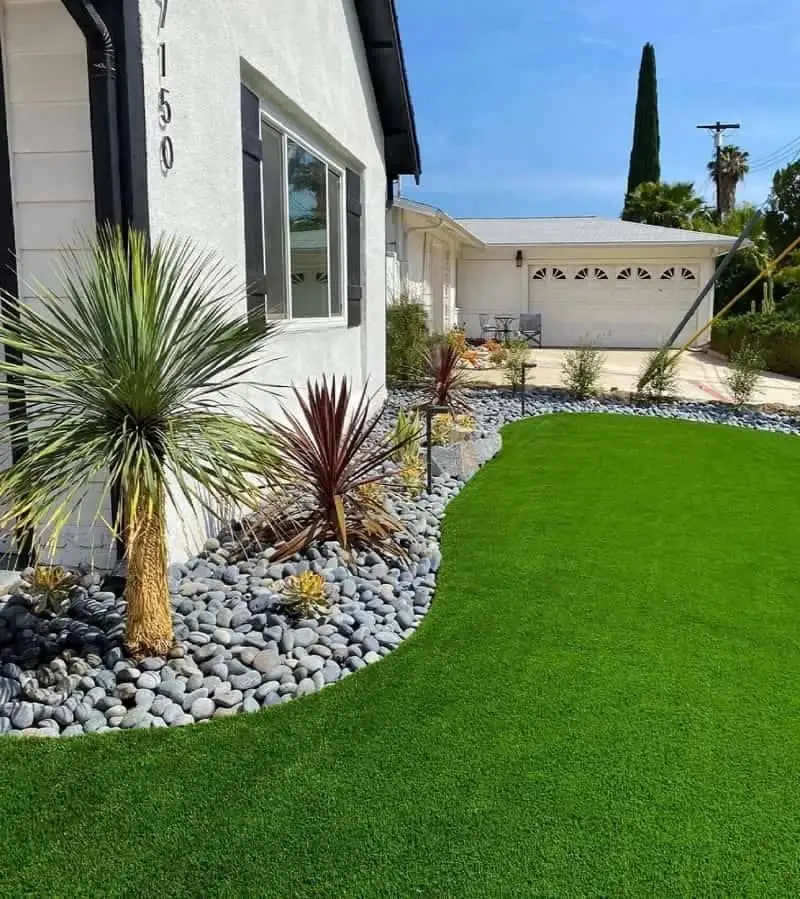
If you want less work, try lawn and garden ideas that shrink turf. Use groundcovers in shade, like clover or creeping thyme in sunny spots. Mix small lawn pads with wide beds and paths.
- Mow high at three inches. Taller blades shade weeds and save water.
- Water deep and rare. About one inch per week, including rain.
- Overseed thin spots each fall for cool-season turf.
For kids and pets, set a tough play zone. Add stepping stones for traffic. Grass hates repeated foot paths. Hardscape those lanes and keep grass lush elsewhere.
:max_bytes(150000):strip_icc()/ga_de1c65f841b17738_spcms-1-4e2ddca116834acfba44133e414be922.jpg)
Planting Beds That Pop All Year
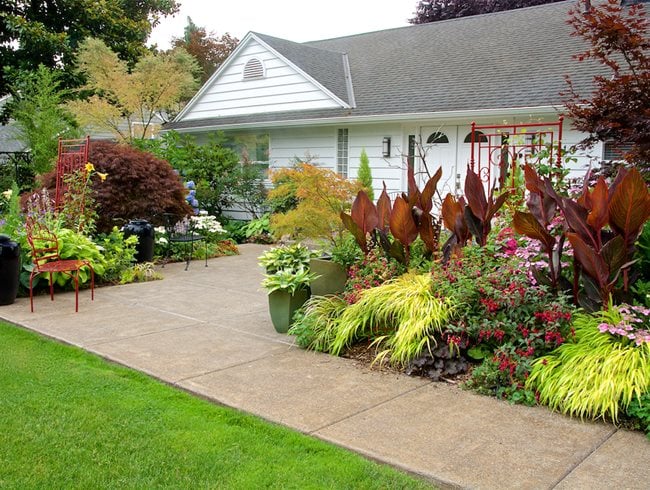
Plan layers. Use a backbone of evergreens for winter shape. Add flowering shrubs for spring and fall color. Thread in perennials and annuals for long bloom.
Think bloom calendar. Aim for flowers in early spring, late spring, summer, and fall. Mix textures. Fine grasses next to big leaves look rich and full. Repeat groups of three or five for rhythm.
Choose the right plant for the right place. Sun lovers in sun. Shade lovers in shade. Drought-tough plants on dry slopes. I place plant tags in the soil line to recall spacing rules when I return to mulch.
Water-Wise Irrigation and Drainage
Smart watering lifts all lawn and garden ideas. Use drip lines in beds to cut waste. Aim water at roots, not leaves. Set a timer for dawn. Early water reduces loss and disease.
Check drainage. If water pools, add a shallow swale or a French drain. Direct roof downspouts into rain gardens or barrels. This protects foundations and saves water.
Simple rule from extension guides: one inch of water per week for lawns. Less in cool weather, more in peak heat. Use a rain gauge to track. Guessing leads to stress.

Hardscape Essentials: Paths, Edging, and Patios
Hardscape frames the garden. It sets the walk and flow. Use wide paths near doors and narrow ones for strolls. Keep turns gentle. Straight lines look formal. Curves look relaxed.
Edging keeps mulch in and grass out. Steel, stone, or pavers all work. Patios need a base of compacted gravel and sand. This stops heave and weeds. Add a simple seat wall for extra chairs.
I favor mixed textures. A stone path next to soft thyme smells great and looks rich. Simple, strong materials age well and add value.

Small-Space Lawn and Garden Ideas
Small yards can feel huge with smart moves. Use tall planters and trellises to draw the eye up. Tuck a tiny lawn pad for bare feet. Frame it with narrow beds to save space.
Choose multi-task plants. Blueberry shrubs give fruit, fall color, and spring bloom. Dwarf conifers hold winter shape. Use foldable furniture on patios. Storage benches hide tools and toys.
Mirrors on walls add depth. So do diagonal paver patterns. Keep a tight plant palette to avoid clutter. Less is more in small spaces.
Edible Gardens That Look Great
Blend food into the landscape. This is one of my favorite lawn and garden ideas. Use herbs as borders. Chives, thyme, and oregano stay tidy. Kale and swiss chard add bold leaf color.
Grow fruit trees on dwarf rootstock. Train apples or pears flat on a fence. This is called espalier. It saves space and looks chic. Mix marigolds and basil to help deter some pests.
Use raised beds for neat lines and warm soil. Fill with a blend of compost, peat, and bark. Rotate crops each season. Healthy soil grows tasty food.
Wildlife-Friendly and Native Plant Gardens
Native plants support bees, birds, and butterflies. They also need less care once set. A few groups of native grasses and flowers can change your yard’s life.
Add a shallow water dish with stones for bees. Leave some seed heads for winter birds. Avoid broad pesticides. Target pests only when needed and choose safer options.
Set a small no-mow patch or a mini meadow. Even a 6-by-10-foot area helps. This breaks up lawn, adds motion, and boosts habitat.
Lighting, Color, and Curb Appeal Tricks
Good light makes every night a show. Use warm LED path lights for safety. Aim small spots at trees or art for drama. Downlights from eaves make soft moonlight effects.
Pick a simple color plan. Use one bold front-door color and echo it in pots. Add fresh mulch for instant polish. Keep the lawn edge crisp. Edging day always gets my neighbors talking.
Place house numbers where lights can find them. Guests and delivery drivers will thank you.
Seasonal Care and Easy Maintenance Routines
A simple plan keeps your lawn and garden ideas running smooth.
Spring
- Clean beds, edge, and top off mulch.
- Test irrigation and repair leaks.
- Feed cool-season lawns and overseed bare spots.
Summer
- Mow high, water deep, and spot-weed weekly.
- Deadhead flowers to extend bloom.
- Check for pests and treat only if needed.
Fall
- Aerate and overseed cool-season turf.
- Plant bulbs and divide perennials.
- Rake leaves or mulch-mow them into the lawn.
Winter
- Prune while plants are dormant, if species allow.
- Sharpen blades and clean tools.
- Plan next year’s upgrades.
Budget-Friendly DIY Projects
You can do a lot on a budget. Tackle one weekend win at a time.
- Create a gravel seating nook with a simple steel edge ring.
- Add a rain barrel to catch roof runoff.
- Build raised beds from rot-resistant wood.
- Install a drip kit with a battery timer.
- Paint or stain old fences and sheds to refresh the view.
Buy plants in smaller sizes. They catch up fast with good soil and water. Swap divisions with neighbors. Free plants are the best plants.
Common Mistakes and How to Avoid Them
I see the same slips in many yards. Here is how to dodge them.
- Planting too close to the house. Leave room for growth and airflow.
- Overwatering. Check soil before watering. Wet soil suffocates roots.
- Skipping edges. Beds bleed into lawn. A crisp edge locks in the look.
- Ignoring mature size. Read the tag. Big plants crush small spaces.
- Rushing. Phase big lawn and garden ideas. Do it right, then enjoy.
Tools, Tech, and Smart Upgrades
The right tools save time and backs. A sharp mower blade makes clean cuts. A string trimmer and a good rake cover most needs. Add a sturdy hand pruner and a folding saw.
Smart timers and Wi‑Fi controllers fine-tune watering. Moisture sensors prevent waste. Battery tools are quiet and clean. I switched to a battery mower last year. My neighbors noticed the peace at once.
Track tasks in a simple app or notebook. Set repeat reminders for mowing and pruning. Little steps, done on time, win the season.
Frequently Asked Questions of Lawn and Garden Ideas
What is the easiest way to start a new garden bed?
Lay out the shape with a hose. Remove grass, add compost, and mulch. Plant in groups for fast impact.
How much lawn should I keep?
Keep only what you use and can maintain. Replace the rest with beds, paths, or groundcovers to cut work.
How do I water my lawn the right way?
Water early in the morning. Aim for one inch per week, deep and rare, not daily sips.
Which plants are best for low-maintenance yards?
Choose native plants suited to your climate and soil. Mix evergreens, grasses, and long-bloom perennials.
How do I improve curb appeal fast?
Edge the lawn, refresh mulch, and prune front shrubs. Add two planters by the door and clean the walk.
Can I mix edibles with ornamentals?
Yes. Use herbs as borders and dwarf fruit trees as accents. Keep beds neat and rotate crops.
What height should I mow my lawn?
Set your mower near three inches. Taller grass shades soil, saves water, and reduces weeds.
Conclusion
A great yard is not luck. It is a plan, a few smart choices, and steady, simple care. Use these lawn and garden ideas to shape spaces you love, one zone at a time. Start with soil, pick the right plants, and water wisely. Add light, edges, and a small lawn that fits your life.
Take the first step this weekend. Sketch your zones, edge one bed, and set a timer on your hose. Want more ideas and step-by-step guides? Subscribe for updates, ask a question, or share your progress in the comments.