
As an Amazon Associate, I earn from qualifying purchases.
The easiest medicinal herbs to grow indoors need bright light, good drainage, and steady care.
If you want a calm home and a ready home remedy shelf, you can do it with pots and a window. I have grown mint, aloe, rosemary, and lemon balm inside for years. This guide on Medicinal Herbs To Grow Indoors gives you proven picks, clear steps, and safety tips. You will learn how to plant, light, harvest, and use your herbs with confidence.
:max_bytes(150000):strip_icc()/herbs-to-grow-indoors-5220148-hero-a3d35c36664b4785a13f2b5134bf7856.jpg)
Why grow medicinal herbs indoors
Fresh leaves beat dry jars. You grow what you use and skip what you do not need. You control soil, water, and light. Your harvest is clean and close.
There are health gains and home gains. The scent can lift mood. A cup of lemon balm tea can ease a long day. Aloe by the sink helps with small burns. With Medicinal Herbs To Grow Indoors, you also save money and cut waste.
I started with one pot of peppermint by a bright kitchen window. It took off fast. That first success led me to try more. I learned to avoid soggy soil and weak light. Those two things are key for Medicinal Herbs To Grow Indoors.

Best Medicinal Herbs To Grow Indoors
These plants are small, tough, and rich in helpful oils. Each grows well in pots on a bright sill or under lights. Start with three to five. Add more as you learn.
-
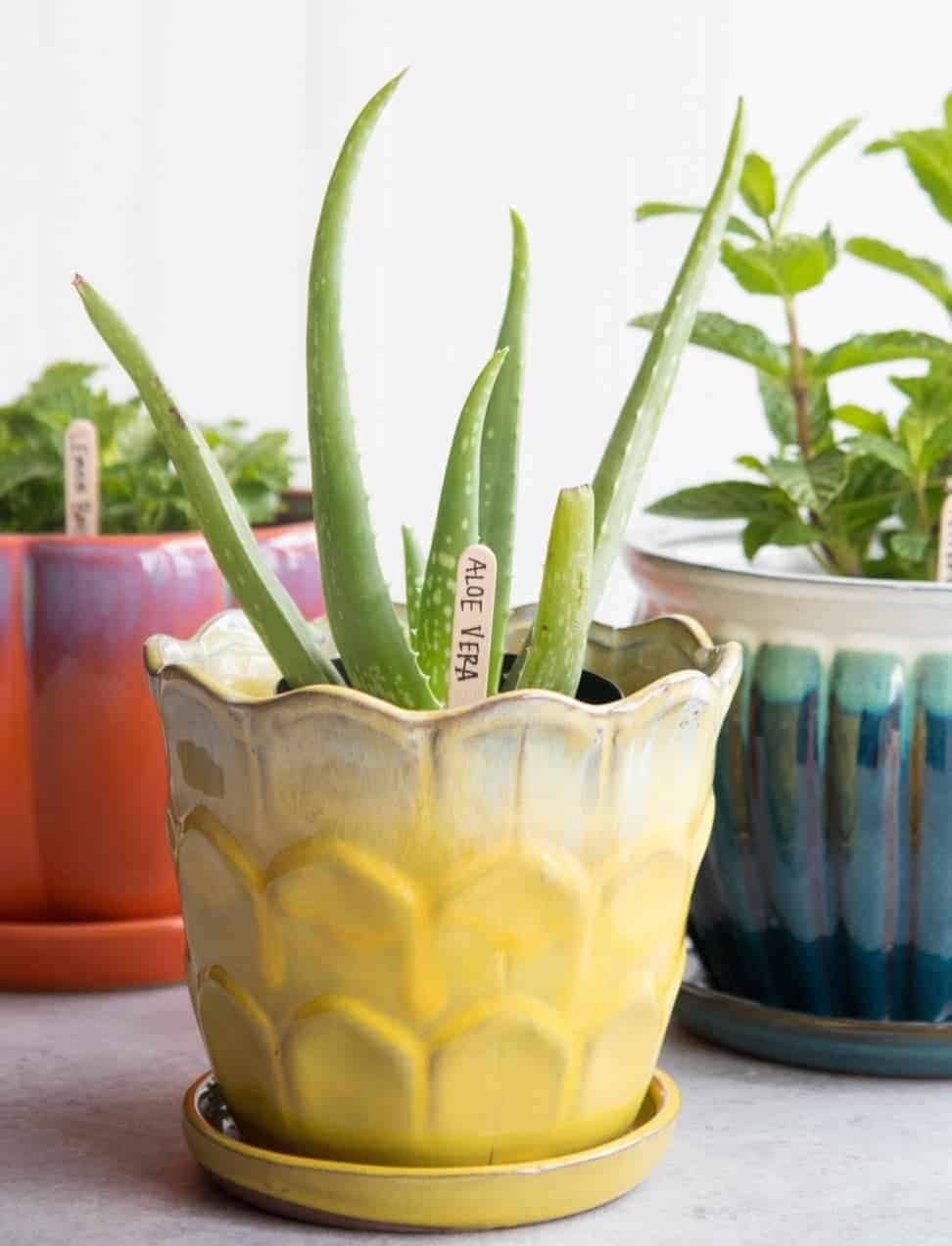
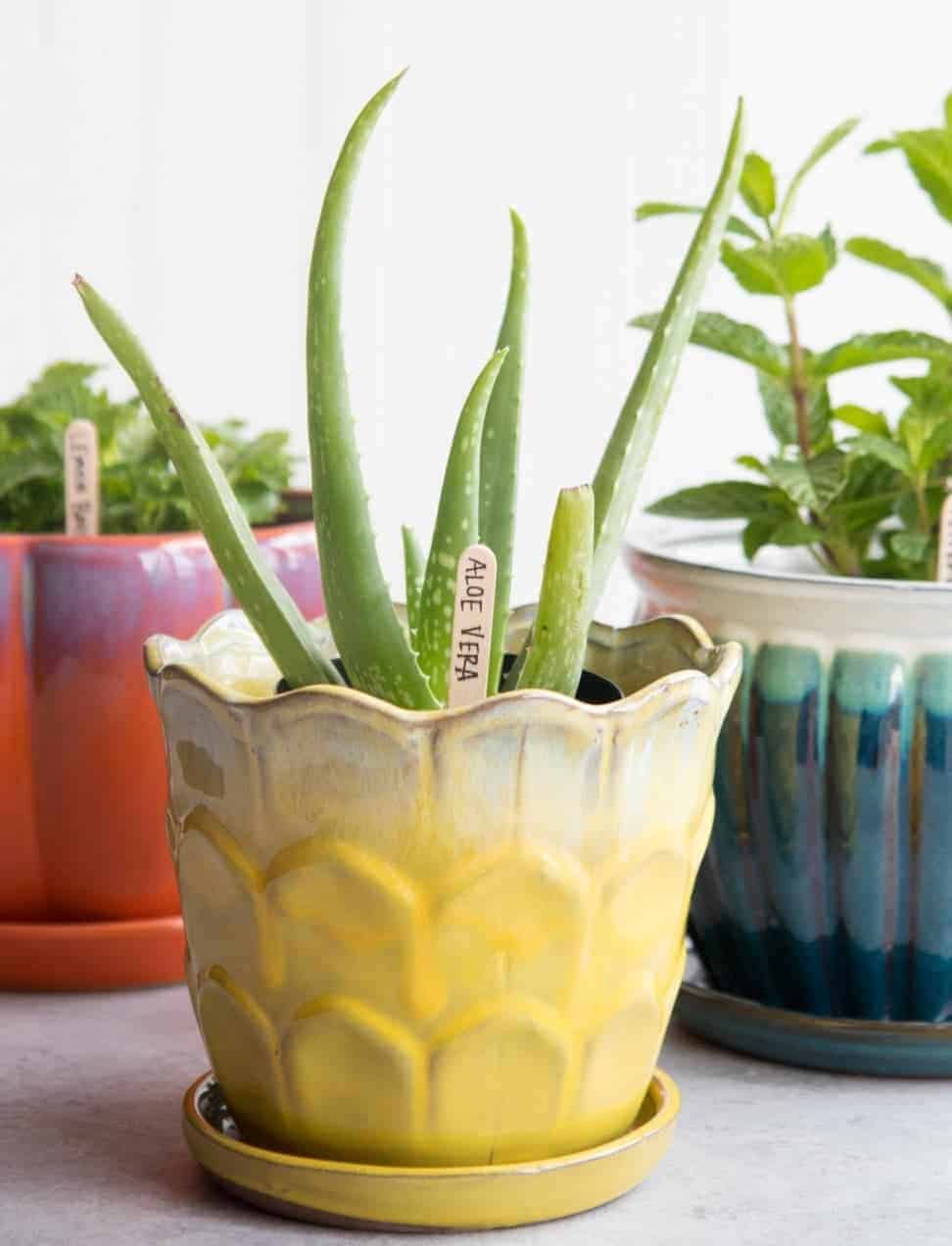
Aloe vera
Care: Bright light. Let soil dry between drinks. Use a cactus mix.
Use: Gel soothes minor burns and small cuts. Traditional first aid.
Note: Use the inner gel only. Do not eat the latex. -
Peppermint and spearmint
Care: Bright to medium light. Even moisture. Use a wide pot.
Use: Leaves support digestion and ease tension. Steam can clear stuffy noses.
Note: Can worsen reflux. Keep it in its own pot. It spreads fast. -
Lemon balm
Care: Bright light. Pinch often for bushy growth.
Use: Calm mood and sleep support. Mild, kid friendly.
Note: Can be mild on thyroid. Ask a pro if you have thyroid issues. -
Holy basil (tulsi)
Care: Bright light and warmth. Do not let the soil stay wet.
Use: Traditional stress support and clear breathing.
Note: Strong scent. Pinch blooms to keep leaves sweet. -
Chamomile (German)
Care: Bright light. Do not overwater.
Use: Soothes the gut and helps sleep. Good for a gentle tea.
Note: Avoid if you have ragweed allergy. -
Thyme
Care: Full sun. Let soil dry a bit between drinks.
Use: Supports the lungs. Make steam or tea for coughs.
Note: Strong oil. Use small doses. -
Oregano
Care: Full sun. Light water.
Use: Supports immune health. Oil is very strong, use with care.
Note: Keep pruned or it gets leggy. -
Rosemary
Care: Full sun. Good airflow. Dry top inch before watering.
Use: Focus and mood support. Great in steam and tea blends.
Note: Can be sensitive to overwatering indoors. -
Sage
Care: Bright light. Light water.
Use: Soothes sore throats as a warm gargle.
Note: Avoid high doses in pregnancy. -
Lavender (compact types)
Care: Full sun. Very well drained mix.
Use: Calming scent for sleep and stress.
Note: Harder indoors than others. Choose dwarf forms. -
Calendula
Care: Bright light. Keep moist but not wet.
Use: Skin support in salves and rinses.
Note: Deadhead to keep blooms coming. -
Ginger
Care: Medium light. Even moisture. Warm pots.
Use: Settles nausea and supports digestion.
Note: Plant a fresh rhizome piece with buds. -
Turmeric
Care: Bright, indirect light. Warm and humid.
Use: Joint and inflammation support in food and tea.
Note: Needs time and space. Be patient.
Pick herbs you will use each week. That is how Medicinal Herbs To Grow Indoors stays fun and useful. Start simple, then branch out.

Light, soil, water, and container setup
Light is the main need. A south or west window is best. Aim for 6 to 8 hours of sun. If light is weak, use LED grow lights for 12 to 16 hours a day. Cool white plus warm white works. Place lights 6 to 12 inches above leaves.
Use pots with drainage holes. Fabric or clay pots help roots breathe. A simple mix works well. Use two parts potting mix, one part perlite, and one part compost. Keep pH near neutral.
Water less, but well. Check soil with your finger. If the top inch is dry, water until it drains. Empty saucers. Use a small fan for airflow. Keep room temps between 65 and 75°F. Most Medicinal Herbs To Grow Indoors do well with that range.
How to plant, propagate, and rotate harvests
Start smart. Buy a healthy plant or take a clean cutting. Many herbs root fast. Mint, lemon balm, and basil root in water. Rosemary and sage root in perlite or damp mix. Aloe makes pups you can split and pot.
Space plants so leaves get light and air. Turn pots each week for even growth. Feed lightly every two to four weeks with a gentle, balanced feed. Do not overdo it. Too much nitrogen can mute the flavor and scent.
Harvest little and often. Pinch tips above a leaf node. This keeps plants short and full. For leafy herbs, take no more than one third at a time. Succession grow fast herbs from seed every four to six weeks. That keeps your Medicinal Herbs To Grow Indoors steady and fresh.

Harvesting, drying, and storing for potency
Pick in the morning after the dew dries. Oils are rich then. Choose clean, dry leaves and flowers. Rinse only if needed. Pat dry.
For teas, dry herbs in a warm, dark place. Use 95 to 105°F in a dehydrator or a low oven with the door cracked. Leaves should crumble. Flowers should feel papery. Store in airtight, dark jars. Label with name and date. Most hold peak flavor for six to twelve months.
Make simple home remedies with care. For tea, use one to two teaspoons per cup. Steep 5 to 10 minutes. For salves, infuse dried herbs in oil for two to four weeks, then mix with beeswax. For tinctures, use food-grade alcohol or glycerin with proper ratios. Read trusted guides. Handle your Medicinal Herbs To Grow Indoors like a small apothecary.

Safety, interactions, and quality
Herbs can help. They can also interact with meds. Check with a clinician if you are pregnant, nursing, or on medicine. Ginger and turmeric can thin blood. Sage and rosemary in large amounts may not suit pregnancy. Chamomile can bother those with ragweed allergy. Peppermint can trigger reflux.
Keep pets safe. Some herbs may upset cats or dogs if they chew them. Place plants out of reach. Use organic soil and clean water. Skip harsh sprays. If you see mold or pests, treat fast and harvest only clean parts.
Use common sense and good sources. Many extension guides and clinical reviews offer sound advice. They show that dose, form, and person matter. Mark this truth as you plan Medicinal Herbs To Grow Indoors.
Troubleshooting and common mistakes
Weak light makes plants tall and thin. Move closer to sun or add a grow light. Leaves pale or yellow? That can be overwatering or poor feed. Check the soil first.
Pests love dry indoor air. Look for spider mites, aphids, and fungus gnats. Rinse leaves, use sticky traps, and wipe with a mild soap solution. Neem oil helps on leaves, not on blooms. Quarantine new plants for two weeks.
Avoid heavy pots without holes. Do not mix thirsty herbs with dry lovers in one pot. Clean snips before you cut. A simple care log helps. It keeps your Medicinal Herbs To Grow Indoors on track.

Quick answers: Medicinal Herbs To Grow Indoors
What are the best low-light options?
Lemon balm and mint do fine in bright, indirect light. Add a small LED to boost winter days and keep growth strong.
How many hours of light do herbs need indoors?
Aim for 6 to 8 hours of sun or 12 to 16 hours under LEDs. Keep lights close but not hot, and raise them as plants grow.
Can I grow herbs indoors without a sunny window?
Yes. Use a simple LED grow bar or bulb. With a timer and a shelf, you can run Medicinal Herbs To Grow Indoors all year long.

Sample windowsill plan for beginners
Build a simple, low-cost setup. Use a bright kitchen sill or a shelf with a light bar. Pick one skin helper, one calm herb, and two hardy cooks that also heal.
-
Aloe vera in a 6 to 8 inch clay pot
Place at the sunniest spot. Water once every two to three weeks. -
Peppermint in a wide 8 inch pot
Keep on one end. Water when the top inch is dry. -
Thyme in a 6 inch clay pot
Place close to light. Let it dry between drinks. -
Lemon balm in a 6 to 8 inch pot
Pinch weekly. Use fresh for evening tea.
Add a 2 foot LED grow bar at 12 inches above the tops. Run 14 hours a day with a timer. Cost is modest and results are strong. In 30 days, you will sip mint tea, rub aloe on small burns, and cook thyme steam for a cough. This is the heart of Medicinal Herbs To Grow Indoors.
Frequently Asked Questions of Medicinal Herbs To Grow Indoors
Do indoor medicinal herbs need special soil?
Use a light potting mix with extra perlite for air and drainage. Avoid garden soil, which compacts and can bring pests inside.
How often should I fertilize indoor herbs?
Feed lightly every two to four weeks during active growth. Use a gentle, balanced liquid feed at half strength.
Can I grow Medicinal Herbs To Grow Indoors from grocery store herbs?
You can root some stems like mint or basil if they are fresh. Rinse well and check for pests before you pot them.
What temperature is best for Medicinal Herbs To Grow Indoors?
Most herbs like 65 to 75°F and steady air. Avoid drafts, heat vents, and cold glass in winter.
How do I prevent pests on Medicinal Herbs To Grow Indoors?
Inspect leaves each week and rinse dust away. Quarantine new plants, use sticky traps, and treat early with mild soap sprays.
Are LED grow lights safe for indoor use?
Yes, when used as directed and kept cool and stable. Choose lights with safety ratings and avoid water contact.
Can I mix different herbs in one pot?
You can, if their needs match. Pair dry lovers like rosemary and thyme, or pair moist lovers like mint and lemon balm.
Conclusion
A small indoor herb shelf can serve your home and your health. Start with easy plants, bright light, and a light hand with water. Use what you grow, and keep notes on what works for you.
Set up one window today with two pots and a simple LED. In a month, you will have fresh, safe leaves on hand. If this guide on Medicinal Herbs To Grow Indoors helped you, share it, subscribe for more indoor growing tips, or drop a question in the comments.