
As an Amazon Associate, I earn from qualifying purchases.
Is your Rain Bird sprinkler not working when you need it most? It can be frustrating to see dry patches in your lawn while your sprinkler stays silent.
You rely on your system to keep your garden healthy and green, but when it fails, you need quick answers. You’ll discover simple steps to fix common problems and get your sprinkler back in action fast. Keep reading to save your lawn and avoid costly repairs.

Common Causes Of Rain Bird Sprinkler Failure
Rain Bird sprinklers can fail for several simple reasons. Knowing these common causes helps you fix problems quickly. You can save water and keep your garden healthy by spotting issues early. Below are the main reasons why Rain Bird sprinklers stop working.
Clogged Nozzles And Filters
Nozzles and filters catch dirt and debris. Over time, they get blocked and water flow slows. This causes uneven watering or no water at all. Cleaning nozzles and filters regularly keeps sprinklers working well.
Damaged Sprinkler Heads
Sprinkler heads can break from lawn mowers or foot traffic. Cracks or broken parts stop water from spraying correctly. Replacing damaged heads restores proper watering and prevents dry spots.
Valve Issues
Valves control water flow to each sprinkler zone. Dirt or wear can cause valves to stick or fail. A stuck valve stops water from reaching the sprinkler head. Checking and cleaning valves fixes many problems.
Electrical Problems
Sprinkler systems use wires and controllers to work automatically. Broken wires, loose connections, or dead batteries cause failures. Testing electrical parts ensures the system runs on schedule.
Water Supply Interruptions
Water comes from your home supply or a pump. Low pressure or a shut-off valve stops water flow. Check water supply lines and valves for blockages or closures. Restoring water flow returns sprinklers to normal.
Tools Needed For Troubleshooting
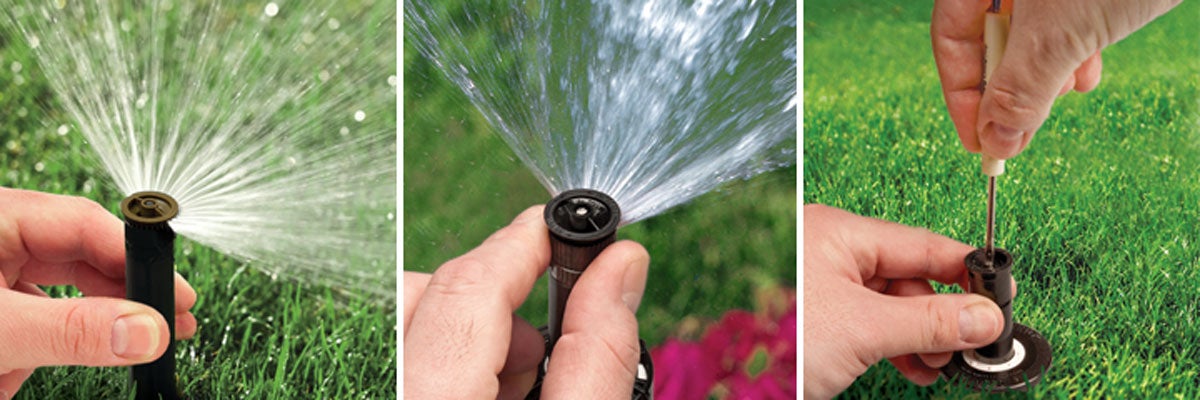
Troubleshooting a Rain Bird sprinkler requires the right tools. Having these tools ready saves time and effort. They help identify and fix common issues quickly.
Basic Hand Tools
Start with simple hand tools like screwdrivers and pliers. A flathead and a Phillips screwdriver are useful. Pliers help in gripping and turning small parts. A wrench set can loosen or tighten sprinkler fittings. Keep a small flashlight to see in dark or wet areas. These tools cover most physical checks and repairs.
Multimeter For Electrical Checks
Use a multimeter to test electrical parts. It measures voltage, current, and resistance. This helps find problems in the sprinkler’s wiring or timer. Set the multimeter to the correct mode before testing. Check solenoids, valves, and connections for power flow. A multimeter is essential for safe and accurate electrical checks.
Replacement Parts
Have common replacement parts on hand. Solenoids, washers, and valve diaphragms often wear out. Sprinkler nozzles can get clogged or damaged. Keep extra fuses and batteries for the timer. Using the right parts ensures a proper fix. It avoids delays and repeated repairs.
Step-by-step Troubleshooting Guide
Facing issues with your Rain Bird sprinkler system can be frustrating. This step-by-step guide helps you find and fix common problems. Follow each step carefully to restore your sprinkler’s function and keep your garden healthy.
Inspecting And Cleaning Nozzles
Start by checking the sprinkler nozzles. Dirt and debris often block water flow. Remove each nozzle gently and clean it with water. Use a small brush to clear stubborn clogs. Clean nozzles improve spray patterns and coverage.
Checking And Replacing Sprinkler Heads
Look at the sprinkler heads for damage or wear. Cracked or broken heads cause leaks or poor spray. Replace any damaged heads with new ones. Ensure the replacement matches your system’s model. Proper heads ensure even watering.
Testing And Fixing Valves
Valves control water flow to sprinkler zones. Test each valve by turning it on manually. Listen for unusual sounds or check for leaks. Replace faulty valves or clean debris inside. Working valves keep water flowing correctly.
Verifying Electrical Connections
Sprinkler systems use wires to control valves. Check all electrical connections for loose or damaged wires. Tighten loose wires and replace damaged ones. Use a multimeter to test continuity. Good connections ensure the system runs smoothly.
Ensuring Adequate Water Pressure
Low water pressure reduces sprinkler performance. Measure pressure at the system’s main line. Clear any blockages in pipes or filters. Adjust your home’s water supply if pressure is low. Proper pressure helps sprinklers cover the area well.
Preventive Maintenance Tips
Preventive maintenance helps keep your Rain Bird sprinkler working well. Small checks and care stop big problems. Your system lasts longer and works better.
Regular Cleaning Schedule
Clean sprinkler heads often to avoid clogs. Dirt and debris block water flow. Use a soft brush or cloth for cleaning. Check filters and clear any buildup. Clean parts help water reach plants evenly.
Seasonal System Checks
Test your system each season for leaks or damage. Look for broken parts and fix them fast. Adjust spray patterns for changing plant needs. Winter and summer need different care. Seasonal checks keep your lawn healthy year-round.
Protecting Components From Weather
Cover sprinkler parts during frost or storms. Cold weather can crack pipes and valves. Use insulation or special covers for protection. Remove covers in warmer months to avoid moisture buildup. Guarding parts saves repair costs.
Upgrading Older Systems
Old sprinklers waste water and may break often. Replace outdated parts with new, efficient ones. Modern systems use less water and work smarter. Upgrades improve watering and reduce bills. A small update improves your lawn’s health.
When To Call A Professional
Knowing when to call a professional for your Rain Bird sprinkler is important. Some problems need expert help. This saves time and avoids more damage. Simple fixes you can try at home. Complex issues need a trained technician to fix them safely and correctly.
Complex Electrical Issues
Electrical problems can be tricky and dangerous. Faulty wiring or damaged controllers may cause the system to fail. Professionals have the tools and skills to diagnose and repair these issues. Handling electrical parts without knowledge can lead to injury or more damage.
Persistent Water Pressure Problems
Low or uneven water pressure affects sprinkler performance. This might result from hidden leaks or blocked pipes. A professional can find the source and fix it properly. Persistent pressure problems usually require special equipment to solve.
System-wide Malfunctions
When multiple zones or the entire system stops working, it signals a bigger issue. Problems like main valve failure or controller defects need expert attention. Professionals check every part of the system to restore full operation. Attempting to fix system-wide faults alone can cause further trouble.

Frequently Asked Questions
Why Is My Rain Bird Sprinkler Not Turning On?
Check the power source, wiring, and controller settings to ensure proper connection and operation.
How Do I Fix A Rain Bird Sprinkler With Low Water Pressure?
Inspect for clogged nozzles, leaks, or closed valves that may reduce water flow.
Can A Rain Bird Sprinkler Timer Cause Watering Issues?
Yes, incorrect timer settings or a faulty timer can stop or delay watering cycles.
What Should I Do If Rain Bird Sprinkler Heads Won’t Pop Up?
Clear debris around heads and check for broken or stuck risers preventing proper movement.
Conclusion
Rain Bird sprinklers can stop working for many simple reasons. Check the power, valves, and timer first. Clean clogged nozzles and replace broken parts quickly. Regular care helps your sprinkler last longer. Small fixes often solve big problems fast. Keep your lawn green with steady watering.
Don’t let a broken sprinkler ruin your garden. Stay patient and follow these easy steps. Your yard will thank you with healthy grass. Simple checks save time and money in the end.