
As an Amazon Associate, I earn from qualifying purchases.
Transform your yard with layered plants, defined zones, smart irrigation, and year-round color.
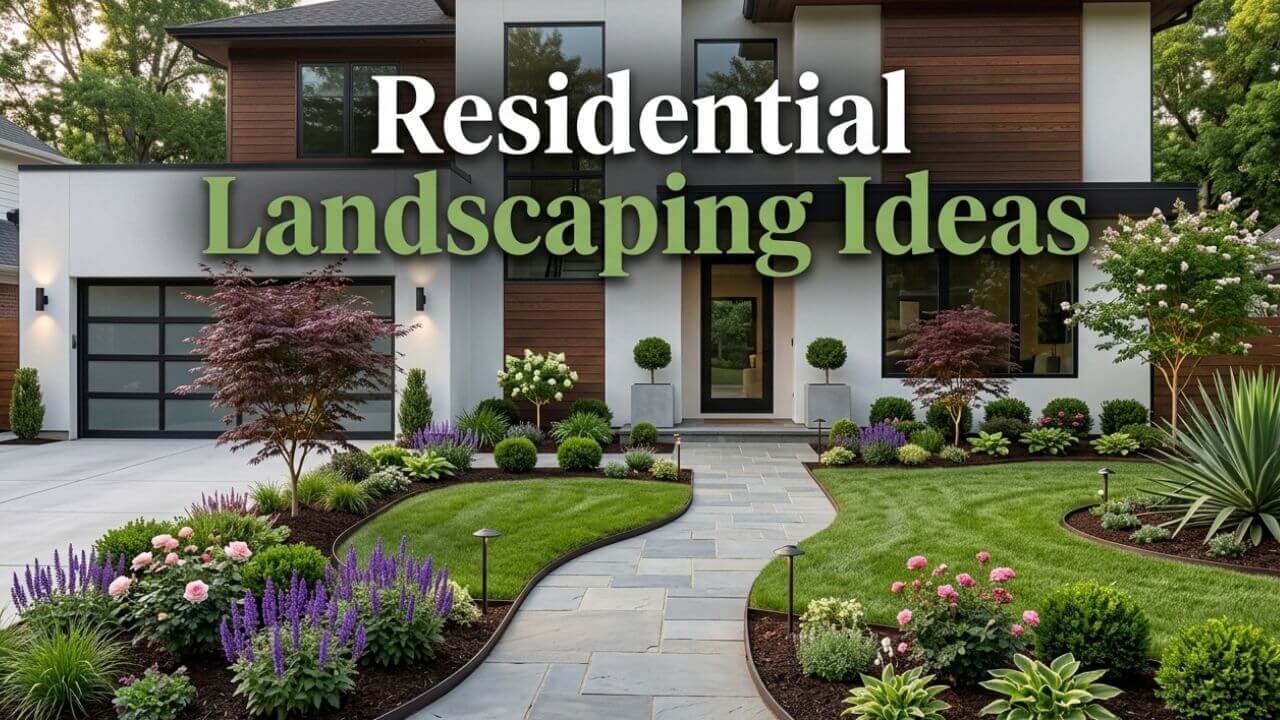
If you want Residential Landscaping Ideas that work in real life, you are in the right place. I design yards that look good, grow well, and fit daily life. This guide shares clear Residential Landscaping Ideas from planning to plants, plus real tips I use with clients. Read on to build a yard you love, one smart step at a time.

Start with a plan: site, budget, and goals
Great landscapes start with a simple plan. First, walk your yard at different times. Note sun, shade, wind, slope, and wet spots. Check what you like and what you do not. Then set your budget and a rough timeline.
Define how you want to use the space. Think curb appeal, play, pets, food, or quiet time. Pick a style that fits your home. Modern, cottage, desert, or woodland can all work. Measure, sketch, and think in zones. This is the base for smart Residential Landscaping Ideas.
Do a quick soil test. It takes minutes and guides plant choice. Call before you dig to mark lines. If you have drainage issues, plan a fix first. Good water flow saves plants and money.
Quick PAA-style answers
When is the best time to start landscaping?
Fall and spring are best for planting. Summer works if you water well.
Do I need a permit for a patio or fence?
Rules vary by city. Check local codes for heights, setbacks, and drainage.
How much should I budget?
A full yard can range from modest DIY to a major project. Start small and phase it.
Design principles that always work
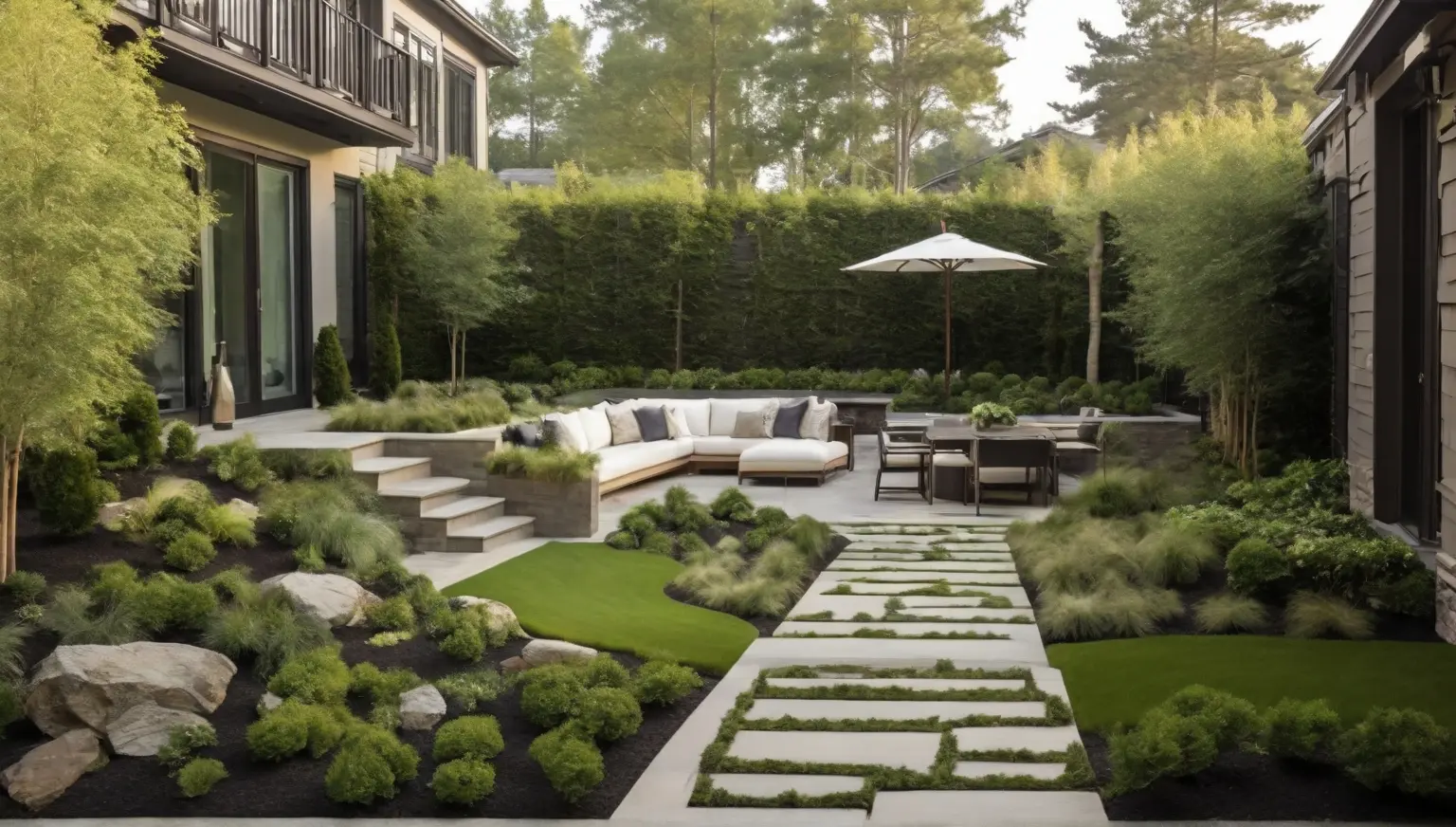
Design is more than plants. It is how space feels and flows. Use these rules to guide your Residential Landscaping Ideas.
- Unity and balance. Repeat colors and shapes for a calm look. Mix symmetry near the front door with soft drift planting elsewhere.
- Scale and proportion. Match plant and bed sizes to the house. Group plants in threes and fives for a natural feel.
- Rhythm and line. Curved paths slow the eye. Straight lines feel formal. Use one main curve and commit to it.
- Focal points. A tree, urn, bench, or water bowl can anchor a view. Add one per room.
- Negative space. Leave open lawn or gravel pads. Space lets the eye rest.
From my field notes: I mark edges and corners first. Then I layer tall to low. This keeps the plan clean and easy to build.

Front yard curb appeal ideas
Your front yard sets the tone. These Residential Landscaping Ideas boost value and welcome guests.
- Frame the entry. Use two small trees or tall pots by the door to guide the eye.
- Upgrade the walkway. Aim for at least 4 feet wide. Add gentle curves and low lights.
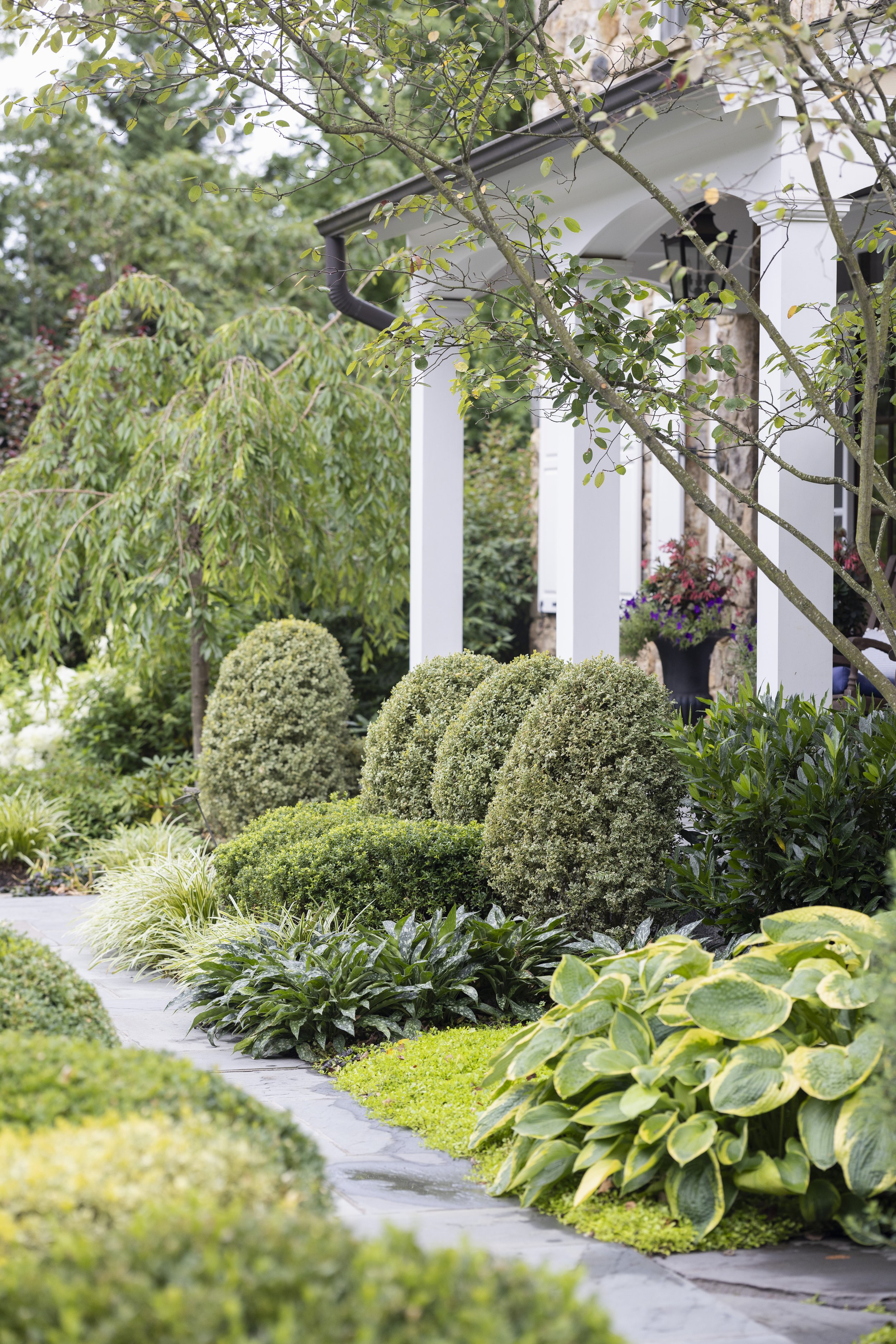
- Layer foundation beds. Place taller shrubs at corners, mid-size near windows, and soft perennials in front.
- Try a lawn alternative. Mix clover, fescue, or creeping thyme to cut water and mowing.
- Add a mailbox or house-number bed. A small 3×3 bed with bold color draws attention.
- Downspout splash garden. A tiny rain garden handles storm water and adds seasonal blooms.
Small changes go far. New mulch, edged beds, and a tidy path can transform the whole front in a weekend.
Backyard living zones and outdoor rooms
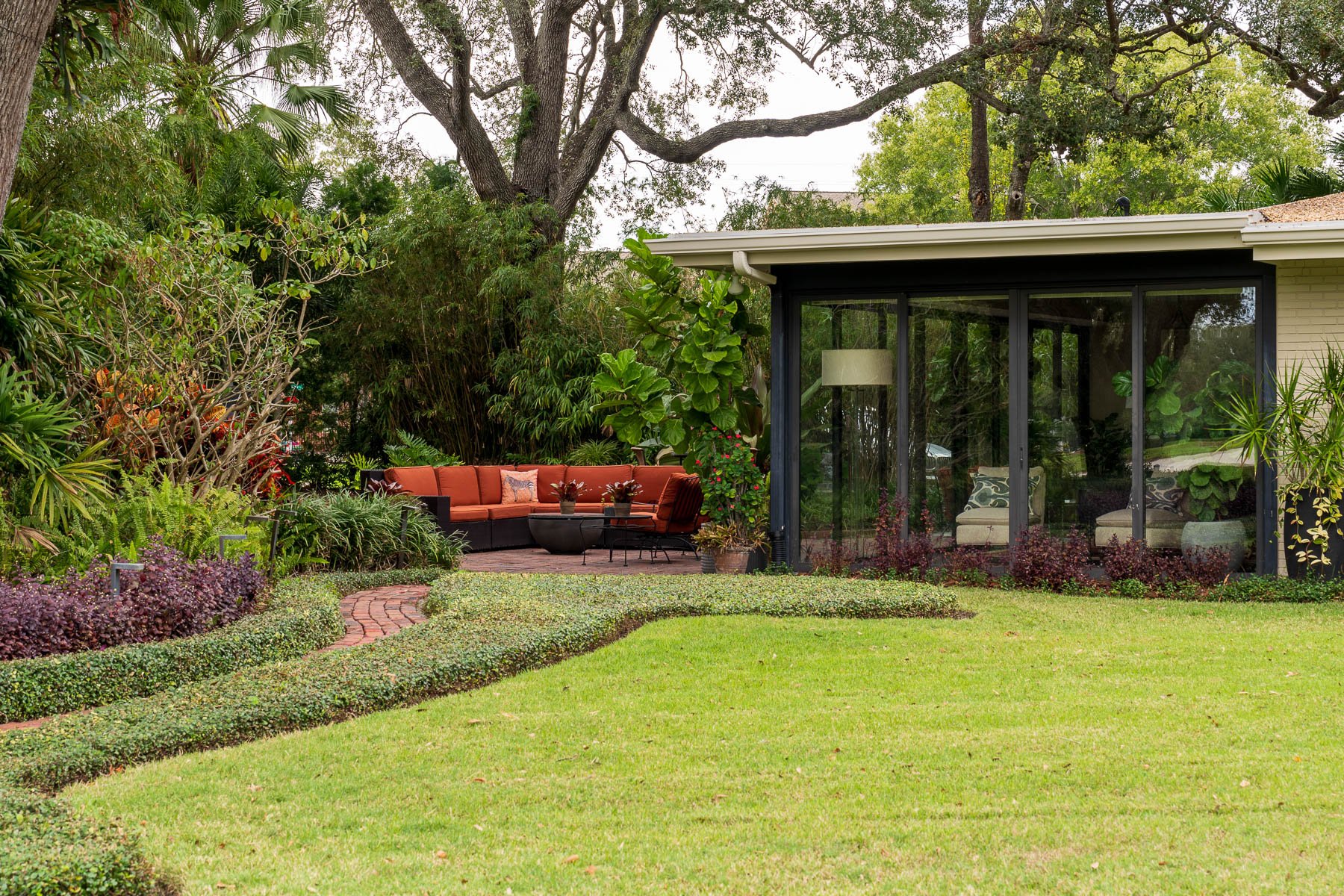
Think of your yard like a home floor plan. Create clear rooms for dining, cooking, play, and rest. This is where Residential Landscaping Ideas meet daily life.
- Use shape to define zones. Patios, rugs, low hedges, and planters build edges fast.
- Add light screens. Trellises, bamboo panels, and layered shrubs build privacy without a tall fence.
- Plan for shade. Pergolas, shade sails, or a well-placed tree keep spaces cool.
- Include sound. A bubbler or rustling grasses soften street noise.
A recent project took a plain yard and split it into three rooms. A 12×16 paver patio for dining, a gravel fire spot, and a small lawn for the dog. We screened the neighbor view with upright evergreens. The space now works all week, not just on weekends.

Low-maintenance and eco-friendly ideas
Easy care starts with the right choices. These Residential Landscaping Ideas save time, water, and money.
- Go native or climate-fit. Plants adapted to your region need less care and water.
- Use drip irrigation. Studies show drip can cut water use by 30 to 50 percent.
- Mulch 2 to 3 inches. Mulch holds moisture, stops weeds, and cools roots.
- Right plant, right place. Match sun, soil, and size to the site.
- Manage rain. Rain gardens and swales slow runoff and feed the soil.
- Rethink lawns. Shrink lawn areas, raise mower height, and add clover for green without fuss.
I track maintenance time with clients. Native-heavy yards average less than one hour per week by year two. The trick is dense planting and good mulch.

Plant palettes and seasonal color
Planting is about layers and time. Aim for year-round interest. Use these Residential Landscaping Ideas to build a simple, rich palette.
Start with structure. Choose small trees and evergreen shrubs to hold the bones. Then add perennials and grasses for texture and bloom. Finish with groundcovers to knit the bed and block weeds.
Sample picks by role:
- Small trees. Redbud, serviceberry, Japanese maple.
- Evergreen shrubs. Boxwood, holly, dwarf yaupon, juniper.
- Flowering shrubs. Hydrangea, spirea, viburnum.
- Perennials. Salvia, echinacea, daylily, catmint.
- Grasses. Switchgrass, feather reed grass, little bluestem.
- Groundcovers. Creeping thyme, ajuga, pachysandra.
Plan a bloom chain. Spring bulbs, summer color, fall foliage, and winter bark or berries. Group in drifts of one plant for impact.
Hardscaping essentials: patios, paths, and edges
Hardscape sets function and feel. Good base work is key. Here are core Residential Landscaping Ideas for long-lasting surfaces.
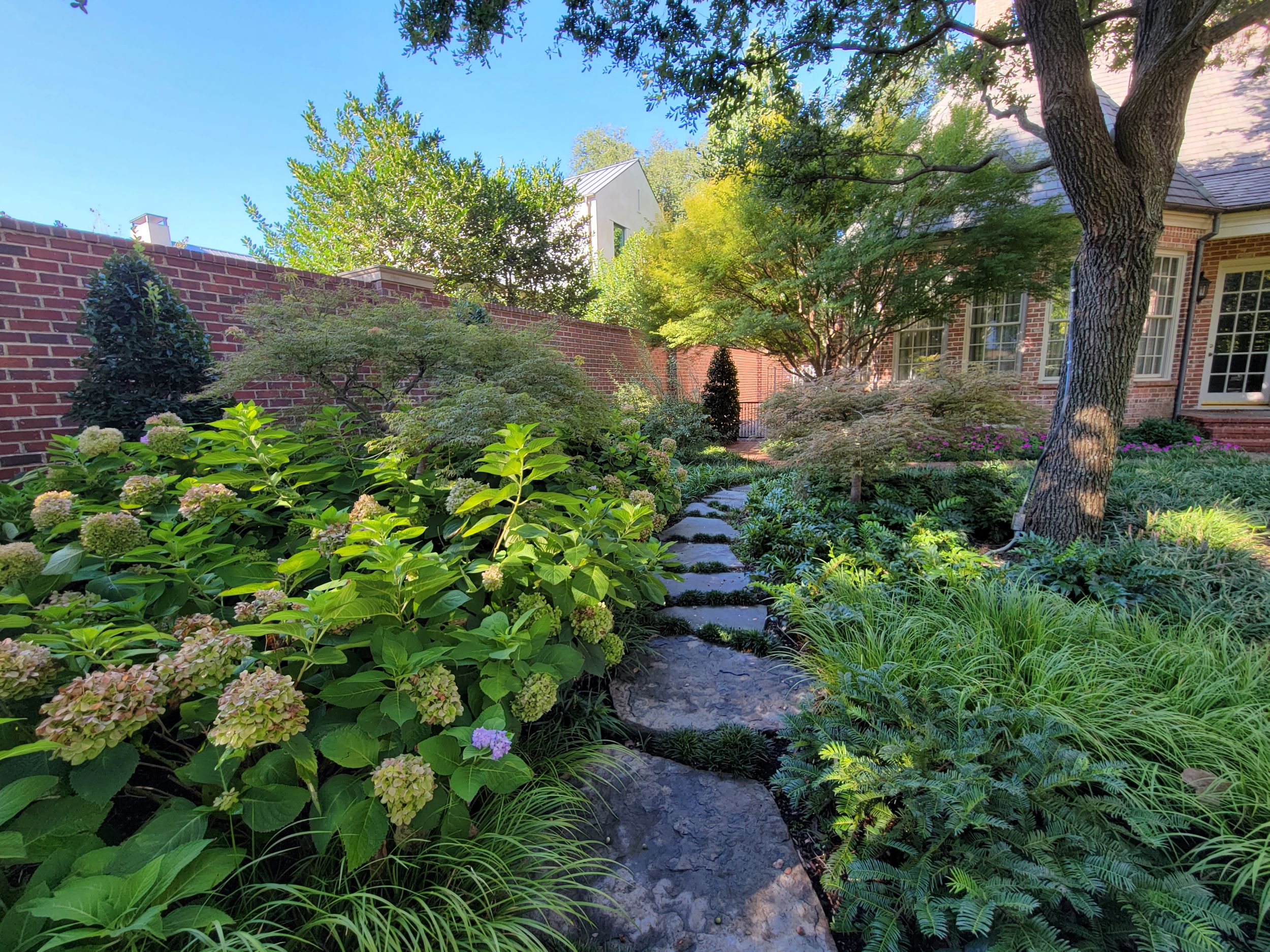
- Patios. Pavers are flexible and easy to repair. Concrete is cost-effective but needs joints. Natural stone looks premium and stays cool.
- Paths. Make them wide enough to pass. Use a stable base and set a gentle slope for drainage.
- Permeable options. Permeable pavers or gravel reduce runoff and meet some storm rules.
- Retaining walls. Add drainage stone and fabric behind the wall. Step and cap for a clean look.
- Edging. Steel or stone edging keeps mulch and gravel tidy.
Do not rush base prep. I spend half the time on grading and compaction. It pays off for years.
Outdoor lighting and smart irrigation
Light lets you enjoy the yard after dark. Smart water keeps plants healthy. Blend both for efficient Residential Landscaping Ideas.
Lighting layers:
- Path and step lights for safety.
- Accent lights for trees and art.
- Warm white bulbs around 2700K for a cozy feel.
- Timers or smart switches for easy control.
Irrigation basics:
- Group plants by water need.
- Use drip in beds and high-efficiency nozzles on turf.
- Add a weather-based controller and rain sensor to reduce waste.
Test your system each season. A clogged emitter or tilted head can waste water fast.
Budget, phasing, and DIY vs. pro
You can build a great yard in phases. That is one of my favorite Residential Landscaping Ideas for tight budgets.
- Phase 1. Fix grading and drainage. Set main paths and beds. Plant trees.
- Phase 2. Add patio, lighting, and shrubs. Install drip.
- Phase 3. Layer perennials, groundcovers, and details like pots and art.
Where to save and where to spend:
- Save by DIY planting, mulch, and drip kits.
- Spend on design, drainage, and patio base work.
- Get two to three quotes. Check licenses and insurance.
Keep a 10 to 15 percent buffer for surprises. It reduces stress and helps you make better choices.
Common mistakes and how to avoid them
Avoid these pitfalls to keep your Residential Landscaping Ideas on track.
- Planting too close to the house. Leave space for growth and airflow.
- Ignoring drainage. Water should flow away from the home at least 2 percent.
- Overplanting. Small plants grow. Leave space or plan to edit in year two.
- Wrong plant, wrong place. Match sun and soil before you buy.
- All hardscape, no green. Mix soft and hard for comfort and cooler temps.
I keep a “plant spacing” note on my phone. In the field, it stops me from squeezing in that one extra shrub.
Maintenance made simple: a yearly checklist
Simple care keeps the yard fresh. Use this quick plan with your Residential Landscaping Ideas.
Spring
- Cut back perennials and grasses. Top off mulch. Check irrigation.
Summer
- Spot weed weekly. Deep water less often. Deadhead to extend bloom.
Fall
- Plant trees and shrubs. Divide perennials. Add bulbs and compost.
Winter
- Prune structure plants. Clean tools. Plan next year’s changes.
Fifteen minutes twice a week beats a long weekend cleanup. Set a reminder and keep it light.
Frequently Asked Questions of Residential Landscaping Ideas
What is the easiest way to start if I feel overwhelmed?
Begin with one zone, like the front entry. Edge beds, add mulch, and place two statement pots to see fast results.
How do I choose plants that will survive?
Match plants to your USDA zone, sun, and soil. Read tags and group by water need to reduce stress and loss.
Can I get privacy without a tall fence?
Yes. Layer small trees, tall shrubs, and a trellis with vines. This creates depth and screens views faster than a fence alone.
What are good low-maintenance groundcovers?
Creeping thyme, ajuga, and mondo grass cover soil and block weeds. They also add texture and soft color.
How much lighting do I need for safety?
Light the path, steps, and entry. Use low, shielded fixtures to avoid glare while guiding the way.
Are gravel patios a good budget option?
They are affordable and drain well. Add a solid base and edging to keep stones in place.
How do I keep weeds down long-term?
Plant densely and mulch 2 to 3 inches. Weed weekly for five minutes before they set seed.
What is xeriscaping, and is it only for deserts?
It is water-wise design using efficient plants and irrigation. It works in many climates with the right plant mix.
Conclusion
A beautiful yard is built, not bought. Start with a simple plan, choose the right plants, and phase smart projects. Use these Residential Landscaping Ideas to shape rooms you will use every day, in every season. Take one step this week: sketch your zones, edge a bed, or plant a focal tree. Ready for more ideas and how-tos? Subscribe, share your progress, or drop your questions in the comments.