As an Amazon Associate, I earn from qualifying purchases.
Topsoil vs garden soil differ in composition and purpose; one fills, the other feeds and supports plants.
I have spent years working in gardens and landscaping, testing soils and mixing blends, so I know how confusing the terms Topsoil Vs Garden Soil can be for a homeowner or gardener. This guide breaks down those differences, when to use each, how to test and improve them, and practical tips from real projects so you can pick the right soil every time.
What is topsoil?
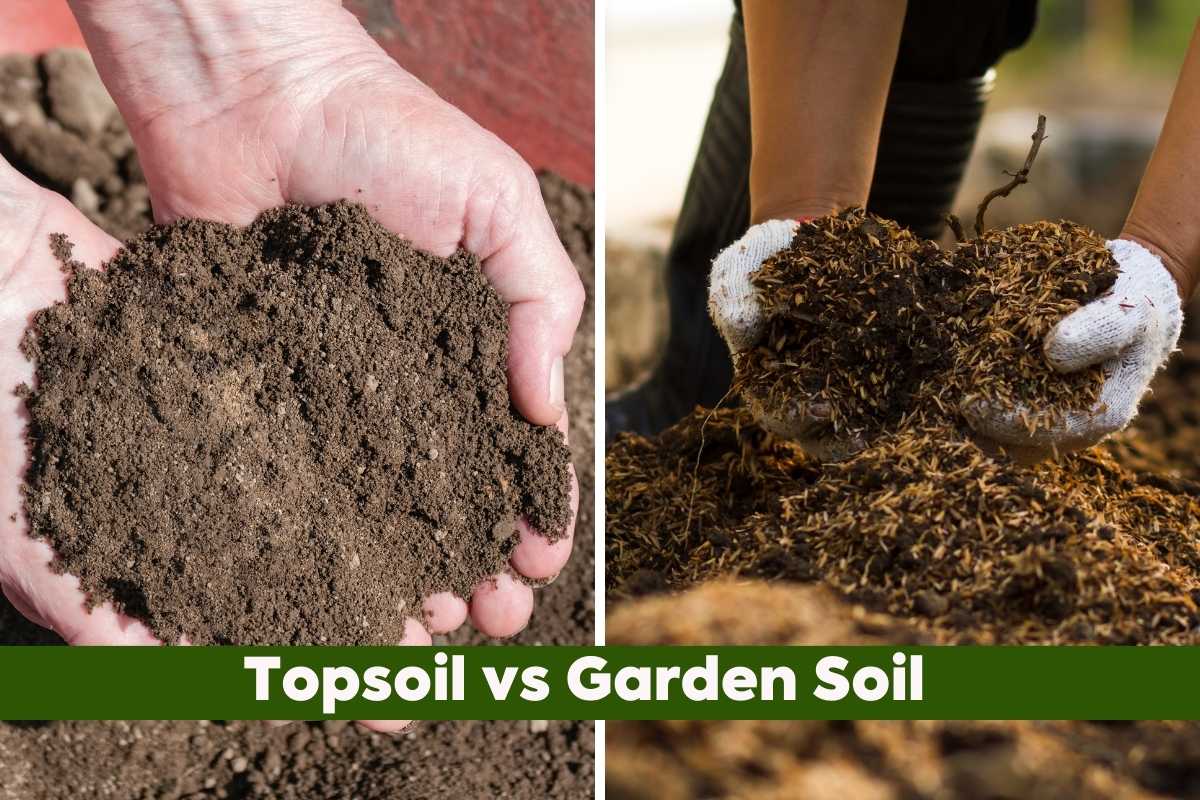
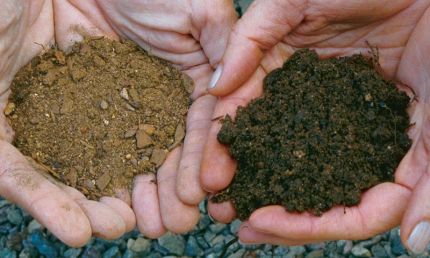
Topsoil is the uppermost layer of soil. It usually contains mineral particles, some organic matter, and native microbes. Landscapers and builders use topsoil for grading, filling low spots, and laying turf. Bagged topsoil varies widely in quality, from screened, clean mixes to inexpensive fills that have little organic content or many weed seeds.
- Typical uses
- Filling holes and leveling yards
- Base layer under sod
- Mixing with compost for large-scale projects
From my experience, cheap topsoil can save money for leveling. But for planting, plain topsoil often falls short because it may lack nutrients and good structure.

What is garden soil?
Garden soil is a blend designed to support growing plants. It usually includes topsoil plus higher amounts of compost, peat or coir, and sometimes sand or loam to improve drainage and structure. Garden soil aims to be nutrient-rich, friable, and ready for planting. It is formulated for flower beds, vegetable plots, and container mixes.
- Typical uses
- Planting vegetables and flowers
- Improving raised beds
- Mixing into poor native soil to boost fertility
In my raised bed projects, using quality garden soil made the most visible difference in plant vigor and yield. It costs more but delivers faster results.

Key differences between Topsoil Vs Garden Soil
Understanding Topsoil Vs Garden Soil comes down to purpose and content. Here are the main contrasts:
-
Composition
- Topsoil: Mostly mineral particles with low to moderate organic matter.
- Garden soil: Blend of minerals, high organic matter, and amendments.
-
Nutrient levels
- Topsoil: Often low and variable.
- Garden soil: Balanced nutrients for plant growth.
-
Structure and texture
- Topsoil: Can be heavy or compacted.
- Garden soil: Looser, better crumb structure.
-
Drainage and aeration
- Topsoil: May drain poorly if clay-rich.
- Garden soil: Improved drainage and aeration with added amendments.
-
Weed seeds and contaminants
- Topsoil: May contain seeds, roots, or debris.
- Garden soil: Usually screened and cleaned for planting use.
-
Cost and availability
- Topsoil: Cheaper per cubic yard.
- Garden soil: Pricier, but saves time and effort in amending.
If you think of the difference like cooking: topsoil is the basic ingredient, and garden soil is a finished recipe tuned for taste — here, plant growth. When weighing Topsoil Vs Garden Soil, choose based on whether you need structure and fill (topsoil) or a ready growing medium (garden soil).

When to use topsoil and when to use garden soil
Apply the right soil to the right job. This saves money and improves outcomes.
-
Use topsoil when
- You need to level ground or raise grade.
- You are backfilling large trenches.
- You need bulk material under new sod or seed.
-
Use garden soil when
- Planting beds, vegetables, or annuals.
- Filling raised beds or planters.
- Starting new planting areas where plants need nutrients immediately.
Practical example from my work:
- I used screened topsoil to level a backyard slope. After grading, I mixed a 50/50 blend of garden soil and compost in beds for planting. The lawn rooted fine on topsoil; the tomatoes thrived in garden soil.
Remember the phrase Topsoil Vs Garden Soil: think bulk vs. biology. Bulk jobs call for topsoil. Planting jobs call for garden soil.

How to test and improve either soil
Testing is simple and helps you decide whether to amend.
-
Quick home checks
- Texture test: Rub a moist pinch to feel sand, silt, or clay.
- Drainage test: Dig a hole, fill with water, see how fast it drains.
- Smell test: Healthy soil smells earthy; sour or rotten smells suggest problems.
-
Basic lab tests
- pH and nutrient tests help decide lime or fertilizer needs.
- Organic matter tests reveal how much compost you need.
-
How to improve topsoil and garden soil
- Add compost to boost organic matter and microbes.
- Mix in coarse sand or perlite to improve drainage in heavy soils.
- Use lime or sulfur to adjust pH if tests show imbalance.
- Sterilize or screen if weed seed contamination is a concern.
DIY garden soil mix for raised beds (simple ratio)
- 40% screened topsoil
- 40% compost
- 20% coarse sand or perlite
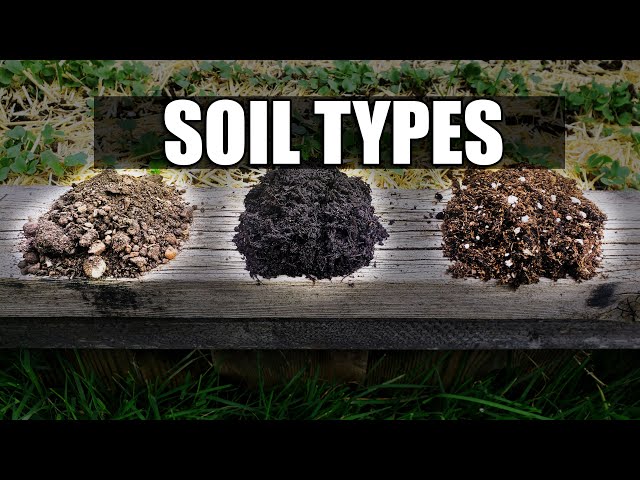
This mix balances Topsoil Vs Garden Soil needs: structure plus fertility. In my garden, this ratio helped squash and peppers establish quickly with fewer fertilizer applications.
Buying and sourcing tips
Buying the right soil saves headaches. Follow these tips when sourcing topsoil or garden soil.
-
Inspect bagged products
- Look for percent organic matter or a guaranteed analysis.
- Avoid products that list "screened fill" with no compost.
-
When buying bulk
- Ask for a sample before delivery.
- Check for clay content, stone, or woody debris.
-
Local sourcing
- Local topsoil often matches native conditions and is cheaper.
- Certified garden soil from reputable suppliers is better for planting.
-
Beware of misleading labels
- Terms like "garden mix" or "planting mix" vary widely. Ask what’s in it.
From my experience, a mid-range garden soil from a trusted supplier beats the cheapest topsoil for planting. For filling and grading, a basic screened topsoil is cost-effective.
Common user questions (PAA-style)
Q: Can I use topsoil instead of garden soil for raised beds?
A: You can, but plain topsoil usually needs compost and amendments to support plants. Mixing topsoil with compost creates a better garden soil.
Q: Will garden soil compact over time?
A: Some garden soils can compact if they have too much fine material. Adding compost and avoiding walking on beds helps maintain loose structure.
Q: Does topsoil contain weed seeds?
A: Yes, native topsoil can carry weed seeds and root fragments; screened and sterilized mixes reduce that risk.

Frequently Asked Questions of Topsoil Vs Garden Soil
What is the main purpose of topsoil?
Topsoil serves as the top layer for filling, leveling, and building lawns; it provides the base for plant roots but may lack nutrients. It is generally used in bulk for landscape grading and turf establishment.
Is garden soil better for vegetables than topsoil?
Yes, garden soil is formulated to support plant growth with added compost and amendments, so it usually outperforms plain topsoil for vegetables. It gives faster plant establishment and better yields.
Can I mix topsoil and garden soil together?
Yes, mixing topsoil and garden soil can balance structure and fertility. A common approach is to blend topsoil with compost to create an effective planting medium.
How do I tell if topsoil is good quality?
Good topsoil is dark, crumbly, and free of large debris and excessive stones; it should drain reasonably and have some organic content. Ask for a sample and check for uniform texture and smell.
Should I use garden soil for lawn seeding?
Garden soil can be used if it matches the lawn’s drainage and compaction needs, but screened topsoil is often preferred as a base under new sod or seed. Use garden soil sparingly on lawns because its richness can invite moss or excessive thatch.
Conclusion
Choosing between Topsoil Vs Garden Soil starts with your goal: bulk and grade, or plant support and fertility. Topsoil fills and levels. Garden soil feeds and nurtures. Test first, amend when needed, and match the soil to the job for the best results. Try a small test patch if unsure, and keep notes on what works in your yard.
Take action this week: test a spot, buy a small bag of garden soil, or mix compost into your topsoil and observe the change. Share your experience or questions below — I’ll help you troubleshoot.