
As an Amazon Associate, I earn from qualifying purchases.
Planting strawberries in Zone 7 is both rewarding and manageable when you understand the climate, soil, and timing. This region, stretching across parts of the southern and central United States, offers a moderate winter and a long growing season. If you want sweet, juicy strawberries in late spring and summer, starting your plants at the right time is essential. This guide will help you navigate every detail, from timing to preparation, to ensure your strawberry patch thrives.
Zone 7 Climate
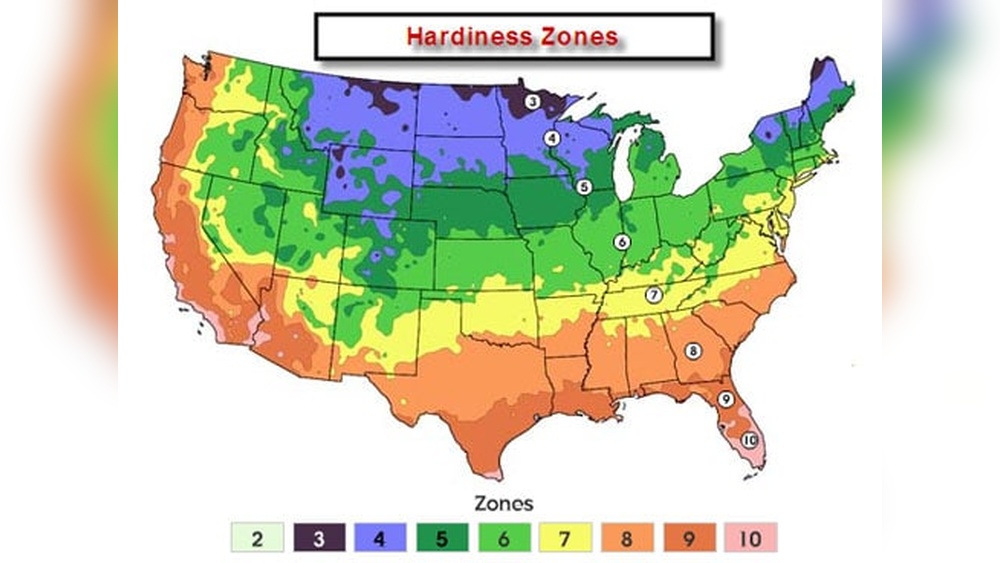
Zone 7 covers areas where average minimum winter temperatures range from 0°F to 10°F (-18°C to -12°C). Cities like Oklahoma City, Nashville, and Richmond are examples. Winters are cool but not harsh, and spring arrives early compared to colder zones.
One insight many gardeners miss: Zone 7 often gets sudden temperature swings in late winter and early spring. This means plants can be tricked into early growth, only to be shocked by a cold snap. It’s wise to monitor weather forecasts closely in March and April.
The Best Time To Plant Strawberries In Zone 7
Timing is the key to a strong harvest. In Zone 7, early spring is usually the ideal window for planting strawberries. Aim for late February to mid-March, as soon as the soil is workable but before plants break dormancy.
Why not plant in fall? While fall planting works in warmer zones, Zone 7’s unpredictable winter can cause young plants to die before they establish roots. Spring planting gives strawberries a full growing season to develop before facing their first winter.
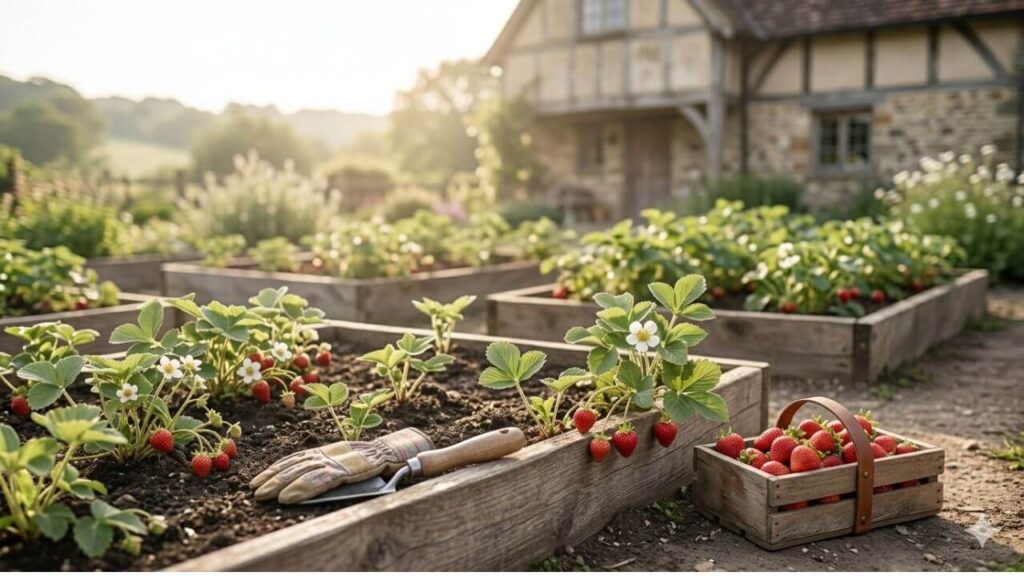
Table: Strawberry Planting Times By Zone
| USDA Zone | Planting Window | Frost Risk |
|---|---|---|
| Zone 5 | April to Early May | High |
| Zone 6 | Mid March to Early April | Moderate |
| Zone 7 | Late February to Mid March | Low to Moderate |
| Zone 8 | Late Fall or Early Spring | Low |
Pay attention to soil temperature. For strawberries, the ground should be at least 40°F (4°C) when you plant. Cold, soggy soil slows root growth and can cause rot.
Choosing The Right Strawberry Varieties
Not all strawberries are the same. In Zone 7, you can grow June-bearing, everbearing, or day-neutral varieties. Each type has different fruiting habits and care needs.
- June-bearing: Produce a large crop in late spring or early summer. Examples: Chandler, Jewel, Earliglow.
- Everbearing: Give two smaller crops, one in spring/early summer and another in late summer. Examples: Ozark Beauty, Quinault.
- Day-neutral: Flower and fruit throughout the growing season if temperatures stay between 35°F and 85°F. Examples: Albion, Seascape.
For most home gardeners in Zone 7, June-bearing varieties are the top choice for high yield and classic strawberry flavor. If you want berries over a longer season, mix in some everbearing or day-neutral plants.
Table: Popular Strawberry Varieties For Zone 7
| Type | Variety | Fruit Season | Notes |
|---|---|---|---|
| June-bearing | Chandler | Late May – June | High yield, sweet taste |
| Everbearing | Ozark Beauty | May, then late summer | Good for containers |
| Day-neutral | Albion | All season | Resistant to disease |
A common mistake: Planting only one type and missing out on a longer harvest. Mixing varieties gives you fresh strawberries for months.
Preparing The Soil For Strawberries
Strawberries need well-drained, fertile soil. Avoid heavy clay or spots with standing water. If your yard has poor drainage, use raised beds or large containers.
Work compost into the soil to reach a slightly acidic pH of 5.5 to 6.5. Home test kits are available at garden centers. Good soil prep is vital—strawberries hate “wet feet” and will rot if roots stay soggy.
Here’s how to prepare your strawberry bed:
- Remove weeds and old roots from the area.
- Loosen the soil to 8–10 inches deep.
- Mix in compost or well-rotted manure.
- Check pH and adjust with lime (to raise) or sulfur (to lower) as needed.
Remember to avoid using fresh manure, which can burn young plants and bring weed seeds.
How To Plant Strawberries In Zone 7
Once the soil is ready and the timing is right, it’s time to plant. Strawberries are usually sold as bare-root crowns or as small potted plants.
Steps for planting bare-root strawberries:
- Soak roots in water for 30 minutes before planting.
- Dig a hole wide enough to spread out the roots.
- Place the crown level with the soil surface—don’t bury it or leave roots exposed.
- Space plants 12–18 inches apart in rows 3–4 feet apart.
- Water thoroughly after planting.
For potted strawberries:
- Gently loosen the root ball.
- Plant at the same depth as in the pot.
A detail many beginners miss: If you plant the crown too deep, the plant can rot. Too shallow, and roots dry out.
Early Care After Planting
The first weeks are critical for strawberry establishment. Keep these tips in mind:
- Water regularly, aiming for 1–1.5 inches per week.
- Mulch with straw or pine needles to keep moisture in and weeds out.
- Remove flowers for the first 4–6 weeks. This helps plants focus on root growth, not fruit.
If a late frost is expected, protect young plants with row covers or old sheets overnight.
Credit: plantin.alibaba.com
Long-term Strawberry Care In Zone 7
Strawberries are perennials, but they need regular attention to thrive year after year.
- Fertilize lightly in early spring and again after harvest.
- Thin runners to prevent overcrowding. You can replant healthy runners elsewhere.
- Mulch in fall with straw to protect crowns from winter cold.
- Rotate beds every 3–4 years to prevent disease.
Don’t plant strawberries where tomatoes, peppers, or potatoes grew recently. These crops share diseases that can damage your patch.
Common Mistakes To Avoid
Even experienced gardeners make errors with strawberries. Watch out for:
- Planting too early or late—frost can kill young plants, and late planting leads to weak growth.
- Poor drainage—roots rot in soggy soil.
- Over-fertilizing—too much nitrogen gives lots of leaves but few berries.
- Skipping mulch—this invites weeds and dries out soil quickly.
Another non-obvious tip: Avoid using black plastic mulch in Zone 7. While it controls weeds, it can overheat the soil in warm springs, stressing plants.
When To Expect Your First Harvest
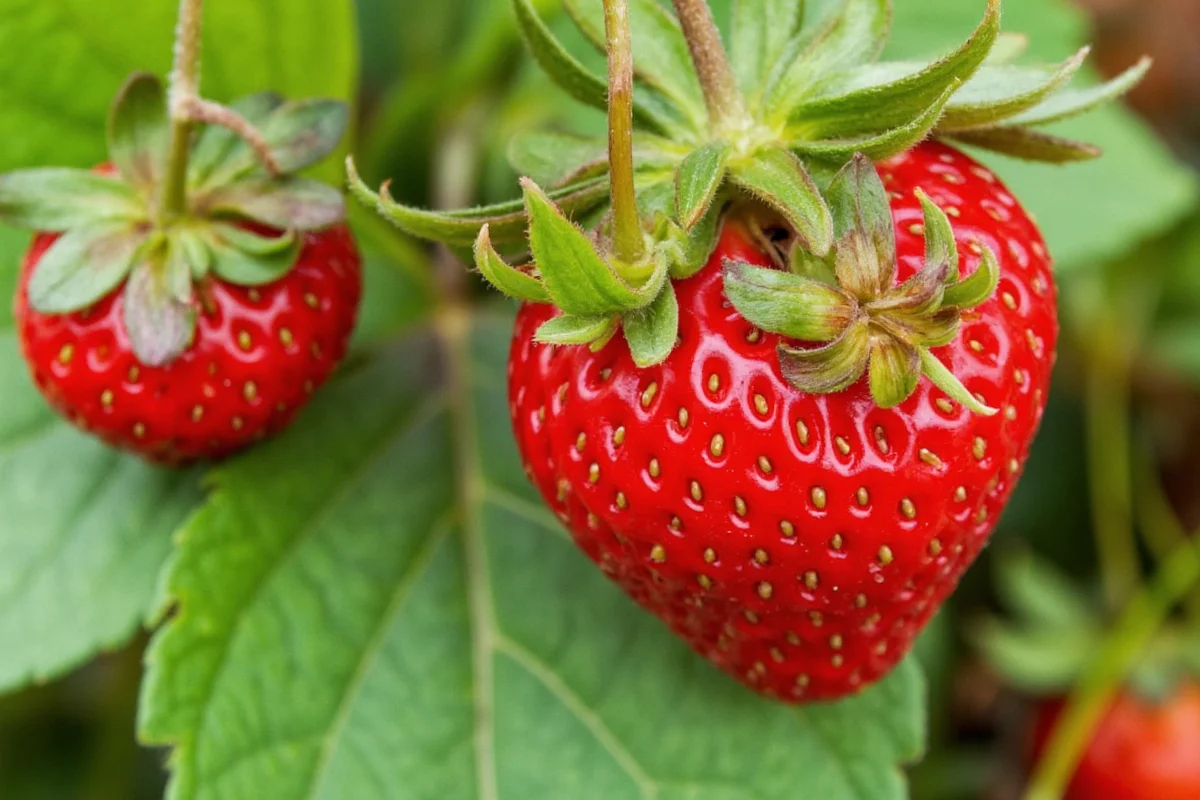
If you plant in early spring, most June-bearing strawberries will not produce much fruit the first year. Everbearing and day-neutral types may give a small harvest by late summer. The best yields come in the second year, once plants are well-established.
Patience pays off. By the second season, a healthy bed can produce 1–2 pounds of berries per plant.
Table: Strawberry Plant Growth Timeline
| Month | What to Expect |
|---|---|
| March | Planting, early leaf growth |
| April-May | Establishment, remove flowers |
| June | Possible light fruiting (everbearing/day-neutral) |
| July-August | Runner growth, strong root development |
| Following Spring | Full harvest (June-bearing) |

Credit: www.epicgardening.com
Extending Your Strawberry Season
If you want strawberries as long as possible, try these strategies:
- Plant a mix of June-bearing, everbearing, and day-neutral varieties.
- Use row covers to protect from early or late frosts.
- Try container gardening for an earlier start—pots warm up faster than garden beds.
In Zone 7, careful planning lets you enjoy strawberries from late spring through early fall.
Pest And Disease Management
Strawberries attract slugs, birds, and fungal diseases. Keep your patch healthy with good practices:
- Use mulch to keep fruit off wet soil.
- Water early in the day, not at night, to reduce rot.
- Remove old leaves and debris in fall.
- Cover plants with netting to keep birds away.
If you see moldy berries or spots on leaves, remove affected parts quickly.

Credit: www.reddit.com
Organic And Sustainable Tips
Many gardeners in Zone 7 choose natural methods for healthier strawberries:
- Add compost instead of synthetic fertilizer.
- Use straw mulch instead of plastic.
- Encourage beneficial insects by planting flowers nearby.
For more on organic strawberry growing, visit this resource from the University of Minnesota Extension.
Frequently Asked Questions
When Is The Earliest I Can Plant Strawberries In Zone 7?
You can plant as soon as the soil is workable and daytime temperatures are consistently above 40°F (4°C), usually in late February or early March. Do not plant if the ground is frozen or too wet.
Can I Plant Strawberries In The Fall In Zone 7?
It’s not recommended. While some gardeners try, young plants may not establish strong roots before cold weather arrives. Spring planting is safer and gives better results.
How Long Does It Take To Get Fruit After Planting?
Most June-bearing varieties will fruit the year after planting. Everbearing and day-neutral types can give a small harvest in their first season, but the main crop comes the next year.
What Is The Best Mulch For Strawberries In Zone 7?
Straw and pine needles are top choices. They keep soil moist, protect roots, and reduce weed growth. Avoid using plastic mulch, as it can overheat the soil in this region.
Do Strawberries Need Full Sun In Zone 7?
Yes, strawberries require at least 6–8 hours of direct sunlight each day. Less sun means fewer and smaller berries.
Growing strawberries in Zone 7 is both simple and satisfying if you follow the right steps. With proper timing, good soil, and ongoing care, you’ll enjoy baskets of fresh, homegrown berries for years to come. Remember, patience in the first year leads to a sweeter harvest in the seasons ahead.