
As an Amazon Associate, I earn from qualifying purchases.
Zen Garden Design Ideas are perfect if you’ve ever dreamed of having a calm, peaceful corner at home where you can take a deep breath and unwind. I still remember the first time I visited a Zen garden—it felt like all my stress just melted away. That same feeling can be recreated in your own backyard or even a small indoor space.
People love Zen gardens because they combine simplicity and nature in a way that instantly soothes the mind. Whether you’re a busy student, a working professional, or someone who just wants a quiet place to read or meditate, Zen garden design ideas can be tailored to fit your lifestyle, space, and budget.
In this guide, I’ll share 20 personalized Zen garden ideas, tips for creating your own peaceful oasis, and common mistakes to avoid—so you can enjoy the serenity of a Zen garden without any guesswork.
What Is a Zen Garden?
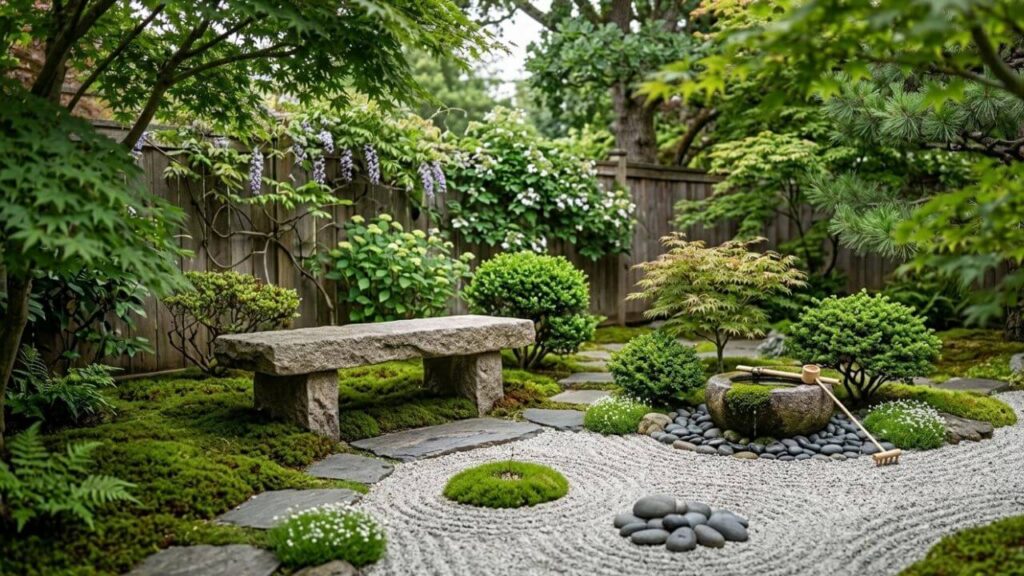
Zen gardens, also known as Japanese rock gardens or karesansui, originated in Japan centuries ago. They were traditionally used by monks to aid meditation and reflection, using minimalistic design elements to inspire calm.
Purpose
Zen gardens are built for mindfulness and meditation. Walking among carefully arranged stones, raked gravel, and serene plants can help clear your mind and focus your thoughts.
Main Elements
- Rocks: Represent mountains or islands
- Gravel or sand: Symbolizes water, raked in patterns
- Plants: Moss, bamboo, and small shrubs add greenery
- Water features (optional): Small ponds or fountains bring sound and movement
By combining these elements thoughtfully, Zen gardens create a sense of balance and harmony that promotes relaxation.
Why Zen Gardens Reduce Stress
Zen gardens are not only visually appealing but also psychologically beneficial.
Natural Element Psychology
Spending time in natural environments reduces stress hormones, lowers blood pressure, and improves mood. A well-designed Zen garden can mimic these effects, providing a peaceful escape in your own backyard.
Studies suggest that exposure to natural elements can reduce stress levels by up to 75%, helping people feel calmer and more focused. By engaging with the textures, colors, and patterns of a Zen garden, you create a mindful connection to nature that soothes the mind.
The emotional connection comes from simplicity and order: uncluttered spaces allow your thoughts to settle, making the garden a perfect retreat for reflection and mindfulness.

Credit: www.youtube.com
20 Modern Zen Garden Ideas in 2026
Here are 18 Zen garden designs with practical tips for each:
1. Minimalist Zen Garden
- What it looks like: Clean gravel, a few large stones, and sparse plants
- Best for: Small yards, modern homes
- Budget level: Low to medium
- Maintenance level: Low
- Personal tip: I suggest keeping it very simple—sometimes less really is more. A few stones and a small moss patch can make your space feel peaceful instantly.
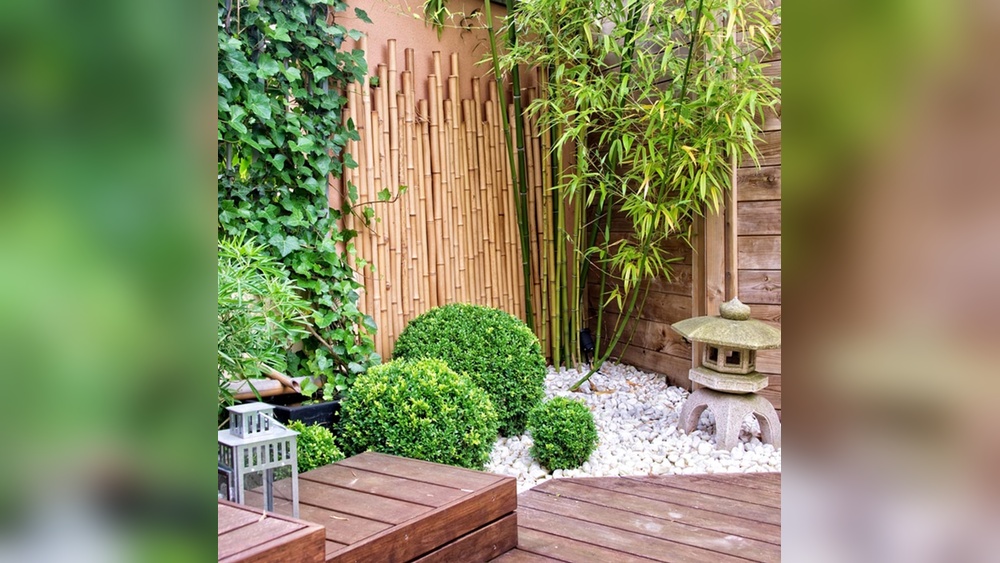
2. Rock and Bamboo Zen Garden
- What it looks like: Bamboo plants surrounded by carefully placed rocks
- Best for: Medium-sized gardens
- Budget level: Medium
- Maintenance level: Medium
- Personal tip: You can try planting taller bamboo along a fence or wall to create a natural privacy screen while keeping your Zen vibe.
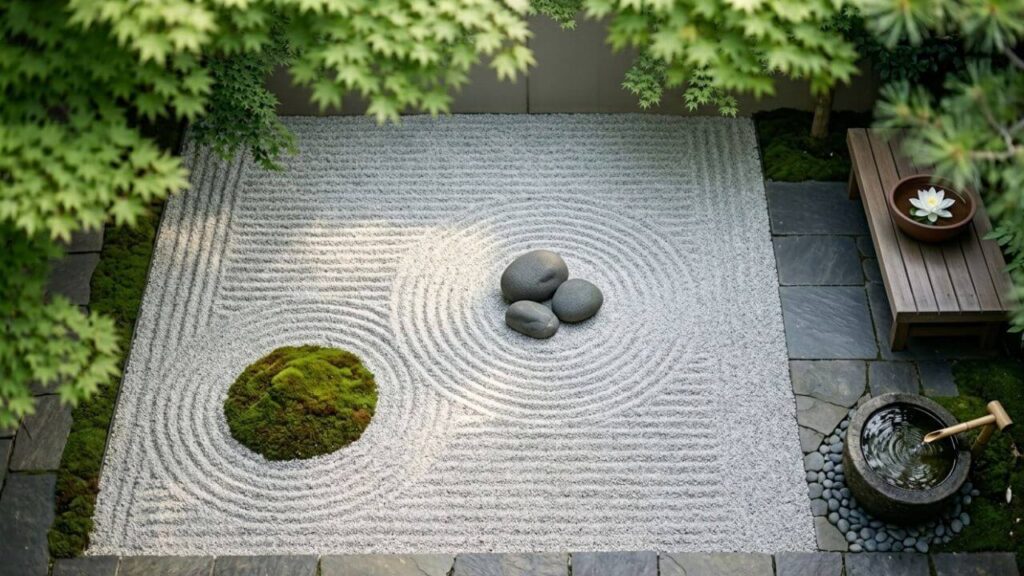
3. Moss-Covered Zen Garden
- What it looks like: Soft moss covering rocks and soil
- Best for: Shady areas
- Budget level: Low to medium
- Maintenance level: Medium
- Personal tip: I love how moss feels underfoot. Keep it moist and shaded—it’s a magical, soft green that instantly calms your mind.
4. Water Feature Zen Garden
- What it looks like: Small pond or fountain integrated with rocks and gravel
- Best for: Spacious backyards
- Budget level: Medium to high
- Maintenance level: Medium
- Personal tip: You can try adding a few floating plants or a tiny fountain sound—it’s amazing how just a little water makes the garden feel alive.
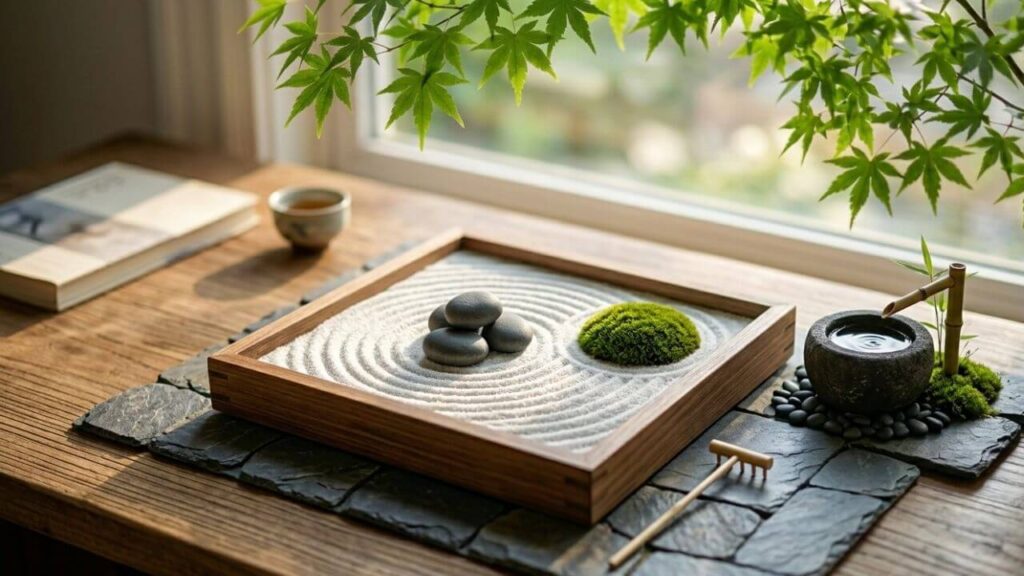
5. Miniature Tabletop Zen Garden
- What it looks like: Small tray with sand, stones, and a tiny rake
- Best for: Desks or indoor spaces
- Budget level: Low
- Maintenance level: Very low
- Personal tip: I suggest keeping it near your workspace. Raking patterns for a few minutes a day is surprisingly relaxing and perfect for mindfulness.
6. Desert Zen Garden
- What it looks like: Sand, rocks, and drought-resistant plants
- Best for: Dry climates
- Budget level: Low
- Maintenance level: Low
- Personal tip: You can try using contrasting rock sizes—it adds texture without needing water. It’s perfect if you want a Zen vibe with almost zero maintenance.
7. Modern Geometric Zen Garden
- What it looks like: Symmetrical layout with geometric stone placement
- Best for: Contemporary homes
- Budget level: Medium
- Maintenance level: Low
- Personal tip: I love using straight raking lines and rectangular stones. It gives a modern feel while still keeping the calm energy intact.
8. Forest-Inspired Zen Garden
- What it looks like: Moss, ferns, and shaded trees
- Best for: Larger, shaded gardens
- Budget level: Medium
- Maintenance level: Medium to high
- Personal tip: You can try adding a small stone path for walking meditation—it’s like having your own little forest sanctuary.
9. Coastal Zen Garden
- What it looks like: White sand, driftwood, and smooth stones
- Best for: Beachside homes
- Budget level: Medium
- Maintenance level: Medium
- Personal tip: I suggest adding shells or sea glass—it reminds me of a peaceful beach without leaving home.
10. Courtyard Zen Garden
- What it looks like: Compact Zen garden in a courtyard with plants and rocks
- Best for: Apartment terraces or small yards
- Budget level: Medium
- Maintenance level: Low
- Personal tip: You can try vertical plants or small bonsai trees to save space while keeping the garden visually interesting.
11. Tea Garden Zen Style
- What it looks like: Zen garden with stone paths leading to a tea table
- Best for: Outdoor patios
- Budget level: Medium to high
- Maintenance level: Medium
- Personal tip: I love having a small table for tea or meditation—just a few minutes there feels like a mini-retreat.
12. Japanese Maple Zen Garden
- What it looks like: Gravel, stones, and Japanese maple trees
- Best for: Medium to large gardens
- Budget level: Medium
- Maintenance level: Medium
- Personal tip: You can try pruning your maple to emphasize its shape—it’s amazing how much character it adds to the garden.
13. Indoor Zen Corner
- What it looks like: Potted plants, sand tray, and stones indoors
- Best for: Apartments or offices
- Budget level: Low
- Maintenance level: Low
- Personal tip: I suggest placing it near sunlight. A few indoor plants plus a mini tray instantly transforms any room into a calming corner.
14. Moon Gate Zen Garden
- What it looks like: Circular gate leading into a Zen space
- Best for: Medium gardens with a traditional touch
- Budget level: High
- Maintenance level: Medium
- Personal tip: You can try surrounding the gate with moss or low shrubs—it’s a magical focal point that draws your eye and invites calm.
15. Bamboo Fence Zen Garden
- What it looks like: Bamboo fencing around a gravel and rock garden
- Best for: Backyard privacy
- Budget level: Medium
- Maintenance level: Low
- Personal tip: I suggest adding a few stepping stones—it breaks the monotony and creates a peaceful walking path.
16. Zen Rock Pathway
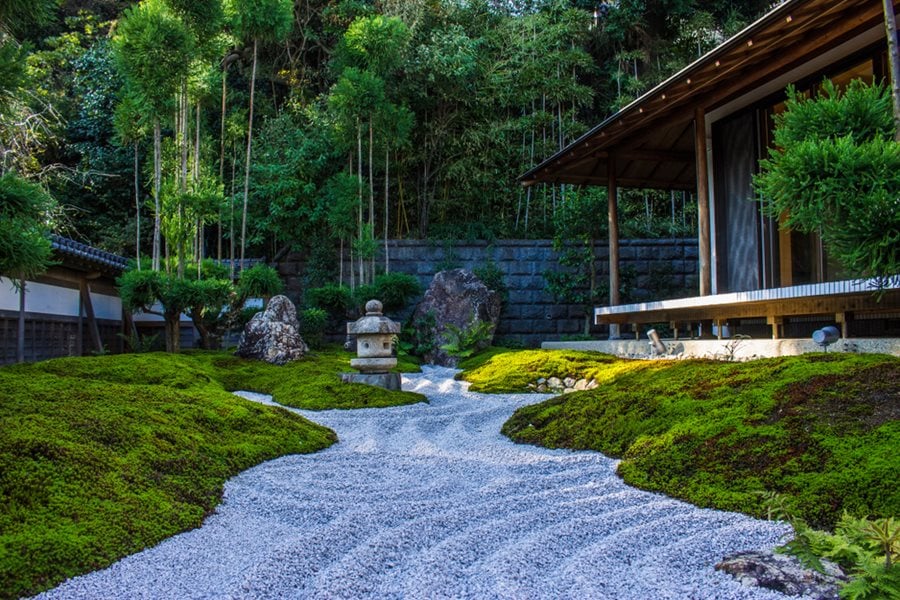
- What it looks like: Stone pathway through sand or gravel
- Best for: Gardens where walking meditation is desired
- Budget level: Medium
- Maintenance level: Medium
- Personal tip: You can try irregular stones for a natural feel. Walking slowly along them is surprisingly meditative.
17. Seasonal Zen Garden
- What it looks like: Plants and flowers that change with the seasons
- Best for: People who enjoy color variations
- Budget level: Medium
- Maintenance level: Medium to high
- Personal tip: I love adding perennials—they come back every year without much effort, so your garden changes naturally over time.
18. Meditation Nook Zen Garden
- What it looks like: Small seating area surrounded by rocks, gravel, and plants
- Best for: Personal reflection spaces
- Budget level: Medium
- Maintenance level: Low
- Personal tip: You can try adding a simple stone bench—it becomes your go-to spot for reading, meditating, or just enjoying quiet time.
19. Rock Cairn Zen Garden
- What it looks like: Stacked stones (cairns) placed on gravel or sand
- Best for: Small to medium gardens, meditation corners
- Budget level: Low to medium
- Maintenance level: Low
- Personal tip: I suggest stacking stones in different heights—it’s fun to build and visually soothing at the same time.
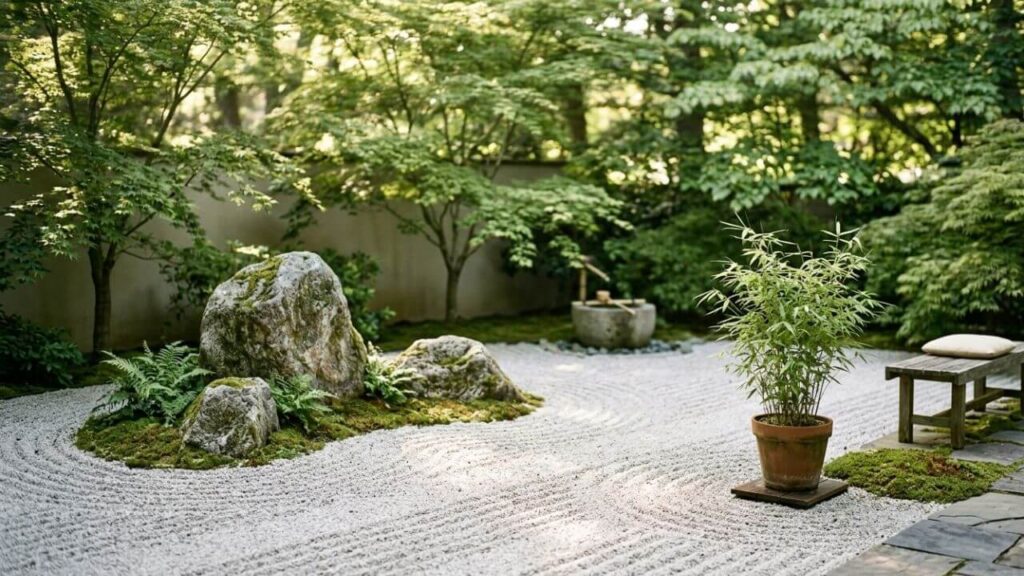
20. Bonsai Zen Garden
- What it looks like: Bonsai trees arranged with gravel, rocks, and moss
- Best for: Indoor spaces, patios, or small backyards
- Budget level: Medium to high
- Maintenance level: Medium to high
- Personal tip: You can try placing the bonsai as the main focal point and keeping surrounding patterns simple—the tree itself becomes the star of your Zen garden.
How Much Does a Zen Garden Cost?
Low Budget
- Gravel, small rocks, and a few plants
- Cost: $50–$200
- DIY-friendly, low maintenance
Medium Budget
- Added water feature, bamboo, decorative stones
- Cost: $200–$1,000
- Moderate maintenance
Luxury
- Large stones, premium water features, rare plants
- Cost: $1,000+
- High maintenance, professional design recommended
Credit: www.gardendesign.com
Common Mistakes to Avoid
- Overcrowding plants: Less is more in Zen design
- Too many decorations: Keep focus on simplicity
- No focal point: Each Zen garden needs a central element like a large rock or tree
- Ignoring maintenance: Even low-maintenance gardens need occasional care
Examples Of Famous Zen Gardens
Some of the world’s most famous Zen gardens are in Japan, but you can find beautiful examples in many countries.
- Ryoan-ji (Kyoto, Japan): Known for its simple rectangle of raked gravel and 15 rocks.
- Daisen-in (Kyoto, Japan): Features a river of white gravel and groups of stones that tell a story.
- Portland Japanese Garden (Oregon, USA): A modern example with traditional elements.
Visiting or studying these gardens can give you ideas and inspiration. You do not need to copy them exactly—focus on the feeling they create.
For more on the history and philosophy of Zen gardens, see the Japanese rock garden article.

Credit: bowerandbranch.com
Frequently Asked Questions
What Is The Difference Between A Zen Garden And A Japanese Garden?
A Zen garden, or karesansui, uses rocks, gravel, and minimal plants to create a symbolic landscape. It is designed for meditation and reflection. A Japanese garden can include ponds, bridges, many plants, and is often more decorative. All Zen gardens are Japanese gardens, but not all Japanese gardens are Zen gardens.
Can I Build A Zen Garden In A Small Space Or Indoors?
Yes, you can create a Zen garden in almost any space. For small areas or indoors, use a shallow tray with gravel, a few stones, and a small plant. Rake patterns in the sand for a calming effect. Even a balcony or corner can become a peaceful Zen retreat.
How Do I Maintain The Patterns In The Gravel?
Use a wooden rake to gently create lines or waves in the gravel. Redo the patterns every week or after rain. Remove leaves and debris before raking. Over time, you may need to add fresh gravel to keep the surface even.
What Plants Are Best For A Zen Garden In A Hot, Dry Climate?
If you live in a dry area, choose drought-tolerant plants like juniper, succulents, or certain types of bamboo. Avoid moss unless you can provide extra moisture. You can also use gravel, sand, and rocks with very few plants for a true dry landscape look.
Do I Need Special Tools To Create A Zen Garden?
You only need a few simple tools: a shovel for digging, a rake for gravel, and pruning shears for plants. For indoor gardens, a small hand rake works well. Avoid heavy or powered tools, as they can damage delicate features.
Creating a Zen garden is a journey, not just a project. Each step, from choosing stones to raking gravel, brings you closer to a space of peace and beauty. With patience and care, you can enjoy your own piece of Zen, right at home.
Conclusion
Zen gardens are more than just beautiful backyard features—they are peaceful retreats that bring balance, mindfulness, and relaxation into your daily life. Whether you choose a minimalist design for a small space or a luxurious garden with water features, the key is simplicity, harmony, and connection with nature.
By carefully selecting rocks, gravel, plants, and optional water elements, you can create a Zen garden that reflects your style and meets your needs. Remember to avoid common mistakes like overcrowding or overdecorating, and choose a design that suits your space and budget.
With thoughtful planning and a touch of creativity, a Zen garden can transform any backyard or indoor corner into a serene escape, helping you reduce stress and enjoy the beauty of mindful living.