As an Amazon Associate, I earn from qualifying purchases.
To grow moonflowers, plant scarified or overnight-soaked seeds in warm, well-drained soil after the last spring frost. Give the vines plenty of sunlight, steady moisture, and a strong trellis. With proper care, they can grow up to 15 feet in one season and produce fragrant white flowers that open in the evening.
Moonflowers are a lovely choice for American gardeners who want to add something special to a summer garden. Their large white blooms open as daylight fades, filling the evening air with a sweet scent. They look beautiful along backyard fences, porch trellises, pergolas, and garden arches.
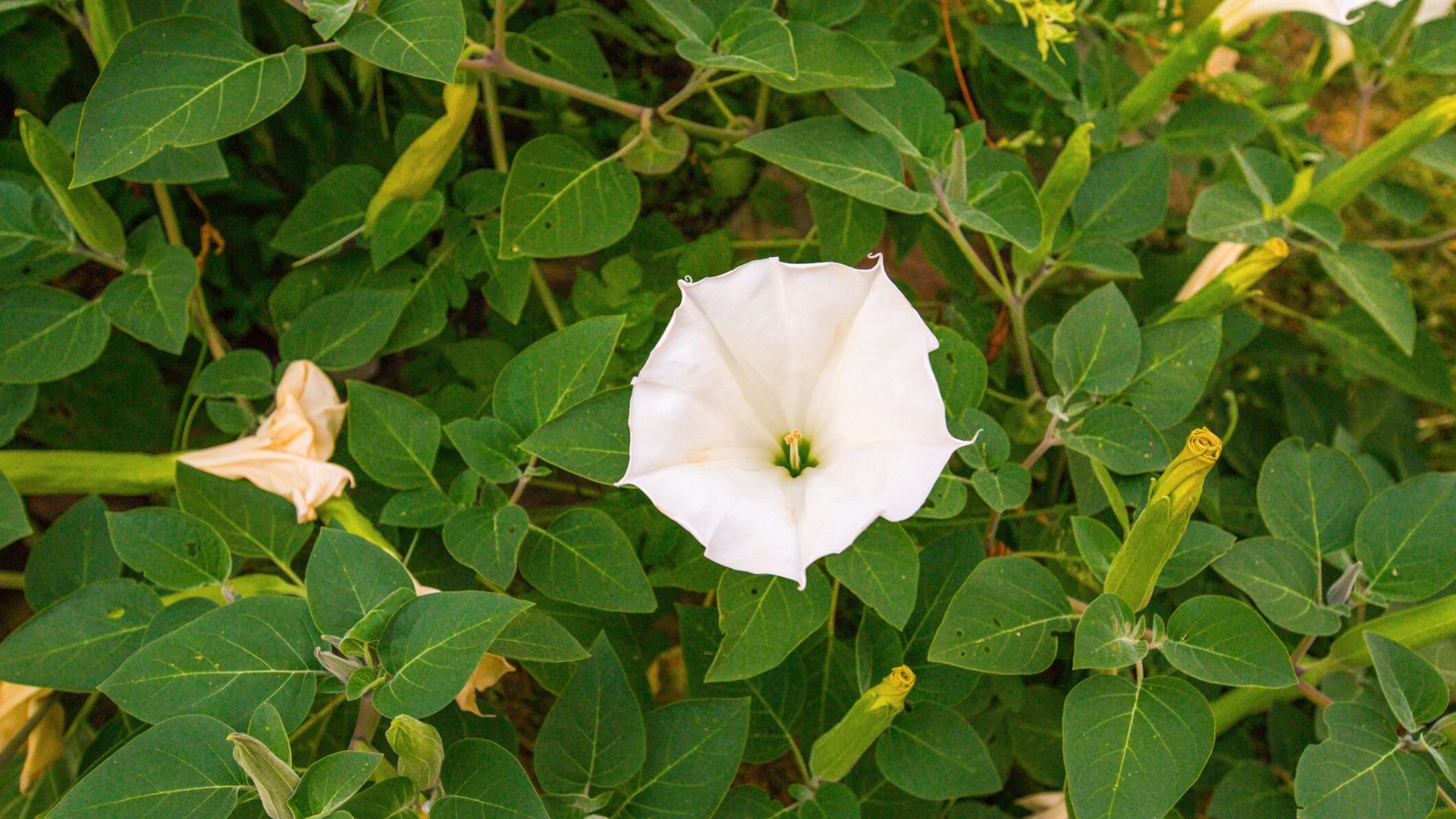
The moonflower, known by its botanical name Ipomoea alba, belongs to the morning glory family. Unlike many familiar morning glories that open in the morning, this vine saves its show for the evening. Its flowers can reach about 6 inches across and attract night-flying moths.
Growing moonflowers is fairly simple once you understand their needs. Warm weather, good drainage, a sturdy climbing support, and proper seed preparation are the main things to get right. In colder parts of the United States, gardeners usually grow this tender perennial as a warm-season annual.
This guide explains how to start moonflower seeds, prepare the soil, plant young vines, and care for them through the growing season. It also covers common problems, seed saving, and the difference between true moonflowers and other plants that share the same common name.
Moonflowers are flowering vines best known for their large, fragrant white blooms. The species most often grown for night gardens is Ipomoea alba, also called tropical white morning glory or moonvine. It is native to tropical parts of the Americas and is grown as an ornamental plant.
The flowers usually begin opening around dusk. Their petals unfold quickly from long, twisted buds, creating a striking display in the evening. The blooms often stay open through the night and close the next morning.
The vine has large, heart-shaped green leaves and twining stems. In a warm growing season, it can reach about 10 to 15 feet, sometimes growing farther in a long, frost-free climate. Its rapid growth makes it useful for covering a fence or adding shade to an open garden structure.
Moonflowers are also useful in gardens designed for nighttime visitors. Their open flowers provide nectar for night-flying moths, including sphinx moths. Planting them near a patio or seating area lets you enjoy both their scent and the activity around the flowers.
Source: thekitchengarten.com
Botanical name
Ipomoea alba is the true moonflower vine discussed in this guide.
Flower color
The classic blooms are large, trumpet-shaped, and white.
Blooming time
Flowers usually open in the evening and close during the following day.
Growth habit
The plant is a fast-growing, twining vine that needs room and climbing support.
Do Not Confuse Ipomoea alba With Datura Moonflowers
The common name moonflower can refer to more than one plant. Ipomoea alba is the climbing vine with heart-shaped leaves and evening-opening flowers. Datura species are different plants that may also be called moonflowers or moonflowers of the night.
This difference matters because Datura plants can be highly poisonous. Always check the botanical name on the seed packet or plant label before buying or planting. This guide covers Ipomoea alba, not Datura.
Even with Ipomoea alba, do not eat the seeds, flowers, leaves, or other plant parts. Keep seeds stored in a labeled, closed container and place them out of reach of children and pets.
Choose the Best Location for Growing Moonflowers
Choose a warm garden spot with plenty of sunlight and room for the vine to climb. Moonflowers grow best when they receive about six or more hours of direct sunlight each day. They can tolerate some partial shade, especially in very hot climates, but deep shade may reduce flowering.
Think about where you want to enjoy the flowers. A spot near a porch, patio, or outdoor seating area is a good choice because the blooms open when many people are relaxing outside. You can also plant them beside a fence or garden arch.
Give the plant enough room to spread without covering nearby flowers or shrubs. Its stems can grow quickly during warm weather and may wrap around plants that are too close. A dedicated climbing space makes maintenance easier.
Avoid low areas where water collects after heavy rain. Although moonflowers enjoy regular moisture, their roots need air and should not sit in soggy soil. A sunny location with good drainage helps establish healthy roots.
Source: Gardening Know How
Sunlight
Aim for six or more hours of direct sunlight, with light afternoon shade acceptable in hot locations.
Garden space
Allow enough room for a vine that may reach 15 feet tall and several feet wide.
Air movement
Choose a spot with reasonable airflow to help foliage dry after rain.
Climbing support
Place the plant close to a sturdy fence, trellis, arbor, or other suitable support.
Can Moonflowers Grow in Containers?
Yes, moonflowers can grow in large containers if you provide enough root space and a climbing support. Choose a deep, sturdy pot with drainage holes. A container that dries out too quickly can make summer care harder.
Use a quality potting mix that drains well but still holds some moisture. Place the container where the vine receives plenty of light. Add a trellis or strong frame that can support the mature plant.
Container-grown moonflowers may need more frequent watering than plants in garden beds. Check the soil often during hot weather and water when the top layer begins to dry. Avoid leaving the pot in a tray filled with standing water.
Choose a large pot
A roomy container gives roots space to develop and helps prevent the plant from drying out too quickly.
Provide drainage
Use a pot with open drainage holes to prevent waterlogged roots.
How to Prepare Moonflower Seeds for Planting
Preparing moonflower seeds before planting can improve germination. Their outer coating is hard, which can slow the movement of water into the seed. Soaking or gently nicking the seed coat helps water enter and supports the start of growth.
You can buy fresh seeds from a garden center or a reliable seed supplier. Read the packet to confirm that the species is Ipomoea alba. Check the growing instructions as well, since some suppliers may sell seeds that have already been treated.
There are two common ways to prepare untreated moonflower seeds. You can soak them overnight in warm water or lightly scratch the outer coating. Both methods help soften the seed coat without requiring special equipment.
Source: everythingbackyard.net
Method 1: Soak the Seeds Overnight
Place the seeds in a small bowl of warm water. Leave them to soak for about 8 to 12 hours, or overnight. The water should be comfortably warm, not boiling.
Check the seeds the next day. Some may look slightly swollen, which is a useful sign that they have absorbed water. Plant them soon after soaking rather than allowing them to sit in water for several days.
Step 1
Place the seeds in a clean bowl.
Step 2
Cover them with warm water and leave overnight.
Step 3
Drain the water and plant the seeds in prepared soil.
Method 2: Gently Nick the Seed Coat
Scarification means making a small break in a hard seed coat so water can enter. Hold a seed securely and use a nail file or fine sandpaper to rub a tiny area of the outer surface. You can also use a small file.
Work slowly and avoid cutting deeply into the seed. The goal is to weaken the outer coating, not damage the living tissue inside. If you are unsure, soaking overnight is a simpler option.
Use a gentle touch
Rub only a small section of the hard outer coating.
Avoid deep cuts
Do not cut into the inner seed or remove large pieces of the coating.
Plant promptly
Sow the prepared seeds soon after scarification.
When to Plant Moonflower Seeds
Plant moonflower seeds outdoors after the last spring frost, once the soil has warmed. These tropical vines do not tolerate frost well, and cold soil can slow germination. Waiting for warmer conditions gives young plants a better start.
In much of the United States, this means planting sometime in spring. The exact date depends on your local climate. Gardeners in southern states may have an earlier planting window than those in northern states.
If you live in an area with a short growing season, start seeds indoors about six to eight weeks before the expected last frost. This gives the plants extra time to develop before outdoor planting. Handle the roots carefully when transplanting because young vines can be sensitive to root disturbance.
In warm regions with a long growing season, direct sowing can work well. The main trade-off is that plants started outdoors may begin flowering later than those started indoors.
Source: www.pinterest.com
A Simple Planting Guide by Climate
Use local frost dates and soil warmth rather than following one national planting date. The table below gives a general guide for gardeners in different parts of the United States. It is a planning aid, not a fixed calendar.
Northern states
Start seeds indoors before the last frost and transplant outdoors after frost danger has passed and the soil is warm.
Midwestern states
Start indoors for an earlier season or direct sow after the final spring frost.
Southern states
Direct sowing is often practical after the soil warms and frost risk has passed.
Warm coastal areas
Use local seasonal guidance and provide afternoon shade if intense heat stresses young plants.
Should You Start Moonflowers Indoors?
Starting indoors is useful when your outdoor growing season is short. Sow each seed in an individual biodegradable pot or another container that allows careful transplanting. Use a light seed-starting mix and keep it evenly moist.
Place the pots in a warm, bright location. A heat mat can help maintain steady warmth if the room is cool. Once seedlings emerge, give them strong light so they do not become tall and weak.
Harden off the seedlings before planting them outside. Move them outdoors for a short period each day, gradually increasing their exposure to sun and wind over about a week. Transplant after frost danger has passed.
How to Plant Moonflowers in the Garden
Plant moonflowers in loose, well-drained soil after the weather has warmed. Prepare the planting area before sowing so the seeds have good contact with the soil and young roots can spread easily. Remove weeds, stones, and large pieces of debris.
Moonflowers can grow in several soil types, including sandy, loamy, and clay soils, as long as drainage is suitable. If your soil is heavy clay, mix in organic matter and consider using a raised bed if water tends to collect. Avoid adding large amounts of fertilizer before planting.
Sow seeds about half an inch deep, following the seed packet if it gives different instructions. Water gently after planting so the soil settles around each seed. Keep the planting area moist while waiting for germination.
If planting more than one vine, leave enough space between them for air movement and mature growth. A spacing of roughly 12 to 24 inches can work as a starting point, depending on the support and the amount of coverage you want. Avoid overcrowding a small trellis.
Source: www.pinterest.com
Step 1: Prepare the soil
Loosen the planting area and remove weeds. Improve poor drainage before sowing.
Step 2: Make planting holes
Make small holes about half an inch deep for the prepared seeds.
Step 3: Sow the seeds
Place one seed in each hole and cover it lightly with soil.
Step 4: Water gently
Moisten the soil without washing seeds out of their planting spots.
Step 5: Watch for seedlings
Keep the soil evenly moist until seedlings appear, then adjust watering as the plants grow.
How Long Do Moonflower Seeds Take to Germinate?
Germination time depends on seed quality, soil warmth, moisture, and seed preparation. Under suitable warm conditions, seedlings may appear within one to two weeks, although some seeds take longer.
Do not dig up seeds every few days to check for growth. This can disturb the seed and damage early roots. Instead, keep the soil moist and give the seeds time to develop.
If nothing appears after two or three weeks, check whether the soil has stayed too wet, too dry, or too cold. You can also try another batch of properly prepared seeds in fresh growing mix.
Give Moonflower Vines a Strong Climbing Support
Moonflowers are twining vines, so they need a structure they can wrap around as they grow. Install the support before planting or while the seedlings are still small. Adding a trellis later can disturb established roots and tangled stems.
A sturdy garden trellis is one of the easiest options. You can also use a fence, arbor, pergola, or strong garden frame. Choose a structure that can handle the weight of mature stems and foliage, especially after rain.
Guide young stems toward the support as they develop. If a stem is growing away from the structure, gently move it toward a nearby opening. Do not pull hard or bend a brittle stem.
A trellis with narrow bars, netting, or horizontal wires gives the vine more places to wrap around. Avoid relying on a weak decorative frame that may bend under the plant’s growth.
Source: Gardening Know How
Garden trellis
A simple upright trellis works well beside a flower bed or patio.
Wooden fence
A strong fence can provide a broad climbing area and help screen an outdoor space.
Pergola or arbor
These structures can create a leafy garden feature above a path or seating area.
Heavy-duty garden netting
Secure netting between strong posts can give the stems plenty of places to climb.
How to Train Young Moonflower Vines
Check the vine every few days while it is young. Move loose stems toward the support and let them begin twining naturally. If needed, use soft garden ties to hold a stem in place without squeezing it.
Remove dead or damaged growth with clean pruning shears. You can also trim a wayward stem if it is covering a nearby plant or growing into an unwanted area. Avoid heavy pruning when the plant is forming buds.
How to Care for Moonflower Plants
Established moonflower vines are not difficult to maintain, but they need regular attention during hot and dry weather. Water, sunlight, soil drainage, and suitable feeding all affect the plant’s growth. A steady care routine helps the vine develop healthy leaves and flowers.
The most useful habit is to check the soil instead of following a rigid watering schedule. Weather, soil type, and container size all affect how quickly the growing area dries. Adjust your care as conditions change.
Source: everythingbackyard.net
1. Water Regularly
Moonflowers prefer moist soil, especially while young and during periods of active growth. Water deeply when the upper layer of soil begins to dry. This encourages roots to grow farther into the soil.
Water near the base of the plant rather than spraying the leaves every time. Morning watering is useful because it allows excess moisture on the foliage to dry during the day. In hot weather, check container plants more often because pots lose moisture quickly.
Do not keep the roots constantly wet. Yellow leaves, soft stems, and soil that stays soggy may point to poor drainage or overwatering.
New seedlings
Keep the soil evenly moist while the roots are getting established.
Established vines
Water deeply when the soil begins to dry, adjusting for rainfall and heat.
Container plants
Check moisture more often and make sure excess water can drain freely.
2. Provide Enough Sunlight
Full sun supports strong growth and flowering. Aim for at least six hours of direct sunlight when possible. In regions with very intense summer heat, some afternoon shade can reduce stress.
If your vine produces many leaves but few flowers, check how much light it receives. A shaded location may encourage leafy growth without enough flowering. Moving a container to a brighter spot may help.
3. Feed With Care
Moonflowers do not need heavy feeding in fertile garden soil. Too much nitrogen can encourage long stems and lush leaves at the expense of flowers. This is a common reason gardeners see a large vine but fewer blooms.
If your soil is poor, use a balanced, mild fertilizer according to its label. Compost added before planting can also improve soil structure and supply nutrients gradually. Avoid repeated heavy applications unless a soil test shows a need.
Use compost
Mix a modest amount of finished compost into poor soil before planting.
Avoid excess nitrogen
Do not overfeed with products designed mainly to promote leafy growth.
4. Keep the Planting Area Weed-Free
Weeds compete with young moonflowers for water, light, and nutrients. Remove them while they are small, taking care not to disturb the vine’s roots.
A thin layer of organic mulch can help reduce weeds and slow water loss. Keep mulch a little away from the main stem to prevent excess moisture from collecting around the base.
5. Prune Only When Needed
Moonflowers usually need little pruning. Remove damaged stems, dead leaves, and growth that has moved into an unwanted area. Light trimming can also help keep a container-grown vine within its available space.
Avoid cutting back large amounts of healthy growth without a reason. The plant produces flowers on its growing stems, so excessive pruning may reduce the number of blooms.
When Do Moonflowers Bloom?
Moonflowers usually bloom during the warmer part of the growing season, often from summer into fall. The exact timing depends on when the seeds were planted, how quickly the vine matured, and the local climate.
The flowers are most noticeable around dusk. Their long buds begin to loosen, and the white petals unfold over a short period. This makes them especially enjoyable in a garden where you can watch the blooms open.
Each flower does not remain fresh for many days. Individual blooms are short-lived, but a healthy vine can continue producing new buds. This gives the plant a long flowering display when growing conditions are suitable.
Night-flying moths visit the flowers to feed on nectar. Their activity makes moonflowers a useful addition to a garden designed to support nighttime pollinators.
Source: www.pinterest.com
Best viewing time
Check the buds around sunset and during the early evening.
Flower scent
The white blooms release a noticeable sweet fragrance, especially at night.
Pollinator activity
Night-flying moths may visit the open flowers for nectar.
Why Are My Moonflowers Not Blooming?
A moonflower vine may grow for weeks before producing its first flowers. If the plant looks healthy but has no buds, start by checking sunlight and fertilizer use. Too much shade or too much nitrogen can delay or reduce flowering.
Also consider the planting date. A vine started late in the season may need more time to mature. In some areas, shorter days and cooler weather can arrive before the plant reaches its full flowering stage.
Give the vine time, keep watering steady, and avoid heavy feeding. If it is growing in a container, make sure the pot is large enough and the roots are not crowded.
Too little sunlight
Move container plants to a brighter spot or improve light exposure in the garden.
Too much fertilizer
Reduce feeding, especially high-nitrogen products.
Late planting
Allow more time for the vine to mature and form flower buds.
Cold conditions
Protect young plants from cold weather and wait for warm soil before planting.
Common Moonflower Growing Problems and Solutions
Most moonflower problems are linked to watering, temperature, light, or poor growing conditions. The plant is generally considered low-maintenance, but young seedlings need care while they establish their roots.
Look at the whole plant before deciding what is wrong. A single yellow leaf does not always mean disease. Check the soil, inspect the stems, and look for insects before changing your care routine.
Source: thekitchengarten.com
Yellow Leaves
Yellow leaves can result from overwatering, poor drainage, low light, or a lack of nutrients. Check the soil first. If it stays wet for several days, improve drainage and reduce watering.
If the soil is dry and the plant is wilting, water deeply. If the lower leaves turn yellow while the rest of the vine looks healthy, some natural leaf aging may be taking place.
Likely cause
Excess water, poor drainage, dry soil, or nutrient problems.
What to do
Check soil moisture and drainage before applying fertilizer.
Slow Growth
Moonflowers may grow slowly when temperatures are low. Their growth usually speeds up as the weather becomes consistently warm. Cold soil can also delay seed germination and early root development.
Make sure the plant receives enough light and has room for its roots. Avoid heavy feeding to force growth, as this may create other problems.
Check temperature
Wait for warm conditions and protect seedlings from cold nights.
Check the roots
Make sure the soil drains well and container plants have enough root space.
Wilting Leaves
Wilting can happen when the soil becomes too dry during hot weather. Water the plant deeply and check whether it recovers. Container plants may need more frequent checks than garden-grown vines.
If the soil is already wet, do not add more water. Soggy soil can damage roots and make the plant look wilted even when moisture is plentiful.
Dry soil
Water slowly and deeply, then monitor the plant.
Wet soil
Improve drainage and allow excess moisture to escape.
Leaves With Holes or Chewed Edges
Chewed leaves may indicate caterpillars, beetles, or other garden insects. Look beneath the leaves and along the stems for visible pests. Small amounts of feeding damage may not harm a vigorous vine.
Remove a few visible pests by hand when practical. If damage becomes severe, identify the insect before choosing a treatment. Avoid spraying flowers when pollinators are active.
Many Leaves but Few Flowers
A vine covered in green leaves but lacking buds often receives too much nitrogen or too little sunlight. Check the fertilizer label and review how much direct sun the plant receives.
Reduce unnecessary feeding and improve light exposure where possible. Give the plant time to mature before assuming that something is seriously wrong.
How to Save Moonflower Seeds for Next Year
You can collect mature moonflower seeds at the end of the growing season. This is useful if you want to grow the same plant again next spring without buying another packet. Allow the seed pods to mature on the vine before collecting them.
After flowering, the plant may form seed pods. Wait until the pods become dry and brown before harvesting. Immature green pods may contain seeds that have not finished developing.
Collect the dry pods carefully and remove the seeds. Let them air-dry in a safe, dry place if they still feel moist. Once fully dry, place them in a labeled paper envelope or a suitable closed seed container.
Store the seeds in a cool, dry location away from direct sunlight. Keep them out of reach of children and pets, and do not store them beside food. Label the container with the botanical name and collection date.
Source: everythingbackyard.net
Wait for mature pods
Collect pods only after they have dried and turned brown on the vine.
Remove the seeds
Open the dry pods and separate the mature seeds.
Dry thoroughly
Allow any remaining moisture to evaporate before storage.
Label and store
Use a labeled container and keep seeds in a cool, dry, secure place.
Will Moonflowers Come Back Every Year?
Moonflower is a tender perennial in warm climates, but gardeners in much of the United States grow it as an annual. Frost can kill the above-ground growth and prevent the plant from surviving winter outdoors.
In frost-free regions, the vine may survive longer and continue growing. It can also produce seeds that sprout in later seasons. If you do not want volunteer seedlings, remove unwanted seed pods before they spread.
In colder areas, collect mature seeds before the first frost and start new plants the following spring.
How to Design a Beautiful Moonflower Garden
Moonflowers are especially useful in garden spaces that people enjoy in the evening. Their white blooms stand out against dark green leaves and become easy to see as daylight fades. A simple climbing structure can turn an ordinary fence or patio corner into an attractive nighttime feature.
Plant the vine near a sitting area where its fragrance can be enjoyed. A pergola or arbor can create a leafy backdrop, while a fence trellis gives the plant a more controlled growing space. Keep pathways clear so long stems do not become a tripping hazard.
You can also combine moonflowers with other plants that bloom or release fragrance in the evening. Choose companion plants that have similar sunlight and moisture needs. Leave enough room for each plant to grow without competing for space.
Source: storage.googleapis.com
Create a moon garden
Combine white-flowering plants and pale foliage to make the garden more visible after sunset.
Cover a garden arch
Train the vine along a strong arch to create an attractive entrance or focal point.
Decorate a backyard fence
Use a trellis or fence to support vertical growth and provide privacy.
Add evening fragrance
Plant near an outdoor seating area where you can enjoy the flowers after dusk.
Good Companion Plants for Moonflowers
Choose companion plants based on your local climate and growing conditions. White-flowering annuals, ornamental grasses, and suitable evening-fragrant flowers can create a balanced garden around a moonflower trellis.
Avoid planting aggressive vines beside moonflowers unless you can manage both plants. A crowded support can make it difficult to guide stems, inspect leaves, and enjoy the flowers.
White petunias
These low-growing flowers can add color near the base of a climbing support.
White alyssum
Its small flowers can create a soft border around a sunny garden bed.
Ornamental grasses
Their texture can contrast with the broad, heart-shaped moonflower leaves.
Evening-scented flowers
Select suitable plants for your climate to create a garden that is enjoyable after sunset.
Important Safety Tips for Growing Moonflowers
Grow moonflowers as ornamental plants only. Do not eat their seeds, leaves, stems, or flowers. Some plant parts can cause harmful effects if swallowed, so safe storage and placement matter.
Keep seed packets and harvested seeds in clearly labeled containers. Do not leave loose seeds on tables, garden benches, or other places where children or pets might reach them. Wash your hands after handling seeds and plant material.
If someone eats any part of an unidentified moonflower plant, contact Poison Control in the United States at 1-800-222-1222 for guidance. If the person has severe symptoms or trouble breathing, seek emergency help immediately.
Check local guidance before allowing a vigorous vine to spread beyond its planting area. Moonflower can reseed in suitable warm conditions, so remove unwanted seed pods if you want to limit volunteer plants.
Source: Gardening Know How
Identify the species
Check that the plant is Ipomoea alba rather than another species sold under the common name moonflower.
Do not consume plant parts
Treat seeds and other plant material as ornamental, not edible.
Protect children and pets
Keep seeds and plant material out of reach.
Control unwanted seedlings
Remove mature seed pods if you do not want the vine to reseed.
Frequently Asked Questions
Q
Are moonflowers easy to grow from seed?
Yes. Ipomoea alba is fairly easy to grow from seed when it receives warm temperatures, good drainage, and enough sunlight. Soaking seeds overnight or gently nicking the hard outer coating can help water enter and support germination.
Plant outdoors after the last frost or start seeds indoors several weeks earlier if you have a short growing season.
Q
How long does it take for moonflowers to bloom?
Moonflowers usually bloom during the warmer part of the growing season, often from summer into fall. The exact timing depends on planting date, temperature, sunlight, and growing conditions.
Starting seeds indoors can give plants more time to develop before summer. Direct-sown plants may flower later.
Q
Do moonflowers need full sun?
Moonflowers grow best in full sun, ideally with at least six hours of direct sunlight each day. They can tolerate some partial shade, but deep shade may lead to weaker growth and fewer flowers.
In very hot locations, some afternoon shade can help protect young plants from excessive heat.
Q
Can moonflowers grow in pots?
Yes. Moonflowers can grow in large pots with good drainage, quality potting mix, and a sturdy climbing support. Choose a container that provides enough room for the roots to develop.
Container plants may dry out faster than garden-grown vines, so check the soil more often during warm weather.
Q
Why are my moonflower leaves turning yellow?
Yellow leaves can be caused by overwatering, poor drainage, dry soil, insufficient light, or nutrient problems. Check the soil before making changes to your watering routine.
If the soil stays wet, improve drainage and reduce watering. If it is dry, water deeply and monitor the plant.
Q
Do moonflowers attract pollinators?
Yes. The fragrant flowers provide nectar for night-flying moths, including sphinx moths. Planting moonflowers in an evening garden can help create a welcoming place for these nighttime visitors.
Avoid applying insecticides to open flowers when pollinators may be visiting.
Q
Can moonflowers survive winter?
Moonflowers are tender perennials in warm, frost-free climates. In much of the United States, they are grown as annuals because cold winter temperatures kill the plants.
You can collect mature seeds before frost and plant them again the following spring.
Q
Are moonflower seeds poisonous?
Moonflower seeds should never be eaten. Some moonflower species are highly poisonous, and the common name can refer to different plants. Identify your plant by its botanical name and keep all seeds away from children and pets.
For Ipomoea alba, use the seeds only for planting. Contact Poison Control if someone swallows any part of an unidentified moonflower plant.
✦ Wrapping Up
Conclusion
Growing moonflowers is a simple way to bring more beauty and fragrance to an evening garden. These climbing vines grow quickly in warm weather and produce large white flowers that open as the sun goes down. With the right location, good soil drainage, and a strong support, they can become an attractive feature in your backyard.
Start with properly prepared seeds and wait until frost has passed before planting outdoors. Give the young vines enough sunlight, water them when the soil begins to dry, and avoid using too much fertilizer. As the stems grow, guide them toward a trellis or fence so they have room to climb.
Remember that moonflowers need warm weather and may not survive winter in colder parts of the United States. Saving mature seeds gives you an easy way to grow new plants the next season. Always identify the species correctly and store seeds safely.
💡 Key Takeaway
Start with Ipomoea alba seeds, soak them overnight, and plant them in warm, well-drained soil after the last frost. Give your vine a sturdy trellis, regular moisture, and plenty of sunlight. With patience and basic care, you can enjoy fragrant moonflower blooms throughout the summer and into fall.
I enjoy sharing simple gardening ideas, lawn care tips, and honest product reviews that help make outdoor work easier. From home gardening guides to helpful tools and lawn care advice, I write easy-to-follow content to help readers create a healthier and better-looking outdoor space without wasting time or money.