As an Amazon Associate, I earn from qualifying purchases.
To grow moonflowers from seed, nick the hard seed coat with a file, soak the seeds in warm water overnight, and sow them about 1/2 inch deep in warm, moist, well-drained soil. Start indoors 6 to 8 weeks before your last spring frost or sow outdoors after frost danger has passed.
Across the United States, moonflowers can bring a special touch to summer gardens, patios, and backyard fences. Their large white flowers open around dusk and release a sweet scent into the evening air. The vine grows quickly in warm weather and can cover a suitable trellis in one growing season.
The plant discussed in this guide is Ipomoea alba, also called tropical white morning glory or moonvine. It belongs to the morning glory family and is grown for its fragrant nighttime flowers. The common name moonflower is also used for plants in the Datura genus, which are different plants with different growing needs and serious poisoning risks. Check the botanical name on your seed packet before planting.
Growing moonflower from seed is not hard, but the seeds need a little extra care before planting. Their hard outer coats can slow water absorption and delay sprouting. A simple nick-and-soak method helps water reach the seed, while warm soil and steady moisture support early growth.
Gardeners in colder parts of the United States usually grow moonflower as a warm-season annual. In frost-free parts of the country, it may grow as a perennial. Your local last frost date, soil temperature, and length of the warm season should guide your planting time.
Moonflower (Ipomoea alba) is a climbing vine in the morning glory family. It is known for its large, white, trumpet-shaped flowers that open in the evening and close as daylight returns. The blooms may reach about 6 inches across and often have a noticeable sweet fragrance.
The plant grows from seed and sends out twining stems that wrap around nearby supports. Under warm growing conditions, a vine may reach 10 to 15 feet or more in a season. Its large, heart-shaped leaves create a leafy screen along fences, arbors, and garden structures.
Moonflower is a tender perennial in warm regions, including parts of the southern United States. In areas with freezing winters, gardeners usually grow it as an annual and start new plants each spring. The plant needs a long, warm growing season to produce its best display.
Source: storage.googleapis.com
Scientific name
Ipomoea alba is the botanical name for the white, night-blooming moonflower vine.
Flower color
The flowers are usually white and may have a soft greenish center.
Growth habit
It is a twining vine that needs a fence, trellis, arbor, or another suitable support.
Blooming time
Flowers open around dusk and usually close the next morning.
Do Not Confuse Ipomoea alba With Datura
The name moonflower can refer to more than one plant. Ipomoea alba is the climbing vine with heart-shaped leaves and fragrant white flowers. Datura species are different plants that may have large trumpet-shaped flowers but do not grow in the same twining way.
This difference matters because Datura plants can cause severe poisoning if eaten. Ipomoea alba seeds also have toxic properties and should never be eaten. Buy clearly labeled seed and keep the seeds, seed pods, and plant material away from children and pets.
Check the label
Look for the botanical name Ipomoea alba rather than relying on the common name moonflower alone.
Avoid eating the seeds
Do not chew, crush, brew, or use moonflower seeds as food or for any other purpose.
When Should You Plant Moonflower Seeds?
Plant moonflower seeds when the weather is warm and the risk of frost has passed. The best planting date depends on your local climate, not a fixed date on the calendar. Cold soil can slow germination, while a late start may leave the vine with too little time to bloom before fall.
For a longer flowering season, start seeds indoors about 6 to 8 weeks before your area’s average last spring frost. This gives the seedlings time to develop before moving outside. If you prefer direct sowing, wait until frost danger has passed and the soil has warmed.
Gardeners in northern states may benefit from indoor seed starting because their warm season is shorter. In southern states, direct sowing may work well once spring temperatures become consistently warm. In frost-free areas, choose a suitable warm period and provide enough space for the vigorous vine.
Do not rush the planting process just because a few sunny days arrive early in spring. Moonflowers grow best when both air and soil are warm. A steady warm spell is a better signal than one unusually hot afternoon.
Source: www.pinterest.com
Indoor sowing
Start seeds 6 to 8 weeks before the average last spring frost date.
Outdoor sowing
Plant after the last frost, when the soil has warmed and cold nights are less likely.
Short growing seasons
Start indoors to give the vine more time to grow before autumn.
Warm climates
Direct sowing is often practical when spring soil and weather are warm.
How to Choose Your Planting Date
Find the average last frost date for your town or county through your local Cooperative Extension office or a reliable regional gardening resource. Count backward 6 to 8 weeks if you plan to start indoors. For direct sowing, wait until the frost risk has passed and the soil feels warm.
The dates on a seed packet are useful starting points, but local conditions still matter. A shaded garden may warm more slowly than a sunny raised bed. Heavy, wet soil can also stay cold longer than a loose, well-drained planting area.
Check local frost dates
Use your local average last frost date rather than following a planting calendar made for another state.
Watch soil conditions
Avoid planting into cold, soggy ground, even if daytime temperatures seem pleasant.
What You Need Before Starting Moonflower Seeds
Gather your supplies before soaking the seeds. A clean pot, loose seed-starting mix, a small file, and a warm place to keep the containers are enough for a simple indoor setup. If you plan to sow outdoors, prepare the soil and install a support structure before the vine begins to spread.
Choose pots with drainage holes so extra water can escape. Moonflower seedlings develop roots that dislike sitting in soggy soil. Individual pots are useful because they reduce root disturbance when you move young plants into the garden.
Use a light, clean seed-starting mix for indoor sowing. Garden soil can become dense in small pots and may hold too much water. A suitable seed-starting mix allows air and moisture to reach the developing roots.
Source: www.boredpanda.com
Moonflower seeds
Choose fresh, clearly labeled Ipomoea alba seeds from a reliable source.
Small pots
Use individual containers with drainage holes to make transplanting easier.
Use it to gently weaken a small area of the hard seed coat.
Trellis or fence
Prepare a sturdy support for the mature climbing vine.
Plant labels
Mark the botanical name and sowing date so you can track germination.
Choose a Good Planting Location
Pick a sunny spot with well-drained soil and enough room for a vigorous vine. Moonflowers can climb over nearby plants if they do not have a planned support. Keep the planting site away from small shrubs and delicate flowers that could be covered by the stems.
A fence, arbor, or strong trellis works well. Make sure the structure can support a mature vine with dense leaves. Place it where you can enjoy the flowers after sunset, such as near a patio or an outdoor seating area.
Sunlight
Choose a site with full sun for strong growth and good flowering.
Drainage
Avoid low spots where water collects after rain.
Room to climb
Leave enough space for long stems and a wide spread of foliage.
How to Prepare Moonflower Seeds for Planting
Moonflower seeds have a hard outer coat that can slow the movement of water into the seed. Preparing the coat before sowing can help the seed absorb moisture and begin germination. Two common methods are gentle scarification and soaking.
Scarification means making a small, shallow mark in the seed coat. You can do this with a nail file or fine sandpaper. The aim is to weaken one small area, not cut deeply into the seed or expose the inner tissue.
After filing, place the seeds in warm water and let them soak overnight. This gives the seed coat time to take up moisture. Avoid using hot or boiling water because excessive heat can damage the seed.
Source: www.pinterest.com
Step 1: Inspect the seeds
Remove damaged or visibly moldy seeds and keep the remaining seeds in a clean container.
Step 2: Gently nick the coat
Use a small file to rub one tiny spot on the outer coat until the surface looks slightly worn.
Step 3: Soak overnight
Place the prepared seeds in warm water for about 8 to 12 hours.
Step 4: Sow promptly
Plant the soaked seeds in prepared soil rather than leaving them in water for several days.
Can You Soak Moonflower Seeds Without Filing Them?
Yes. Soaking alone may help soften the seed coat and is a reasonable option when you do not want to file each seed. However, the combination of gentle nicking and soaking is commonly recommended for moonflower seeds because it helps water enter the hard outer layer.
If the seeds are already treated or pre-soaked by the supplier, follow the packet directions. Extra filing may damage seeds that have already been prepared.
For untreated seeds
Gentle filing followed by an overnight soak is a useful starting method.
For treated seeds
Follow the seed supplier’s instructions and avoid unnecessary extra treatment.
How to Avoid Damaging the Seed
Hold each seed firmly and work slowly. Do not make a deep cut or try to remove a large piece of the shell. A small filed patch is enough to weaken the coat without exposing too much of the seed inside.
Use light pressure
Stop once a small patch of the hard surface has been roughened.
Keep tools controlled
File away from your fingers and store sharp tools safely.
How to Grow Moonflower From Seed Indoors
Starting moonflower seeds indoors gives the vine a head start in regions with a short summer. Sow them in individual pots about 6 to 8 weeks before the last expected spring frost. Keep the containers warm and provide enough light after the seedlings emerge.
Fill each pot with moist seed-starting mix. Make a small hole about 1/2 inch deep, place one seed in it, and cover it lightly. Do not press the mix down hard because compacted soil can limit air movement and make it harder for young roots to grow.
Water gently after sowing so the seed stays in place. Keep the mix evenly moist, but do not leave the pot standing in water. Place the containers in a warm location and check them often for the first signs of growth.
Moonflower seedlings may emerge in roughly 7 to 14 days under favorable conditions, although timing varies with seed quality and temperature. Once the seedlings appear, move them to a bright location. A sunny window or suitable grow light can help prevent weak, stretched growth.
Source: www.youtube.com > Gardening in my yard
Step 1: Fill the pots
Add moist, loose seed-starting mix to clean pots with drainage holes.
Step 2: Make a planting hole
Create a hole about 1/2 inch deep in each pot.
Step 3: Add the seed
Place one prepared seed in each hole and cover it with a light layer of mix.
Step 4: Water carefully
Moisten the mix without flooding the pot or washing the seed out.
Step 5: Keep the pots warm
Place them in a warm area and maintain steady moisture while waiting for germination.
Step 6: Give seedlings light
Move emerged seedlings into a bright spot so their stems can grow strong.
Why Individual Pots Are Helpful
Moonflower vines develop roots that can be disturbed during transplanting. Starting seeds in individual pots makes it easier to move the young plants without pulling apart a group of tangled roots. Peat-free biodegradable pots may also be useful if they can be planted without disturbing the root ball.
Choose a container large enough to hold the seedling until outdoor conditions are suitable. Do not let the plant remain crowded in a tiny pot for too long, as restricted root space can slow its growth.
Less root disturbance
Individual containers make it easier to transplant one seedling at a time.
Better spacing
You can select the strongest seedlings without pulling apart a crowded group.
What to Do After the Seeds Sprout
Remove any cover used to hold moisture once seedlings appear. Keep the mix lightly moist and give the plants plenty of light. If several seedlings emerge in one pot, keep the strongest one and carefully remove the weaker ones rather than allowing them to compete.
Increase light
Place seedlings near a bright window or under a suitable grow light.
Avoid excess water
Let extra water drain freely and do not keep the mix soaked.
Watch stem growth
Move seedlings to brighter conditions if their stems become long and weak.
How to Direct Sow Moonflower Seeds Outdoors
Direct sowing is a simple way to grow moonflowers without managing indoor seedlings. Wait until the last spring frost has passed and the soil is warm. Choose a sunny planting area beside a fence, trellis, or other support.
Remove weeds and loosen the soil before planting. Moonflowers grow in several soil types as long as excess water can drain away. Avoid adding large amounts of fertilizer or rich amendments when the existing soil is already fertile.
Make planting holes about 1/2 inch deep and place the prepared seeds into them. Cover them with soil and water gently. Keep the planting area evenly moist until seedlings emerge.
When the seedlings are about 1 to 2 inches tall, thin them to suitable spacing. A spacing of around 12 inches is one commonly used guideline for direct-sown plants, but the final arrangement should also account for the size of the support and the amount of room available.
Source: www.youtube.com > Kentucky Garden Gal
Step 1: Select the site
Choose a sunny, well-drained area with enough room for the mature vine.
Step 2: Prepare the soil
Remove weeds, loosen the surface, and break up large clumps.
Step 3: Sow the seeds
Plant prepared seeds about 1/2 inch deep and cover them lightly.
Step 4: Water the bed
Keep the soil evenly moist while the seeds germinate.
Step 5: Thin the seedlings
Leave enough space between plants to allow good airflow and climbing growth.
Indoor Starting or Direct Sowing: Which Is Better?
Both methods can work. Indoor starting gives the vine extra time to grow before summer, while direct sowing avoids transplanting and is easier in places with a long, warm season. The main deciding factor is how long your local growing season lasts.
If frost arrives early in your area, starting indoors is often the more practical choice. If spring warms early and autumn stays mild, direct sowing may give the plants enough time to develop and flower.
Choose indoor starting
Use this method when your region has a short warm season or you want to gain time before outdoor planting.
Choose direct sowing
Use this method when frost danger has passed and plenty of warm growing time remains.
How Long Do Moonflower Seeds Take to Germinate?
Moonflower seeds often sprout in about 7 to 14 days when the seeds are prepared properly and the soil stays warm and moist. Some seeds may take longer, especially when the seed coat has not been weakened or the growing conditions are less favorable.
Germination begins when the seed absorbs enough water to activate growth inside it. The first visible sign is usually a small shoot breaking through the soil. After that, the seedling develops its first leaves and begins to form a stronger root system.
Do not dig up seeds every day to see whether they are growing. This can damage the emerging root or shoot. Instead, check the surface for changes and keep the soil lightly moist.
Source: smart.dhgate.com
Typical emergence
Allow around 7 to 14 days under favorable growing conditions.
Slow emergence
Cold soil, old seeds, or an untreated hard seed coat may delay sprouting.
First leaves
The first seed leaves are followed by the plant’s more recognizable true leaves.
Signs of Successful Germination
A successful seedling has a firm stem, fresh green growth, and leaves that gradually expand. The plant should begin to stand upright as its roots settle into the growing mix. Healthy seedlings do not need heavy feeding at this stage.
If the seedling bends toward a window, rotate the pot or improve the light. If its base becomes dark and soft, check for overly wet soil and poor airflow.
Healthy color
New growth is generally green rather than yellow, pale, or brown.
Firm stem
The young stem stands upright and does not look pinched or water-soaked.
New leaf growth
The seedling begins to produce and expand its true leaves.
How to Care for Moonflower Seedlings
Young moonflower plants need steady moisture, good light, and room for their roots to develop. They do not need heavy feeding or frequent disturbance. Focus on keeping the growing mix moist but not saturated.
Water when the top of the mix begins to dry. Use a gentle stream so the soil does not wash away from the roots. As the seedlings grow, increase airflow around the pots to help prevent damp conditions.
Once seedlings have several true leaves and outdoor weather is suitable, begin preparing them for life outside. This gradual adjustment is called hardening off. It helps young plants adapt to stronger sunlight, wind, and changes in temperature.
Source: www.youtube.com > Love For Garden
Water
Keep the soil evenly moist while allowing excess water to drain.
Light
Provide a bright growing location to reduce weak, stretched stems.
Airflow
Leave space between pots and avoid keeping seedlings in a damp, enclosed area.
Feeding
Avoid strong fertilizer on young seedlings unless a genuine nutrient problem is identified.
How to Harden Off Moonflower Plants
Start hardening off about a week before transplanting, when outdoor conditions are mild. Put the pots outside in a sheltered, partly shaded spot for a short period. Gradually increase their outdoor time and exposure to sunlight over several days.
Bring the plants indoors if strong winds, heavy rain, cold nights, or unexpected frost threaten them. Do not move tender seedlings directly from a warm indoor room into intense afternoon sun. A slow transition helps reduce leaf stress.
Begin in shade
Place seedlings outdoors in a protected area for a few hours.
Increase exposure
Gradually add more outdoor time and gentle sunlight each day.
Protect from cold
Bring plants inside when temperatures fall or harsh weather is expected.
When Should You Transplant Moonflower Seedlings?
Transplant after frost danger has passed and the soil has warmed. Choose a mild day rather than the hottest part of the afternoon. Water the seedlings before moving them so the root ball stays together.
Make a hole large enough for the root ball, set the plant at the same depth it grew in the pot, and fill around it with soil. Water gently to settle the soil. Avoid pulling hard on the stem because young vines can be damaged easily.
Prepare the planting hole
Make it wide enough to accept the root ball without bending or crushing the roots.
Keep the planting depth
Set the seedling at roughly the same depth as it was growing in its pot.
Water after planting
Moisten the root zone to help the soil settle around the roots.
The Best Growing Conditions for Moonflower Vines
Moonflower vines grow best in warm conditions with plenty of sunlight and well-drained soil. They can adapt to several soil types, but standing water can harm the roots. A sunny location also helps the vine build enough growth to support its flowers.
The plant may grow slowly during cool weather and speed up when summer heat arrives. This change is normal. Give the vine time to establish itself rather than trying to force rapid growth with heavy fertilizer.
Provide a support system early. The stems naturally twine around nearby structures, so they need something within reach as they lengthen. A trellis or fence also makes it easier to guide the vine away from nearby plants.
Source: www.boredpanda.com
Sunlight
Full sun is a good choice for vigorous growth and flowering.
Soil
Use soil that drains well and does not remain waterlogged after rain.
Moisture
Provide regular water during establishment and hot, dry periods.
Support
Use a sturdy trellis, fence, arbor, or similar structure.
Space
Allow room for a vine that can reach around 10 to 15 feet under favorable conditions.
How Much Sun Does Moonflower Need?
Moonflower generally performs well in full sun. In very hot regions, some afternoon shade may be tolerated, but too much shade can reduce flowering and slow the growth of the vine. Choose a spot that receives strong daylight for much of the day.
If the plant produces long stems with sparse leaves, check whether it is getting enough light. Also look for overcrowding, poor drainage, and excessive fertilizer before making changes.
Sunny garden beds
These are useful for plants that need room to climb and spread.
Partly shaded sites
They may work in hot climates, but flowering can be less abundant.
How Often Should You Water Moonflower?
Water based on soil moisture rather than a fixed weekly schedule. Young plants need regular moisture while their roots establish. Mature vines can handle some short dry periods, but they benefit from watering during prolonged heat or drought.
Water near the base of the plant so the roots receive moisture directly. Avoid frequent shallow sprinkling that wets only the surface. A layer of organic mulch around the root zone can help reduce moisture loss, but keep it away from direct contact with the stem.
Newly planted vines
Check the soil often and water when the upper layer starts to dry.
Established vines
Water deeply during extended dry weather.
Poorly drained soil
Reduce watering and correct drainage problems before adding more moisture.
Does Moonflower Need Fertilizer?
Moonflower does not usually need frequent fertilizer when planted in reasonably fertile soil. Too much nitrogen can encourage leafy growth at the expense of flowers. If growth looks weak, check sunlight, water, and drainage before adding nutrients.
If a soil test identifies a nutrient shortage, use a suitable fertilizer according to the label. Avoid applying more than the recommended amount. Healthy roots and proper growing conditions matter more than frequent feeding.
Avoid excess nitrogen
Too much nitrogen may lead to heavy foliage and fewer blooms.
Use soil testing
A soil test can help identify whether a nutrient correction is needed.
When Will Moonflowers Bloom?
Moonflowers usually bloom after the vine has grown enough to support flower buds. They do not always flower soon after germination. Warm weather, good light, and a long growing season help the plant reach the stage when it can produce blooms.
The large white flowers generally open around dusk and close the following morning. On warm evenings, the opening process can happen quickly. This makes the plant a good choice for gardeners who spend time outdoors after sunset.
Blooming time varies with climate and planting date. In many parts of the United States, flowers appear during summer and may continue into fall while the weather remains warm. Cool nights and early frost can shorten the flowering season.
Source: storage.googleapis.com
Be patient
A young vine may need time to grow before it begins producing buds.
Keep conditions steady
Provide adequate sunlight, water, and climbing space.
Watch the evening buds
Flowers typically open around dusk and close during the following morning.
Why Is My Moonflower Vine Not Blooming?
A moonflower vine that grows lots of leaves but produces few flowers may be receiving too much nitrogen or too little sunlight. A late planting date can also delay flowering because the vine needs a long period of warm growth. Check the growing conditions before changing the fertilizer routine.
Excessively dry soil may slow growth, while waterlogged soil can damage roots. A weak or crowded support structure may also make it harder to manage the plant. Correct the basic growing conditions and allow time for new growth.
Too much nitrogen
Reduce unnecessary feeding and avoid high-nitrogen fertilizer.
Not enough sunlight
Move container-grown plants to a brighter location when practical.
Short growing season
Start seeds indoors earlier next spring to give the vine more time.
Cool weather
Wait for warmer conditions and recognize that autumn cold may limit flowering.
Common Moonflower Seed Starting Problems and How to Fix Them
Most moonflower seed starting problems come from cold soil, excess moisture, poor seed preparation, or weak light. Check these conditions in order before assuming the seeds are no longer viable. Small changes to the growing setup can often improve the results.
If seeds do not sprout after two weeks, review how they were prepared and how warm the soil has been. Some seeds take longer than expected, so avoid disturbing them too soon. If the soil has become cold or soggy, correct the conditions and allow more time.
Seedlings that emerge but then collapse need a closer look at their growing conditions. Excess moisture and poor airflow can contribute to damping-off, a problem that causes young stems to weaken near the soil line. Remove affected seedlings and improve drainage and airflow.
Source: www.pinterest.com
Seeds are not sprouting
Check seed freshness, scarification, soil warmth, planting depth, and moisture.
Seeds become soft or moldy
Reduce excess moisture and use clean pots and fresh seed-starting mix.
Seedlings grow tall and weak
Provide brighter light and avoid excessive warmth without adequate light.
Leaves turn yellow
Check drainage, watering, light, and root health before adding fertilizer.
The vine grows but does not flower
Review sunlight, nitrogen levels, planting time, and the length of the warm season.
Why Are My Moonflower Seeds Not Germinating?
The hard seed coat is one possible reason. If the seeds were planted without filing or soaking, they may take longer to absorb water. Old or poorly stored seeds may also have low viability.
Check that the soil has stayed warm and lightly moist. If it has dried out completely, the seeds may not have received enough water to begin germination. If it is constantly wet, the seeds may rot before they can sprout.
Review seed preparation
Use gentle scarification and an overnight soak for untreated seeds.
Check planting depth
Sow around 1/2 inch deep rather than burying the seeds too far down.
Check moisture
Keep the mix moist without leaving it saturated.
Check temperature
Move containers to a warmer location if the growing mix is too cold.
Why Are Moonflower Seedlings Falling Over?
Seedlings that suddenly fall over with a dark, thin, or soft stem near the soil line may have damping-off. This problem is linked to pathogens that thrive in overly wet conditions. It is different from a seedling that simply leans toward a window.
Remove collapsed seedlings and avoid reusing contaminated growing mix. Clean containers before planting again, use fresh seed-starting mix, and allow excess water to drain. Give the remaining seedlings enough space for air to move around them.
Remove affected plants
Take out seedlings with collapsed or rotting stems.
Improve drainage
Use pots with drainage holes and avoid leaving water in trays.
Improve airflow
Space containers so foliage does not remain crowded and damp.
How to Save Moonflower Seeds for Next Season
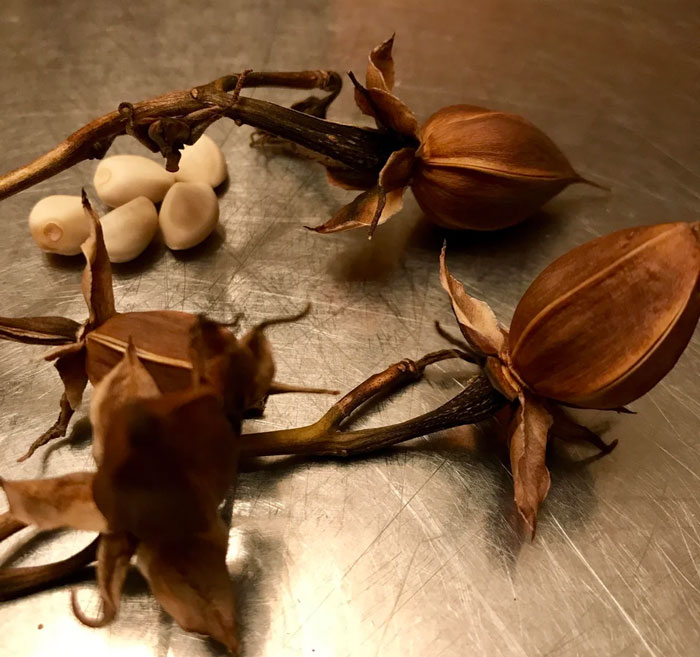
You can collect moonflower seeds from mature, dry seed pods at the end of the growing season. Allow the pods to develop fully on the vine before harvesting. Immature green pods may contain seeds that are not ready for storage.
When the pods turn brown and dry, collect them before they split and release the seeds. Open the pods carefully and remove the seeds. Let them dry further in a safe, well-ventilated place if needed.
Store dry seeds in a clearly labeled, sealed container in a cool, dry location. Add the botanical name and collection date to the label. Keep the container locked away from children and pets because the seeds should never be eaten.
Saved seeds may not produce plants identical to a named hybrid or selected cultivar. If you want a specific flower form or plant characteristic, buying fresh seed from a reliable supplier may be more predictable.
Source: www.youtube.com > The Kitchen Garten
Wait for mature pods
Collect pods after they have turned brown and dried on the vine.
Remove the seeds
Open the dry pods carefully and separate the seeds.
Dry thoroughly
Make sure the seeds are dry before placing them in storage.
Label the container
Write Ipomoea alba and the collection date on the storage label.
Store securely
Keep the container in a cool, dry place that children and pets cannot reach.
How to Prevent Moonflower From Self-Seeding
Moonflower can produce seeds that fall to the ground and grow into volunteer plants in a later season. If you want to limit unwanted seedlings, remove the developing seed pods before they open. Do not wait until the pods have dried and split.
Check the vine near the end of its flowering season and remove pods regularly. Dispose of them safely rather than leaving seeds where children or animals can reach them. This also helps keep the planting area easier to manage.
Remove seed pods
Cut off developing pods before they dry and release their seeds.
Inspect the soil
Look for volunteer seedlings in the following growing season and remove unwanted plants while small.
Safety Tips for Handling Moonflower Seeds
Moonflower seeds are not edible and should be treated as potentially harmful if swallowed. North Carolina State Extension identifies toxic compounds in Ipomoea alba seeds and notes that ingestion can cause symptoms. Keep the seeds, seed pods, and stored seed containers out of reach of children and pets.
Never use moonflower seeds for teas, food, extracts, or recreational purposes. Do not chew or crush them. The fact that the plant is grown as an ornamental vine does not mean every part is safe to eat.
Use care when opening dry seed pods and clean your work area afterward. Wash your hands after handling seeds and avoid touching your mouth or eyes during seed preparation. If a person or pet swallows any part of the plant, contact a poison control service, medical professional, or veterinarian promptly.
Correct plant identification is also essential. Datura is sometimes called moonflower and can cause severe poisoning. If a plant has not been identified with confidence, do not assume that it is Ipomoea alba based on its flower color or common name.
Source: www.boredpanda.com
Never eat the seeds
Do not taste or use them in food, drinks, or homemade remedies.
Store them securely
Use a closed, labeled container kept away from children and pets.
Identify the plant
Confirm that your seed packet says Ipomoea alba.
Seek help after ingestion
Contact a poison control service or veterinarian if seeds or plant material are swallowed.
Is Moonflower Safe Around Pets?
Do not assume moonflower seeds are safe for dogs, cats, or other animals. Keep pets away from stored seeds and prevent them from chewing seed pods or plant material. If your pet eats any part of the plant, contact a veterinarian for advice rather than waiting for symptoms.
Garden placement can help reduce accidental access. Avoid growing the vine where pets regularly chew plants, and collect fallen seed pods before animals can reach them.
Keep pets away
Use a location where animals cannot easily reach seeds and pods.
Clean up fallen pods
Remove fallen seed material from paths, patios, and nearby soil.
Frequently Asked Questions
Q
Can I plant moonflower seeds directly in the ground?
Yes. You can direct sow moonflower seeds after the last spring frost, once the soil has warmed. Nick and soak untreated seeds before planting, sow them about 1/2 inch deep, and keep the soil evenly moist until they sprout.
Q
Do moonflower seeds need to be soaked before planting?
Soaking is recommended because moonflower seeds have a hard outer coat. Gently nick the coat with a file and soak the seeds in warm water overnight. This helps water enter the seed and may support more reliable germination.
Q
How many moonflower seeds should I plant in one pot?
Plant one seed in each individual pot when possible. This reduces root competition and makes transplanting easier. If you plant more than one seed in a container, keep the strongest seedling and remove the weaker ones.
Q
Can moonflowers grow in pots?
Yes. Moonflowers can grow in large containers with drainage holes and a sturdy climbing support. Choose a container with enough room for root growth and water regularly, as container soil can dry faster than garden soil.
Q
Why are my moonflower seedlings growing slowly?
Cool temperatures, weak light, poor drainage, and excess water can all slow early growth. Moonflower is a warm-season vine, so growth may remain slow until the weather becomes consistently warm. Check the light and soil moisture before adding fertilizer.
Q
How long does it take for moonflowers to bloom from seed?
The time to flowering varies with planting date, climate, and growing conditions. Moonflower needs a period of warm growth before it produces flowers. Starting indoors several weeks before the last frost can help plants in shorter-season regions develop earlier.
Q
Do moonflowers come back every year?
Ipomoea alba is a tender perennial in frost-free climates, but gardeners in colder regions usually grow it as an annual. It may also produce volunteer seedlings from fallen seeds. Remove seed pods before they open if you do not want it to self-sow.
✦ Wrapping Up
Conclusion
Growing moonflower from seed is a simple way to add a climbing vine and fragrant nighttime flowers to your garden. The main steps are to prepare the hard seeds, plant them in warm soil, keep the growing mix moist, and give the young vines enough light and support. Starting indoors can help gardeners in colder regions make better use of the warm growing season.
Once established, moonflower needs sensible watering, good drainage, and room to climb. Avoid excess fertilizer, watch for unwanted seedlings, and give the plant time to mature before expecting flowers. With the right conditions, the vine can produce a striking display of white blooms that open as the evening begins.
Remember to confirm that your plant is Ipomoea alba and handle its seeds with care. Keep seeds and pods away from children and pets, and never eat them. Safe storage and good plant identification are part of responsible gardening.
💡 Key Takeaway
Start with clearly labeled Ipomoea alba seeds, gently nick and soak them overnight, then sow them about 1/2 inch deep in warm, well-drained soil. Give the seedlings bright light, steady moisture, and a sturdy trellis as they grow.
I enjoy sharing simple gardening ideas, lawn care tips, and honest product reviews that help make outdoor work easier. From home gardening guides to helpful tools and lawn care advice, I write easy-to-follow content to help readers create a healthier and better-looking outdoor space without wasting time or money.