As an Amazon Associate, I earn from qualifying purchases.
To start an organic vegetable garden from scratch, choose a sunny spot, test your soil, add suitable compost, plant vegetables that grow well in your USDA hardiness zone and local climate, water deeply, and manage pests with natural methods. Start small, grow a few easy crops, and improve your garden as you learn.
Across the United States, home vegetable gardens can turn a small backyard, patio, or sunny side yard into a useful source of fresh food. A gardener in Florida may grow tomatoes during a cool season, while a gardener in Minnesota may need to wait until spring soil warms. These regional differences make local planting dates, sunlight, soil conditions, and frost risk key parts of a successful organic garden.
Organic vegetable gardening focuses on building healthy soil, feeding plants with suitable natural materials, conserving water, and preventing pest problems without relying on synthetic fertilizers or routine synthetic pesticides. It does not mean that every natural substance is harmless or that plants never need extra nutrients. The goal is to use sound growing practices and choose inputs carefully.
You do not need a large yard, costly equipment, or years of gardening experience to begin. A small plot with a few vegetables can teach you how plants grow, how soil holds water, and how weather affects harvests. With a clear plan and steady care, you can build a productive garden from the ground up.
1. Understand What Organic Vegetable Gardening Means
Organic vegetable gardening uses methods that support soil health, plant growth, and a balanced garden ecosystem. Instead of relying on routine applications of synthetic fertilizers, gardeners use compost, suitable organic nutrient sources, crop rotation, mulch, and careful watering. They also favor prevention and targeted pest control over spraying plants whenever an insect appears.
The word organic does not mean that a garden needs no fertilizer or that every naturally derived product is safe. Plants need nutrients such as nitrogen, phosphorus, and potassium, along with several other essential elements. These nutrients can come from soil reserves, compost, decomposing plant matter, and appropriate fertilizers approved for the intended organic use.
For a home gardener, the first priority is to create conditions that allow roots to grow well. Healthy soil should supply air, water, nutrients, and space for roots. Good growing conditions also help plants recover from ordinary weather stress and may reduce some pest and disease problems.
Build soil health
Use mature compost, protect the soil surface, avoid unnecessary digging, and prevent repeated compaction.
Prevent problems first
Choose suitable crop varieties, provide enough space, water correctly, and remove diseased plant material when needed.
Use inputs carefully
Read product labels, follow application rates, and remember that natural pesticides and fertilizers can still harm plants, people, or beneficial wildlife when misused.
Do You Need Organic Certification?
No. A household garden does not need organic certification simply because you want to grow vegetables using organic methods. Certification becomes relevant when a farm or business makes regulated organic claims in the marketplace. In the United States, the USDA National Organic Program establishes standards for certified organic agricultural production and handling.
For home use, you can focus on practical methods such as composting, protecting soil, choosing appropriate seed and plant varieties, and avoiding prohibited inputs if you want to follow organic principles closely.
2. Choose the Best Location for Your Garden
Choose a location with ample sunlight, good drainage, and convenient access to water. Most vegetables that produce fruits, including tomatoes, peppers, cucumbers, squash, and beans, grow best with at least six to eight hours of direct sunlight per day. Leafy greens such as lettuce and spinach can often tolerate some shade, especially in hot weather.
Watch the proposed site for a full day before you plant. Trees, fences, houses, and sheds may cast more shade than you expect. Also consider nearby tree roots, areas where rainwater collects, and paths that you use every day.
Convenience matters because a garden needs regular attention. A plot near a hose or rain barrel is easier to water than one at the far end of a yard. A spot near the kitchen may also make it more likely that you will harvest herbs, greens, and ripe vegetables while cooking.
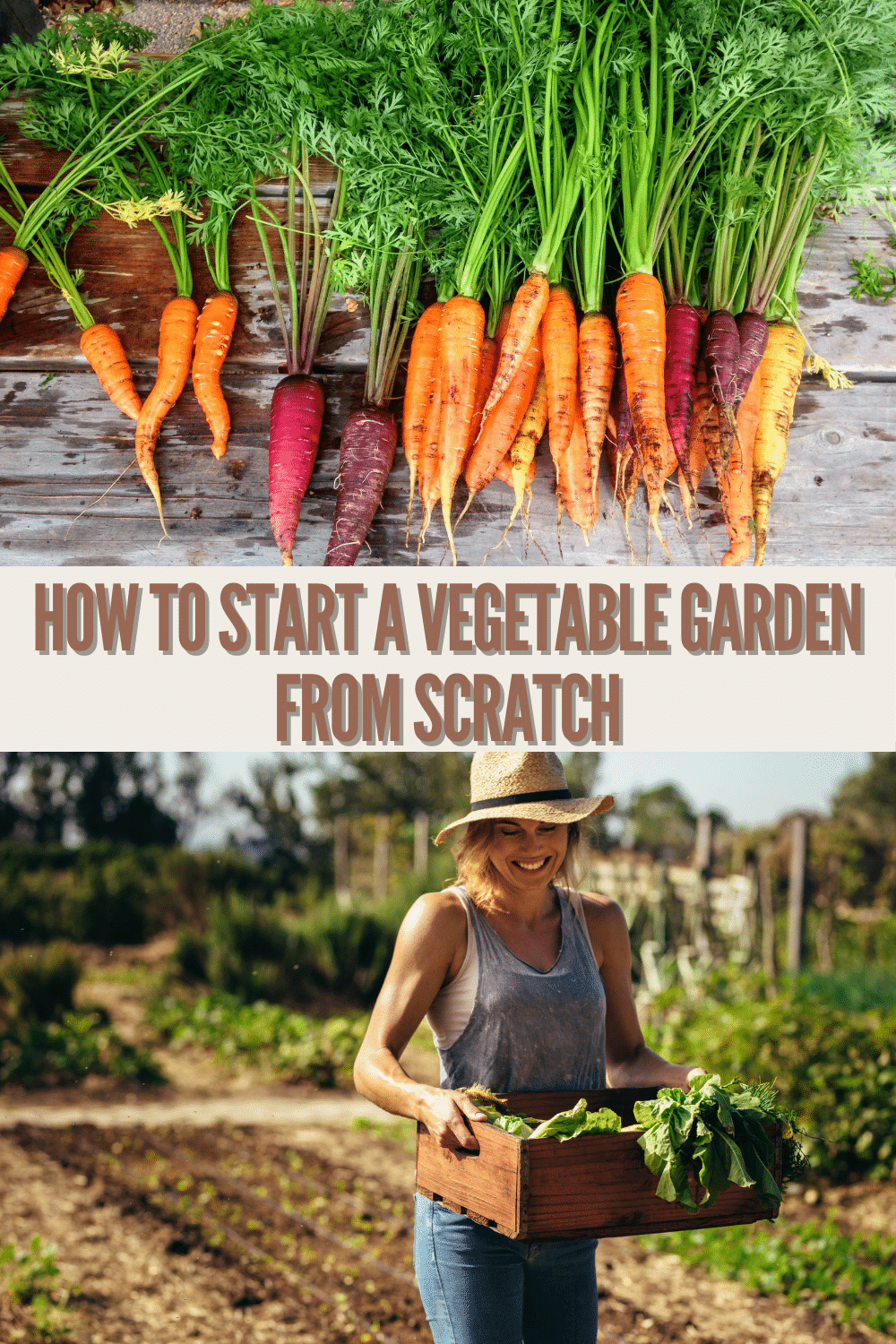
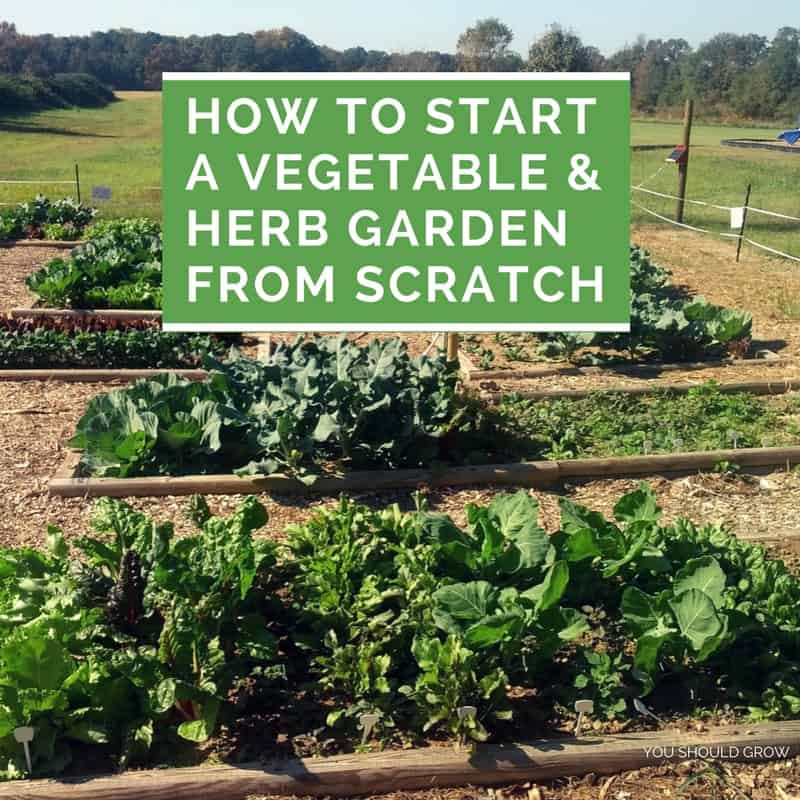
Source: youshouldgrow.com
Check Soil Safety Before Planting
Do not assume that every patch of yard soil is safe for food gardening. Older urban properties, former industrial sites, areas near busy roads, and yards beside buildings with old lead-based paint may have contaminated soil. Lead can remain in soil for many years, and washing vegetables does not remove all possible exposure from contaminated soil and dust.
If the history of your property is uncertain, contact your local cooperative extension office or state environmental agency about soil testing. If contamination is confirmed or strongly suspected, use an appropriate tested growing medium in containers or raised beds and prevent contact between edible crops and the underlying soil. Follow local guidance for safe bed construction and maintenance.
Good drainage
Avoid spots where water stays for long periods after rain. Waterlogged soil can deprive roots of oxygen and encourage root problems.
Easy access
Keep the garden close enough for regular watering, weeding, inspection, and harvesting.
Decide Between Ground Beds, Raised Beds, and Containers
An in-ground garden can be inexpensive when the existing soil is suitable and drains well. Raised beds offer more control over the growing medium and can be easier to reach, but they need a safe location, suitable soil, and sometimes more frequent watering. Containers work well on patios and balconies when space is limited, although they dry out faster than garden beds.
For a first garden, a plot measuring about four feet by four feet or a few large containers can be enough. A small space is easier to maintain and helps you learn which crops perform best before you expand.
3. Plan Your Garden Around Your Local Climate
Plan planting dates around your local frost dates, soil temperature, and seasonal weather. The United States covers many climates, so a planting calendar for coastal California may not suit the Upper Midwest, the Southeast, or the high desert. Use your state cooperative extension service and USDA Plant Hardiness Zone Map as planning tools, but remember that hardiness zones describe typical winter minimum temperatures rather than the full vegetable growing season.
Vegetables also differ in the temperatures they prefer. Cool-season crops such as peas, radishes, spinach, lettuce, and many types of kale often perform best during mild weather. Warm-season crops such as tomatoes, peppers, beans, squash, and cucumbers need warmer conditions and can be damaged by frost.
Read seed packets for spacing, planting depth, days to maturity, and temperature guidance. Days to maturity is usually an estimate under suitable conditions, not a guarantee. Heat, cold, drought, pests, and the way a crop is started can all change the time until harvest.
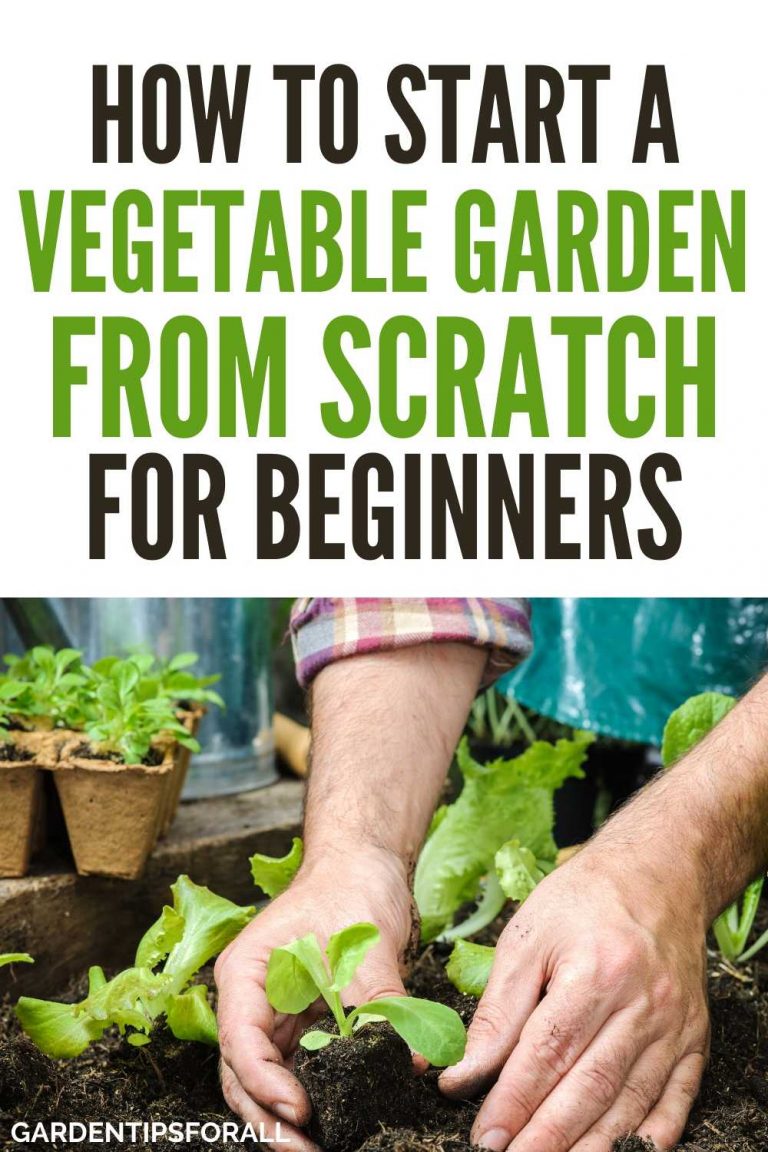
Source: gardentipsforall.com
Choose Easy Vegetables for Your First Season
Choose crops that match your climate, cooking habits, and available space. Radishes can mature quickly in suitable cool weather, bush beans need relatively little support, and leafy greens can provide repeated harvests when picked correctly. Tomatoes and peppers are rewarding crops, but they often need a longer warm season and more attention to watering and disease prevention.
If you are unsure what to plant, begin with three to five crops rather than trying to grow every vegetable you enjoy. A smaller selection makes it easier to learn each crop’s needs and identify the cause of problems.
For cool weather
Try radishes, lettuce, spinach, peas, and kale when local planting guidance indicates suitable conditions.
For warm weather
Try bush beans, cucumbers, zucchini, tomatoes, or peppers after frost risk has passed and temperatures suit the crop.
For small spaces
Grow compact varieties of lettuce, bush beans, herbs, and suitable patio tomatoes in adequately sized containers.
Draw a Simple Planting Plan
Sketch the garden on paper and mark the direction of sunlight. Place tall plants where they will cast the least unwanted shade on shorter crops, and leave paths wide enough to reach the plants without stepping on the soil. Check the mature size of each variety rather than judging the space by the size of its seedling.
Leave room for airflow, harvesting, and pest checks. A crowded garden can hold moisture around leaves and make it harder to spot disease early. Plan to grow only what your space, climate, and available time can support.
4. Test and Prepare Your Soil
Healthy soil is the foundation of an organic vegetable garden. Before adding fertilizer, obtain a soil test from a reliable laboratory, such as one recommended by your state cooperative extension service. A basic test can help determine soil pH and nutrient levels and may provide recommendations for correcting deficiencies.
Soil pH affects how available many plant nutrients are to roots. Many common vegetables grow well in slightly acidic to near-neutral soil, often around pH 6.0 to 7.0, although crop needs vary. Do not add lime, sulfur, or large amounts of fertilizer based on guesswork because an unnecessary amendment can create a new problem.
Soil texture also matters. Sandy soil often drains quickly and may need more frequent watering and organic matter. Clay soil can hold water and nutrients well but may drain slowly and become compacted. Compost can improve soil structure over time, although it does not turn every soil into the same ideal growing medium.
Source: weeklygardeningtips.com
Add Mature Compost
Mature compost adds organic matter and supports a wide range of soil organisms. It can help soil hold water and improve the structure of both sandy and clay-rich soils. Choose compost made from known, suitable feedstocks and avoid material contaminated with chemicals or persistent herbicide residues.
Spread a modest layer of finished compost over the garden and mix it gently into the upper soil when preparing a new bed, if the soil condition and planting plan call for it. A layer around one to two inches is a common starting point for many garden beds, but soil-test results, existing organic matter, and compost quality should guide the amount.
Do not assume that more compost is always better. Compost can contain substantial phosphorus, salts, or other nutrients. Repeated heavy applications may lead to nutrient imbalances or runoff. If a soil test indicates excessive phosphorus, seek advice before adding more compost or manure.
Use finished compost
It should have a stable, earthy smell and should not contain obvious piles of fresh, recognizable food scraps or manure.
Protect the soil structure
Work the soil when it is moist but not wet. Digging or walking on saturated soil can cause compaction.
Understand Organic Fertilizers
Compost improves soil but may not supply enough of every nutrient for every crop. Depending on the soil test and crop needs, a suitable organic fertilizer may be useful. Examples include certain plant-based meals, approved fish-based products, and other labeled organic nutrient sources.
Read the guaranteed analysis on the package, follow the label rate, and avoid mixing several products without a clear reason. Organic fertilizers vary in nutrient content and release speed. Some release nutrients gradually as soil organisms break them down, while others provide nutrients more readily.
Never use fresh manure as a casual substitute for finished compost around growing vegetables. Raw manure can carry pathogens that contaminate produce. If manure is used in an organic production system, applicable National Organic Program requirements include specific restrictions on application timing and handling. For a home garden, properly composted, traceable material or finished compost from a reliable source is the more practical option.
5. Start Planting Seeds and Seedlings
Plant seeds at the depth and spacing shown on the packet, then water gently so the soil stays moist without becoming saturated. Seeds planted too deeply may fail to emerge, while seeds planted too close together can compete for light, water, and nutrients. Mark each row or container with the crop name and planting date.
Some vegetables are easy to sow directly outdoors. Beans, peas, radishes, carrots, and many leafy greens are common examples when soil conditions are right. Tomatoes, peppers, and some other warm-season crops are often started indoors or purchased as transplants, especially where the outdoor warm season is short.
If you start seedlings indoors, provide enough light and avoid keeping them in a warm, dim window where they may grow tall and weak. Harden off indoor-grown plants by gradually exposing them to outdoor conditions over several days before transplanting. Protect young plants from harsh sun, strong wind, and cold nights while they adjust.
Source: prettysimplesara.com
Use Healthy Seeds and Seedlings
Buy seeds from a source that identifies the crop and variety, and choose varieties suited to your region and available space. Disease-resistant varieties can reduce the chance of certain crop problems, though resistance does not protect against every disease or growing condition.
When buying seedlings, look for sturdy stems, healthy leaves, and roots that are not badly crowded. Avoid plants with obvious insect infestations, spreading leaf spots, or severe wilting. A large plant is not always the best plant if its roots are damaged or it has been stressed.
Follow spacing instructions
Thin seedlings when needed so remaining plants have room to develop. Crowded plants may produce less and be harder to manage.
Plant at the right time
Wait for suitable soil temperatures and local frost guidance rather than relying on a fixed calendar date for the whole country.
Water after planting
Moisten the root zone to help seeds settle and transplants establish. Avoid blasting delicate seedlings with a strong stream of water.
A Simple First-Garden Example
Imagine a beginner preparing a small, sunny bed in a region with a distinct spring and summer. The gardener might sow radishes and lettuce during suitable cool weather, then plant bush beans and a compact tomato after frost risk has passed. A few herbs can fit along the edge if they do not shade or crowd the vegetables.
This is an example rather than a universal planting calendar. In warm parts of the South, some crops may be planted in fall or winter instead, while northern gardeners may have a shorter warm season. Local extension planting calendars should determine the actual dates.
6. Water, Mulch, and Maintain the Garden
Water the root zone deeply enough to support healthy roots, then adjust the schedule to the weather, soil, crop, and stage of growth. A newly sown bed may need light, frequent watering to keep the seed zone moist. Established plants often benefit from deeper watering at intervals that let the upper soil begin to dry without allowing roots to suffer drought stress.
The familiar guideline of about one inch of water per week, including rainfall, is only a rough starting point for many vegetables. Heat, wind, container size, soil texture, and crop maturity can change the amount needed. Check soil moisture with a finger or small trowel rather than watering automatically by the calendar.
Watering near the soil line can help keep foliage dry and reduce some leaf diseases. If you use overhead watering, do it early enough for leaves to dry before night when practical. Drip irrigation or a soaker hose can deliver water near roots, but the system still needs checks for leaks, clogs, and uneven moisture.
Use Mulch to Protect the Soil
Mulch can reduce water loss, limit weeds, and help moderate soil temperature. Suitable options may include clean straw, shredded leaves, or other untreated plant materials appropriate for vegetable beds. Apply mulch after seedlings are established and soil conditions suit the crop.
Keep mulch from pressing tightly against plant stems, and avoid materials that may contain persistent herbicide residues or harmful contaminants. In cool spring weather, thick mulch can slow soil warming. In that situation, wait until the soil has warmed before adding a heavy layer.
Check soil moisture
Feel the soil near the root zone. If it is still moist, a second watering may not be needed.
Weed while weeds are small
Young weeds are easier to remove and compete less with vegetables for water, light, and nutrients.
Inspect plants regularly
Look under leaves, around growing tips, and near the soil line for early signs of stress, chewing damage, or disease.
Feed Plants Only When Needed
Watch plant growth, but do not diagnose every yellow leaf as a nutrient deficiency. Yellowing can result from excess water, poor drainage, root damage, low temperatures, pests, or a lack of nutrients. The pattern of symptoms and the condition of the soil can help narrow the cause.
Use soil-test guidance and crop-specific recommendations before applying additional fertilizer. Too much nitrogen can produce abundant leaves at the expense of fruiting in some crops, and excess nutrients can move into waterways. A measured approach is often less costly and more effective than repeated feeding.
7. Control Pests and Diseases Without Routine Synthetic Sprays
The most practical organic pest strategy is prevention, followed by careful identification and targeted action. A few insects on a healthy plant do not always require treatment. Some insects pollinate flowers, prey on pests, or serve as food for other useful wildlife.
Inspect plants often and identify the cause of damage before taking action. Holes in leaves may come from caterpillars, beetles, slugs, or other animals, while curling leaves may result from insects, heat, water stress, or disease. Treating the wrong problem wastes time and can harm beneficial organisms.
Organic gardening does not rule out every pesticide. Some products are permitted in particular organic systems, but permitted status depends on the formulation, intended use, and applicable rules. Always read the label, follow safety instructions, protect pollinators, and use a product only for the listed crop and pest.
Use Integrated Pest Management
Integrated pest management, often called IPM, combines prevention, monitoring, physical controls, biological controls, and carefully chosen treatments when needed. This approach helps keep pest damage at an acceptable level while reducing unnecessary pesticide use.
Remove heavily diseased leaves when appropriate, clear plant debris that may harbor pests, and avoid moving wet soil or infected plant material between beds. Crop rotation can help reduce some soilborne disease and pest cycles, although it is less effective for pests that feed on many different plant families.
Use physical barriers
Suitable insect netting or row covers can keep some pests away from crops. Remove or manage covers when pollination is needed and account for heat buildup.
Encourage beneficial insects
Grow suitable flowering plants nearby and avoid unnecessary broad-spectrum pesticide applications that can harm predators and pollinators.
Hand-pick larger pests
Where practical, remove caterpillars, beetles, or egg clusters by hand. Use gloves when handling irritating or unknown insects.
Rotate crop families
Avoid planting related crops in the same bed year after year when soilborne disease or host-specific pests are a concern.
Avoid Risky Homemade Remedies
Do not assume that homemade sprays made with dish soap, vinegar, essential oils, or concentrated plant extracts are safe for edible crops. Some mixtures can burn leaves, damage roots, irritate skin, or harm beneficial insects. Household cleaning products are not automatically suitable for use on plants.
If a treatment is necessary, select a product labeled for the crop and target pest, follow its instructions, and observe any preharvest interval. If a disease is spreading quickly or the cause is unclear, seek help from a cooperative extension office or a qualified local horticulture professional.
8. Harvest Vegetables and Keep the Garden Productive
Harvest vegetables when they reach the size and maturity described for the variety. Picking at the right stage often improves flavor and texture, and regular harvesting can encourage continued production in crops such as beans and cucumbers. Use clean tools and handle ripe produce gently to prevent bruising.
Leafy greens may allow repeated harvests when you take outer leaves and leave the growing point intact. Bush beans are often best picked while the pods are still tender. Tomatoes can be harvested according to variety and intended use, while root crops should be checked based on the expected size and local growing conditions.
Wash produce under clean running water before eating or preparing it. Do not use soap or household cleaners on vegetables. Remove visibly damaged portions as appropriate, and refrigerate produce that requires cold storage promptly.
Source: greenwillowhomestead.com
Record What Works
Keep a simple garden journal with planting dates, seed varieties, weather notes, watering changes, pest observations, and harvest amounts. These records help you tell whether a crop struggled because of timing, poor drainage, crowding, pests, or another factor. They also make it easier to choose suitable varieties for the next season.
At the end of the season, remove diseased plants and handle healthy plant residues appropriately. Some healthy material can go into a well-managed compost pile, while severely diseased material may need another disposal method based on the disease and local guidance. Do not add persistent weeds or diseased plants to a compost system unless the process can safely manage them.
Review the harvest
Note which vegetables your household used most and which crops produced well in the available space.
Improve one thing at a time
Change planting dates, spacing, watering, or another factor in a planned way so you can learn what helped.
9. Common Beginner Mistakes and How to Fix Them
Most beginner garden problems come from a small set of causes: poor site selection, unsuitable planting dates, excess or insufficient water, crowded plants, or incorrect assumptions about soil fertility. Checking the simplest causes first is usually more useful than buying several products or changing many practices at once.
When plants look unhealthy, compare the symptoms across the bed. If only one plant is affected, a local root or pest issue may be involved. If many plants decline at the same time, check recent weather, irrigation, soil drainage, and any recent applications of fertilizer or other materials.
Plants Are Tall but Produce Little Food
Leggy growth may indicate too little sunlight or crowding. A large amount of leafy growth with poor fruit production can also be linked to excessive nitrogen, unsuitable temperatures, or pollination problems. Check sunlight, spacing, fertilizer history, and the crop’s normal growing requirements before making changes.
Leaves Turn Yellow or Plants Wilt
Yellow leaves and wilting can result from both too little and too much water. Check moisture a few inches below the surface, inspect drainage, and look for root damage or signs of pests. If the soil is wet, adding more water may make the problem worse. If it is dry, water the root zone and check again after the plant has had time to recover.
Seedlings Fail to Grow
Poor emergence may result from planting too deeply, old seed, unsuitable temperatures, crusted soil, or drying during germination. Check the seed packet and local planting guidance, then sow a small replacement row under better conditions if the season allows. Avoid flooding the bed in an attempt to force seeds to sprout.
Pests Keep Returning
Repeated pest damage may mean the pest has not been identified correctly, the crop is especially vulnerable, or the garden lacks a suitable barrier or sanitation plan. Inspect the undersides of leaves, look for eggs and larvae, and check whether nearby weeds or plant residues may support the pest. Use crop rotation and barriers where appropriate, then choose targeted treatment only when needed.
The Garden Costs More Than Expected
A new garden can become expensive when you buy too many tools, amendments, containers, and seedlings at once. Begin with basic hand tools, a watering method, a few seed packets, and compost or fertilizer only where needed. Reuse safe containers, share seeds, and expand after you learn what grows well in your space.
10. A Simple First-Month Organic Gardening Checklist
A practical first month is about setting up the garden and establishing healthy plants, not achieving a full harvest immediately. Your actual schedule depends on your region, season, weather, and whether you are growing from seed or buying transplants. Use the checklist as a flexible sequence rather than a fixed calendar.
Week 1: Choose and assess
Observe sunlight, check drainage, identify water access, review local planting dates, and arrange a soil test if you plan to use existing ground soil.
Week 2: Prepare the growing area
Choose a suitable bed or containers, remove weeds, obtain clean growing materials, and use soil-test guidance to determine whether amendments are needed.
Week 3: Plant suitable crops
Sow seeds or transplant seedlings that match the current season. Follow package instructions for depth, spacing, and temperature.
Week 4: Check and adjust
Monitor moisture, inspect new growth, remove small weeds, check for pest damage, and record any problems. Replace failed plantings only when conditions remain suitable.
What Success Looks Like
Early success means seeds emerge, transplants produce new growth, and plants remain reasonably firm and healthy under suitable conditions. A successful first month does not require every seed to sprout or every leaf to look perfect. Some losses are normal, and each problem provides useful information for the next planting.
Keep the garden manageable. A small, well-tended bed that produces vegetables your household enjoys is more useful than a large plot that becomes difficult to water, weed, and harvest.
Frequently Asked Questions
Q
How much space do I need to start an organic vegetable garden?
You can start with a few containers, a small raised bed, or a ground plot measuring about four feet by four feet. The best size depends on your sunlight, budget, water access, and available time. Begin with a few crops and expand when you understand their needs.
Q
Can I grow organic vegetables without buying fertilizer?
Sometimes. Soil with adequate nutrients and suitable mature compost may support some crops without additional fertilizer. However, compost does not always supply every nutrient in the amounts vegetables need. A soil test and crop-specific guidance can help you decide whether an organic fertilizer is necessary.
Q
What is the easiest vegetable to grow for beginners?
Radishes, leafy greens, and bush beans are common beginner-friendly choices when planted in suitable conditions. Radishes can mature quickly, greens can provide repeated harvests, and bush beans need relatively little support. The easiest crop for you will depend on local weather, sunlight, soil, and planting dates.
Q
Can I use ordinary garden soil in raised beds?
It depends on the soil’s safety, drainage, texture, and fertility. Heavy clay or potentially contaminated soil may be unsuitable on its own. Choose a growing medium appropriate for raised beds, use materials from reliable sources, and avoid filling beds with untested soil from areas that may contain lead or other contaminants.
Q
How often should I water an organic vegetable garden?
There is no single schedule that fits every garden. Check moisture near the roots and consider rainfall, temperature, soil type, plant size, and container depth. Newly planted seeds may need frequent light watering, while established plants often benefit from deeper watering when the root zone begins to dry.
Q
Are organic pesticides always safe?
No. Natural or organic pesticides can still harm beneficial insects, aquatic life, people, or plants when misused. Identify the pest first, use prevention and physical controls where practical, and follow all label instructions if a pesticide is needed. Never assume a homemade spray is safe just because its ingredients are natural.
Q
How can I keep pests away without synthetic chemicals?
Start with healthy plants, suitable spacing, crop rotation, clean garden tools, and regular inspection. Use insect netting or row covers when suitable, remove larger pests by hand when practical, and encourage beneficial insects. If damage continues, identify the pest before choosing a targeted control.
Q
When should I start planting vegetables in the United States?
Planting time varies widely across the country. Cool-season vegetables can often grow during mild spring or fall weather, while warm-season crops usually need warmer soil and protection from frost. Consult your local cooperative extension planting calendar and seed-packet instructions rather than following a nationwide date.
✦ Wrapping Up
Conclusion
Learning how to start an organic vegetable garden from scratch begins with a few simple choices: select a suitable location, understand your soil, choose vegetables that fit your climate, and build a routine for watering and plant care. You do not need to master every gardening skill before planting your first seeds.
Healthy soil, mature compost, careful watering, suitable crop varieties, and early pest checks can help you grow vegetables while reducing unnecessary inputs. Testing soil and following local guidance also help you avoid common mistakes that cost time and money. When problems appear, identify the likely cause before adding fertilizer or applying a pest treatment.
Your first garden is a place to learn as well as a place to grow food. Start small, record what works, and adjust your approach with each harvest. Over time, these steady habits can help you build a productive garden that supports healthier soil and a more reliable supply of homegrown vegetables.
💡 Key Takeaway
This week, choose one sunny growing area, check your local planting calendar, and decide on three vegetables you enjoy eating. Assess soil safety and arrange a soil test if needed, then prepare a small bed or suitable containers. Plant at the right time, water according to soil moisture, and inspect your garden regularly instead of trying to solve every possible problem before it begins.
I enjoy sharing simple gardening ideas, lawn care tips, and honest product reviews that help make outdoor work easier. From home gardening guides to helpful tools and lawn care advice, I write easy-to-follow content to help readers create a healthier and better-looking outdoor space without wasting time or money.