
As an Amazon Associate, I earn from qualifying purchases.
Zoysia grass grows slowly and can be expensive to establish. It also struggles in shaded areas.
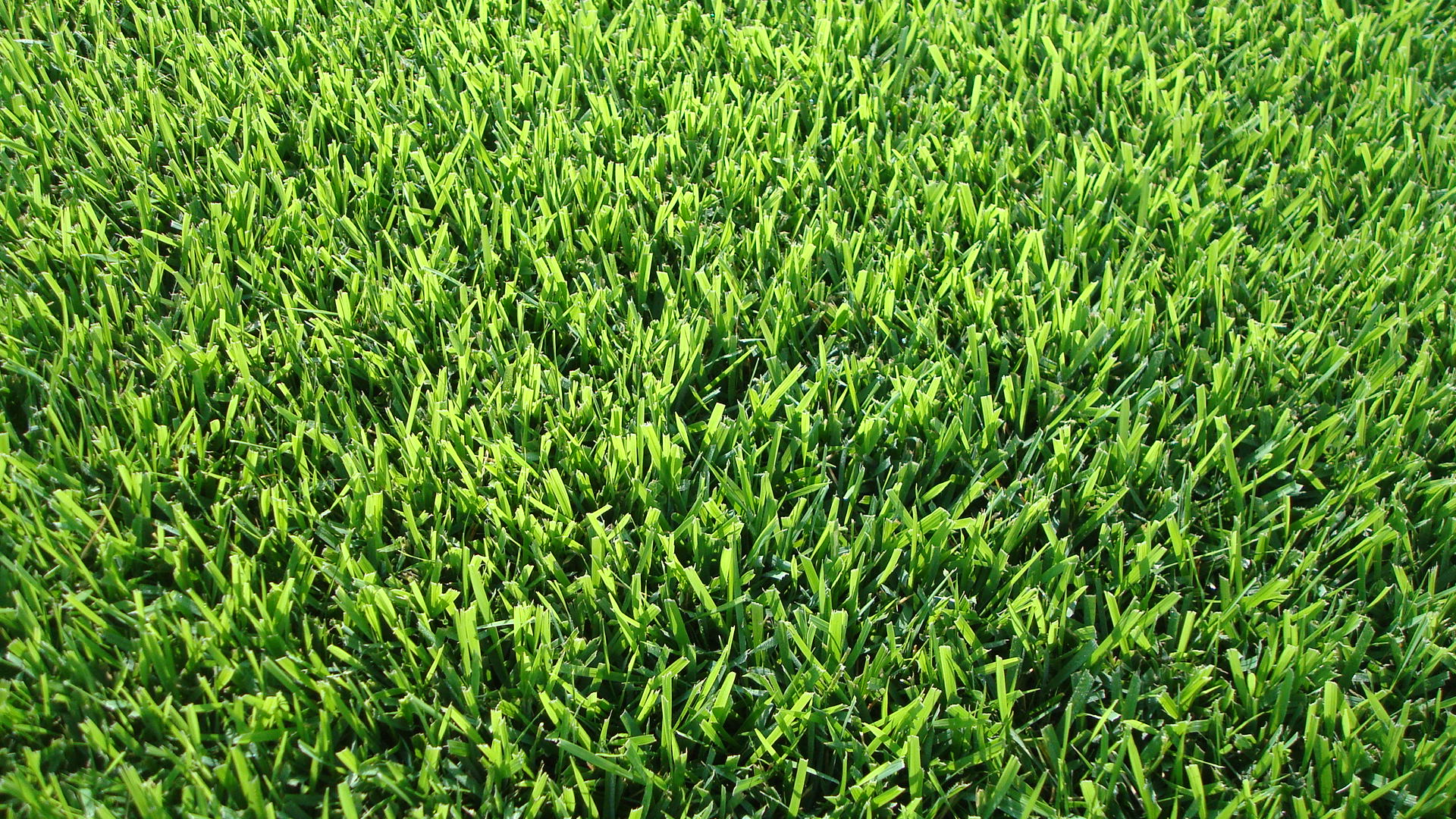
Zoysia grass, known for its dense and lush appearance, appeals to many homeowners. This grass type offers benefits like drought resistance and low maintenance requirements. Despite these advantages, Zoysia grass presents several drawbacks. Its slow growth rate means it takes longer to establish a full lawn, leading to higher initial costs.
This guide explains the main problems of Zoysia grass, who should avoid it, and how it compares with other grass types. It will help you make the right decision for your lawn.
Quick Pros & Cons of Zoysia Grass
Before choosing Zoysia grass for your lawn, it is important to understand its main advantages and disadvantages. This quick overview will help you make an easy decision.
Pros
- Drought resistant and survives dry weather better than many grasses
- Dense and thick growth that creates a soft, carpet-like lawn
- Low weed invasion due to its compact structure
Cons
- Slow growth rate makes lawn establishment time-consuming
- Expensive to install, especially when using sod
- Poor shade tolerance in low-sunlight areas
- High maintenance requirements for best appearance
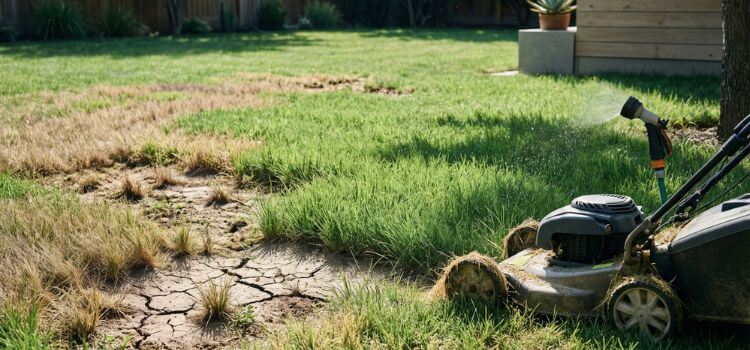
High Maintenance Requirements
Zoysia grass needs regular care to stay healthy.
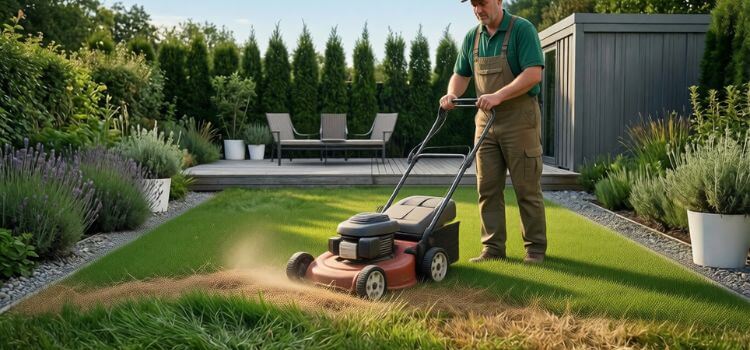
Frequent Mowing
Zoysia grows thick and dense. It requires frequent mowing to maintain proper height. If not mowed regularly, the lawn may look messy and uneven.
Thatch Buildup
This grass is prone to thatch buildup. Thatch is a layer of dead grass and roots. It blocks water and nutrients from reaching the soil. Removing it requires special tools and effort.
Slow Growth Rate
One of the biggest disadvantages of Zoysia grass is its slow growth.
Long Establishment Period
When planted from seed, Zoysia grass may take up to two years to fully establish. During this time, the lawn may look patchy and unattractive.
Slow Recovery
If your lawn is damaged, Zoysia grass can take weeks or months to recover. This makes it less suitable for high-traffic areas.
Invasive Nature
Zoysia grass spreads aggressively.
It can grow into flower beds, sidewalks, and driveways. Controlling its spread requires regular edging and trimming.
Removing Zoysia grass is difficult because its roots grow deep and strong. Special tools or chemicals may be needed.
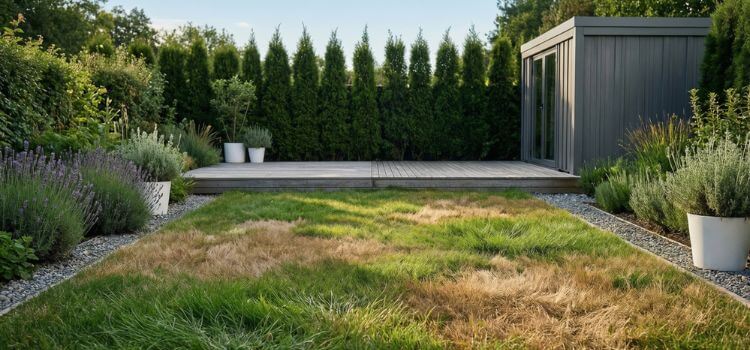
Sensitivity To Cold
Zoysia grass does not perform well in cold climates.
Winter Dormancy
During winter, it turns brown and stops growing. This dormant period can last for several months.
Frost Damage
Frost can damage leaves and stems. Recovery takes time, and the lawn may become thin and patchy.
Watering Needs
Although Zoysia is drought resistant, it still needs proper watering.
After a few weeks without water, it may turn brown. Regular irrigation is necessary, especially in hot weather. Without enough water, the grass becomes weak.
Pest And Disease Susceptibility
Zoysia grass attracts several pests and diseases.
Common Pests
- Grubs
- Armyworms
- Mole crickets
These pests damage roots and create brown patches.
Common Diseases
- Brown patch
- Rust fungus
- Dollar spot
Proper lawn care reduces these risks but does not eliminate them.
Cost Considerations
Zoysia grass is more expensive than many other grass types.
Initial Investment
- Sod installation is costly
- Professional help may be needed
- Soil preparation adds expense
Ongoing Expenses
- Regular fertilization
- Watering systems
- Pest control
- Equipment maintenance
These costs increase over time.
Soil Preferences
Zoysia grass is sensitive to soil conditions.
Soil Type Requirements
It prefers sandy or loamy soil with good drainage. Clay or waterlogged soil reduces growth. Ideal soil pH is between 6.0 and 6.5.
Nutrient Demands
It needs nitrogen, phosphorus, and potassium. Lack of nutrients causes yellowing and weak growth. Soil testing is recommended.
Who Should Avoid Zoysia Grass?
Zoysia grass is not suitable for everyone. You may want to avoid this grass type if you belong to any of the following groups:
- Homeowners with shaded yards or limited sunlight
- People living in cold or frost-prone regions
- Low-budget homeowners looking for affordable lawn solutions
- Busy individuals who prefer low-maintenance grass
Choosing the right grass based on your lifestyle and location can save time and money in the long run.
Zoysia Grass vs Bermuda Grass (Quick Comparison)
Many homeowners compare Zoysia grass with Bermuda grass before making a decision. Here is a simple comparison to help you understand the difference:
| Feature | Zoysia Grass | Bermuda Grass |
|---|---|---|
| Growth Speed | Slow | Fast |
| Shade Tolerance | Low | Medium |
| Cost | High | Medium |
This comparison shows that Bermuda grass may be better for faster results, while Zoysia grass emphasizes density and appearance.
Real-Life Experience with Zoysia Grass
Many homeowners report that their Zoysia lawn took more than one year to fully establish, especially in shaded areas. During this time, the lawn often appeared patchy and uneven. Some users also mentioned needing extra watering, fertilizing, and regular mowing to maintain a healthy look.
This real-life experience highlights the importance of patience and proper care when choosing Zoysia grass for your yard.
Frequently Asked Questions
What Are the Maintenance Needs for Zoysia Grass?
Zoysia grass needs regular mowing, watering, fertilizing, and dethatching for healthy growth.
Does Zoysia Grass Grow Slowly?
Yes, it has a slow growth rate, making it harder to establish than many other grasses.
Is Zoysia Grass Prone to Thatch Buildup?
Yes, thatch buildup is common and requires periodic removal.
How Does Zoysia Grass Handle Cold Weather?
It turns brown and becomes dormant in winter. Frost may damage the grass.
Conclusion
Zoysia grass offers a thick and attractive lawn, but it also has several disadvantages. Its slow growth, high maintenance, high cost, and poor cold tolerance make it challenging for many homeowners.
If you have enough sunlight, budget, and time for proper care, Zoysia grass may work for you. Otherwise, other grass types like Bermuda may be a better option.
Understanding these drawbacks will help you choose the best grass for your lawn and local environment.

I enjoy sharing simple gardening ideas, lawn care tips, and honest product reviews that help make outdoor work easier. From home gardening guides to helpful tools and lawn care advice, I write easy-to-follow content to help readers create a healthier and better-looking outdoor space without wasting time or money.