As an Amazon Associate, I earn from qualifying purchases.
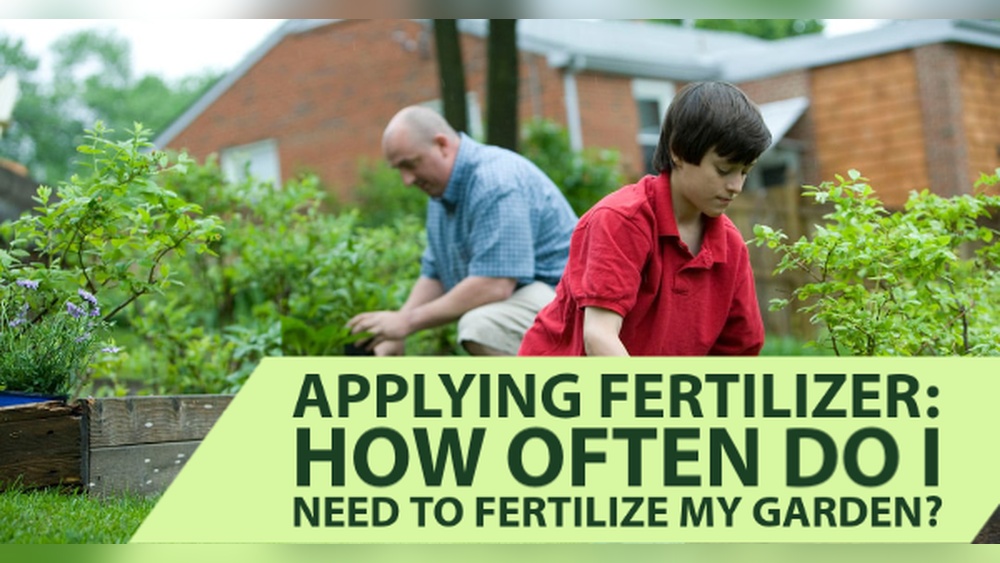
You want your vegetable garden to flourish and produce vibrant, healthy crops. But how often should you fertilize to get the best results without overdoing it?
Finding the right balance can feel tricky, especially if you’re new to gardening or want to improve your current routine. You’ll discover simple, practical guidelines that will help you feed your plants at just the right times. Keep reading to learn how to boost your garden’s growth, increase your harvest, and avoid common fertilizing mistakes that can hold your veggies back.
Your garden’s full potential is closer than you think!
Fertilizer Types
Choosing the right fertilizer type is key to a healthy vegetable garden. Different fertilizers provide nutrients in various forms and speeds. Knowing these types helps you feed your plants properly and improve growth.
Balanced Fertilizers
Balanced fertilizers contain equal parts nitrogen, phosphorus, and potassium. They support overall plant health and steady growth. Use them at planting and during the growing season for best results. These fertilizers suit most vegetables well.
Organic Options
Organic fertilizers come from natural sources like compost, manure, or bone meal. They improve soil health and add nutrients slowly. Organic options release nutrients over time, reducing the risk of overfeeding. Perfect for gardeners who prefer natural methods.
Slow-release Formulas
Slow-release fertilizers supply nutrients gradually over weeks or months. They reduce the need for frequent applications. These formulas help maintain steady nutrient levels in the soil. Ideal for busy gardeners wanting less maintenance.
Timing Fertilizer Application
Timing fertilizer application is key to a healthy vegetable garden. Fertilizer supports plants at different growth stages. Applying it at the right moments helps plants absorb nutrients efficiently. This boosts growth, flowering, and fruiting. Knowing when to fertilize improves your garden’s yield and quality.
At Planting
Apply a balanced fertilizer before or during planting. This prepares the soil and gives young plants a strong start. Use a slow-release or organic fertilizer to provide nutrients over time. Mixing fertilizer into the soil ensures roots access nutrients easily. This step sets the foundation for healthy growth.
During Growth Spurts
Vegetables need extra nutrients during rapid growth phases. Apply fertilizer again when plants show new leaves or stems. This supports strong leaf and stem development. Use a nitrogen-rich fertilizer to encourage green growth. Feeding plants during growth spurts keeps them vigorous and healthy.
When Flowers Appear
Flowering requires different nutrients than growth. Apply fertilizer when flowers start to appear. Use a fertilizer higher in phosphorus to support blooms. This helps plants produce more flowers and sets the stage for fruit. Timely feeding at this stage improves flower quality and quantity.
Fruit Development Stage
Fruits need plenty of nutrients to grow well. Fertilize again when fruits begin to develop. Use a fertilizer rich in potassium to boost fruit size and flavor. Regular feeding during fruiting keeps plants strong and productive. Proper nutrition at this stage leads to a bountiful harvest.
Frequency Guidelines
Knowing how often to fertilize your vegetable garden is key to healthy plants and good harvests. Frequency guidelines help you give plants the nutrients they need without overdoing it. The right timing supports strong growth and maximizes yield. These guidelines fit most common vegetable gardens and soil types.
Every Three To Four Weeks
Most vegetable gardens benefit from fertilizing every three to four weeks. This schedule keeps nutrients available as plants grow fast. Use a balanced fertilizer to supply essential elements like nitrogen, phosphorus, and potassium. Regular feeding encourages steady growth and vibrant vegetables.
Apply fertilizer lightly to avoid burning roots. Water the garden after fertilizing to help nutrients soak in. This method works well for vegetables with long growing seasons.
After Heavy Rain
Heavy rain can wash away soil nutrients. Fertilizing after strong rains replenishes lost minerals. Check your garden a day or two after rainstorms. If the soil looks washed out or plants seem weak, a light dose of fertilizer helps recovery.
Use caution not to over-fertilise after rain. A small amount is usually enough. This keeps plants healthy without causing stress or salt buildup in the soil.
Adjusting For Slow-release Fertilizers
Slow-release fertilizers supply nutrients gradually over weeks or months. These reduce the need for frequent feeding. Follow package instructions to match your garden’s needs. Often, one application at planting covers the whole season.
Watch plant health and growth. If plants look pale or stunted, a small extra feeding might help. Slow-release types lower fertilizer use and save time.
Fertilizing By Vegetable Type
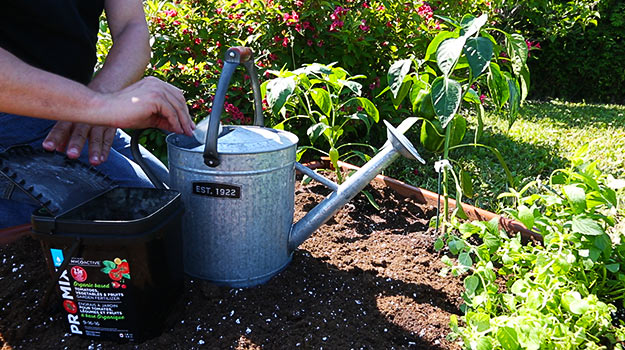
Different vegetables need different fertilizing schedules. Understanding these needs helps your garden thrive. Fertilizing by vegetable type ensures each plant gets the right nutrients at the right time. This approach improves growth and yield without wasting fertilizer.
Leafy Greens
Leafy greens like lettuce and spinach grow fast and need regular feeding. Apply a balanced fertilizer every two to three weeks. These plants benefit from nitrogen-rich fertilizers that promote lush leaves. Avoid over-fertilizing to prevent bitter taste.
Root Vegetables
Root vegetables such as carrots and beets need less frequent feeding. Use a fertilizer low in nitrogen but higher in phosphorus and potassium. Fertilize at planting and again halfway through growth. This helps develop strong roots and good flavor.
Fruit-bearing Plants
Tomatoes, peppers, and cucumbers need more nutrients during flowering and fruiting. Start with balanced fertilizer at planting time. Feed again every three to four weeks during the growing season. Use fertilizer higher in potassium to support fruit development.
Legumes
Beans and peas fix their own nitrogen, so they require less fertilizer. Apply a small amount of balanced fertilizer at planting. Avoid heavy nitrogen feeding to prevent excessive leaf growth. Fertilize lightly during growth if needed for better yields.
Soil And Bed Considerations
Understanding soil and bed types helps decide how often to fertilize your vegetable garden. Different soil and beds hold nutrients differently. This affects how plants absorb fertilizer. Proper care supports healthy growth and better harvests.
Raised Beds
Raised beds drain faster than in-ground gardens. This means nutrients can wash away more quickly. Fertilize raised beds every two to four weeks during the growing season. Use slow-release fertilizers to provide steady nutrition. Mixing compost into the soil before planting helps retain nutrients.
In-ground Gardens
In-ground gardens hold moisture and nutrients longer. Fertilize less often than raised beds, about every four to six weeks. Organic matter like compost improves soil structure and nutrient retention. Avoid over-fertilizing to prevent nutrient buildup and plant stress.
Soil Testing Importance
Soil testing reveals nutrient levels and pH balance. Test soil before planting and every two years after. This guides how much and what type of fertilizer to use. Adjust fertilizers based on test results to avoid wasting resources. Healthy soil means healthier plants and better yields.
Seasonal Fertilizing Tips
Fertilizing your vegetable garden in different seasons keeps plants healthy and productive. Each season needs a unique approach to feeding your soil and plants. Proper seasonal fertilizing helps vegetables grow strong and produce tasty fruits and vegetables.
Spring Application
Spring is the start of the growing season. Apply a balanced fertilizer before planting. This gives nutrients to the soil for young plants. Use fertilizers with equal parts nitrogen, phosphorus, and potassium. Spread fertilizer evenly and mix it into the soil. This helps roots grow deep and strong.
Summer Maintenance
Summer plants need regular feeding to keep growing. Use a fertilizer high in nitrogen to support leaf and stem growth. Apply fertilizer every three to four weeks. Water the garden after fertilizing to help nutrients reach roots. Avoid over-fertilizing, which can harm plants and soil.
Fall Fertilizing
In fall, prepare soil for next year. Use fertilizers rich in phosphorus and potassium. These nutrients help roots grow and store energy for winter. Apply fertilizer after harvesting summer crops. Work it into the soil to improve fertility for spring planting.
Common Mistakes
Fertilizing a vegetable garden seems simple, but many gardeners make common mistakes. These errors can harm plants and reduce yields. Understanding these mistakes helps you care for your garden better. Knowing when and how much to fertilize keeps plants healthy and productive.
Over-fertilizing Effects
Applying too much fertilizer damages plants. Leaves may turn yellow or brown. Excess fertilizer can burn roots and stunt growth. Over-fertilizing wastes money and pollutes soil. It also encourages weak, leafy growth instead of fruits and vegetables.
Under-fertilizing Signs
Too little fertilizer slows plant growth. Leaves may look pale or small. Plants might produce fewer flowers and fruits. Under-fertilized soil lacks nutrients for healthy crops. This problem can cause poor harvests and weak plants.
Ignoring Plant Needs
Different vegetables need different nutrients and amounts. Ignoring these needs harms your garden. Some plants require more nitrogen, others need more phosphorus or potassium. Fertilizing without considering plant type leads to poor results. Always adjust fertilizer based on the plants you grow.
Diy Fertilizer Options
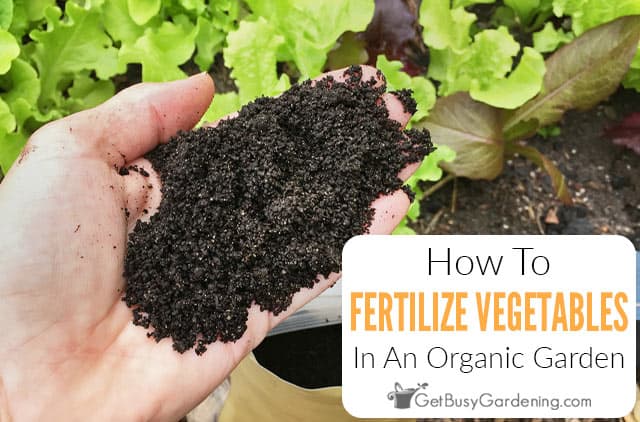
DIY fertilizer options offer a natural way to nourish your vegetable garden. These methods improve soil health and provide essential nutrients. They cost less and reduce chemical use. Using homemade fertilizers supports sustainable gardening. Below are simple DIY fertilizer ideas you can try at home.
Compost Tea
Compost tea is a liquid fertilizer made by soaking compost in water. It contains beneficial microbes and nutrients. To make it, steep a bag of compost in water for 24 to 48 hours. Strain the liquid and spray it on your plants or soil. Compost tea boosts plant growth and helps fight diseases.
Homemade Fertilizer Mixes
Mixing your own fertilizer allows you to control ingredients. Common mixes include bone meal, blood meal, and wood ash. Bone meal adds phosphorus, blood meal adds nitrogen, and wood ash adds potassium. Combine these in small amounts and sprinkle around plants. This mix supports healthy roots and strong leaves.
Using Kitchen Scraps
Kitchen scraps are an easy way to feed your garden. Vegetable peels, coffee grounds, and eggshells provide valuable nutrients. Chop scraps finely and bury them in the soil near plants. Avoid adding meat or oily food to prevent pests. Kitchen scraps recycle waste and enrich your garden naturally.
Regional Fertilizing Tips
Fertilizing your vegetable garden varies by region due to climate and soil differences. Understanding local conditions helps you apply the right amount of nutrients. This approach supports healthy plant growth and better harvests. Follow these regional tips for effective fertilizing schedules.
Texas Climate
Texas has hot summers and mild winters. Use fertilizer every 3 to 4 weeks during the growing season. Apply a balanced fertilizer before planting. In summer, switch to a fertilizer higher in potassium. This helps plants cope with heat stress. Water plants well after fertilizing to avoid root burn.
California Gardens
California’s climate varies from coastal to inland areas. Coastal gardens need less frequent fertilizing due to milder temperatures. Fertilize every 4 to 6 weeks in these areas. Inland gardens with hotter summers require feeding every 3 weeks. Use organic fertilizers to improve soil health. Mulching helps retain moisture and nutrients.
Humid Vs Dry Areas
Humid regions often have rich soil but risk nutrient leaching. Fertilize every 3 to 4 weeks to replenish nutrients. Choose slow-release fertilizers to reduce runoff. Dry areas have poor soil with fewer nutrients. Fertilize every 2 to 3 weeks for better growth. Use water-soluble fertilizers to help nutrients reach roots quickly.

Frequently Asked Questions
How Often Should I Fertilize My Tomato Plants?
Fertilize tomato plants at planting, then every 3-4 weeks during growth. Increase feeding when flowers and fruit appear.
Which Vegetables Don’t Like Fertilizer?
Root vegetables like carrots, radishes, and beets dislike heavy fertilizer. Excess nutrients can cause poor root development and taste.
Should You Fertilize A Vegetable Garden In Fall?
Fertilize a vegetable garden in fall to enrich soil for next season. Use slow-release or organic fertilizers. Avoid over-fertilizing to prevent nutrient buildup.
Is It Okay To Fertilize In September?
Yes, fertilizing in September is okay. Use a balanced, slow-release fertilizer to support late-season growth and prepare soil for fall.
Conclusion
Fertilizing your vegetable garden regularly helps plants grow strong and healthy. Apply fertilizer at planting, then every three to four weeks. Pay attention to each vegetable’s needs for best results. Avoid over-fertilizing to prevent harming your plants. Consistent care leads to better yields and tasty vegetables.
Keep your garden soil rich and balanced throughout the season. Simple steps make a big difference in your harvest. Happy gardening!
Last Updated on December 2, 2025 by Saad Abdullah

I enjoy sharing simple gardening ideas, lawn care tips, and honest product reviews that help make outdoor work easier. From home gardening guides to helpful tools and lawn care advice, I write easy-to-follow content to help readers create a healthier and better-looking outdoor space without wasting time or money.