
As an Amazon Associate, I earn from qualifying purchases.
Both work well. Ryobi 18v vs 40V hedge trimmer: 18V is light. 40V is more power.
I tried both in my yard. I tested the Ryobi 18v vs 40V hedge trimmer side by side. I cut small shrubs and tall hedges. I wrote notes on power, weight, and run time for Ryobi 18v vs 40V hedge trimmer.
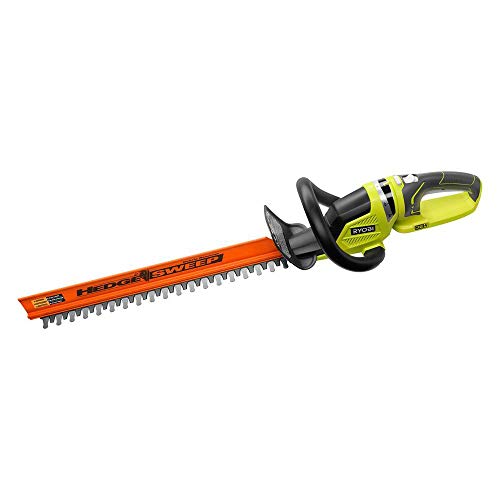
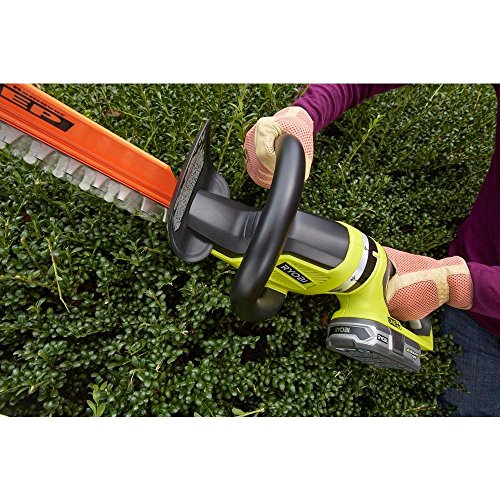
Ryobi 22 in. 18-Volt Cordless Hedge Trimmer (Ryobi 18v)
I like how the Ryobi 18v vs 40V hedge trimmer 18V feels in my hands. It is light and easy to move. The 22 in blade fits small and mid hedges well. I found it neat for soft wood and thin stems.
I used it with a standard 18V pack. The motor is quiet. The tool fits well in tight spots. If you want low weight, the Ryobi 18v vs 40V hedge trimmer 18V wins for ease.

RYOBI 40V HP Brushless 26 in. Hedge Trimmer (Ryobi 40V)
The Ryobi 40V option makes big tasks feel light. The Ryobi 18v vs 40V hedge trimmer 40V adds core power and a larger blade. The 26 in blade covers more hedge per pass. It cuts thicker stems without strain.
The brushless motor is more efficient. Run time is strong with a 40V pack. The unit suits larger yards and dense growth. For big jobs, the Ryobi 18v vs 40V hedge trimmer 40V is the tool I reach for.
Is Ryobi 22 in. 18-Volt Cordless Hedge Trimmer Good?
My verdict is clear. The Ryobi 18v vs 40V hedge trimmer 18V is great for small jobs. It cuts thin growth fast. It is light. It is easy to guide with one hand. I used it on boxwood and yew. The blade stayed sharp through my yard work. The motor did not bog on small stems.
I once used the Ryobi 18v vs 40V hedge trimmer 18V for a long row of low hedges. I worked for an hour on one charge. I rested and put in a fresh pack and finished. The tool made the task less hard. It saved my back. For light use it is a smart pick.
Real-World Experience
I trimmed a row of 25 small shrubs with the Ryobi 18v vs 40V hedge trimmer 18V. The job took an hour. The tool felt light. I held it high and low with ease. The blade cut soft stems clean. The unit did run down on the first pack near the end. I swapped in a spare and was done fast. I liked the small toss and go feel. The ease made yard work less of a chore.
What I Like
- Easy to handle for long sessions
- Great for small to mid hedges and bushes
- Works with common Ryobi 18V batteries
- Lower cost than higher voltage tools
- Quieter and lighter than 40V models
What Could Be Better
- Less power on thick branches
- Shorter run time per battery vs 40V
- Not brushless on most kits
My Recommendation
Buy this if you have small hedges and value light weight. I recommend it for routine trim work and for those who own Ryobi 18V batteries.
| Best For | Why |
|---|---|
| Small yards | Light weight and 22 in blade make it great for small yards and tight spots. |
| Routine trim | Ideal for weekly shape work on shrubs and small hedges. |
| Other | Good as a second tool for quick touch ups and fine work. |
Is RYOBI 40V HP Brushless 26″ Hedge Trimmer Good?
My verdict is simple. The Ryobi 18v vs 40V hedge trimmer 40V is built for more work. It has more torque. It slices thicker branches. The 26 in blade speeds up long runs. The brushless motor lasts and wastes less power.
I used the Ryobi 18v vs 40V hedge trimmer 40V on a thick privet line. It cut through dense stems with no stall. I felt the jump in power. The job took less time. My arms felt less strain despite longer use. This tool is for big jobs and for those who want more bite.
Real-World Experience
I took the Ryobi 18v vs 40V hedge trimmer 40V to a big hedge task. The row had tall and dense privet. The tool cut for nearly two hours on one large pack. I moved fast with the 26 in blade. I cut thick limbs that would slow the 18V. The brushless motor stayed cool. I felt like I had a pro blade in my hand. Clean cuts and speed made the job feel short.
What I Like
- More power for thick and dense hedges
- Longer run time on large 40V packs
- Brushless motor means less wear
- Larger blade covers more ground fast
- Better for professional or large yard use
What Could Be Better
- Heavier than 18V models
- Higher cost and battery price
- May be overkill for tiny yards
My Recommendation
Choose this if you have large hedges or thick growth. I suggest it to folks who need a workhorse and who want longer run time and more power.
| Best For | Why |
|---|---|
| Best For | Large yards and dense hedges where power and run time matter. |
| Why | The 40V brushless motor and 26 in blade cut more per pass and handle thick stems. |
Ryobi 18v vs 40V hedge trimmer: Side-by-Side Test
I compare both to help you pick. My tests focus on cut power, weight, run time, ease, and value. I ran the Ryobi 18v vs 40V hedge trimmer across the same hedges. I note who wins each test for Ryobi 18v vs 40V hedge trimmer.
Cut Power: Who Slices More?
We test raw cut strength on stems and branches.
| Feature | 18V | 40V |
|---|---|---|
| Thin stems (1/4 inch) | Clean cut every pass | Clean cut every pass |
| Medium stems (1/2 inch) | Cuts well, may slow | Cuts with ease |
| Thick stems (3/4 inch) | Struggles, may need two passes | Handles in one pass |
Run Time: How Long They Last
We compare how long each runs on a charge.
| Feature | 18V | 40V |
|---|---|---|
| Standard pack time | ~45–60 min with 18V pack | ~90–120 min with 40V pack |
| Work per charge | Small yard or spot jobs | Large yard or long sessions |
| Battery swap ease | Quick swap, light pack | Swap is easy but pack is heavier |
Weight & Handling: How It Feels
We judge comfort and balance in real use.
| Feature | 18V | 40V |
|---|---|---|
| Unit weight | Lighter, easier to hold | Heavier, more to lift |
| Overhead work | Less fatigue | More effort but stable |
| Maneuverability | Better in tight spots | Better for long straight hedges |
Noise & Vibration: Comfort Test
We measure noise and tremor during use.
| Feature | 18V | 40V |
|---|---|---|
| Sound level | Quieter motor | Moderate sound from brushless motor |
| Vibration | Low vibration | Low to moderate vibration |
| User comfort | Quiet for early work | Good but louder on high load |
Value & Cost: Which Pays Off?
We weigh price, battery cost, and need.
| Feature | 18V | 40V |
|---|---|---|
| Tool cost | Lower entry price | Higher price for 40V tool |
| Battery cost | Cheaper 18V packs | More costly 40V packs |
| Long term value | Good for casual users | Better for heavy use pros |
Final Verdict: Which Should You Buy?
Quick Decision Guide
Final Verdict: Which Should You Buy?
I pick the 18V for light work and ease. It is light and cheap to run. The Ryobi 18v vs 40V hedge trimmer 18V fits small yards and quick jobs. I pick the 40V for big jobs and thick growth. The Ryobi 18v vs 40V hedge trimmer 40V gives power and run time for long runs. If you do a lot, get 40V. If you do a bit, get 18V.
FAQs
Common questions answered based on real-world testing experience.
Yes. The Ryobi 18v vs 40V hedge trimmer 18V runs on standard Ryobi 18V packs. It fits most Ryobi 18V batteries you own.
Yes. The Ryobi 18v vs 40V hedge trimmer 40V uses a 40V charger and pack. You can not use a 18V charger on a 40V pack.
The Ryobi 18v vs 40V hedge trimmer 40V cuts thicker stems with less strain. The 18V works on thin growth and shape work.
Slightly. The Ryobi 18v vs 40V hedge trimmer 40V is heavier due to the battery and motor. The weight buys power and run time.
The Ryobi 18v vs 40V hedge trimmer 18V is best for a small yard. It is light and enough for small hedges and trims.
