As an Amazon Associate, I earn from qualifying purchases.
Soaker Hose vs Drip Irrigation: drip systems save more water and deliver precise root watering.
I’ve designed and installed gardens and irrigation systems for years, so I know what works in real yards and farms. This article compares Soaker Hose Vs Drip Irrigation step by step, with clear pros, cons, cost notes, and practical tips you can use today to pick the right system for your plants and budget. Read on for hands-on advice, mistakes to avoid, and smart ways to stretch every drop of water.
:strip_icc()/BHG-Drip-Irrigation-vs.-Soaker-Hose_185280890-_100654813-b41cdb98b91043039e2fd76aaf96c7c0.jpg)
What are soaker hoses and drip irrigation?
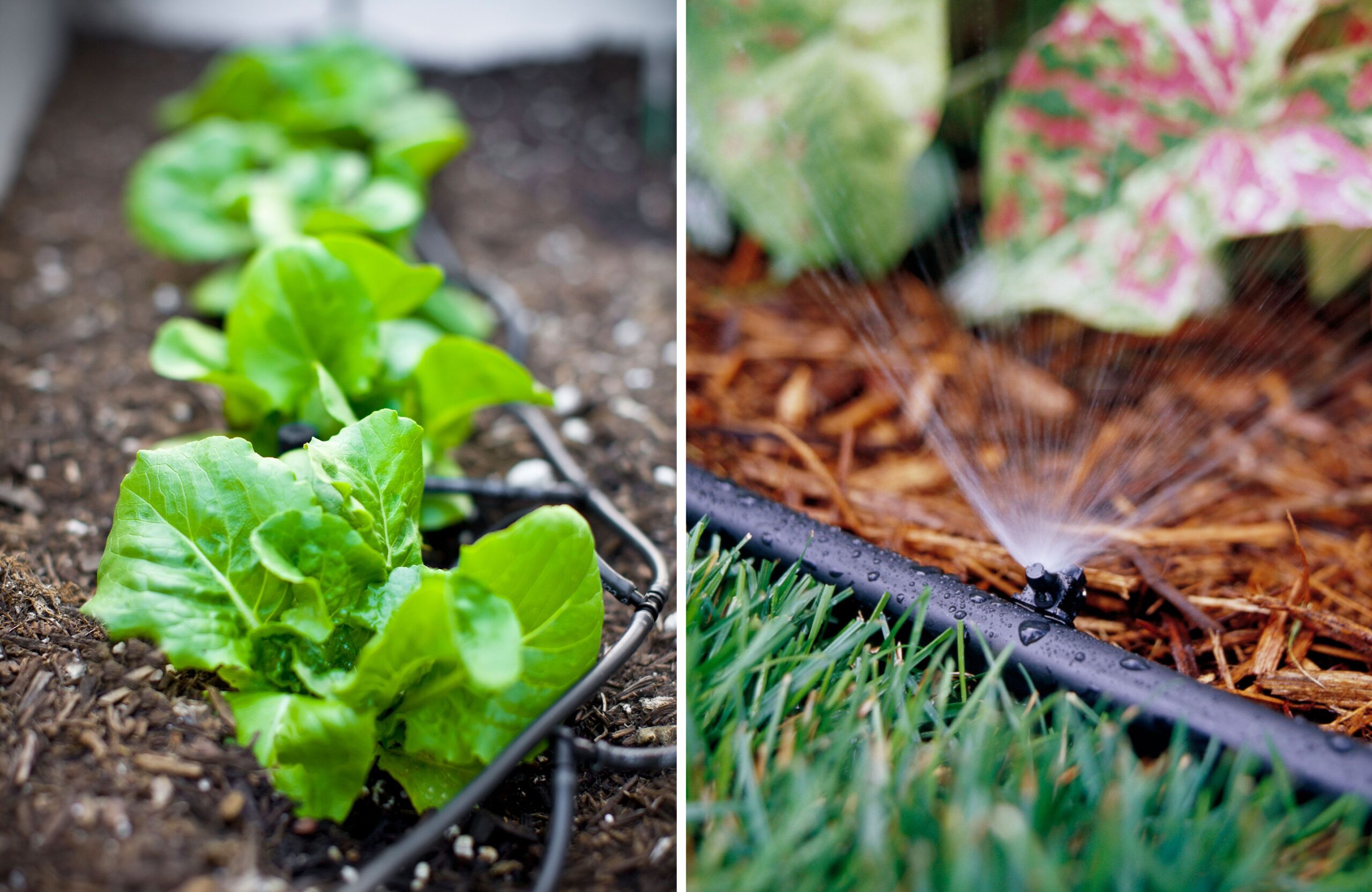
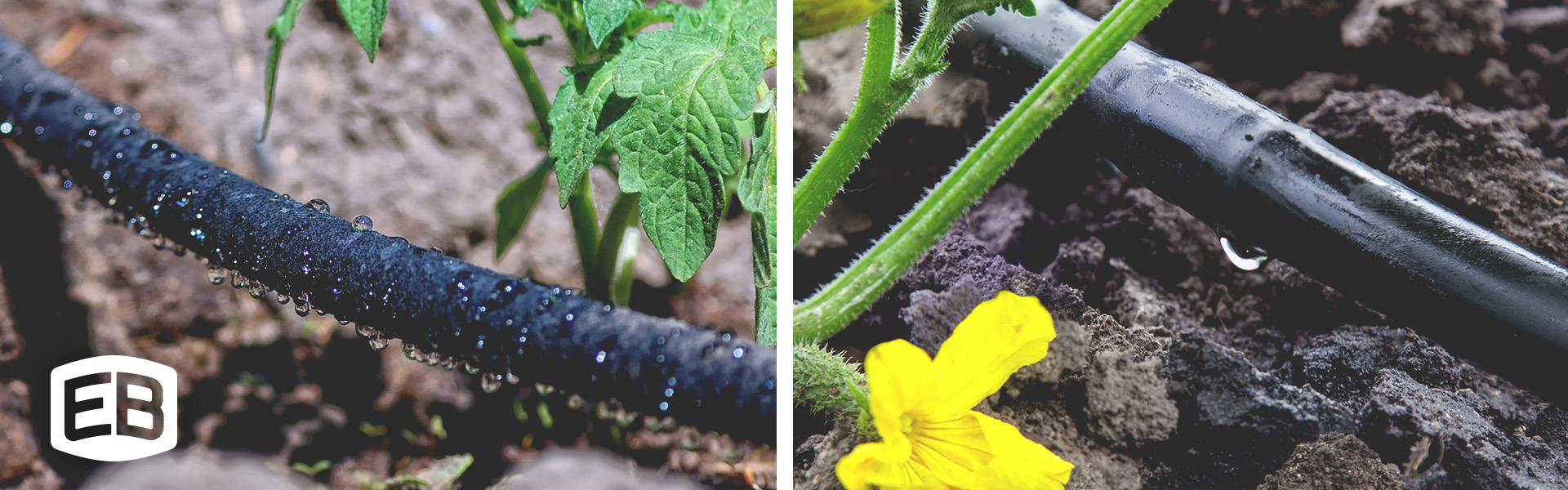
Soaker hoses are porous tubes that leak water slowly along their length. They lie on or just below the soil surface and wet the soil by seepage. Soaker hoses work well for long, continuous beds where you want uniform moisture.
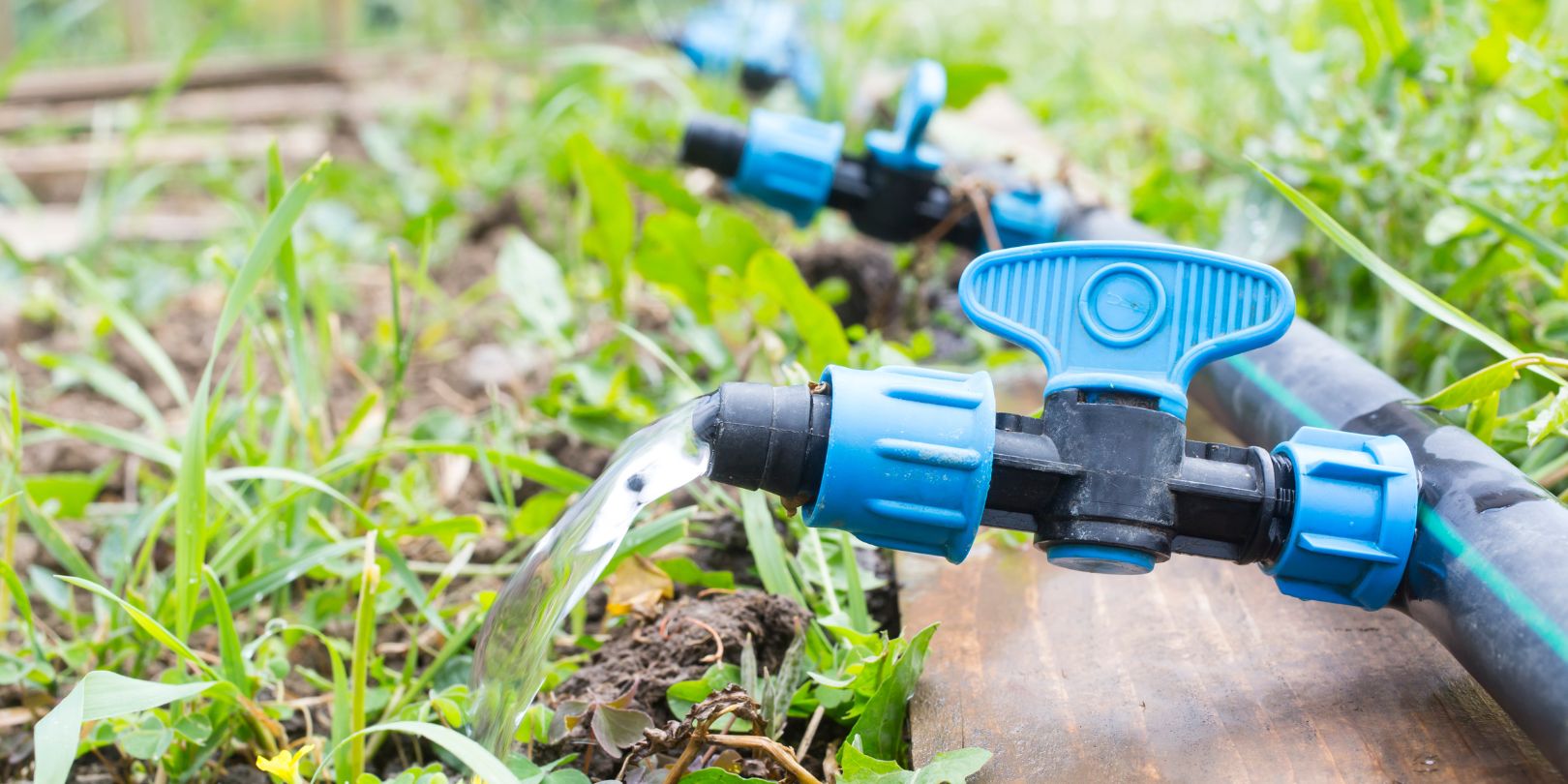
Drip irrigation uses small emitters or micro-sprayers placed at plant roots. It delivers measured amounts of water directly to each plant. Drip systems often include tubing, pressure regulators, filters, and emitters for fine control.
Both systems target the root zone and reduce runoff compared with overhead sprinklers. The main difference is precision: Soaker Hose Vs Drip Irrigation vary in how and where water is delivered.

How Soaker Hose Vs Drip Irrigation work
Soaker hoses release water through many tiny pores along their wall. Water moves out evenly if pressure is low and stable. They are usually connected to a faucet and run for set hours.
Drip irrigation routes water through a main line and smaller emitter lines. Emitters meter flow in gallons per hour. You can place emitters at each plant and adjust flow to match plant needs.
Pressure, slope, and soil type affect performance in both systems. If pressure is high, soaker hoses can spray and drip systems can blow out emitters without a regulator. Proper setup is key to reliable watering.
Pros and cons comparison of Soaker Hose Vs Drip Irrigation
Soaker Hose pros
- Cheap and simple to install.
- Good for long flower beds and rows.
- Low profile and flexible to move.
Soaker Hose cons
- Less precise; water spreads along the hose.
- Can be uneven on slopes.
- Harder to repair when holes clog or degrade.
Drip Irrigation pros
- Precise watering at each plant.
- Scalable and efficient for trees, shrubs, and vegetable gardens.
- Easier to automate and zone for different plants.
Drip Irrigation cons
- Higher initial cost and slightly more complex to install.
- Emitters can clog without filtration.
- Requires planning for emitter placement and pressure control.
Choosing between Soaker Hose Vs Drip Irrigation often comes down to the layout, plant types, and your willingness to maintain the system.
:strip_icc()/102871478-ff51eed7b5bd471cb7d9bb56a22e52e9.jpg)
Water efficiency, cost, and environmental impact
Water efficiency
- Drip irrigation often saves more water by targeting roots directly.
- Soaker hoses are efficient versus sprinklers but can lose water to surface evaporation in hot sun.
Cost comparison
- Soaker hose systems cost less up front and are DIY-friendly.
- Drip systems cost more initially but reduce water bills over time for intensive plantings.
Environmental impact
- Both reduce runoff and soil erosion compared to overhead sprinklers.
- Drip irrigation reduces disease risk from wet foliage and conserves water in drought-prone areas.
When weighing Soaker Hose Vs Drip Irrigation, consider long-term water savings and local water restrictions as part of your decision.

Installation, maintenance, and troubleshooting
Basic installation tips
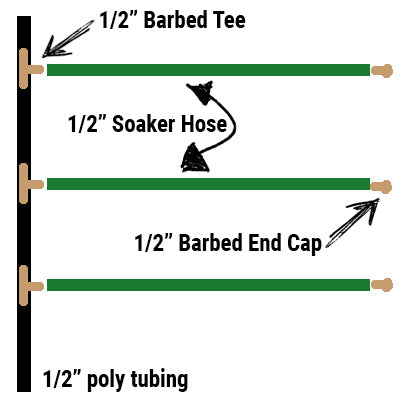
- Lay soaker hoses along rows and cover lightly with mulch to reduce evaporation.
- For drip, plan main lines and emitter locations, install a filter and pressure regulator, and test zones.
Maintenance tasks
- Check for clogs and leaks each season.
- Flush main lines on drip systems and clean filters regularly.
- Replace degraded soaker hoses every few years to avoid uneven seepage.
Common problems and fixes
- Low pressure: add a booster or shorten runs.
- Clogging: install or clean filters, use flush caps.
- Uneven wetting: adjust emitter spacing or level the ground.
Both systems need seasonal attention, but drip systems offer easier troubleshooting at specific emitters.

Best applications and plant types for each system
When Soaker Hose Vs Drip Irrigation makes sense for your garden:
- Use soaker hoses for long, continuous beds, hedges, and simple flower rows.
- Use drip irrigation for vegetable gardens, container plants, individual shrubs, and trees.
- Combine both: soaker hoses for groundcover and drip emitters for shrubs and trees.
Plant-specific guidance
- Tomatoes and peppers do very well with drip emitters placed at the root zone.
- Perennial flower beds can be economical with soaker hoses under mulch.
- Trees and large shrubs benefit from multiple low-flow drip emitters around the root zone.
Match the system to plant spacing and water needs for best results when comparing Soaker Hose Vs Drip Irrigation.

Design tips and performance optimization
Pressure and flow
- Use a pressure regulator for drip systems to keep emitters within spec.
- Keep soaker hose runs short on sloped ground to avoid uneven flow.
Emitter spacing and selection
- Choose emitter flow rates (e.g., 0.5, 1, 2 gph) based on plant needs.
- Space emitters closer in sandy soil and farther apart in clay soil.
Mulch and soil management
- Mulch reduces evaporation and evens out water from soaker hoses.
- Improve soil organic matter to hold moisture and make either system more efficient.
Automation and timers
- Add a timer or smart controller to water during cool hours and prevent overwatering.
- Use soil moisture sensors to fine-tune schedules and save water.
These design choices help you get the most from Soaker Hose Vs Drip Irrigation and reduce waste.
Personal experience, lessons, and mistakes to avoid
From installing dozens of systems, here are real lessons I learned:
- Don’t run long soaker hose loops on steep grades; water pools at the bottom and wastes resources.
- Always use a filter on drip lines. I once lost a season of plants to clogged emitters.
- Start simple and expand. I first installed a short drip zone for tomatoes and then scaled to the whole garden.
- Mark your lines and map emitters. Years later, my map saved me during a repair.
A common mistake is skipping a pressure regulator or filter. That error led to burst tubes in one of my early installs. Take the small steps up front and you’ll spend less time fixing problems later.
Frequently Asked Questions of Soaker Hose Vs Drip Irrigation
Which system uses less water, soaker hose or drip irrigation?
Drip irrigation typically uses less water because it delivers measured amounts directly to the root zone. Soaker hoses are efficient versus sprinklers but can lose more to surface evaporation.
Can I mix soaker hoses and drip irrigation in the same garden?
Yes. Many gardeners use soaker hoses for groundcover beds and drip emitters for shrubs and vegetables to balance cost and precision. Proper zoning and timers help both systems work together.
How often should I run a drip system or soaker hose?
Run schedules depend on soil type, plant needs, and season. Start with short sessions more often, check soil moisture, and adjust to keep roots moist but not waterlogged.
Do soaker hoses clog easily?
Soaker hoses can clog if the water has a lot of sediment or mineral buildup. Flushing lines and adding a simple inline filter reduce clogging risk.
Which is better for a vegetable garden, soaker hose or drip irrigation?
Drip irrigation is usually better for vegetable gardens because it lets you place emitters at individual plants and adjust flow rates. Soaker hoses can work for row crops or simple beds, but offer less control.
Conclusion
Choosing between Soaker Hose Vs Drip Irrigation comes down to your garden layout, plant mix, budget, and time for maintenance. Drip systems offer precision and long-term water savings while soaker hoses give a low-cost, simple solution for long beds. Take small steps: map your garden, choose a zone to test, and add filters and regulators to protect your system. Try one approach, learn from it, then expand with confidence. If you found this guide useful, subscribe for more hands-on irrigation tips or leave a comment with your garden setup.
