
As an Amazon Associate, I earn from qualifying purchases.
Pull, smother, mulch, and spot-treat; then block seeds and roots.
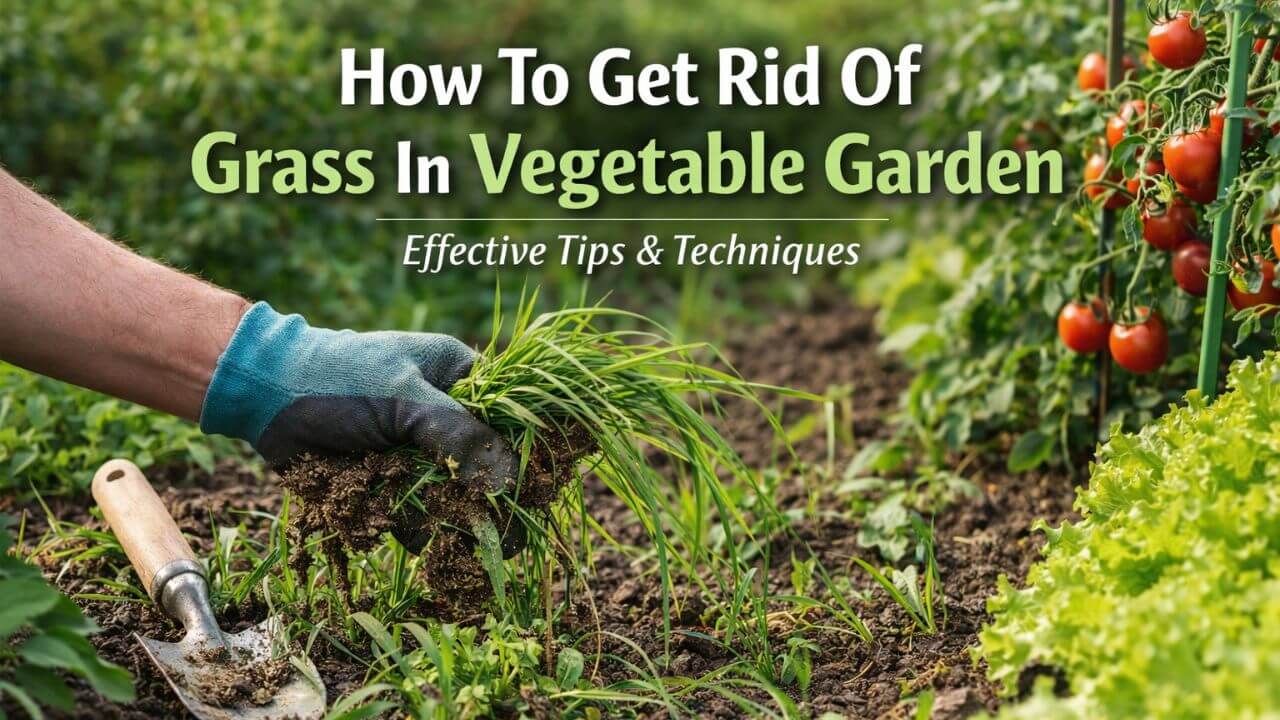
You want straight talk on How To Get Rid Of Grass In Vegetable Garden. I have cleared beds choked with Bermuda and crabgrass, and kept them clean through harvest. In this guide, I share what works, what fails, and the simple system I use all season to stop grass without wrecking the soil or your veggies.
Why Grass Takes Over Vegetable Beds
Grass is fast, stubborn, and built to spread. Annual grasses like crabgrass grow from seed and love warm soil. Perennial grasses like Bermuda and quackgrass spread by roots and runners under the soil. That is why a quick pull does not stop them.
Soil disturbance wakes up the seed bank. Every time we till, we bring up more seeds. Extra water and extra nitrogen also feed grass. Bare soil invites light, wind-blown seeds, and foot traffic that presses tiny roots into place.
Edges matter. Grass creeps in from fence lines, lawns, and paths. A weak border means a strong invasion next month.

A Step-by-Step Plan: How To Get Rid Of Grass In Vegetable Garden
Here is the simple plan I use in client gardens and my own beds.
- Identify your enemy. Note if it is annual grass from seed or a perennial with runners.
- Clear the top. Cut grass low. Rake off thatch so you can see soil.
- Choose a pre-plant tactic. Use solarization or occultation to kill a flush of grass and seeds.
- Plant into clean soil. Then mulch right away around crops.
- Weed in short bursts. Hoe weekly while weeds are thread-thin.
- Edge the borders. Keep a clean line where lawn meets beds.
- Block new seeds. Keep soil covered with mulch or cover crops.
- Spot-treat stubborn patches. Use selective tools or herbicides with care.
- Track trouble spots. Repeat pressure beats regrowth.
This is how I teach How To Get Rid Of Grass In Vegetable Garden to beginners. It is fast, simple, and easy to keep up.

Pre-Plant Tactics That Work
Killing grass before you plant saves time later. These methods cut seed banks and hit roots hard.
- Solarization in warm months. Water soil well. Stretch clear plastic tight over the bed. Seal edges with soil. Leave for 4 to 6 weeks. Heat cooks seeds and young grass.
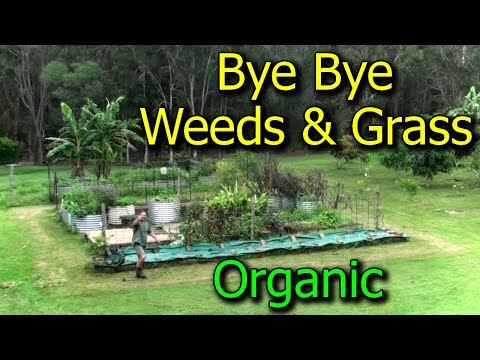
- Occultation in any season. Cover soil with a tight, opaque tarp. Black silage tarps work well. Leave for 3 to 6 weeks. Darkness and heat starve sprouts.
- Stale seedbed. Prepare a smooth bed. Water and wait 7 to 10 days. Hoe off tiny sprouts at the thread stage. Then plant. You remove a wave of grass before crops go in.
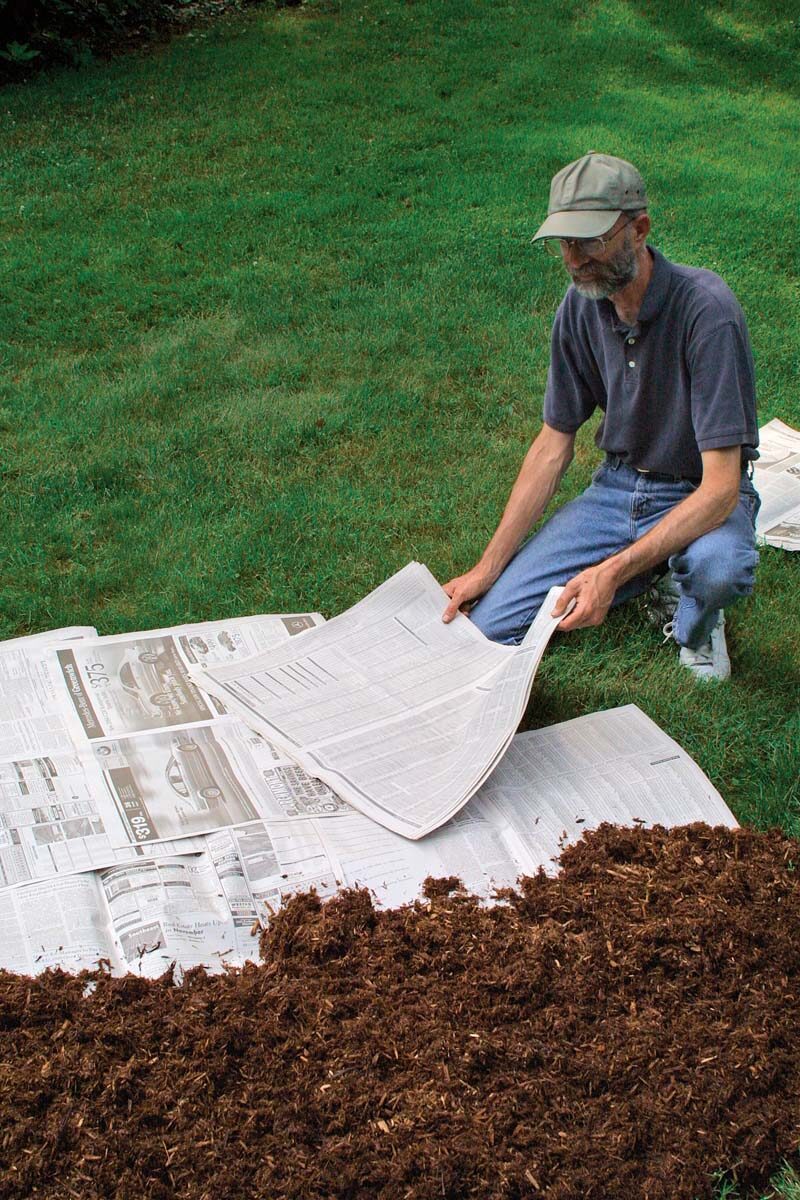
- Sheet mulching for paths or new beds. Lay cardboard with 6-inch overlaps. Wet it. Top with 4 inches of compost in beds or 4 inches of wood chips in paths. Plant into compost, not through chips.
- Avoid deep tilling. It chops roots into many pieces and brings up seeds. Use a shallow rake or a broadfork to loosen without flipping soil.
These pre-plant steps are the backbone of How To Get Rid Of Grass In Vegetable Garden if you start a new plot.
In-Season, No-Chemical Control
Once crops are growing, switch to fast, gentle moves. The goal is to disturb weeds early and keep soil covered.
- Mulch right after planting. Use straw, shredded leaves, or compost. Keep 3 to 4 inches deep around plants. Keep mulch off stems to prevent rot.
- Hoe weekly. Use a stirrup or collinear hoe. Work when the sun is out. Slice tiny weeds at the soil line. It takes minutes when weeds are small.
- Hand pull smart. Grab at the base after rain. Use a narrow weeding knife on roots. For perennials, tease out runners without breaking them.
- Water only where crops root. Use drip lines or soaker hoses. Wet paths and bare soil wake seeds.
- Edge the bed line. Cut a clean trench edge. Or set a low barrier like steel edging. Stop runners from crossing into the bed.
- Manage paths. Keep 3 to 4 inches of wood chips in paths. Top up each season. Chips block light and keep soil cool.
In my peppers, a 3-inch straw mulch and a weekly 10-minute hoe pass kept beds almost weed-free. That is the heart of How To Get Rid Of Grass In Vegetable Garden during the season.

Smart, Targeted Use of Herbicides
Sometimes you need a precise tool. Use it well and you save time. Always read the label first. Follow rates, safety gear, and pre-harvest intervals.
- Grass-selective herbicides. Products with sethoxydim or clethodim kill grass but spare most broadleaf vegetables. They work best on young, actively growing grass. Do not spray on sweet corn or grains. Check crop lists and wait times.
- Non-selective herbicides. Glyphosate kills grass and most plants. Use for spot treatment before planting or on paths. Shield crops. Spray on calm days.
- Organic contact options. Vinegar-based or fatty acid herbicides burn leaves. They work on tiny annual grass. They do not kill deep perennial roots. Reapply as needed.
- Safety first. Wear gloves and eye protection. Keep kids and pets away until dry. Store products locked and labeled.
These tools can support How To Get Rid Of Grass In Vegetable Garden when used with mulch and hoeing. They are not a stand-alone fix.

Perennial Grasses Need Special Moves
Bermuda, quackgrass, and couch grass spread by rhizomes and stolons. If you leave a piece, it grows back.
- Dig with care. Loosen soil with a fork. Lift long, white runners in whole strands. Do not chop them up.
- Starve with covers. After a dig, lay a tarp or thick cardboard plus mulch for 6 to 8 weeks. No light means no food for roots.
- Repeat pressure. Pull new shoots fast. Each pull drains root reserves.
- Create hard edges. Install edging 6 inches deep along beds. Keep a clean buffer strip you can mow or string trim.
- Avoid rototillers. They turn one plant into fifty.
I once cleared a 20-foot bed of quackgrass by forking, tarping for six weeks, then mulching thick. Two fast hand pulls finished the job. That wins the long game of How To Get Rid Of Grass In Vegetable Garden.
Keep Grass From Coming Back
Prevention is daily, simple, and quick. Make the garden a place grass does not like.
- Keep soil covered. Use mulch in beds and chips in paths. Plant cover crops in open spots.
- Tight plant spacing. A full canopy blocks light. Less light means fewer weeds.
- Clean inputs. Use straw, not hay, to avoid seeds. Hot compost to kill seeds.
- Edge and mow borders. Keep lawn short along beds. Trim fence lines often.
- Water wisely. Drip lines feed crops, not paths.
- Quarantine new plants. Check pots for grass. Pick out roots before you plant.
- Off-season covers. Tarp empty beds in fall. Plant winter rye or clover as a living cover.
This is the part of How To Get Rid Of Grass In Vegetable Garden that saves the most time next year.
A Simple 7-Day Action Plan
Use this fast start if your bed has light to medium grass.
- Day 1. Mow or string trim low. Rake clean. Water deeply.
- Day 2. Lay a clear or black tarp tight. Seal edges.
- Day 3 to 5. Leave covered. Prep tools and mulch.
- Day 6. Remove tarp. Make a smooth bed. Plant crops. Install drip.
- Day 7. Mulch 3 to 4 inches around plants. Edge borders.
Then set a weekly 10-minute hoe and hand pull routine. This habit is the engine of How To Get Rid Of Grass In Vegetable Garden.
Quick Answers You Can Use Today
What kills grass but not vegetables?
Use a grass-selective herbicide with sethoxydim or clethodim. Check that your crop is on the label and follow the wait time before harvest.
Is vinegar safe around vegetables?
Household vinegar can burn small grass but not the roots. Stronger acids work better but need care, gloves, and eye protection.
How deep should mulch be to stop grass?
Keep 3 to 4 inches around plants and 4 inches in paths. Top up midseason if you can see soil.
Common Mistakes To Avoid
- Waiting too long to weed. Tiny weeds take seconds. Big weeds take hours.
- Using hay as mulch. Hay often brings in new grass seeds.
- Deep tilling every week. It feeds the seed bank and spreads roots.
- Skipping edges. Most grass sneaks in from the sides.
- One big cleanup, then nothing. Small, steady work keeps beds clean.
I made all of these mistakes early on. A simple routine fixed them and made How To Get Rid Of Grass In Vegetable Garden feel easy, not endless.
Real-World Examples From My Beds
- Raised beds vs ground beds. My raised beds with boards and drip had fewer grass issues than ground beds. Edges and water control made the difference.
- Strawberries and onions. Grass hid under leaves. A thin layer of compost under straw slowed it down a lot.
- Late summer reset. I tarped a spent bed for two weeks in August heat. That quick pulse wiped out a flush of crabgrass before fall carrots.
Small wins stack up. They prove that How To Get Rid Of Grass In Vegetable Garden is a process you can trust.
Frequently Asked Questions of How To Get Rid Of Grass In Vegetable Garden
What is the fastest way to clear grass before planting?
Mow low, water, and tarp for 2 to 4 weeks in warm weather. Remove the cover, rake out dead thatch, and plant into a clean surface.
Will cardboard kill grass in a vegetable garden?
Yes, if overlapped well and topped with 3 to 4 inches of mulch. Do not plant deep-rooted perennials through it until it softens.
Does corn gluten meal stop grass from sprouting?
It can reduce some seeds if timed right before germination. Results vary, and it does not stop established grass.
Can I use landscape fabric in vegetable beds?
Use it in paths, not under crops, to avoid soil health issues. In beds, prefer compost and organic mulch for better growth.
How often should I hoe to control grass?
Once a week is enough for most beds. Aim for sunny days and slice weeds when they are thread-thin.
What mulch is best to stop grass in vegetables?
Clean straw, shredded leaves, or compost work well. Avoid hay and dyed wood chips in beds.
Conclusion
You can win against grass with a clear plan and small, steady moves. Identify the type, prep smart, mulch thick, weed early, and guard your edges. Add a tarp when needed, and use selective tools with care.
Start this week with one bed and a 10-minute routine. You will see less grass in seven days and much less in a month. If this guide on How To Get Rid Of Grass In Vegetable Garden helped, subscribe for more tips, share your progress, or drop a question in the comments.

I enjoy sharing simple gardening ideas, lawn care tips, and honest product reviews that help make outdoor work easier. From home gardening guides to helpful tools and lawn care advice, I write easy-to-follow content to help readers create a healthier and better-looking outdoor space without wasting time or money.